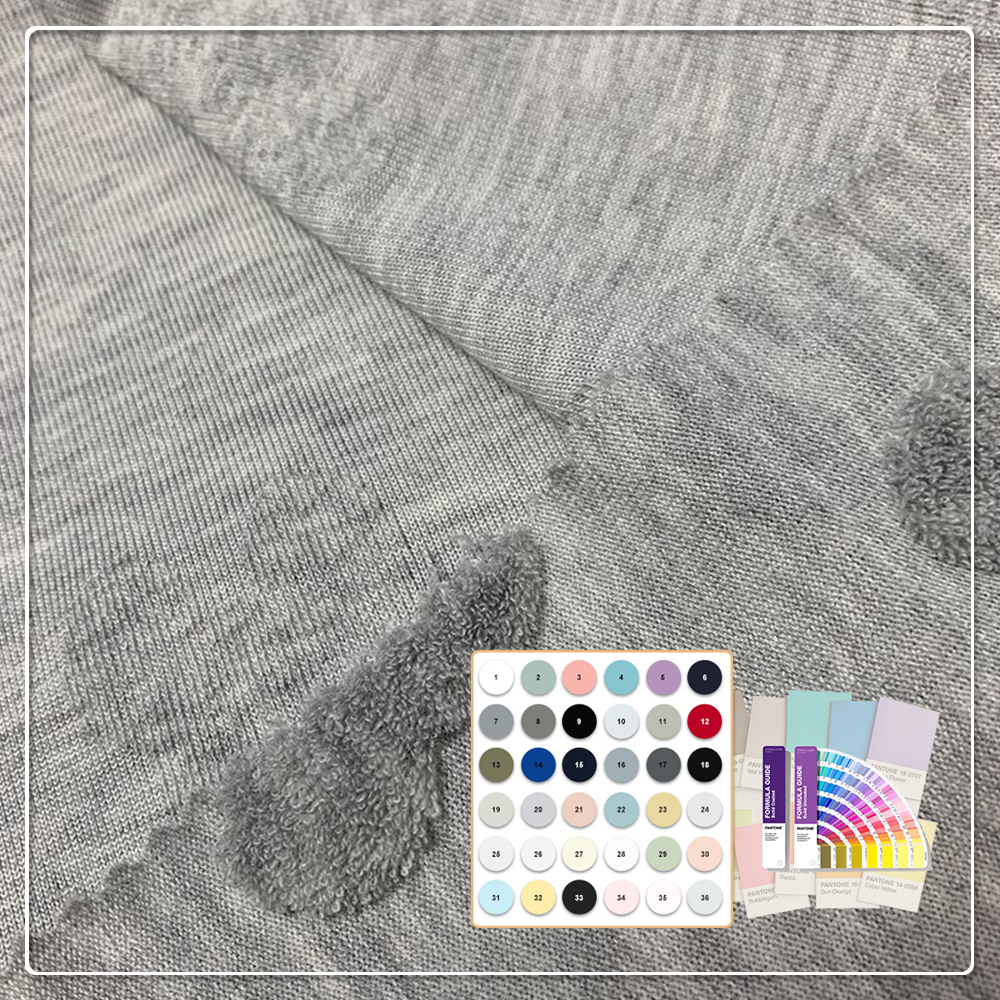
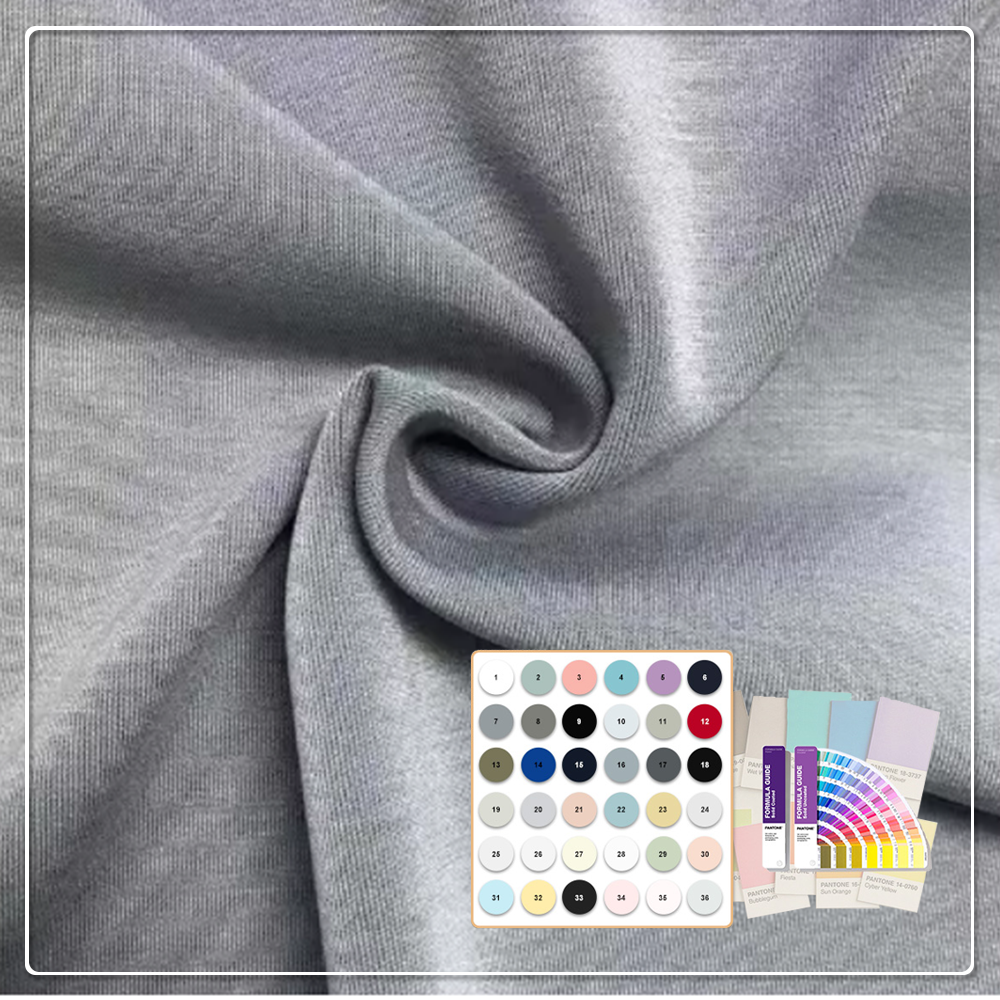
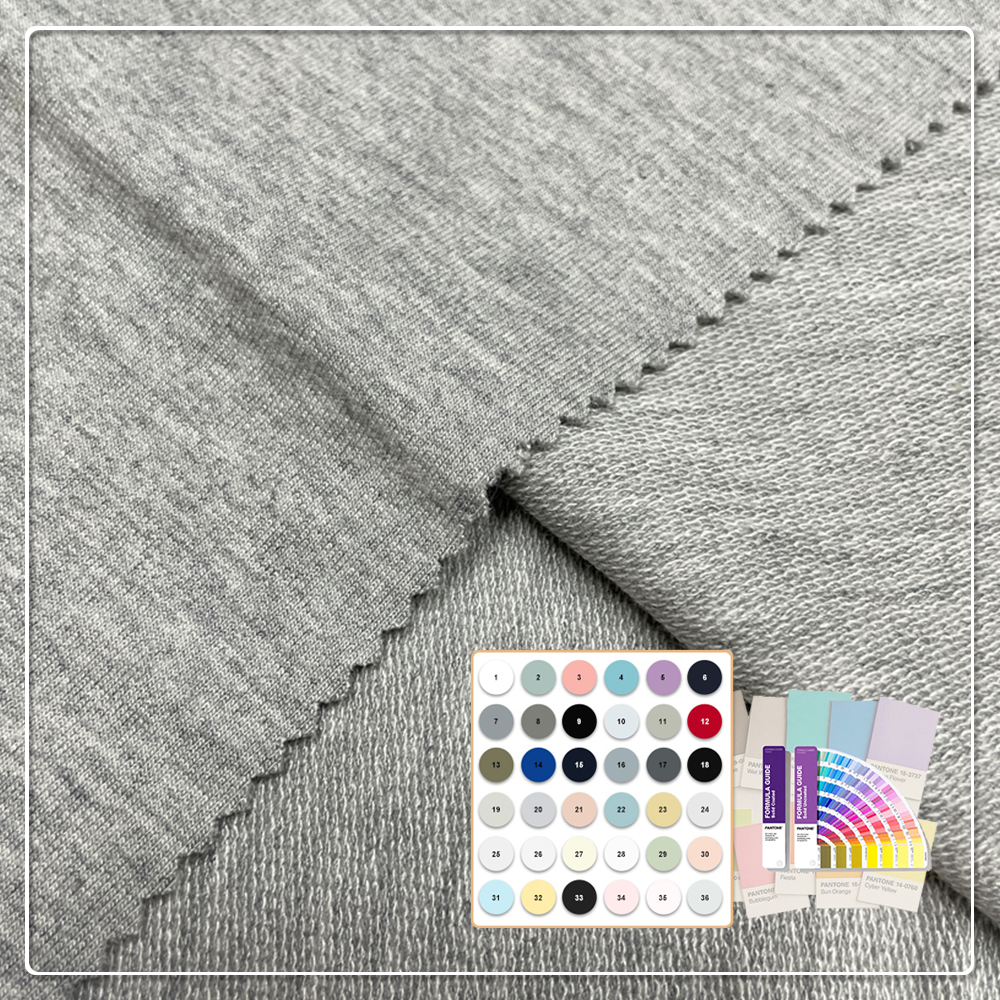
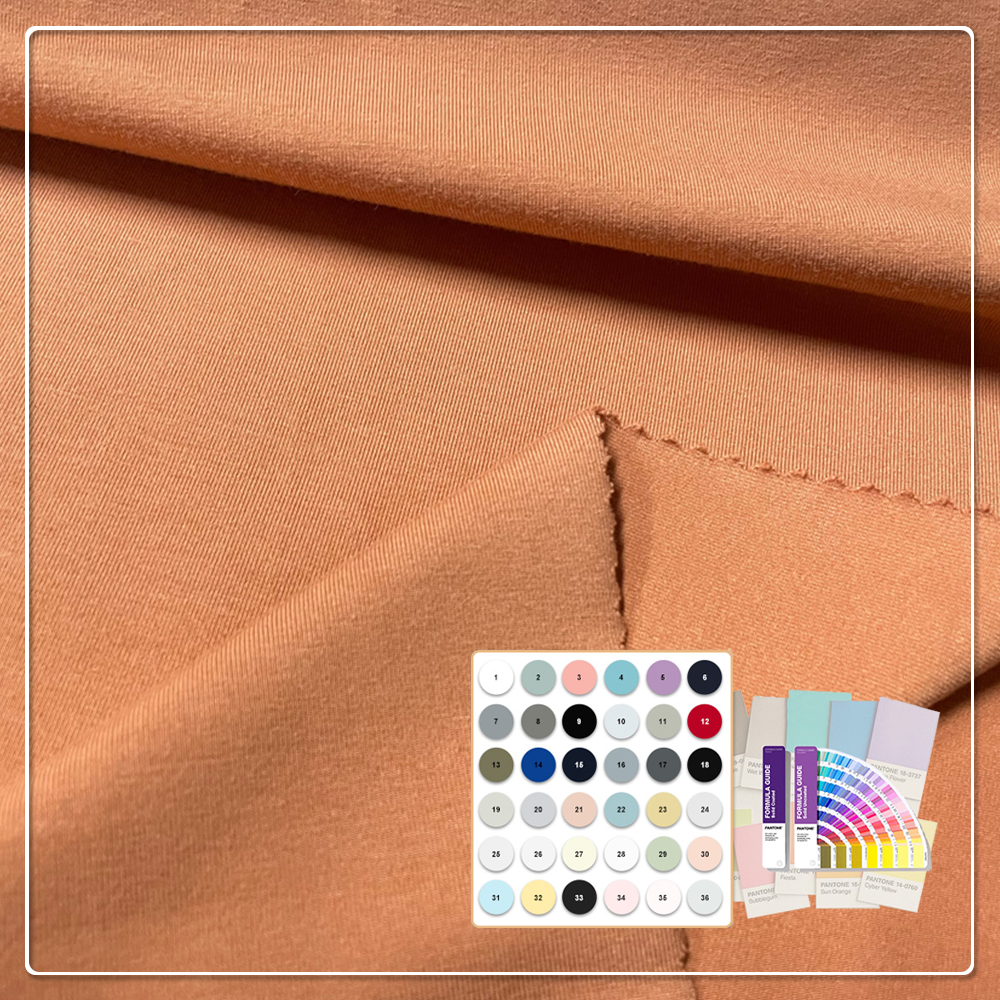
Choosing Eco Cotton Clothes for Wholesale Needs

Get a Free Quote

Our representative will contact you soon.
Email
Name
Mobile/WhatsApp
Company Name
Message
0/1000

Eco cotton clothes

Eco cotton clothes are a sustainable alternative to traditional textiles, made from organic cotton that is grown without harmful chemicals. As a B2B buyer, you may be focused on sourcing high-quality eco cotton garments that meet both sustainability goals and performance standards. This article will guide you through important considerations in selecting eco cotton clothes for your wholesale needs, key specifications for quality, common issues and their solutions, the benefits of eco cotton for sustainable projects, and what to consider when purchasing in bulk. 

Our Products

Key Specifications for Quality Eco Cotton Clothing

Quality specifications for eco cotton clothes include various technical parameters that impact both the aesthetic and functional performance of the garments. Important specifications to evaluate include: 

Fabric Composition: Ensure that the clothing is made of a high percentage of organic cotton to maximize sustainability. Eco cotton clothes should ideally contain at least 95% organic materials. 

Color Fastness: A color fastness rating of level 4-5 is desirable, indicating that the colors will withstand washing and exposure to light without fading. 

Shrinkage Rate: Look for shrinkage rates below 5%. This ensures the garments maintain their shape and fit after washing.  

Weight and Thickness: Depending on the intended use, the fabric weight can range from lightweight for summer wear to heavier options for cooler climates. 

By focusing on these specifications, you can ensure that the eco cotton clothes you choose meet the high standards expected by consumers and retailers alike. 
Common Problems with Eco Cotton Clothes and Their Solutions

While eco cotton clothes are a sustainable choice, they can present specific challenges. Here are some common issues and their solutions: 

Inconsistent Sizing: Variability in sizing can occur due to the natural fibers used. To mitigate this, request a size chart from your supplier and follow up with sample approvals to confirm sizing accuracy. 

Color Fading: Color fading can be a concern with eco-friendly dyes. Ensure that your supplier employs high-quality dyes and has a robust quality control process to test color fastness. 

Pilling and Wear: Eco cotton can be prone to pilling, especially if blended with synthetic fibers. Choose higher-quality fabrics and consider testing the durability of fabric blends. 

Implementing thorough quality checks during production and before shipment will minimize these common problems and ensure a reliable product. 

Benefits of Eco Cotton Clothes for Sustainable Projects

Choosing eco cotton clothes and Bamboo Viscose/Bamboo Lyocell Fabric aligns with corporate social responsibility goals and appeals to environmentally conscious consumers. Here are some key benefits: 

Sustainability: Eco cotton is produced without harmful pesticides and fertilizers, reducing environmental impact. By sourcing eco cotton garments, businesses contribute to sustainable agricultural practices. 

Consumer Demand: There is a growing market for eco-friendly products. Offering eco cotton clothing can enhance your brand's reputation and attract customers looking for sustainable options. 

Comfort and Breathability: Eco cotton is known for its softness and breathability, making it comfortable for wearers. This quality is especially important in industries such as activewear and casual clothing. 

By integrating eco cotton into your product line, you not only meet market demands but also contribute to a more sustainable future. 

What to Consider When Purchasing Eco Cotton Clothing in Bulk

When planning to purchase eco cotton clothing in bulk, several factors should be taken into account to ensure a smooth procurement process:

Minimum Order Quantity (MOQ): Understand the supplier's MOQ, as it may vary based on fabric type and customization options. Ensure that your order aligns with these requirements to avoid delays.  

Lead Time: Discuss lead times with your supplier, especially if you have specific deadlines for product launches. Factors influencing lead time include fabric availability, production capacity, and shipping. 

Customization Options: Determine if you need custom designs, colors, or sizes. Confirm the supplier's capabilities in this area, as customization can affect both cost and lead time. 

Packaging: Consider how the garments will be packaged for shipping. Sustainable packaging options can enhance your eco-friendly brand image and align with the product's overall sustainability message. 

By taking these considerations into account, you can streamline the procurement process and ensure that your bulk order meets both your business needs and your sustainability objectives. Additionally, verify certifications, fabric composition, supplier reliability, quality-control procedures, payment terms, and return policies. Request samples before placing large orders to confirm material quality, sizing, stitching, color consistency, and overall product quality. Clear communication with suppliers can prevent misunderstandings, reduce delays, and support long-term, reliable business relationships. 


How to Choose Eco Cotton Clothes for Your Wholesale Needs

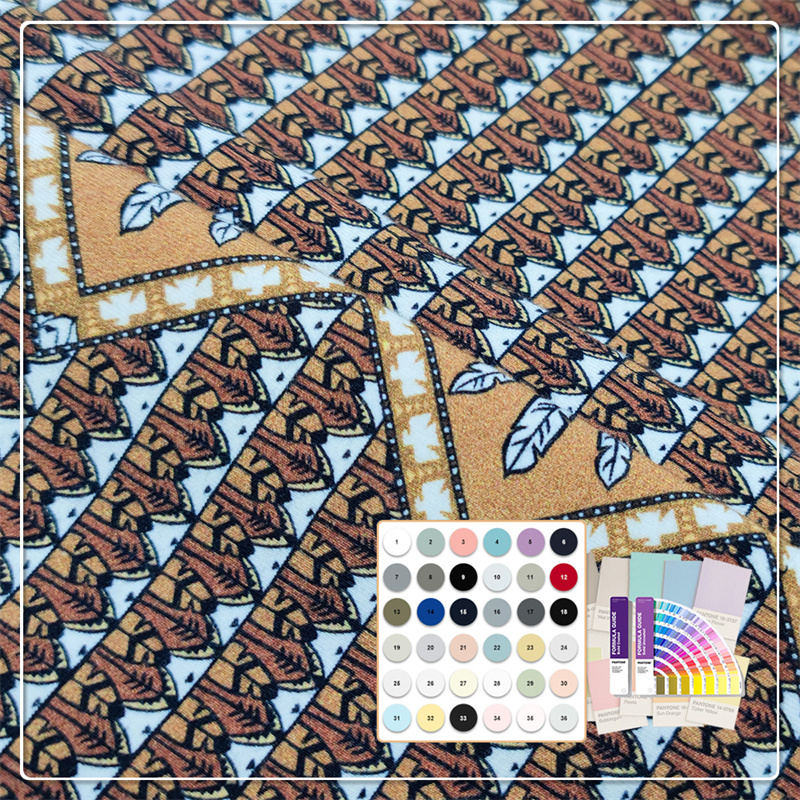
When selecting eco cotton clothes Products for wholesale, start by assessing the specific requirements of your target market. Consider factors such as the desired applications, styles, and consumer preferences. Key aspects to examine include fabric weight, texture, and color options. A diverse range of colors can enhance your product offering, while a variety of fabric weights can cater to different seasonal needs. 

Additionally, evaluate the supplier’s certifications. For example, Shaoxing City Ohyeah Textile Co., Ltd. holds OEKO-TEX, GOTS, OCS, and GRS certifications, which demonstrate a commitment to eco-friendly practices and product safety. This is crucial for ensuring that the materials used in the clothing are not only sustainable but also safe for consumers. 

Lastly, request samples before making a bulk order. This allows you to test the fabric’s quality, durability, and comfort, ensuring it aligns with your brand's standards. 

Our Blog Posts

How is Bamboo Made Into Fabric

14

Oct

How is Bamboo Made Into Fabric

Making the Ultra Soft Fabric from BambooBamboo fabric is a widely used material in the textile and fashion industry because of its natural softness, texture and warmth. At Ohyeah Textile Co., Ltd, we specialize in making use of the magic of bamboo fi...
View More
How bamboo fabric is made

04

Feb

How bamboo fabric is made

I am aware that bamboo fabric has swept the textile industry with its smooth touch, the technological breathing quality and some amazing eco-factors. In Shaoxing city Ohyeah Textile Co., Ltd. a registered producer of high quality bamboo fabrics we do...
View More
How Tencel Lyocell Improves Breathability in Modern Textile Applications

29

May

How Tencel Lyocell Improves Breathability in Modern Textile Applications

Today, breathability is not merely a perk in fabric, but a standard and expected characteristic for consumers wearing sportswear, loungewear, and general apparel. A breathable fabric allows the body to remain cool, dry, and comfortable...
View More
The Durability Performance of Tencel Modal in Knit Fabric Production

29

May

The Durability Performance of Tencel Modal in Knit Fabric Production

Durability is fundamental in quality knitwear. A fabric that is beautiful but falls apart after a few washes cannot satisfy today's consumers. Fiber selections with confirmed durability performance are important for knit fabric manufac...
View More

Get a Free Quote

Our representative will contact you soon.
Email
Name
Mobile/WhatsApp
Company Name
Message
0/1000

Get a Free Quote

Our representative will contact you soon.
Email
Name
Mobile/WhatsApp
Company Name
Message
0/1000