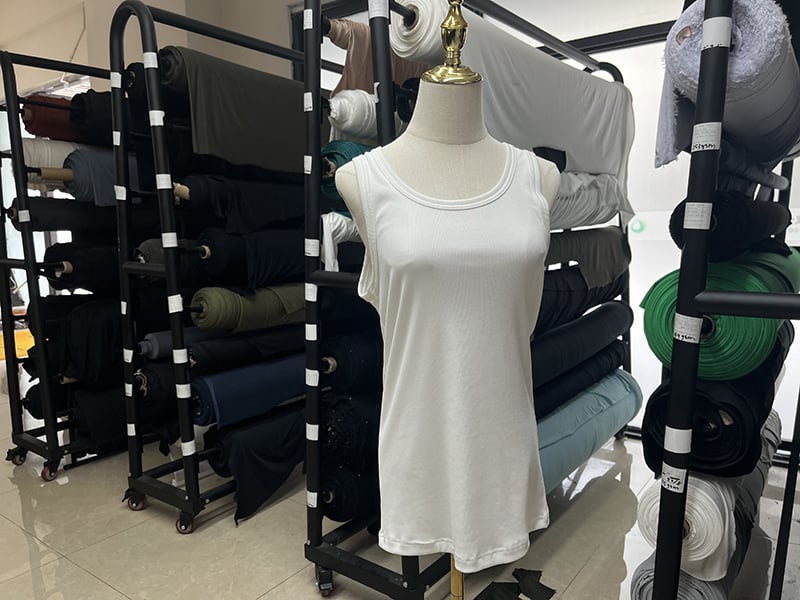
Eco-Friendly Fabrics for Sustainable Solutions

Get a Free Quote

Our representative will contact you soon.
Email
Name
Mobile/WhatsApp
Company Name
Message
0/1000

Eco friendly fabric

Eco-friendly fabrics are increasingly demanded in various industries as businesses prioritize sustainability. These fabrics, made from materials like bamboo, organic cotton, and recycled polyester, offer an environmentally responsible alternative to conventional textiles. For B2B buyers, the main concerns often revolve around sourcing reliable manufacturers, understanding product specifications, ensuring quality, and evaluating how these materials can be integrated into their operations. This article will provide insights into key specifications for eco-friendly fabrics, sourcing strategies, industry applications, installation guidance, and the advantages of using these sustainable materials.

Our Products

Where to Source Reliable Eco-Friendly Fabric Manufacturers

Sourcing reliable eco-friendly fabric manufacturers involves a strategic approach. Here are some steps to consider: 

Research and Networking: Utilize industry connections and trade shows to identify manufacturers specializing in eco-friendly textiles. Online platforms like Alibaba or industry-specific directories can also help locate potential suppliers. 

Evaluate Certifications: Ensure that manufacturers possess relevant certifications, such as OEKO-TEX or GOTS. This not only verifies their commitment to sustainable practices but also assures compliance with industry standards. 

Assess Production Capabilities: Consider manufacturers with a robust production capacity, such as those with multiple circular knitting machines and a high monthly output. A factory like Shaoxing City Ohyeah Textile Co., Ltd., with over 100 circular knitting machines and a monthly output of 200 tons, reflects a capability to meet large orders efficiently. 

Request Samples: Before committing to a supplier, request fabric samples to evaluate quality, feel, and performance. This step is crucial for ensuring that the fabric meets specific requirements for your applications. 

Check References: Ask for references from other clients who have sourced fabrics from the manufacturer to gauge their reliability, communication, and overall service quality. 

By following these steps, buyers can improve their chances of establishing a successful partnership with a manufacturer who aligns with their sustainability goals.

Solutions for Various Industries

Eco-friendly fabrics can serve a multitude of industries, each with specific requirements. Here’s how they can be tailored for different sectors: 

Apparel and Fashion: The fashion industry is a major consumer of eco-friendly fabrics. Materials like organic cotton and bamboo are popular for their soft textures and sustainable sourcing. Brands can leverage these materials to appeal to environmentally conscious consumers. 

Home Textiles: For home furnishings, eco-friendly fabrics can be used in curtains, upholstery, and bedding. The durability of recycled polyester makes it an ideal choice for high-use items, while organic cotton provides comfort and safety for bedding products. 

Sports and Activewear: The performance characteristics of eco-friendly fabrics, such as moisture-wicking and breathability, make them suitable for sportswear. Recycled polyester can provide the necessary durability while maintaining a lower environmental impact. 

Medical Textiles: The healthcare industry increasingly opts for eco-friendly fabrics for uniforms and linens. Ensuring these fabrics meet hygiene standards while being sustainably sourced can help healthcare providers enhance their sustainability initiatives. 

By understanding the unique demands of each industry, manufacturers can tailor their eco-friendly fabric offerings to meet specific needs, providing solutions that are both sustainable and functional.

Installation Guidance for Eco-Friendly Fabrics in Projects

When integrating Ohyeah eco-friendly fabrics into projects, proper installation is vital to maximizing their benefits. Here are some key considerations: 

Pre-Installation Checks: Ensure that the fabric is suitable for the intended application. This includes verifying dimensions, weight, and any specific treatment or finishing processes that may be necessary. 

Handling and Storage: Eco-friendly fabrics should be stored in a dry, cool environment to prevent any degradation. Proper handling during installation is crucial to avoid stretching or damaging the fabric. 

Installation Techniques: Depending on the application, different installation techniques may be required. For example, when using eco-friendly fabrics in upholstery, proper stretching and securing methods should be employed to ensure a neat finish and durability. 

Post-Installation Care: Educate users on the proper care of eco-friendly fabrics, including washing instructions and maintenance tips to prolong the life of the product. 

By following these guidelines, buyers can ensure that eco-friendly bamboo fabric factory are installed correctly, enhancing their longevity and performance.

The Advantages of Eco-Friendly Fabrics for Sustainable Projects

Investing in eco-friendly fabrics offers numerous advantages for businesses aiming to implement sustainable practices: 

Reduced Environmental Impact: Eco-friendly fabrics are made from sustainable materials and often involve less harmful chemical processes. This reduces the overall environmental footprint of the products made from these fabrics. 

Consumer Demand: There is a growing market for sustainable products. Offering eco-friendly fabrics can attract environmentally conscious consumers and enhance brand loyalty. 

Versatility and Performance: Eco-friendly fabrics do not sacrifice performance for sustainability. Many offer similar, if not superior, qualities compared to conventional fabrics, including durability, comfort, and aesthetic appeal. 

Regulatory Compliance: As regulations around sustainability become stricter, using eco-friendly materials can help businesses comply with environmental laws and standards. 

Positive Brand Image: Companies that prioritize sustainability can enhance their brand reputation, showcasing their commitment to environmental responsibility, which can lead to increased customer trust and loyalty. 

By leveraging these advantages, businesses can not only contribute to a healthier planet but also position themselves favorably in a competitive marketplace.  

In summary, eco-friendly fabrics present a significant opportunity for businesses seeking to integrate sustainability into their operations. Understanding the specifications, sourcing reliable manufacturers, and appreciating the applications and benefits of these viscose from bamboo fabric can empower purchasing managers and decision-makers to make informed choices that align with their sustainability goals.
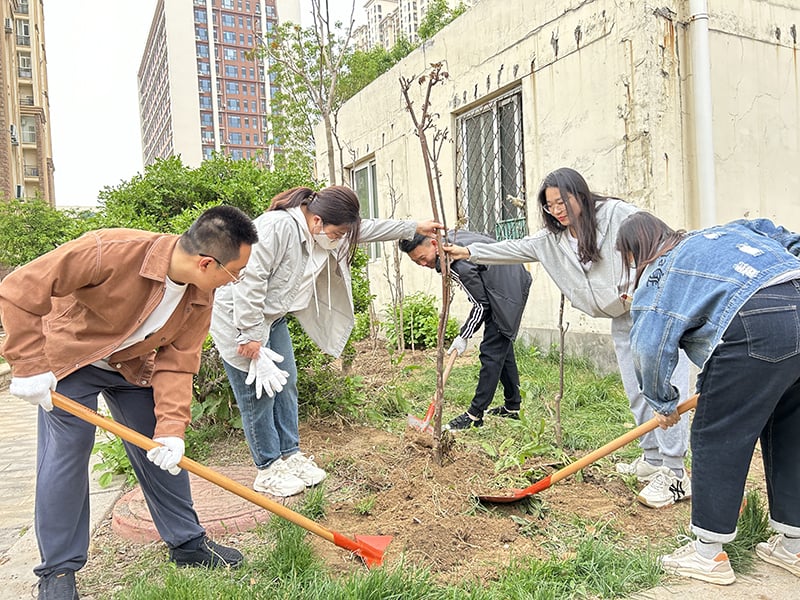
Key Specifications for Eco-Friendly Fabrics in Bulk Orders

When considering Ohyeah eco-friendly fabrics for bulk orders, several specifications are critical to ensuring they meet your needs. Key features include: 

Material Composition: Eco-friendly fabrics can be made from organic cotton, bamboo, or recycled polyester. Each material has unique properties; for example, organic cotton is breathable and soft, while recycled polyester offers durability and moisture-wicking capabilities. 

Color Fastness: A crucial specification is color fastness, which indicates how well a fabric retains its color after washing or exposure to light. Fabrics with a color fastness rating of level 4-5 are generally considered high quality, ensuring that the colors remain vibrant throughout their lifecycle. 

Shrinkage Rate: Buyers should look for fabrics with a shrinkage rate below 5%. This is essential for maintaining the integrity of the fabric during and after washing, ensuring that the final product meets dimensional requirements. 

Certifications: Certifications such as OEKO-TEX, GOTS (Global Organic Textile Standard), OCS (Organic Content Standard), and GRS (Global Recycled Standard) verify the sustainability and safety of the fabric materials. These certifications assure buyers of the environmental responsibility of the products they are sourcing. 

These specifications not only influence the quality of the bamboo lyocell fabric but also their suitability for various applications. Buyers should confirm these details with potential suppliers before placing orders.

Our Blog Posts

The Science of Bamboo Fabric: Manufacturing, History, and Eco-Impact

14

Jan

The Science of Bamboo Fabric: Manufacturing, History, and Eco-Impact

Eco-Science Briefing Often hailed as the "Queen of Fibers," bamboo fabric merges 1,700 years of Chinese heritage with modern Closed-loop Systems. Known for its "Bamboo Kun" antibacterial agent and a micro-porous structure that absorbs 1.5x more mois...
View More
How Tencel Lyocell Improves Breathability in Modern Textile Applications

29

May

How Tencel Lyocell Improves Breathability in Modern Textile Applications

Today, breathability is not merely a perk in fabric, but a standard and expected characteristic for consumers wearing sportswear, loungewear, and general apparel. A breathable fabric allows the body to remain cool, dry, and comfortable...
View More
The Growing Demand for Tencel Modal in Global Knit Fabric Markets

29

May

The Growing Demand for Tencel Modal in Global Knit Fabric Markets

Consumers,brands,and retailers are moving away from conventional fibers toward fibers which offer both performance and sustainability. Of many options,the growth in demand for Tencel Modal has been particularly strong. Shaoxing City Ohyeah Texti...
View More
Why Tencel Modal Is Popular Among Premium Clothing Brands

29

May

Why Tencel Modal Is Popular Among Premium Clothing Brands

The secret to many premium brands lies in offering something truly exceptional. From an exquisite hand feel to an incredible drape or an environmentally responsible story to tell, every nuance matters. Tencel Modal has long been a favored fiber among...
View More

Get a Free Quote

Our representative will contact you soon.
Email
Name
Mobile/WhatsApp
Company Name
Message
0/1000

Get a Free Quote

Our representative will contact you soon.
Email
Name
Mobile/WhatsApp
Company Name
Message
0/1000