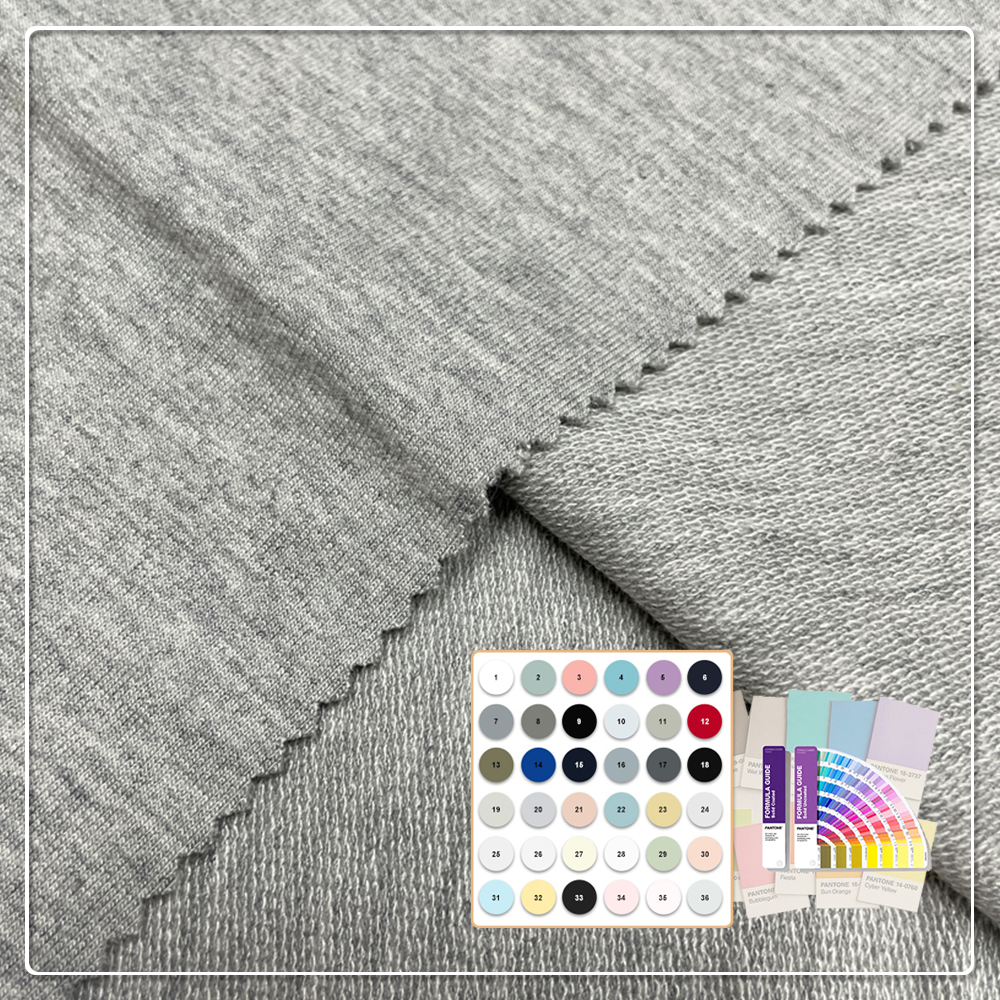
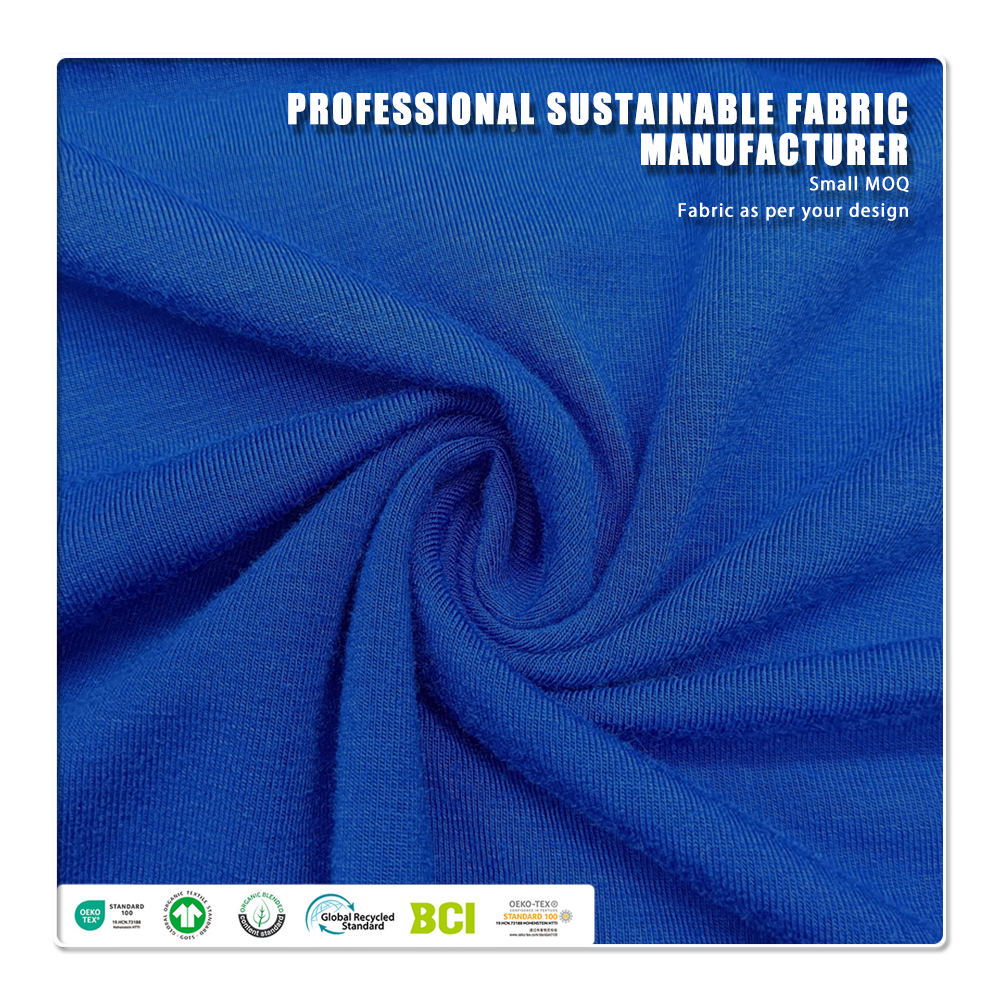
Choosing Eco-Friendly Textiles for Your Projects

Get a Free Quote

Our representative will contact you soon.
Email
Name
Mobile/WhatsApp
Company Name
Message
0/1000

Eco friendly textile

Eco-friendly textiles are becoming increasingly important in the manufacturing industry as businesses and consumers prioritize sustainability. Buyers looking for eco-friendly knitted fabrics must consider several factors, including material types, quality, and cost. With manufacturing and customers beginning to focus more heavily on sustainability, eco-friendly textiles are gaining popularity. When searching for eco-friendly knitted fabrics, these are some of the things you need to think about; Material types, quality, and cost. This article aims to help purchasing managers, distributors, and product managers understand how to choose the right eco-friendly Ohyeah sustainable fabrics textiles for their projects, evaluate quality, and comprehend the advantages of various materials. 

Our Products

Key Specifications for Eco-Friendly Knitted Fabrics Explained

When evaluating eco-friendly knitted fabrics, several key specifications are crucial: 

Material Composition: The fabric's material significantly influences its performance. For example, bamboo and organic cotton offer moisture-wicking properties, while recycled polyester provides strength and durability. 

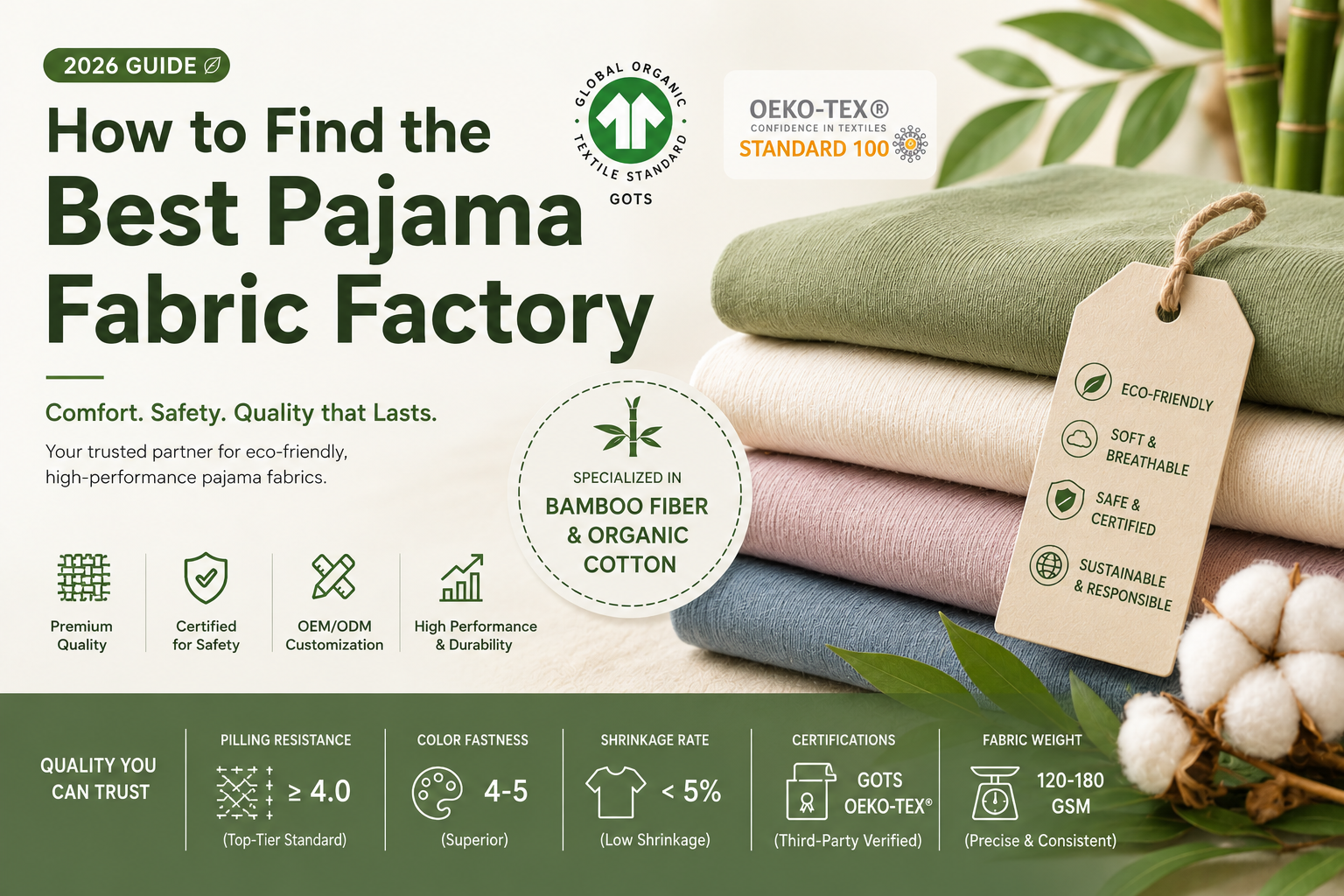
Color Fastness: This measures the fabric's ability to retain color when exposed to washing, light, and other conditions. A color fastness level of 4-5 is generally acceptable for most applications. 

Shrinkage: Understanding shrinkage levels is essential, especially for clothing production. Fabrics with shrinkage below 5% are preferable, as they maintain their size and fit after washing. 

Weight and Thickness: These specifications affect the fabric's drape and overall appearance. Lighter fabrics may be more suitable for summer apparel, while heavier options can be used for winter wear. 

By confirming these specifications with the manufacturer, buyers can ensure that the chosen textile meets their project needs. 
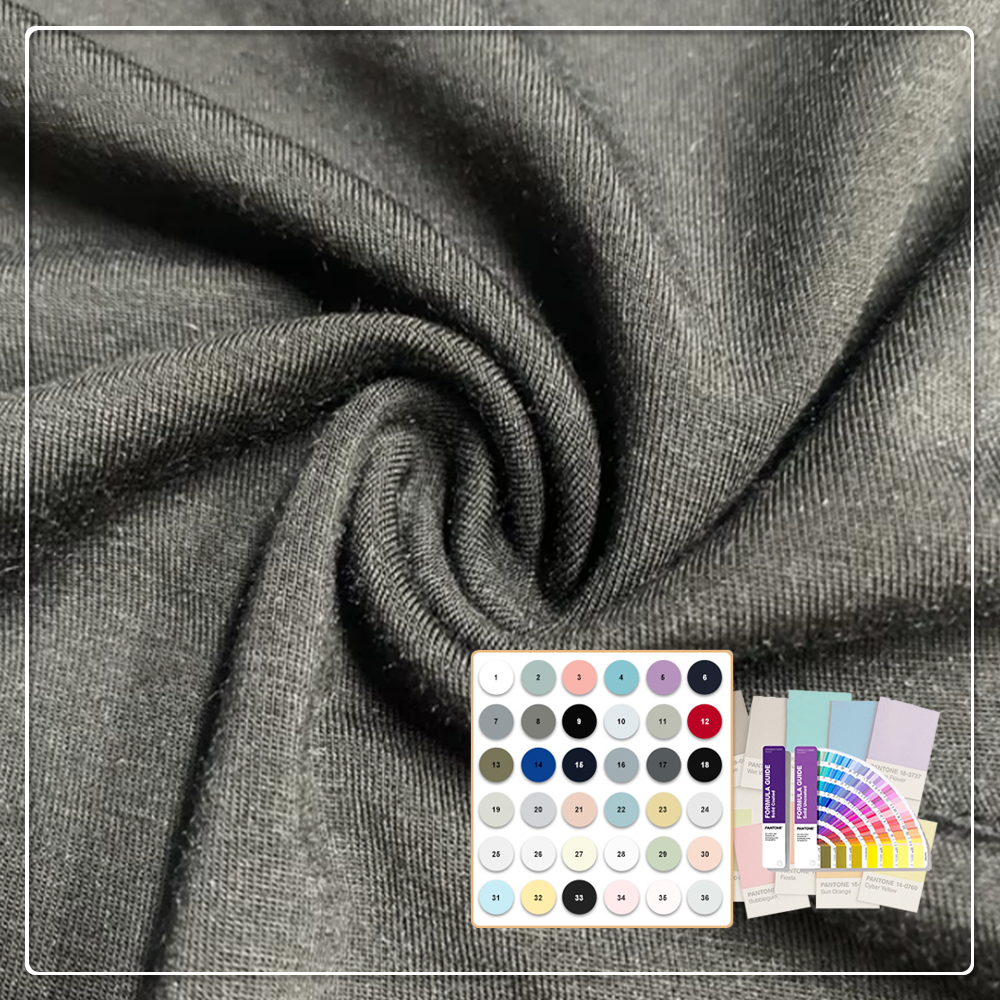
Evaluating the Quality of Eco-Friendly Textiles for Bulk Orders

Quality evaluation is critical when purchasing eco-friendly textiles in bulk. Buyers should request samples before committing to large orders. This allows for an assessment of the fabric's texture, weight, and overall appearance. It's advisable to check the following during the sample evaluation: 

Surface Appearance: Inspect the fabric for inconsistencies or defects, such as snags or discoloration. 

Stretch and Recovery: For knitted fabrics, it’s essential to test their stretchability and recovery. This ensures the fabric will maintain its shape after use. 

Durability: Conduct basic tests, such as rubbing and stretching, to assess how the fabric holds up under stress. 

In addition, buyers should inquire about the manufacturer's quality control processes. A reliable supplier, like Shaoxing City Ohyeah Textile Co., Ltd., will have stringent quality checks in place to ensure that all bamboo textile fabric meet specified standards before shipment. 

Cost Factors to Consider When Purchasing Eco-Friendly Fabrics

The cost of eco-friendly textiles can vary significantly based on several factors. Key considerations include: 

Material Type: Different materials have varying costs. Organic cotton and bamboo may be more expensive than conventional polyester due to their sustainable production methods. 

Order Quantity: Many manufacturers offer tiered pricing, where larger orders result in lower per-unit costs. Understanding the minimum order quantity (MOQ) is crucial for budgeting. 

Customization Options: Custom colors, patterns, or fabric finishes may incur additional costs. Buyers should clearly communicate their needs to the supplier to obtain accurate quotes. 

Shipping and Handling: International shipping can significantly impact overall costs. It’s important to consider shipping fees, customs duties, and delivery timelines when budgeting for a purchase. 

By carefully evaluating these factors, buyers can make informed decisions that align with their budget constraints while still prioritizing sustainability. 

Understanding Material Advantages of Eco-Friendly Textiles

Eco-friendly textiles offer several advantages that make them appealing to manufacturers and consumers alike:

Sustainability: Ohyeah bamboo textile fabrics made from renewable resources, such as bamboo and organic cotton, reduce environmental impact by minimizing reliance on synthetic materials. 

Health and Safety: Eco-friendly textiles are typically produced without harmful chemicals, making them safer for consumers. This is particularly important for products intended for children or sensitive skin. 

Performance: Many eco-friendly materials, like recycled polyester, provide excellent durability and performance characteristics. This means they can withstand the rigors of daily use while maintaining their aesthetic appeal. 

Market Demand: As consumer awareness of environmental issues grows, the demand for sustainable products increases. By offering eco-friendly textiles, businesses can cater to this market trend and enhance their brand image. 

When considering eco-friendly textiles for your projects, understanding these material advantages will help ensure that your selection aligns with both sustainability goals and quality expectations. 

How to Choose Eco-Friendly Textile for Your Next Project

When selecting an eco-friendly textile, it’s essential to consider the materials used, such as bamboo, organic cotton, and recycled polyester. Each material offers unique benefits. Bamboo, for instance, is known for its softness and breathability, making it ideal for apparel. Organic cotton is grown without harmful chemicals, ensuring a more sustainable production process. Recycled polyester helps reduce waste by repurposing plastic bottles and other materials. Consumers should consider what they will be using the textile for. In the case of clothing, comfort, durability, and breathability are major factors, while home textiles might focus on the appearance and color fastness. Knowing this will help you decide which type of fabric to choose. 

Furthermore, buyers should assess the intended application of the textile. For garments, factors like comfort, durability, and breathability are critical. In contrast, fabrics for home textiles may prioritize aesthetics and colorfastness. Understanding the specific requirements of your project will guide you in selecting the most suitable fabric. 

Our Blog Posts

Can you print on bamboo fabric

04

Feb

Can you print on bamboo fabric

I am aware that with the ongoing increase in popularity of sustainable fashion, and environmentally-friendly materials, bamboo fabric has become one of the newest favorites due to its unrivaled softness, breathability, and environmental friendly natu...
View More
How bamboo fabric is made

04

Feb

How bamboo fabric is made

I am aware that bamboo fabric has swept the textile industry with its smooth touch, the technological breathing quality and some amazing eco-factors. In Shaoxing city Ohyeah Textile Co., Ltd. a registered producer of high quality bamboo fabrics we do...
View More
Top Pajama Fabric Factory Recommendation Guide 2026: Sourcing the Best Materials

08

May

Top Pajama Fabric Factory Recommendation Guide 2026: Sourcing the Best Materials

Executive Summary: How to Find the Best Pajama Fabric Factory Finding a top pajama fabric factory means looking for more than just a low price. The best factories focus on three things: comfort, safety, and quality that lasts. According to the latest...
View More
How Tencel Lyocell Supports Moisture Control in Textile Applications

29

May

How Tencel Lyocell Supports Moisture Control in Textile Applications

Moisture management is the most important performance property for textiles today. Sweaty, clingy textiles will leave the wearer cold, irritated, or susceptible to skin ailments. The wearers of moisture management fabrics will remain dry and com...
View More

Get a Free Quote

Our representative will contact you soon.
Email
Name
Mobile/WhatsApp
Company Name
Message
0/1000

Get a Free Quote

Our representative will contact you soon.
Email
Name
Mobile/WhatsApp
Company Name
Message
0/1000