Choosing Reliable Fabric Suppliers for Wholesale Orders

Get a Free Quote

Our representative will contact you soon.
Email
Name
Mobile/WhatsApp
Company Name
Message
0/1000

Fabric suppliers

When sourcing fabrics for commercial applications, choosing the right fabric suppliers is critical for ensuring quality, sustainability, and reliability. This article will delve into essential considerations for B2B buyers, particularly those fabric suppliers in manufacturing, purchasing, and product management roles. By understanding key specifications, common challenges in fabric sourcing, and the advantages of eco-friendly materials, purchasing managers can make informed decisions that align with their operational needs and ethical standards. Evaluating supplier certifications, production capacity, delivery timelines, and pricing structures also helps businesses maintain consistent product quality while building long-term, reliable sourcing partnerships.  

  

Our Products

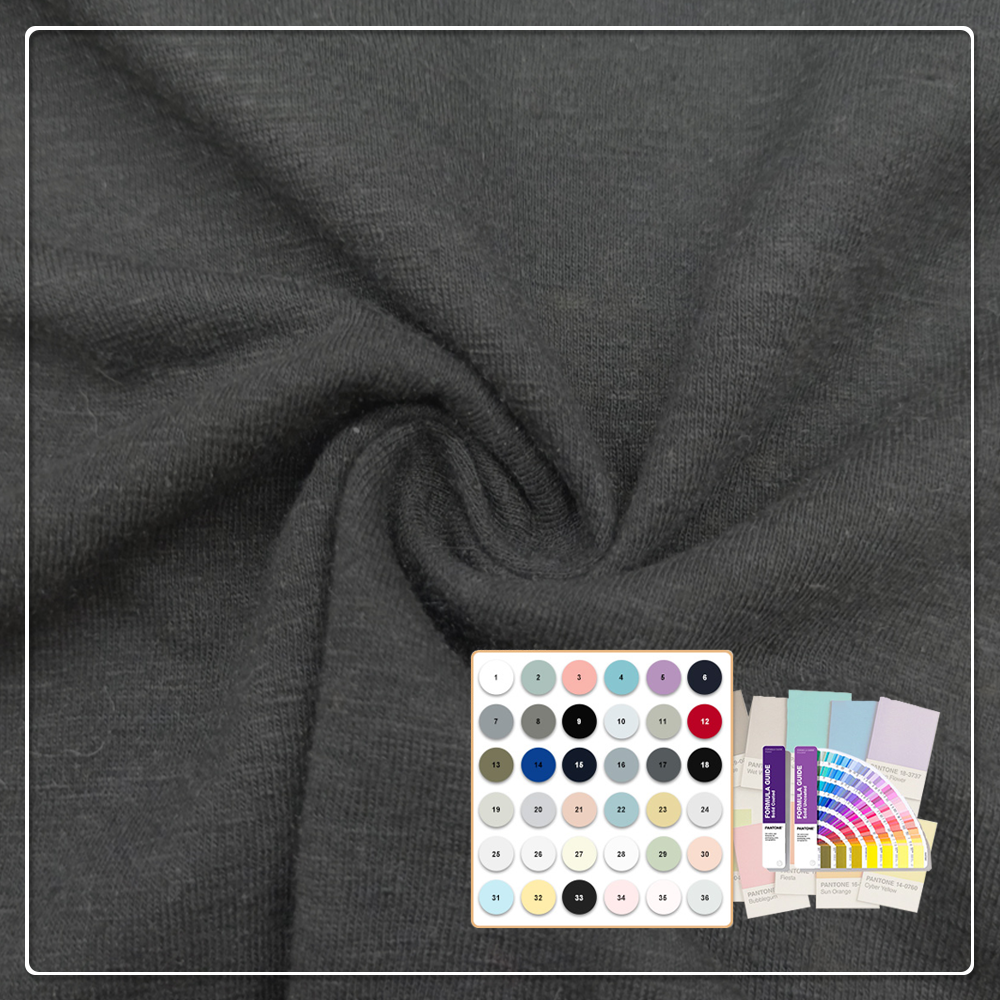
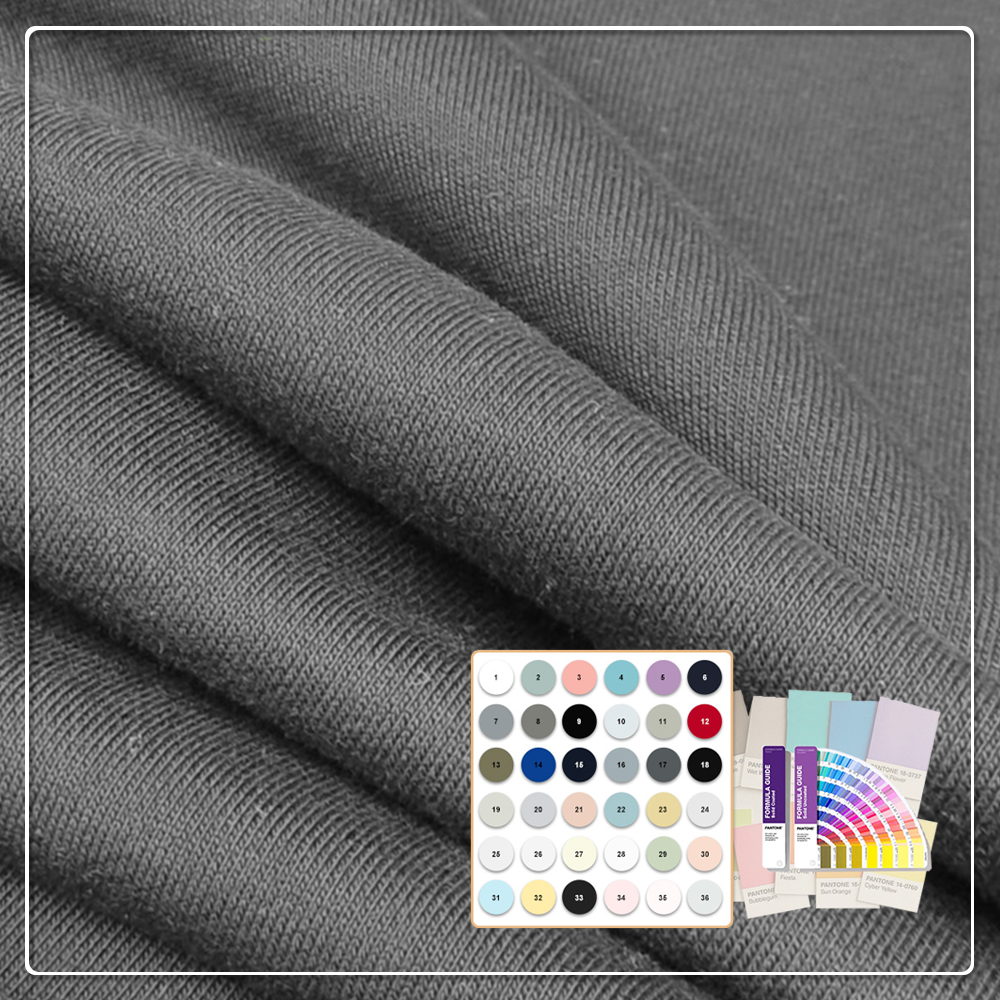
Specifications for Knitted Materials

Understanding the specifications of knitted materials is essential for ensuring they meet application requirements. Key specifications include: 

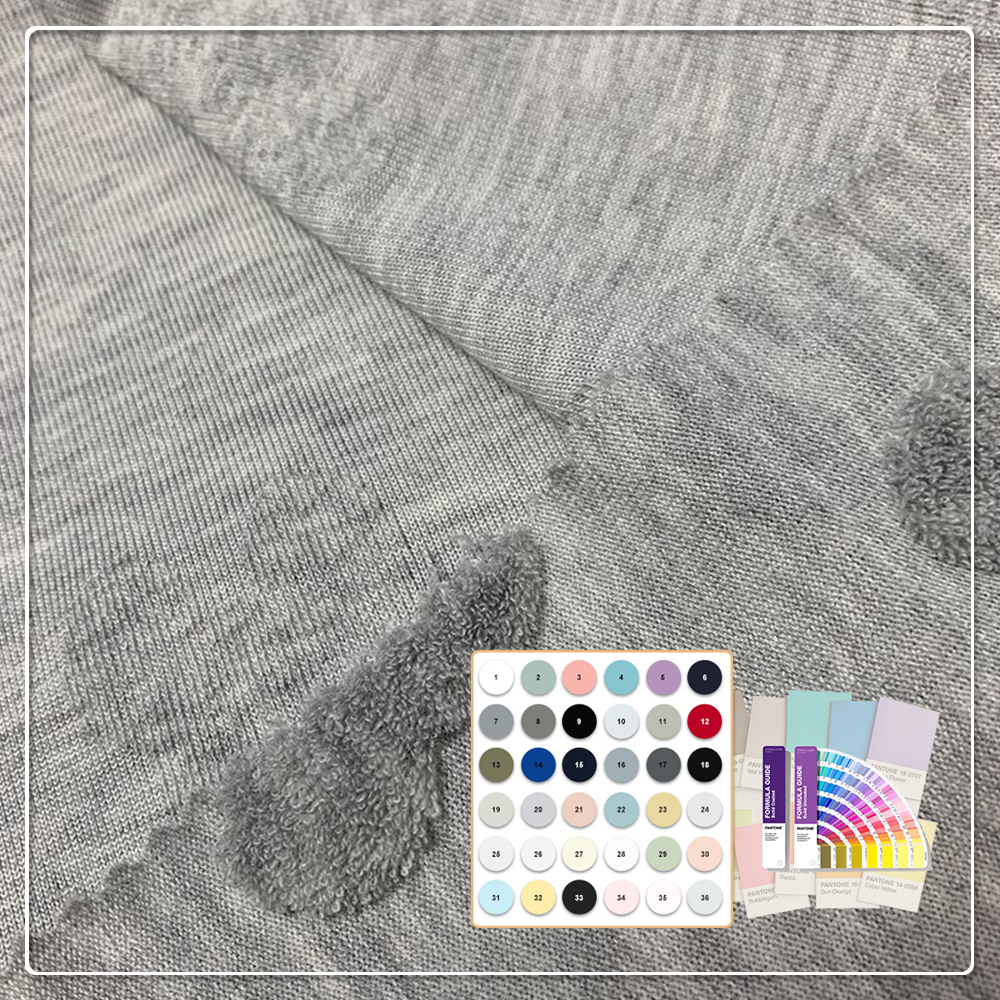
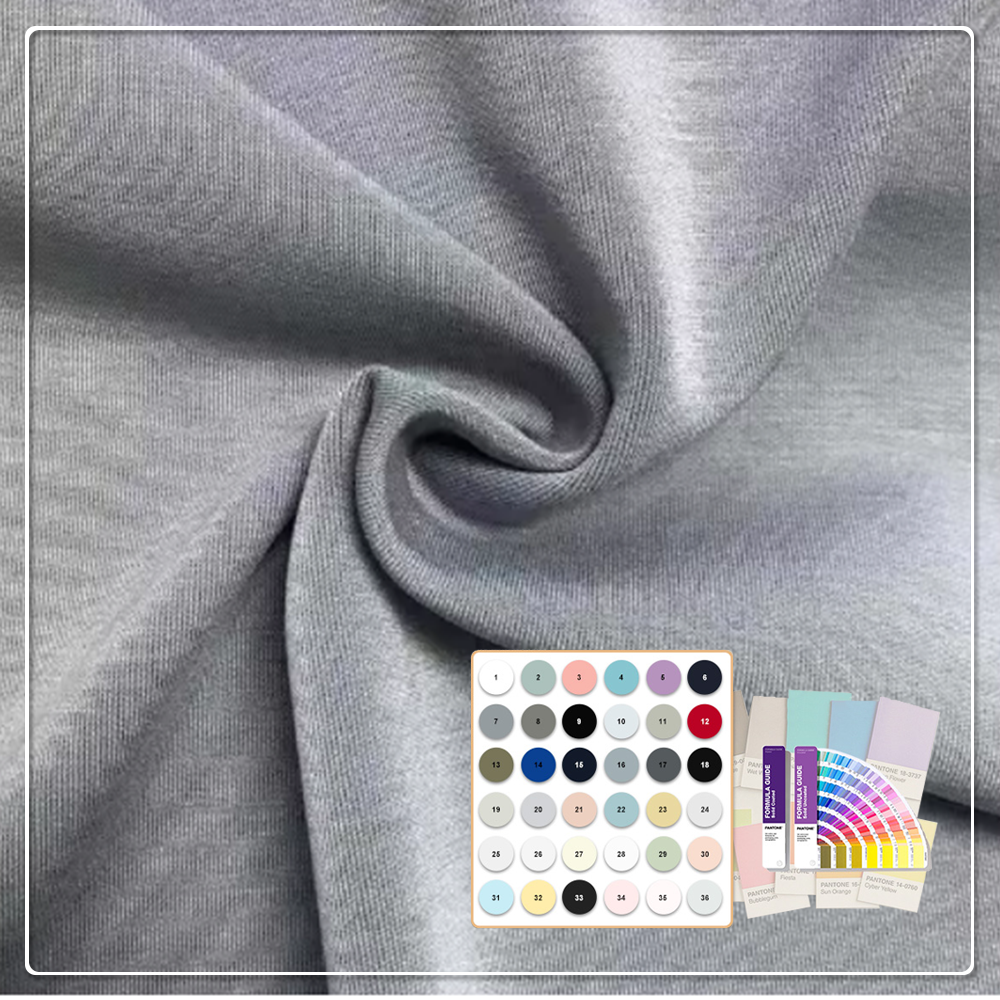
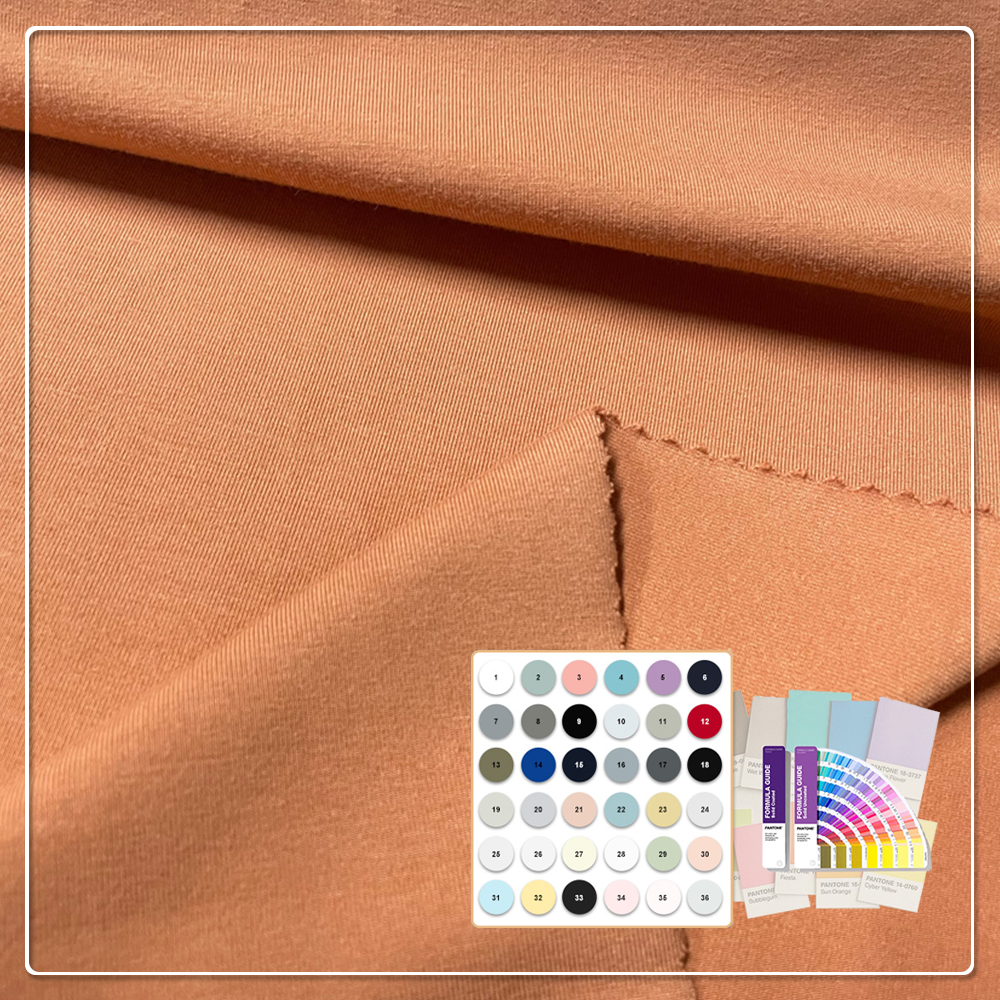
Material Composition: Fabrics can be made from various fibers, such as bamboo, organic cotton, or recycled polyester. Each material has unique properties,  affecting its performance, feel, and environmental impact. 

Weight and Thickness: The weight of the fabric, typically measured in grams per square meter (GSM), influences its durability and application suitability. Lighter fabrics may be more suitable for garments, while heavier fabrics could be better for upholstery or industrial applications. 

Color Fastness and Shrinkage: The bamboo cotton fabric suppliers color fastness rating, ideally between levels 4-5, indicates how well the fabric retains its color after washing and exposure to light. Shrinkage should be below 5% to ensure the fabric suppliers fabric maintains its dimensions post-wash, which is crucial for garment production. 

Understanding these specifications allows buyers to choose fabrics that not only meet aesthetic requirements but also perform effectively in their intended applications. 

Common Problems with Fabric Sourcing and Effective Solutions

B2B buyers often face challenges when sourcing fabrics, including inconsistent quality, supply chain disruptions, and miscommunication regarding specifications. To mitigate these issues, consider the following strategies: 

Sample Approval: Always request samples before placing large orders. A sample allows buyers to evaluate the fabric's quality, feel, and performance under actual operating conditions. This step is crucial to prevent costly mistakes in mass production. 

Clear Communication: Establish clear communication channels with suppliers. Outline specifications, lead times, and quality expectations upfront to reduce the likelihood of misunderstandings. Regular check-ins during production can help address issues promptly. 

Contingency Planning: Develop a contingency plan for supply chain disruptions. This fabric suppliers could involve identifying alternative suppliers or maintaining a buffer stock to meet sudden demand spikes. 

By proactively addressing these common problems, purchasing managers can enhance their sourcing strategies and ensure a more reliable supply chain. 

Advantages of Recycled Polyester Materials

Recycled polyester is gaining popularity among manufacturers and consumers due to its environmental benefits. Some of the key advantages include: 

Sustainability: Recycled polyester is made from post-consumer plastics, reducing waste and the need for virgin materials. This aligns with growing consumer preferences for eco-friendly products. 

Durability: Fabrics made from recycled polyester are often as durable as those  fabric suppliers made from virgin polyester, offering excellent strength and longevity. This makes it suitable for both fashion and functional applications. 

Moisture-Wicking Properties: Recycled polyester typically exhibits moisture-wicking properties, making it an excellent choice for active wear and other applications requiring breath ability.  

By opting for recycled polyester, businesses can contribute to sustainability goals while maintaining high product quality. 

Installation Guidance for Eco-Friendly Fabrics in Various Applications

When working with eco-friendly fabrics, proper installation is crucial to maximize their benefits. Here are some guidelines: 

Pre-Wash Fabrics: Before installation, pre-washing eco-friendly fabrics can help remove any residual chemicals from the manufacturing process and minimize future shrinkage. 

Proper Handling: Handle fabrics with care to avoid damage. Eco-friendly materials may be fabric suppliers  more sensitive to harsh conditions, so using appropriate tools and techniques during installation is essential. 

Adhesive Selection: If using adhesives for installation (e. g., in upholstery), choose eco-friendly options that do not emit harmful VOCs. This not only maintains the fabric's integrity but also enhances the overall sustainability of the project. 

Maintenance Instructions: Provide end-users with clear maintenance instructions tailored to the specific wholesale bamboo fabric suppliers. This ensures longevity and optimal performance, particularly for fabrics like bamboo and organic cotton, which may require special care. 

By adhering to these installation guidelines, companies can ensure that their eco-friendly fabrics perform well and meet customer expectations for both quality and sustainability. 

What to Look for in a Reliable Fabric Supplier for Wholesale Orders

When evaluating fabric suppliers, several critical factors should be weighed. First, ensure the supplier holds relevant certifications, such as OEKO-TEX, GOTS, OCS,  and GRS. These certifications indicate a commitment to sustainability and environmental responsibility, which can be crucial for brands looking to improve their eco-friendly offerings. Next, assess the supplier's manufacturing capabilities. For example, Shaoxing City Ohyeah Textile Co., Ltd. operates over 100 circular knitting machines, with a monthly output of 200 tons. This bamboo fabric suppliers level of capacity is vital for meeting bulk orders on time. Additionally, inquire about their quality control processes. A robust quality assurance system can help prevent defects and ensure that the fabric suppliers fabrics meet the required standards for color fastness and shrinkage. Finally, consider the supplier's flexibility in customization. Many businesses require specific colors, patterns, or fabric compositions. A supplier that can accommodate custom requests will likely be more valuable in the long term, as they can better cater to evolving market demands and client specifications. 

Our Blog Posts

Bamboo Fabric Manufacturer Partnerships for Sustainable Textile Projects

04

Feb

Bamboo Fabric Manufacturer Partnerships for Sustainable Textile Projects

Collaborate with Leading Bamboo Fabric Suppliers to Develop Your Eco-friendly Textile Collection As a sustainable bamboo fabric manufacturer, consulting and solutions provider, Shaoxing City Ohyeah textile Co., Ltd. is collaborating with the leading ...
View More
How Tencel Lyocell Improves Breathability in Modern Textile Applications

29

May

How Tencel Lyocell Improves Breathability in Modern Textile Applications

Today, breathability is not merely a perk in fabric, but a standard and expected characteristic for consumers wearing sportswear, loungewear, and general apparel. A breathable fabric allows the body to remain cool, dry, and comfortable...
View More
How Tencel Modal Fabric Enhances Softness in Everyday Apparel

29

May

How Tencel Modal Fabric Enhances Softness in Everyday Apparel

Everyday clothing is defined by the comfort it provides during daily wear. A soft feeling against the skin is not just desired but necessity,from dawn to dusk. Say goodbye to scratchy,uncomfortable clothes in your e...
View More
Why Tencel Lyocell Meets the Needs of Eco-Conscious Apparel Brands

29

May

Why Tencel Lyocell Meets the Needs of Eco-Conscious Apparel Brands

Making sustainable clothing is no small feat. Eco-friendly brands need materials that are truly sustainable while still delivering comfort, quality, and performance. Lots of 'green' materials have one or more major weaknesses that are overlooked or m...
View More

Get a Free Quote

Our representative will contact you soon.
Email
Name
Mobile/WhatsApp
Company Name
Message
0/1000

Get a Free Quote

Our representative will contact you soon.
Email
Name
Mobile/WhatsApp
Company Name
Message
0/1000