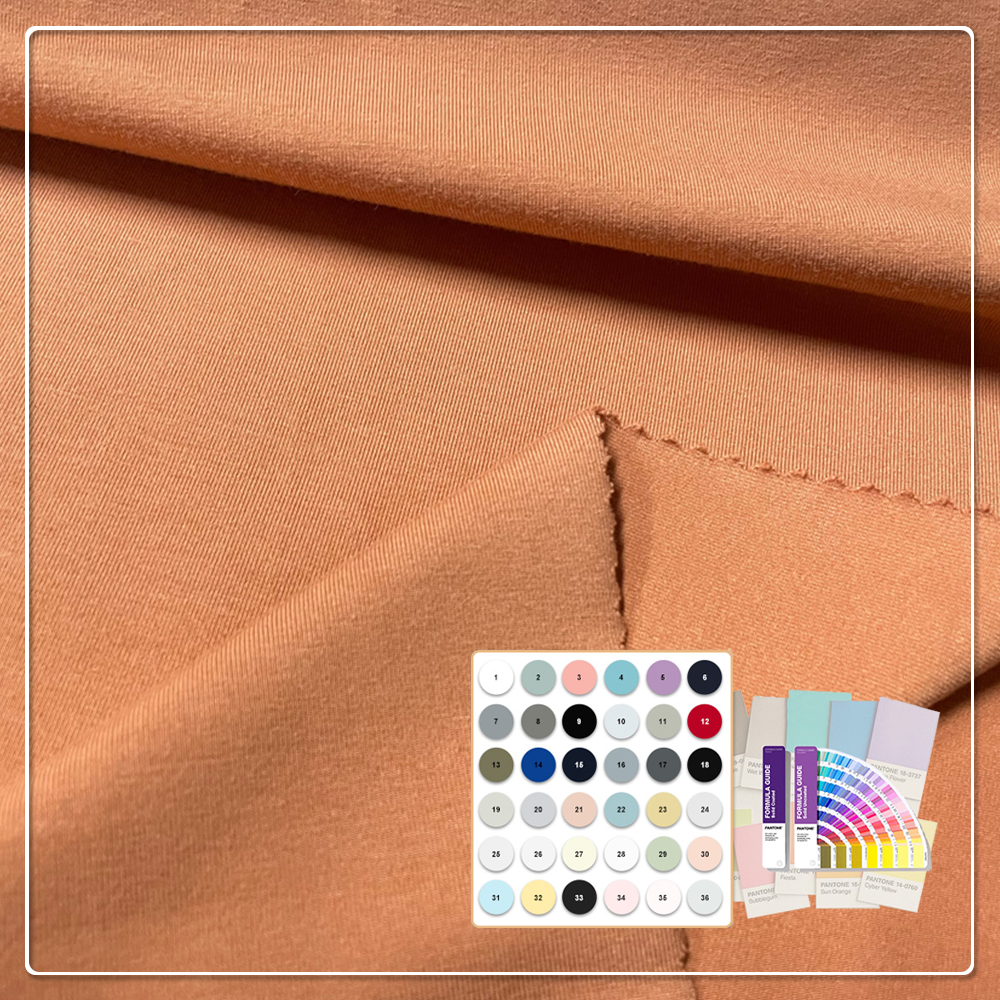
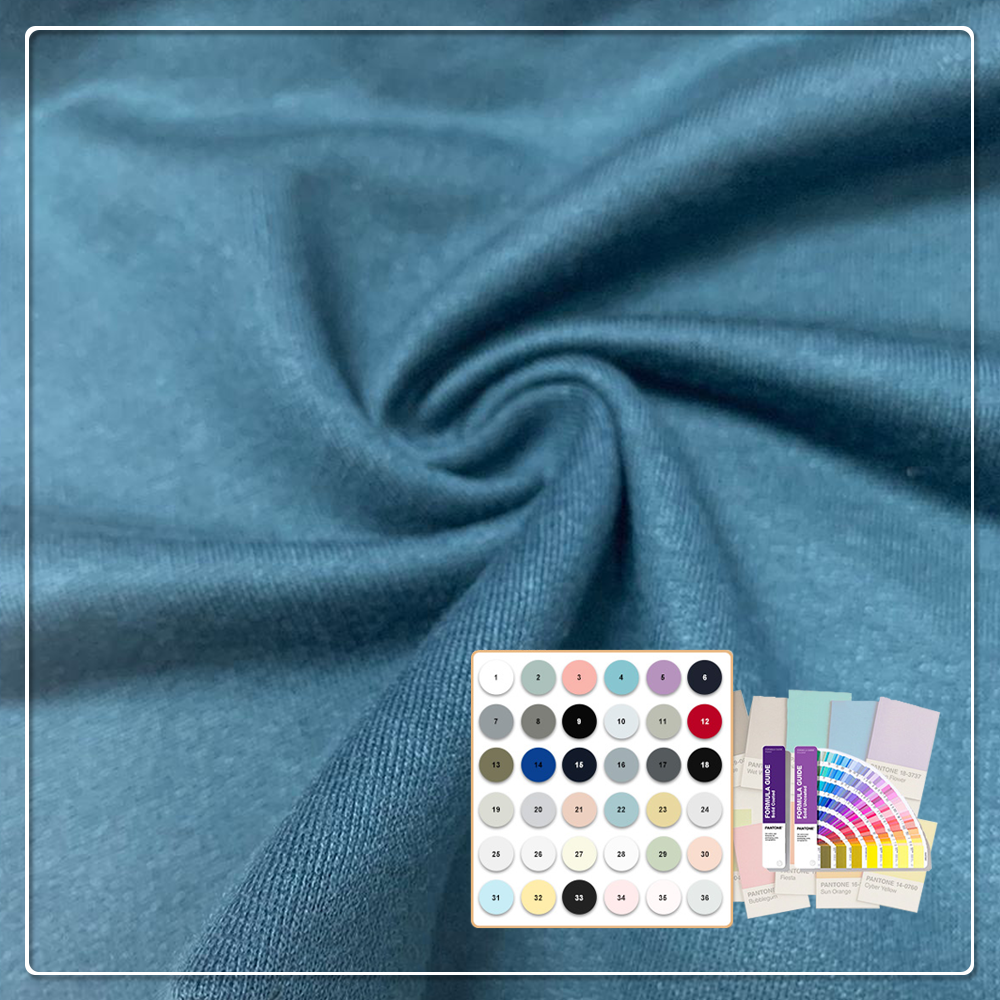
Floral Print Cotton Dress Material for Wholesale Orders

Get a Free Quote

Our representative will contact you soon.
Email
Name
Mobile/WhatsApp
Company Name
Message
0/1000

floral print cotton dress material

Floral print cotton dress material is an increasingly popular choice for manufacturers and retailers looking to provide stylish, comfortable, and eco-friendly clothing options. This fabric combines the natural softness and breathability of cotton with vibrant floral patterns, making it ideal for a variety of applications, including dresses, skirts, and other garment types. As a purchasing manager or product manager, you may have specific concerns regarding material quality, sourcing, and production processes. This article will guide you through essential specifications, cost factors, sourcing options, and common challenges associated with floral print cotton dress material, enabling you to make informed purchasing decisions.

Understanding Cost Factors for Wholesale Floral Print Cotton Dresses

Cost factors for wholesale floral print cotton dresses can vary significantly based on several elements. The type of cotton used is a primary determinant; organic cotton or recycled cotton may incur higher initial costs due to the sustainable farming and manufacturing processes involved. Moreover, the complexity of the floral designs and the printing methods employed will also influence the final cost. For instance, intricate, multi-colored designs typically require more advanced printing techniques, which can increase the price.

Minimum Order Quantity (MOQ) plays a vital role in pricing as well. Suppliers often have a set MOQ, and purchasing in larger quantities can lead to reduced per-unit costs. However, it is essential to balance cost savings with your anticipated sales to avoid excess inventory.

Finally, consider the logistics of shipping and handling costs. Import tariffs and shipping fees can add to the overall expense, especially if sourcing from international vendors. Working with a manufacturer that has a well-established supply chain can help mitigate some of these costs.
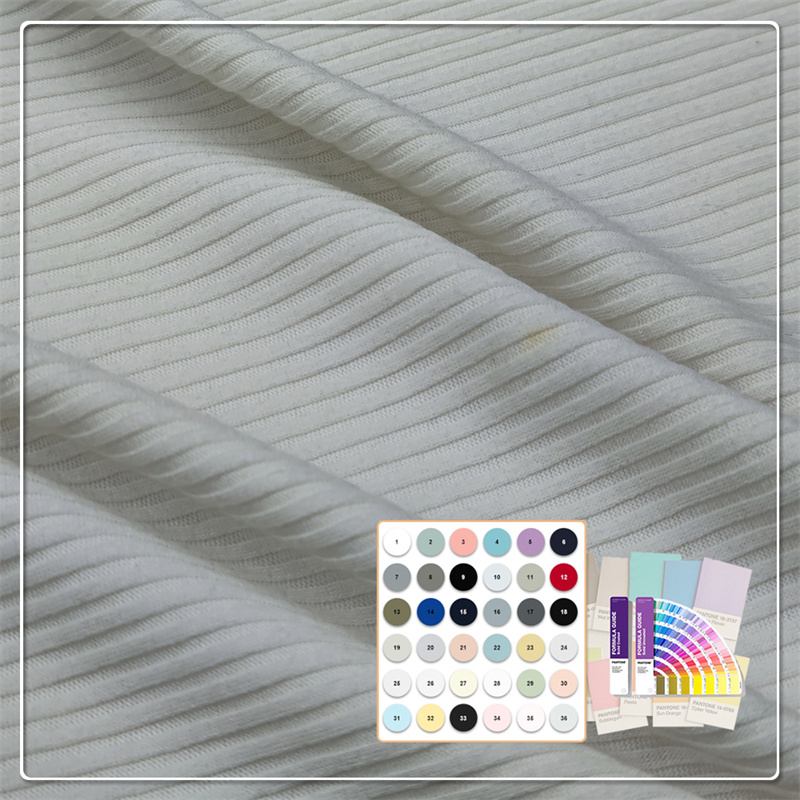
Finding Trusted Sources for Cotton Fabrics

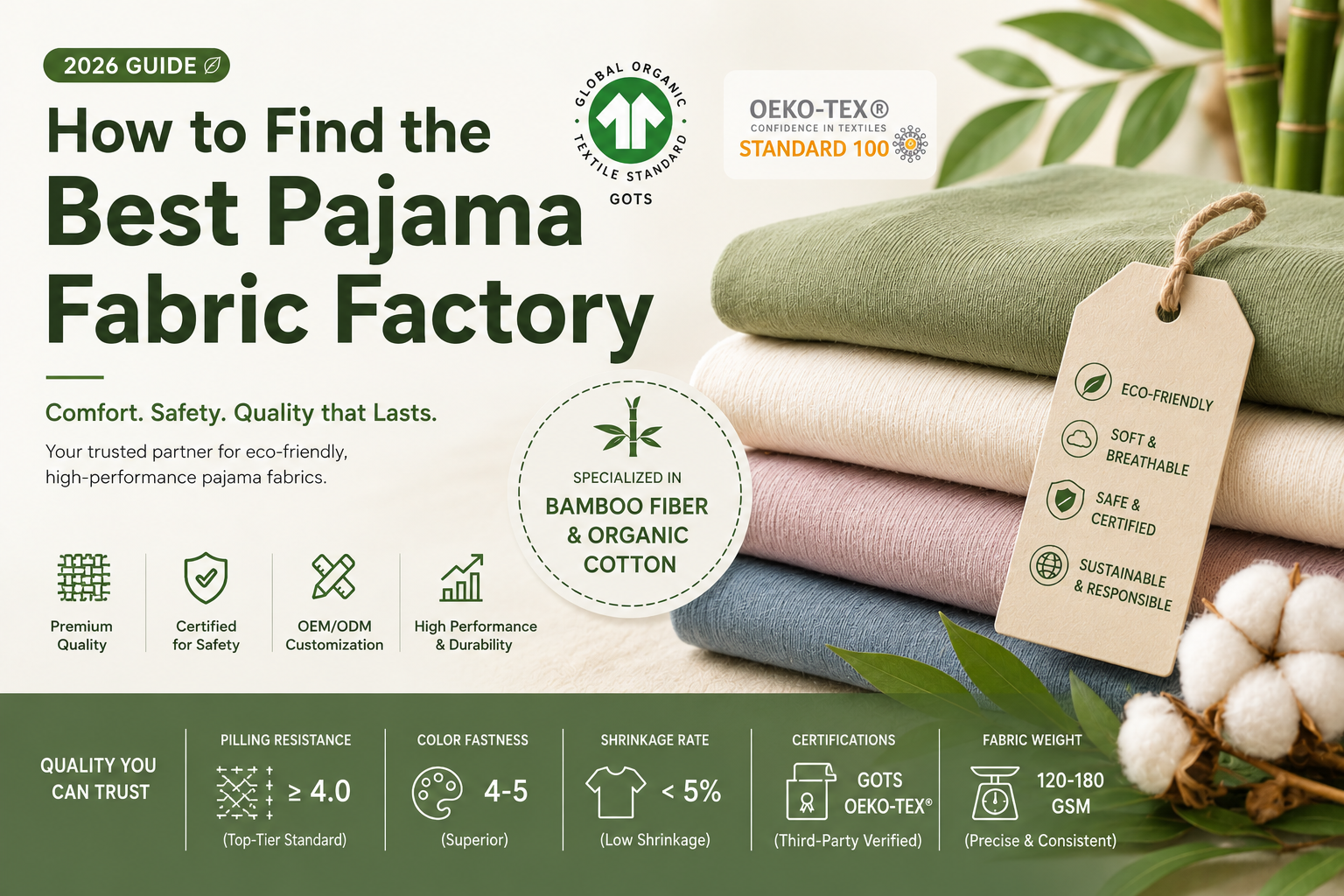
Sourcing floral print cotton dress material requires careful consideration of the supplier's reliability and capabilities. Start by seeking out manufacturers with recognized certifications such as OEKO-TEX, GOTS, OCS, and GRS, which ensure adherence to environmental and social standards. These certifications provide assurance that the materials are produced sustainably and ethically.

It is also beneficial to request samples before making a bulk order. Testing samples allows you to assess the fabric's quality, durability, and print accuracy, ensuring it meets your standards. In addition, look for manufacturers with a robust quality control process. At Shaoxing City Ohyeah Textile Co., Ltd., for example, a dedicated quality control team monitors each stage of production, from initial fabric creation to final inspection, ensuring that the final product meets the highest standards.

Networking within industry-specific trade shows or associations can also help you identify reputable suppliers. Engaging with other professionals in the industry can yield recommendations and insights regarding the best sources for cotton fabrics.

Installation Guidance for Floral Print Cotton Dress Material Projects

While floral print cotton dress material is primarily used in garment manufacturing, understanding how to handle and prepare the fabric for installation in various projects is essential. First, ensure that the fabric is pre-washed before cutting and sewing. This step helps remove any residual chemicals from the manufacturing process and minimizes the chance of shrinkage after the garment is completed.

When cutting the fabric, consider the print orientation and pattern alignment. Accurate cutting is crucial for maintaining the integrity of the floral design, especially when matching seams or ensuring that patterns flow seamlessly across different garment sections.

Sewing techniques are equally important. Use appropriate needle types and thread that match the fabric's weight and stretch characteristics. For floral print cotton, a universal needle and cotton thread are generally suitable. Additionally, employing techniques such as stay-stitching or using stabilizers can help prevent fabric distortion during the sewing process.

Finally, ensure that the finishing processes, such as hems and seams, are executed with care. A clean finish not only enhances the garment's appearance but also contributes to its longevity.

Common Problems with Floral Print Cotton and Effective Solutions

Despite its many advantages, floral print cotton dress material can present several challenges during the production process. One common issue is fabric fading, particularly for vibrant prints. To mitigate this, ensure that the dyeing and printing processes utilize high-quality dyes with good color fastness ratings. Additionally, educate your end-users on proper washing techniques to preserve the fabric's appearance.

Another challenge is the potential for fabric distortion during cutting and sewing. This often occurs due to the fabric's stretch properties or improper handling. To avoid this issue, it is advisable to utilize cutting techniques that account for the fabric's grain direction and to handle the fabric gently throughout the production process.

Finally, quality control is essential to address defects such as uneven printing or flaws in the fabric. Establishing a robust inspection process that includes checking samples and finished garments can help catch issues early, reducing waste and ensuring customer satisfaction.

By familiarizing yourself with these common challenges and implementing effective solutions, you can enhance the quality of your floral print cotton dress material products and ensure a successful manufacturing process.

Key Specifications for Floral Print Cotton Dress Material in Bulk Orders

When considering floral print cotton dress material for bulk orders, several key specifications should be evaluated. First, the material itself is crucial; look for fabrics made from high-quality cotton, ideally organic cotton fabric to align with sustainable practices. The weight of the fabric is also important; lighter weights (around 130-150 grams per square meter) are suitable for summer dresses, while heavier weights (200 grams or more) can be used for autumn or winter clothing.

Color fastness is another specification to consider, as it indicates how well the fabric holds dyes when washed. Floral print cotton dress material typically has a color fastness rating of 4-5, which means it can withstand multiple washes without significant fading. Additionally, you should check the shrinkage percentage; quality materials will have shrinkage below 5%, ensuring that finished garments maintain their intended fit and appearance.

Lastly, consider the printing method used for the floral designs. Digital printing provides high accuracy and vibrant colors, while screen printing is generally more cost-effective for larger runs but may have limitations in terms of color complexity. For instance, using digital printed fabric can enhance the visual appeal of your garments.

Our Blog Posts

The Supply Chain Dynamics of Bamboo Fabric from Manufacturer to Export

14

Oct

The Supply Chain Dynamics of Bamboo Fabric from Manufacturer to Export

Ecofriendly and Organic Bamboo Fabric Source for Wholesale BuyersFor wholesale buyers looking for eco-friendly fabric options, buying bamboo fabric from Ohyeah Textile Co., Ltd. means that support for the environment and ethics are built into the ent...
View More
Top Pajama Fabric Factory Recommendation Guide 2026: Sourcing the Best Materials

08

May

Top Pajama Fabric Factory Recommendation Guide 2026: Sourcing the Best Materials

Executive Summary: How to Find the Best Pajama Fabric Factory Finding a top pajama fabric factory means looking for more than just a low price. The best factories focus on three things: comfort, safety, and quality that lasts. According to the latest...
View More
How Tencel Lyocell Improves Breathability in Modern Textile Applications

29

May

How Tencel Lyocell Improves Breathability in Modern Textile Applications

Today, breathability is not merely a perk in fabric, but a standard and expected characteristic for consumers wearing sportswear, loungewear, and general apparel. A breathable fabric allows the body to remain cool, dry, and comfortable...
View More
The Low-Shrinkage Advantage of Tencel Modal in Mass Production

13

Oct

The Low-Shrinkage Advantage of Tencel Modal in Mass Production

The number of challenges that are as expensive and disruptive as the fabric shrinkage are scarce to manufacturers and brands with a large scale. In case of shrinking clothes after manufacturing, and worse still when they reach the consumers, the cons...
View More

Get a Free Quote

Our representative will contact you soon.
Email
Name
Mobile/WhatsApp
Company Name
Message
0/1000

Related product categories

Get a Free Quote

Our representative will contact you soon.
Email
Name
Mobile/WhatsApp
Company Name
Message
0/1000