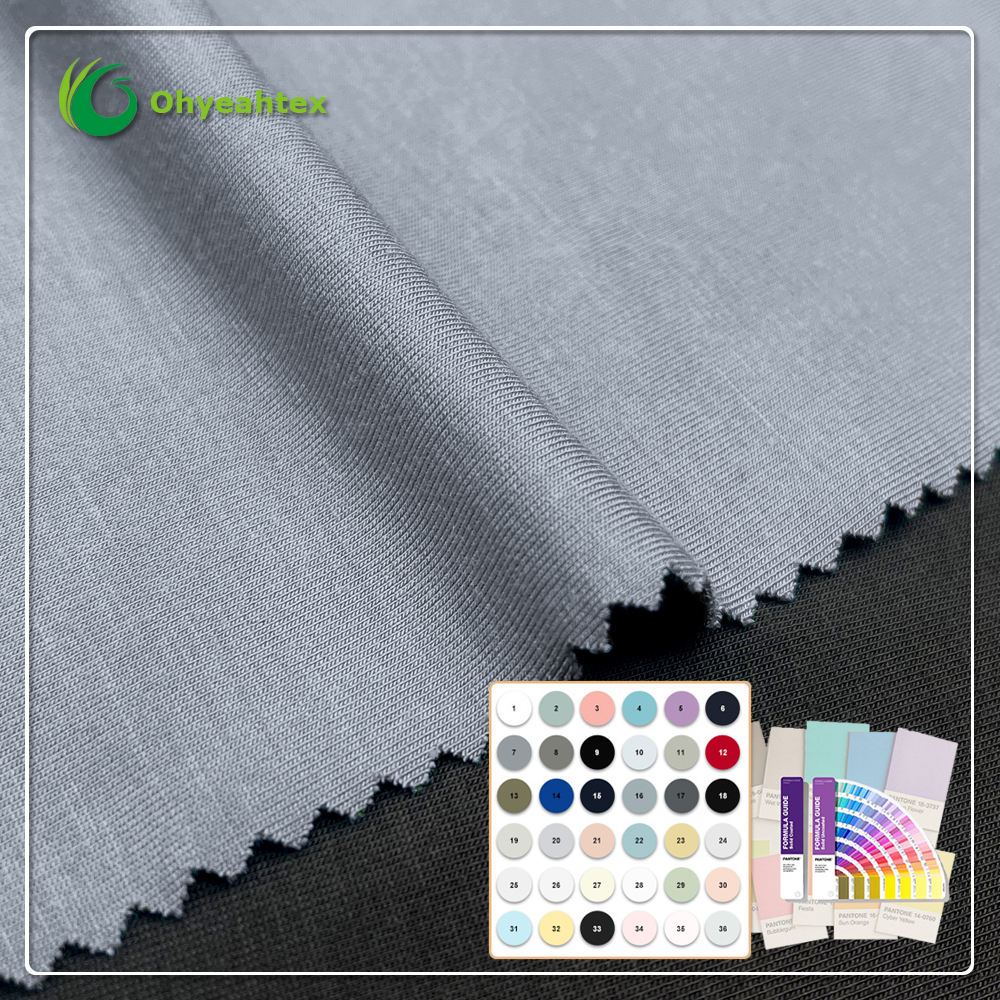
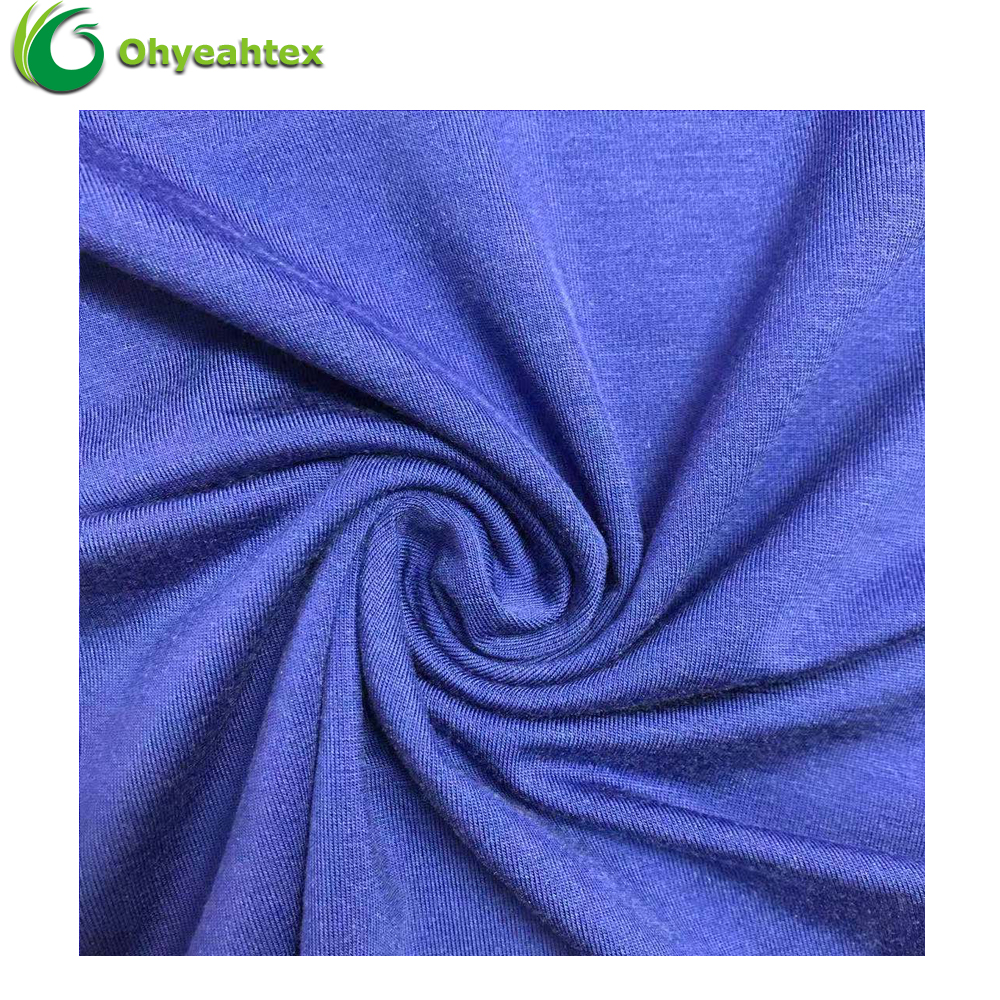
Choosing Eco-Friendly Jersey Print Fabrics

Get a Free Quote

Our representative will contact you soon.
Email
Name
Mobile/WhatsApp
Company Name
Message
0/1000

jersey print

Jersey print fabrics have become increasingly popular in various industries, particularly for their versatility and eco-friendliness. As a B2B buyer, you may be looking for high-quality jersey print materials that not only meet your design needs but also align with sustainable practices. This article will guide you through selecting eco-friendly jersey print fabrics, understanding key specifications, finding reliable suppliers, addressing common issues, and considering important factors when sourcing these materials for resale.

Key Specifications for High-Quality Jersey Print Materials

Understanding the specifications of jersey print fabrics is vital for ensuring they meet your project requirements. Key specifications to consider include:

Color Fastness: Look for fabrics with a color fastness rating of level 4-5. This rating indicates that the colors will remain vibrant after washing and exposure to light, reducing the risk of fading in printed designs.

Shrinkage Rate: A shrinkage rate below 5% is ideal. High shrinkage can lead to sizing issues after washing, potentially affecting the fit of the final product. It’s important to verify this through pre-production samples.

Weight and Thickness: The weight of the fabric, typically measured in grams per square meter (GSM), affects its drape and durability. Lighter fabrics are suitable for summer wear, while heavier options, such as 170GSM fabric for bed, are better for colder climates.

Stretchability: Jersey fabrics are known for their stretch, which is essential for comfort and fit in clothing. Ensure that the fabric has sufficient elasticity to accommodate various body types without losing shape.

Eco-Friendly Treatment: Check if the fabric has undergone any eco-friendly treatments, such as natural dyeing processes or water-based inks for printing, which can further reduce environmental impact.

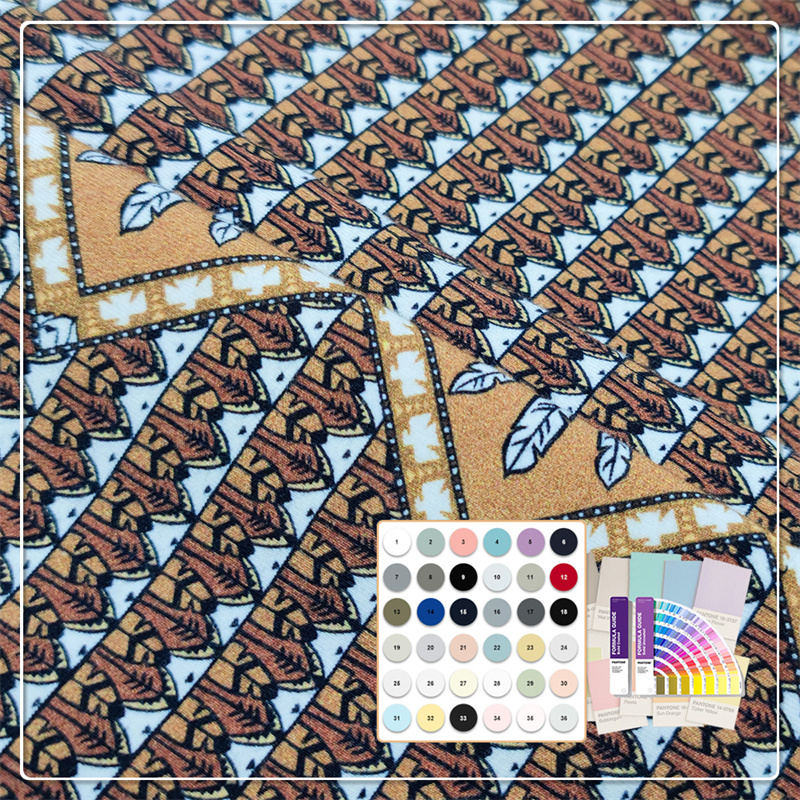
Where to Find Reliable Suppliers for Wholesale Jersey Prints

Finding reliable suppliers for wholesale jersey prints involves researching manufacturers with a proven track record in sustainable practices and quality control. Start by evaluating suppliers with certifications such as OEKO-TEX, GOTS, and GRS. These certifications not only highlight the supplier's commitment to eco-friendliness but also indicate adherence to quality standards.

Additionally, consider suppliers with substantial production capabilities. For instance, Shaoxing City Ohyeah Textile Co., Ltd. operates over 100 circular knitting machines and has a monthly output of 200 tons, ensuring they can meet large orders efficiently. It is also beneficial to request samples before placing bulk orders to assess the quality, feel, and printability of the fabrics firsthand.

Furthermore, leverage industry networks and trade shows to connect with potential suppliers. Personal recommendations from peers or industry experts can also lead you to reputable manufacturers that meet your specific needs.

Common Problems with Jersey Prints and Their Effective Solutions

While working with jersey print fabrics, several common issues may arise. Understanding these challenges can help you mitigate risks:

Fading Prints: This is often caused by low-quality inks or improper printing techniques. To avoid this, ensure that the supplier uses high-quality, water-based inks that have a high color fastness rating. Additionally, confirm the printing process aligns with eco-friendly practices.

Fabric Pilling: Pilling occurs when fibers break and form small balls on the fabric surface. To address this, select fabrics with high durability ratings and consider a tighter knit structure to reduce friction during wear.

Inconsistent Sizing: Variability in fabric shrinkage can lead to sizing issues. Always request pre-production samples and conduct wash tests to check for consistency in size and fit.

Sustainability Claims: Some suppliers may exaggerate their eco-friendly practices. Always verify claims through certifications and ask for documentation regarding sourcing and manufacturing processes.

What to Consider When Sourcing Jersey Print Fabrics for Resale

When sourcing jersey print fabrics for resale, several factors should guide your decision-making process:

Market Demand: Conduct market research to understand trends in fabric types, colors, and sustainability preferences among your target customers. This insight will help you stock the right materials.

Minimum Order Quantities (MOQ): Different suppliers have varying MOQs. Ensure you choose a supplier that aligns with your purchasing power and anticipated sales volume. Some manufacturers, like Shaoxing City Ohyeah Textile Co., Ltd., may offer flexible MOQs, allowing you to adjust orders based on demand.

Customization Options: If you require specific designs or colors, inquire about customization capabilities. A supplier with in-house design teams can often accommodate unique requests, enhancing your product offerings.

Lead Times: Understand the production and shipping times for your orders. Planning ahead ensures you have inventory ready for seasonal demand or promotional events.

Quality Assurance Processes: Investigate the supplier’s quality control measures. A structured quality assurance process, including testing for color fastness and shrinkage, helps ensure that the products meet your standards before reaching the market.

By keeping these considerations in mind, you can effectively source jersey print fabrics that meet your business needs while appealing to environmentally conscious consumers.

How to Choose Eco-Friendly Jersey Print Fabrics for Your Projects

When selecting eco-friendly jersey print fabrics, consider the material composition first. Options like bamboo, organic cotton, and recycled polyester are excellent choices due to their minimal environmental impact and sustainable sourcing. Each material has unique properties that affect both the feel and performance of the fabric. For instance, bamboo fabrics are naturally moisture-wicking and breathable, making them ideal for activewear, while organic cotton provides a soft touch and is perfect for everyday apparel.

Additionally, evaluate the certifications associated with the fabrics. Look for OEKO-TEX, GOTS, OCS, and GRS certifications, which indicate compliance with environmental and social standards. These certifications ensure that the fabrics are free from harmful chemicals and produced in a manner that respects both workers and the environment. This alignment with sustainability not only enhances your brand image but also appeals to eco-conscious consumers.

Our Blog Posts

The Ultimate Guide to Bamboo Fabric: Sustainability, Types, and Uses

14

Jul

The Ultimate Guide to Bamboo Fabric: Sustainability, Types, and Uses

The Ultimate Guide to Bamboo Fabric: Sustainability, Types, and Uses Table of Contents What Is Bamboo Fabric? Why Choose Bamboo Fabric? Types of Bamboo Fabric How Bamboo Fabric Is Made Applications of Bamboo Fabric Care Instructions for B...
View More
How is Bamboo Made Into Fabric

14

Oct

How is Bamboo Made Into Fabric

Making the Ultra Soft Fabric from BambooBamboo fabric is a widely used material in the textile and fashion industry because of its natural softness, texture and warmth. At Ohyeah Textile Co., Ltd, we specialize in making use of the magic of bamboo fi...
View More
Bio-Based Fabric: The Complete Buyer's Guide

13

Oct

Bio-Based Fabric: The Complete Buyer's Guide

A practical sourcing manual for brands, importers, and product developers Reference manufacturer example: Shaoxing City Ohyeah Textile Co., Ltd., eco-friendly fabric specialist (bamboo, organic cotton, rayon, Lenzing™ Modal, TENCEL™ Lyoc...
View More
The Business Value of Choosing Tencel Lyocell Fabric for Bulk Orders

13

Oct

The Business Value of Choosing Tencel Lyocell Fabric for Bulk Orders

Selecting the best eco-friendly fabric for large-scale production can be an important business consideration for any brand that aims to grow its sustainable products range. Here at Ohyeah Textile, we have over 20 years experience and over this time, ...
View More

Get a Free Quote

Our representative will contact you soon.
Email
Name
Mobile/WhatsApp
Company Name
Message
0/1000

Get a Free Quote

Our representative will contact you soon.
Email
Name
Mobile/WhatsApp
Company Name
Message
0/1000