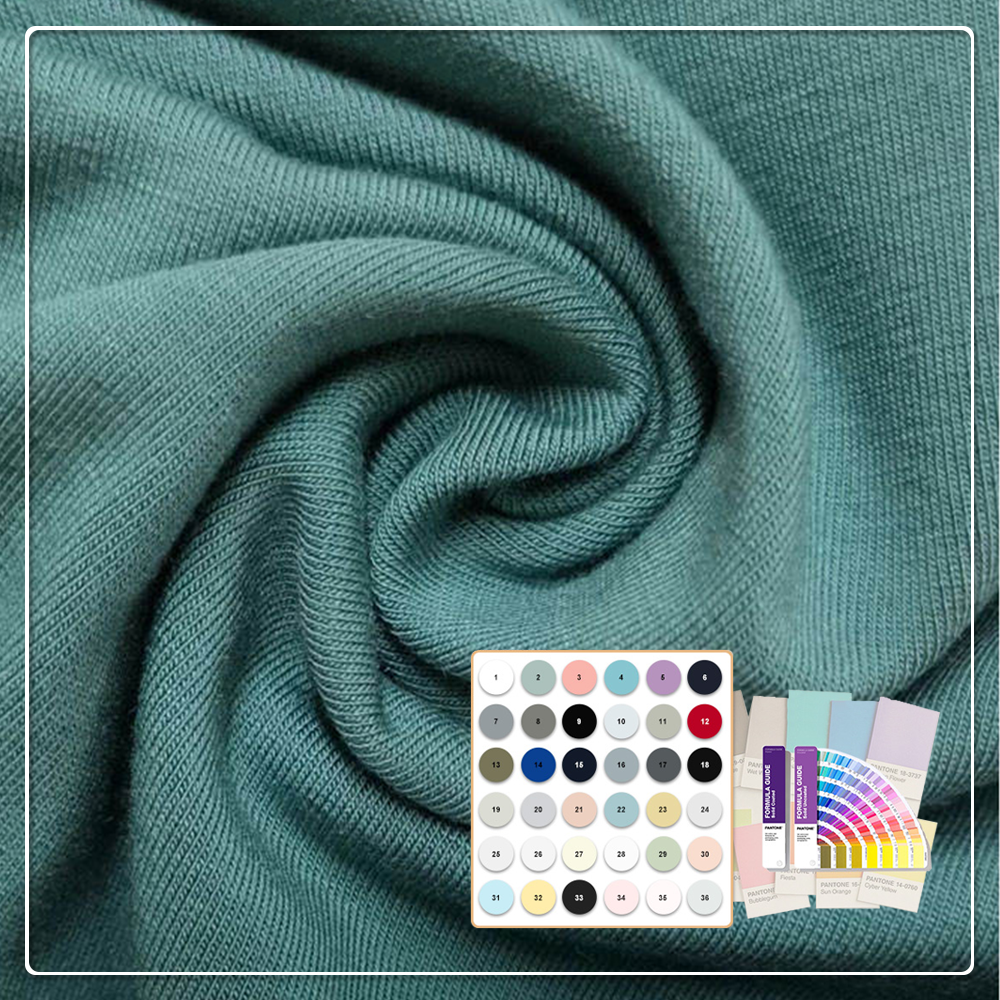
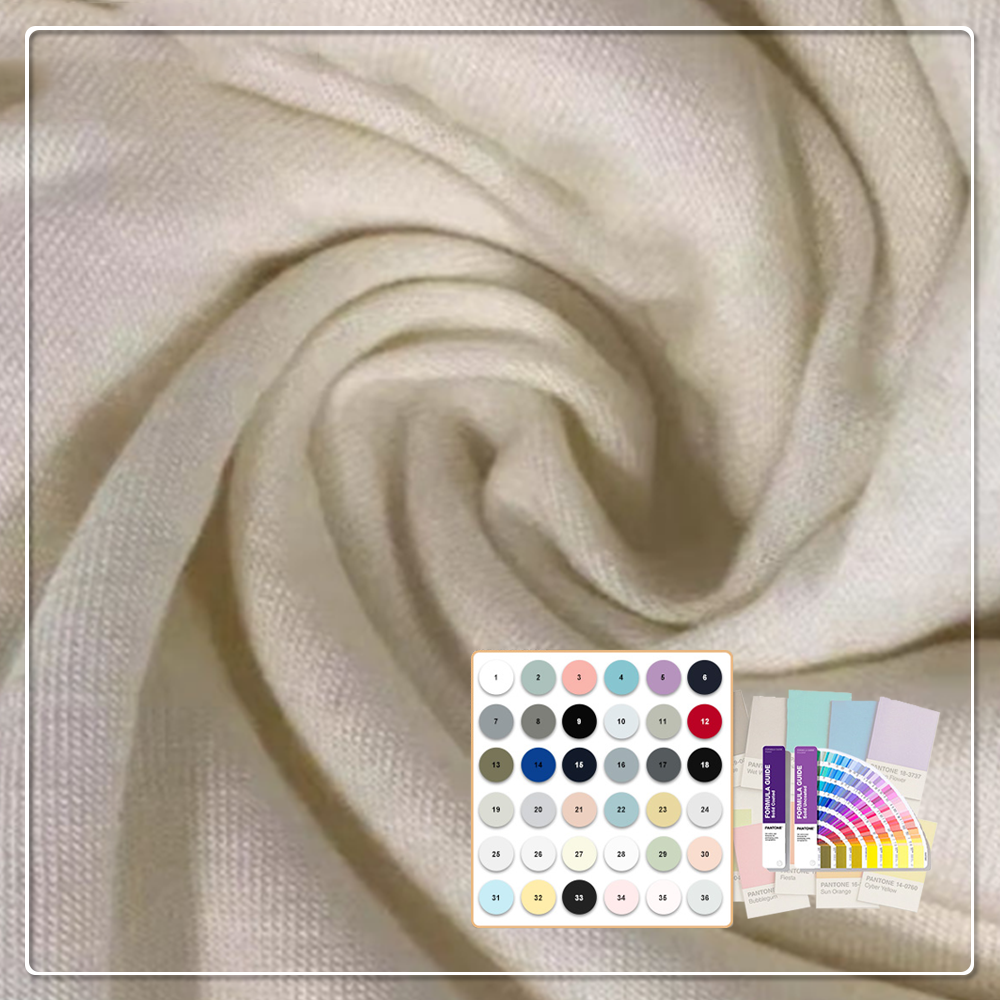
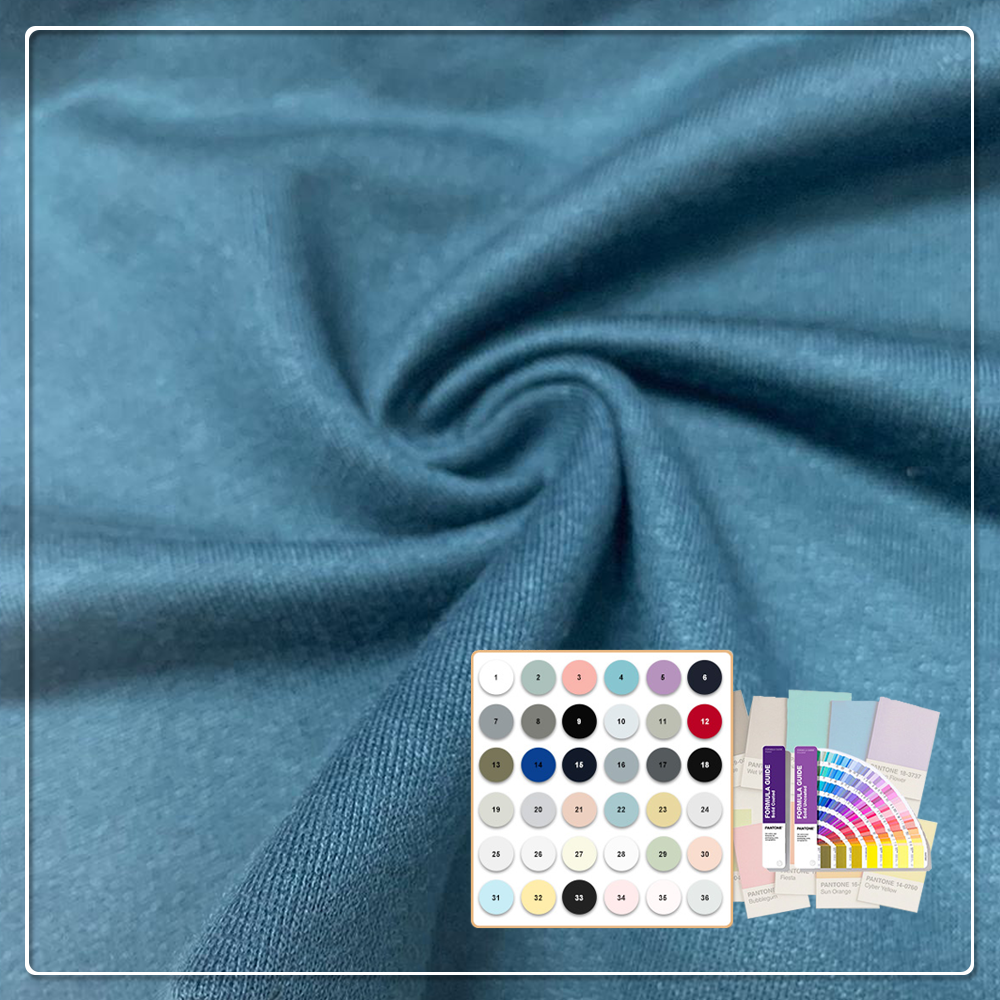
Choosing the Right Jersey Type for Your Wholesale Needs

Get a Free Quote

Our representative will contact you soon.
Email
Name
Mobile/WhatsApp
Company Name
Message
0/1000

Jersey types

Jersey fabrics are a versatile and popular choice in the textile industry, especially for wholesale clothing and commercial applications. With various jersey types available, each offering unique characteristics and benefits, it’s crucial for B2B buyers to understand their options. This article will guide purchasing managers and distributors through selecting the right jersey type, considering specifications, identifying quality indicators, troubleshooting common issues, and providing installation guidance for commercial projects. 
Our Products

Specifications to Consider When Sourcing Jerseys for Projects

When sourcing jersey fabrics, several specifications must be carefully evaluated to ensure that the material meets project requirements. Key factors include: 

Weight and Thickness: The weight of the fabric, measured in grams per square meter (GSM), affects its drape and durability. Lighter jerseys (around 150-180 GSM) are suitable for summer wear, while heavier options (200-250 GSM) are better for cooler climates. 

Stretchability: A fabric’s stretch is determined by its composition and knit structure. Spandex blends can provide enhanced elasticity, making the fabric ideal for activewear or fitted garments. 

Color Fastness: The ability of fabric to retain color through washing and exposure to sunlight is crucial for maintaining product quality. Our organic bamboo jersey fabric exhibit color fastness levels of 4-5, ensuring long-lasting vibrancy. 

Shrinkage: Understanding shrinkage rates is essential for sizing accuracy. Our fabrics typically have a shrinkage rate below 5%, allowing for better fit post-wash. 

By focusing on these specifications, buyers can better align their sourcing decisions with the end-use applications of their products.
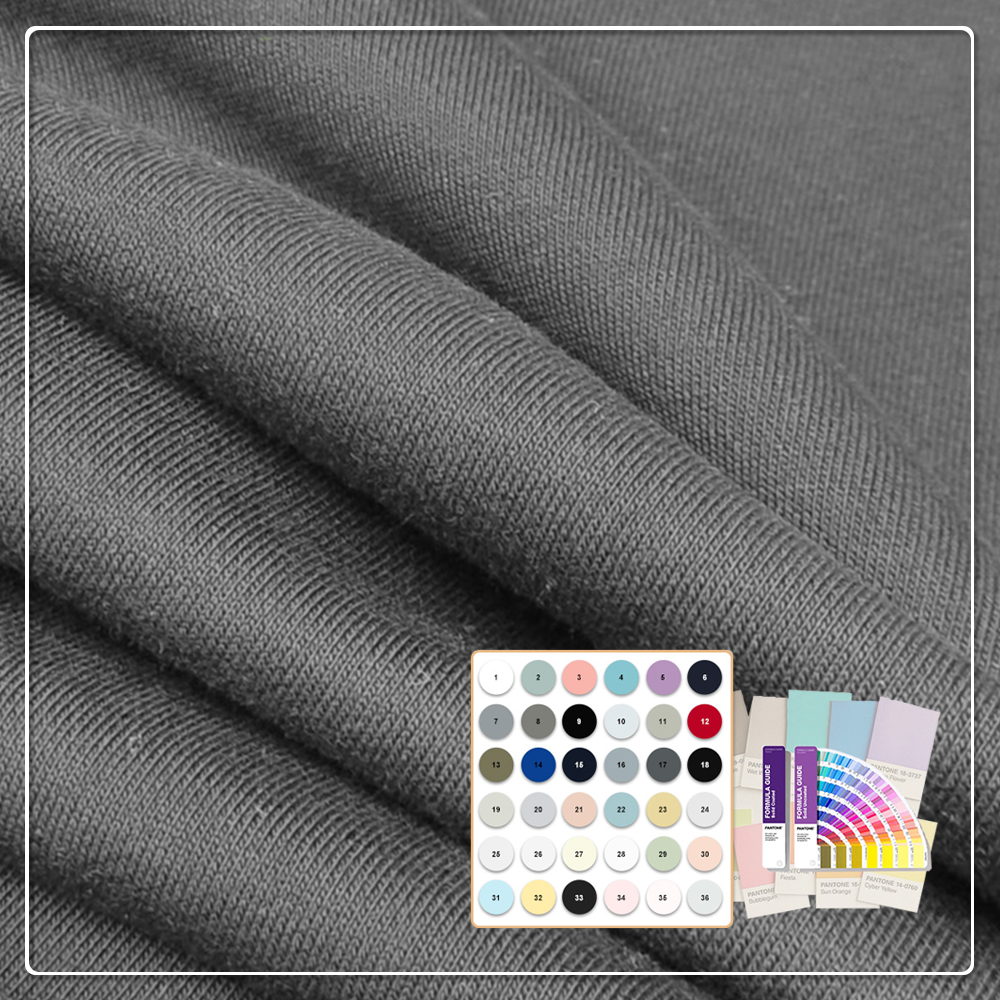
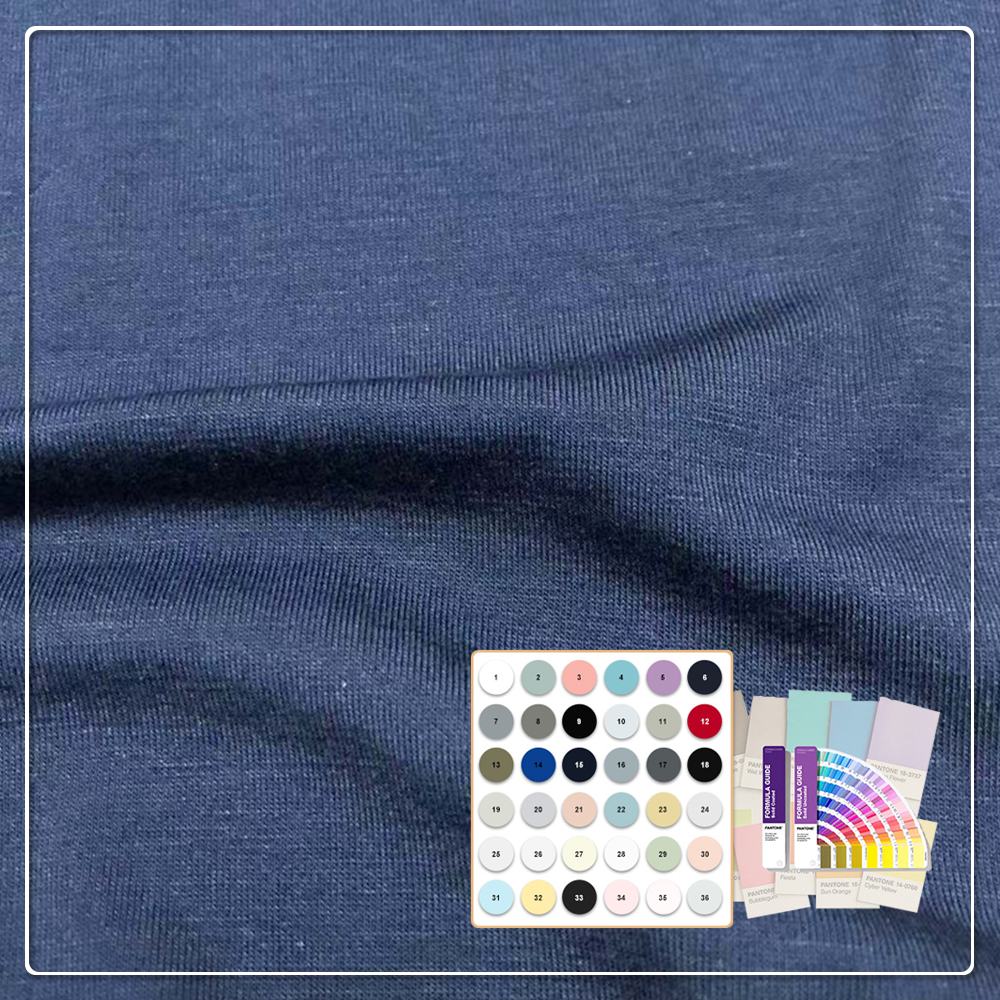
What to Look for in Jersey Fabrics

Quality indicators play a vital role in the selection of jersey fabrics. Buyers should consider the following aspects: 

Fabric Construction: Evaluate the knit structure for uniformity and consistency. A well-constructed fabric will have no visible flaws, ensuring better performance and durability. 

Finishing Treatments: Look for additional treatments, such as anti-pilling or moisture-wicking finishes that can enhance the fabric's usability, especially in sportswear. 

Certifications: Ensure that the Ohyeah fabric is certified by relevant standards. Our certifications (OEKO, GOTS, OCS, and GRS) not only validate the fabric's eco-friendliness but also its quality and safety for consumers. 

Sample Approval: Before committing to a larger order, it’s wise to request samples. This allows buyers to assess the fabric's texture, weight, and overall quality in real-world conditions.

Common Problems with Jersey Fabrics and Their Solutions

While jersey fabrics offer many advantages, they can also present specific challenges. Here are common problems and practical solutions: 

Pilling: This occurs when fibers break and tangle on the surface of the fabric. To minimize pilling, select jerseys with tighter knit structures and consider fabrics treated with anti-pilling finishes. 

Stretch Deformation: Over time, some jersey fabrics may lose their shape. To prevent this, ensure that the fabric composition includes elastane or spandex, which helps maintain elasticity. 

Color Fading: To combat color fading, particularly in vibrant hues, ensure that the fabric has high-quality dyes and color fastness ratings. Regularly washing in cold water and avoiding bleach can also help maintain color integrity. 

Shrinkage Issues: Shrinkage can lead to sizing discrepancies. Always review the manufacturer’s shrinkage ratings and conduct pre-production wash tests to confirm expectations. 

By being aware of these potential issues and implementing the recommended solutions, buyers can enhance the longevity and performance of their jersey products.

Installation Guidance for Jersey Fabrics in Commercial Projects

Proper installation techniques are critical for ensuring the durability and appearance of jersey fabric in commercial applications. Here are some practical tips: 

Preparation: Before installation, ensure that the fabric has been properly washed and dried to prevent post-installation shrinkage. 

Cutting Techniques: When cutting jersey fabric, use sharp scissors or rotary cutters to ensure clean edges. This minimizes fraying and maintains fabric integrity. 

Sewing Methods: Use a stretch stitch or zigzag stitch when sewing jersey fabrics to accommodate their elasticity and prevent seam breakage. 

Finishing Edges: Consider using overlock stitching to finish the edges of the fabric, which prevents unraveling and creates a polished look. 

Final Inspection: After installation, conduct a thorough inspection for any visible flaws or inconsistencies. This is crucial for maintaining quality in commercial projects. 

By following these installation guidelines, buyers can ensure that their jersey fabrics perform well and maintain their aesthetic appeal over time. 

In summary, understanding the various jersey types and their specifications is essential for making informed purchasing decisions in the B2B market. By focusing on quality indicators, addressing common issues, and following proper installation techniques, buyers can optimize their use of sustainable jersey fabric in commercial projects. With our expertise and commitment to quality, Shaoxing City Ohyeah Textile Co., Ltd. is well-positioned to support your sourcing needs for high-quality, eco-friendly jersey fabrics.

Choosing the Right Jersey Type for Your Wholesale Needs

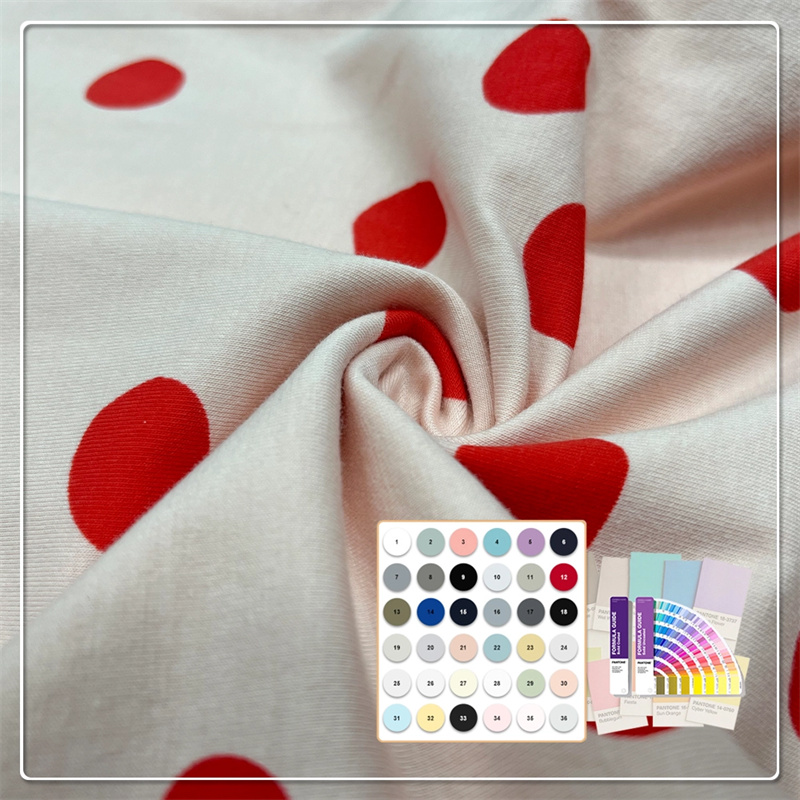
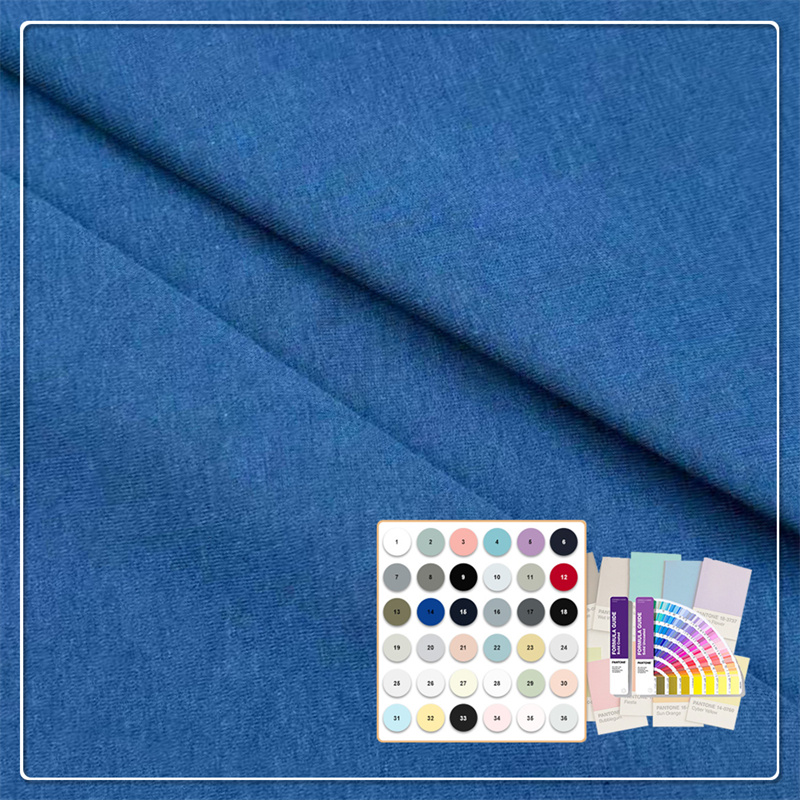
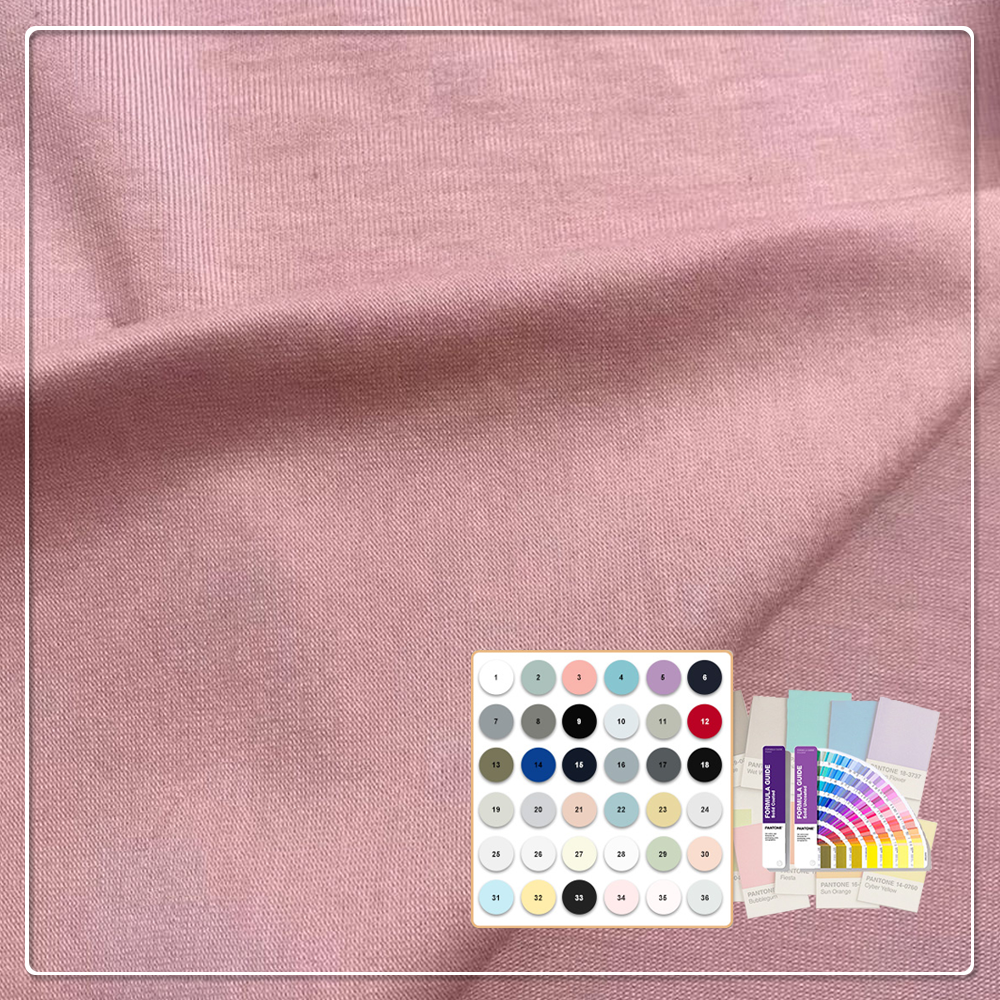
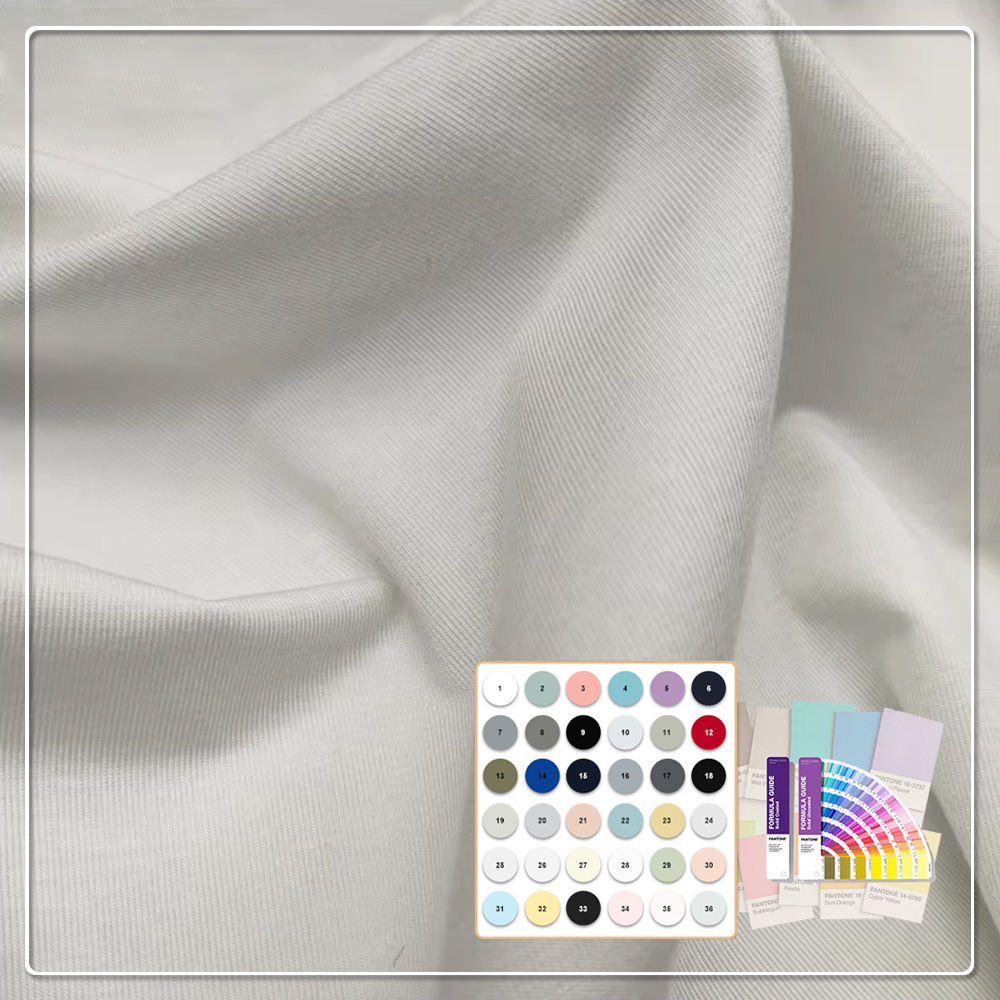
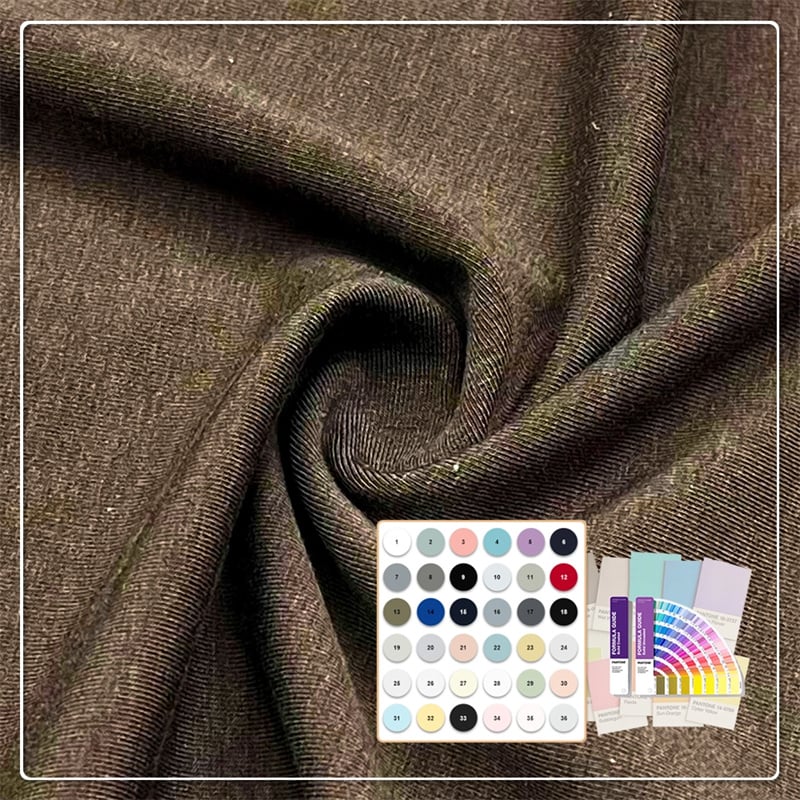
When selecting a jersey type for wholesale applications, it's essential to consider the fabric’s composition and intended use. Common types of jerseys include single jersey, double jersey, and interlock jersey, each serving different purposes. For instance, single jersey is typically lighter and stretchier, making it suitable for t-shirts and activewear, while organic jersey fabric provides a thicker feel, ideal for sweatshirts. Interlock jersey offers a more stable and smooth surface, perfect for high-end applications. 

Eco-friendly options are also gaining traction, with materials such as organic cotton and recycled polyester becoming increasingly popular. As a certified manufacturer with OEKO, GOTS, OCS, and GRS certifications, Shaoxing City Ohyeah Textile Co., Ltd. ensures that our jersey fabrics meet stringent environmental and quality standards, making them an excellent choice for buyers seeking sustainable solutions.

Our Blog Posts

The Growing Demand for Tencel Modal in Global Knit Fabric Markets

29

May

The Growing Demand for Tencel Modal in Global Knit Fabric Markets

Consumers,brands,and retailers are moving away from conventional fibers toward fibers which offer both performance and sustainability. Of many options,the growth in demand for Tencel Modal has been particularly strong. Shaoxing City Ohyeah Texti...
View More
What Buyers Value Most in Tencel Lyocell Fabric Performance

29

May

What Buyers Value Most in Tencel Lyocell Fabric Performance

When buyers look at Tencel Lyocell for their line, they are more interested in facts and figures than marketing gimmicks. They need facts on performance, consistent quality, a trustworthy supplier with verifiable certifications, and benefit...
View More
How Tencel Modal Fabric Improves Garment Comfort Without Extra Weight

13

Oct

How Tencel Modal Fabric Improves Garment Comfort Without Extra Weight

With clothes that make you feel good, it was always a compromise, luxuriously soft clothes were bulky and substantial, and light weight clothes had a more “normal” feel about them. Something we have been unable to reconcile for a long tim...
View More
The Low-Shrinkage Advantage of Tencel Modal in Mass Production

13

Oct

The Low-Shrinkage Advantage of Tencel Modal in Mass Production

The number of challenges that are as expensive and disruptive as the fabric shrinkage are scarce to manufacturers and brands with a large scale. In case of shrinking clothes after manufacturing, and worse still when they reach the consumers, the cons...
View More

Get a Free Quote

Our representative will contact you soon.
Email
Name
Mobile/WhatsApp
Company Name
Message
0/1000

Get a Free Quote

Our representative will contact you soon.
Email
Name
Mobile/WhatsApp
Company Name
Message
0/1000