EN
Loopback jersey fabric is a versatile and widely-used textile in the apparel industry, favored for its soft, comfortable texture and durability. As a B2B buyer, understanding the nuances of sourcing loopback jersey fabric is essential for making informed purchasing decisions. This article delves into the key considerations for sourcing, evaluates cost factors, addresses common problems and solutions, offers installation guidance, and explores optimal applications across various industries.
Understanding the Cost Factors of Loopback Jersey Fabric
The cost of loopback jersey fabric can vary significantly based on several factors. Material composition is the primary determinant; eco-friendly options, such as organic cotton or recycled polyester, often carry a premium price due to the sustainable practices involved in their production. Additionally, the fabric's weight and complexity of the knit can influence costs, as heavier and more intricate fabrics require more resources and time to produce.
Another factor to consider is the scale of your order. Bulk purchasing typically reduces the per-unit price, making it essential to assess your production needs accurately. Customization requests—such as specific colors or patterns—can also impact pricing and lead times, so it's advisable to communicate your requirements upfront to prevent unexpected costs.
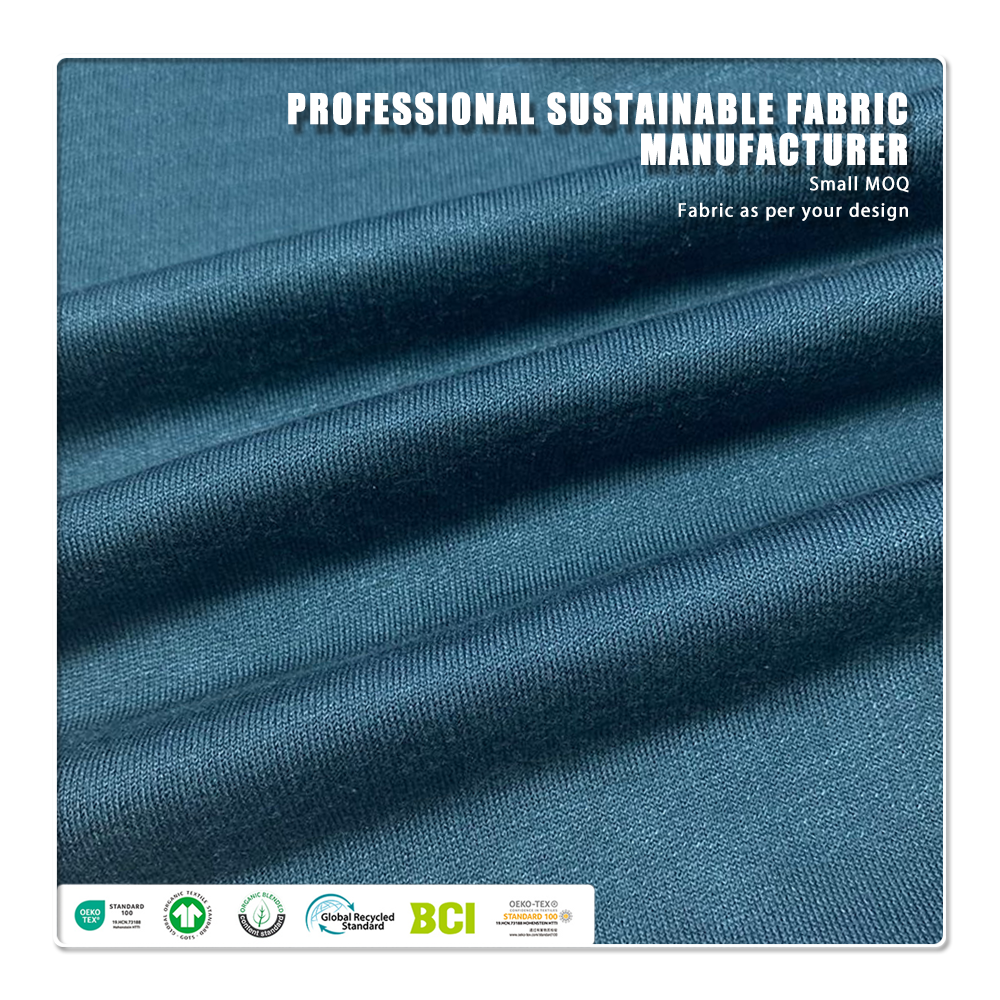
Lastly, consider the certifications associated with the fabric. Our company holds certifications such as OEKO-TEX, GOTS, OCS, and GRS, which not only validate the fabric's quality but can also enhance its marketability, potentially justifying a higher price point for buyers focused on sustainability.