Sourcing High-Quality Modal Blend Fabric

Get a Free Quote

Our representative will contact you soon.
Email
Name
Mobile/WhatsApp
Company Name
Message
0/1000

modal blend fabric

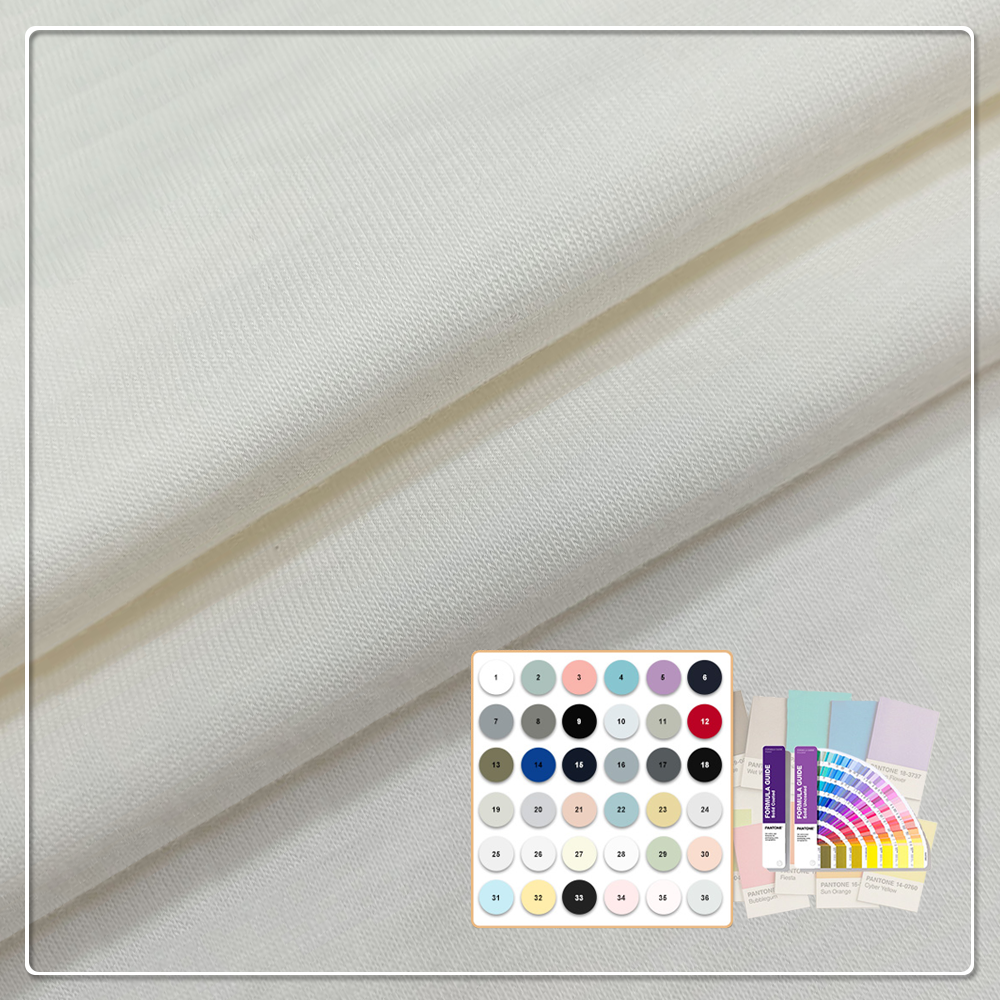
Modal blend fabric is a versatile and eco-friendly textile option that combines the luxurious feel of modal with the durability and practicality of other fibers. As a purchasing manager or product developer, understanding the nuances of sourcing modal blend fabric is crucial for making informed decisions that align with your project requirements and sustainability goals. This article will guide you through the key considerations when sourcing modal blend fabric, evaluating its quality, exploring its applications, and addressing common issues that may arise during its use.

How to Evaluate the Quality of Modal Blend Fabric for Projects

Assessing the quality of modal blend fabric is essential to ensure it meets your project's demands. Start by examining the fabric's physical properties, such as color fastness and shrinkage. High-quality modal blend fabrics typically exhibit a color fastness rating of level 4-5, which indicates strong resistance to fading when washed. A shrinkage rate below 5% is also a good indicator of fabric stability, ensuring that your final products maintain their intended dimensions after laundering.

Conducting a tactile inspection is also important. The fabric should feel soft and smooth against the skin, with no rough edges or irregularities. Look for uniformity in texture and color, as inconsistencies can indicate problems in manufacturing processes. Additionally, consider requesting samples for testing under actual use conditions. This step can reveal how the fabric performs in terms of durability, breathability, and overall comfort.

Lastly, inquire about the manufacturer's quality control processes. A reputable supplier will have strict quality checks in place throughout production, from raw material sourcing to final inspections before shipping.

Top Applications for Modal Blend Fabric in the Textile Industry

Modal blend fabric can be utilized across various applications within the textile industry due to its unique properties. Common uses include:

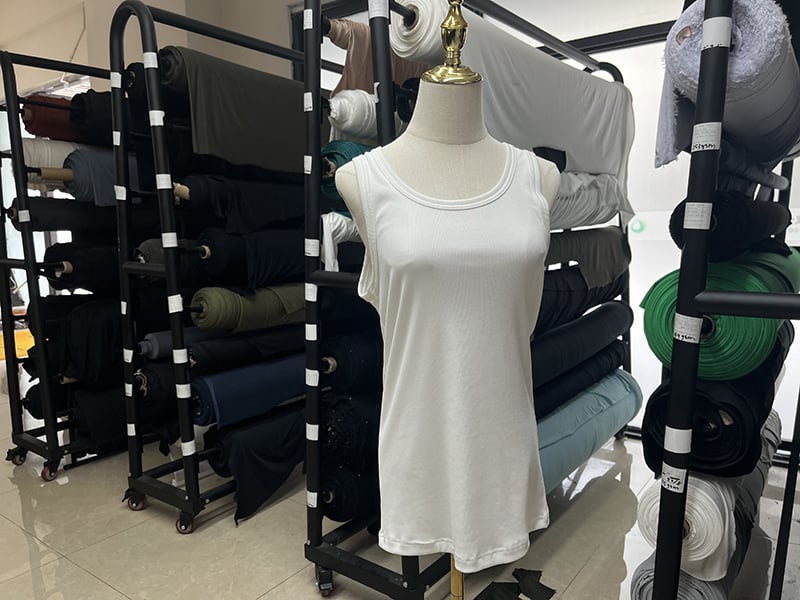
Apparel: Modal blends are popular in the fashion industry for garments such as dresses, activewear, and loungewear, where comfort and drape are essential. The fabric’s softness and moisture-wicking abilities make it ideal for clothing that requires breathability.

Home Textiles: Modal blends are also suitable for home textiles like bed linens, curtains, and upholstery. Their luxurious feel enhances the aesthetic appeal of interior spaces while offering practical benefits such as ease of cleaning and durability.

Technical Textiles: With the right blend, modal can be integrated into technical textiles for applications requiring specific performance characteristics, such as sportswear or protective clothing. For instance, blending with recycled polyester fabric can enhance the durability of technical applications.

Understanding the intended application of the modal blend fabric will help you select the right specifications and materials that align with performance expectations.

Installation Guidance for Projects Using Modal Blend Fabric

When working with modal blend fabric, proper installation techniques are essential to maximize its performance and durability. For apparel, it’s crucial to follow specific sewing guidelines to prevent fabric distortion. Use sharp needles designed for fine fabrics to avoid snagging. Additionally, consider using a straight stitch or a zigzag stitch to maintain the fabric's elasticity while ensuring seam strength.

For home textiles, pre-washing the fabric before cutting and sewing can help minimize shrinkage and ensure that the final product maintains its intended dimensions. It's also advisable to use thread that complements the fabric's composition to avoid issues with seam integrity.

In technical applications, ensure that the fabric is compatible with any additional materials or coatings that may be used. Consult with your supplier to verify that the modal blend fabric can withstand any treatment processes while maintaining its desired properties.

Common Problems with Modal Blend Fabric and Their Solutions

Despite its many advantages, modal blend fabric can come with challenges that buyers should be aware of. Common issues include:

Pilling: Over time, modal blends may develop pills, particularly if they are mixed with more abrasive fibers. To mitigate this, choose blends with higher modal content or pair with smoother fibers. Regular washing and using a fabric shaver can also help maintain a clean appearance.

Color Fading: While modal has good color retention, exposure to sunlight and harsh detergents can lead to fading. To address this, recommend that end-users wash garments in cold water and avoid prolonged sun exposure.

Wrinkling: Modal fabric can wrinkle easily, particularly in blends with cotton. To reduce this, suggest gentle ironing on a low setting or steaming to remove creases without damaging the fibers.

By understanding these potential issues and their solutions, buyers can make informed decisions and better prepare for the long-term performance of their modal blend fabric products.

By focusing on these aspects of modal blend fabric, buyers can ensure they source high-quality materials that meet their specific needs, ultimately leading to successful project outcomes.

What to Consider When Sourcing Modal Blend Fabric for Bulk Orders

When sourcing modal blend fabric, several factors should be considered to ensure that the material meets your specific needs. First, understand the composition of the fabric. Modal is a type of rayon made from beech tree pulp, known for its softness and breathability. Blending modal with other fibers, such as organic cotton fabric or recycled polyester, can enhance the fabric's performance characteristics, such as durability, stretch, and moisture-wicking properties.

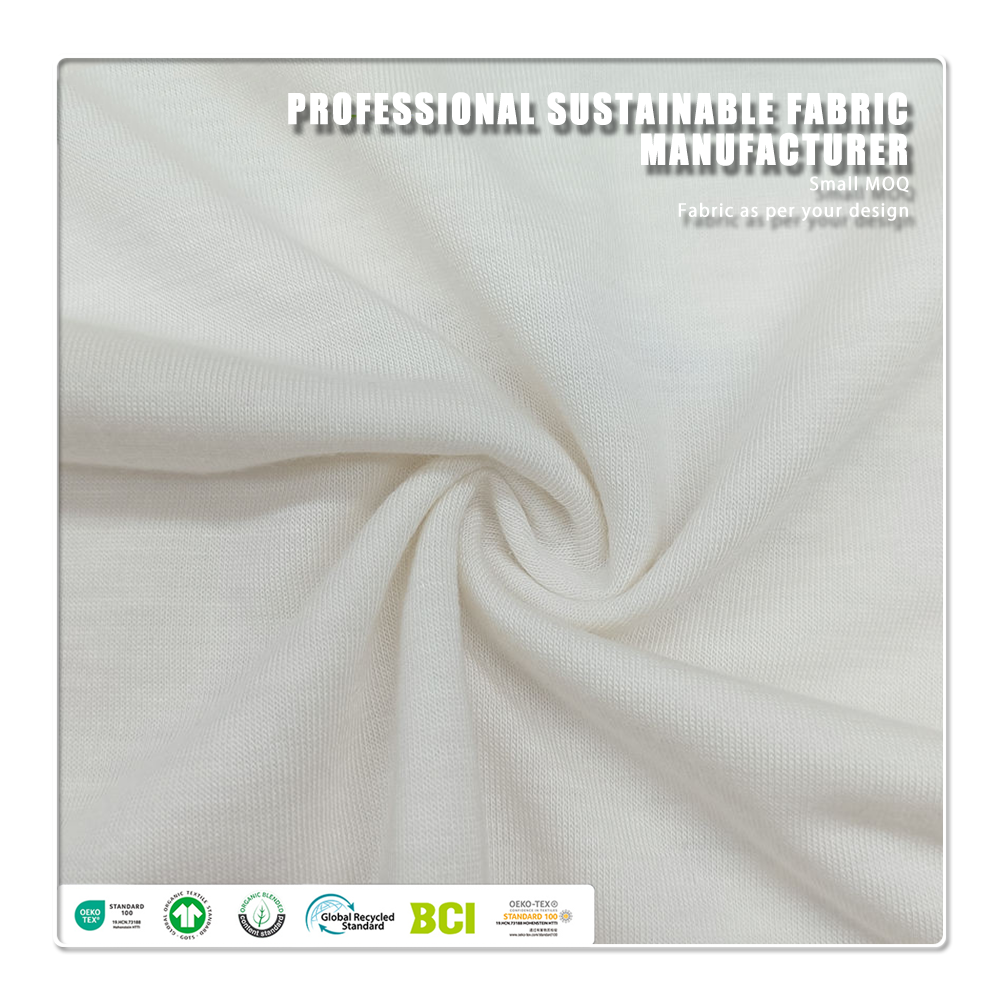
Next, consider the certifications of the manufacturer. It's essential to choose a supplier that holds relevant certifications, such as OEKO-TEX, GOTS, OCS, or GRS, to guarantee that the fabric is produced sustainably and free from harmful substances. Additionally, inquire about the manufacturer's production capacity. Shaoxing City Ohyeah Textile Co., Ltd., for example, operates over 100 circular knitting machines with a monthly output of 200 tons, which can support large-scale orders.

Price is another critical factor. While modal blend fabric can be more expensive than conventional textiles, its longevity and eco-friendly attributes often justify the investment. Request quotes from multiple suppliers and consider the total cost, including shipping and potential import duties, to make an informed decision.

Our Blog Posts

How Tencel Lyocell Supports Moisture Control in Textile Applications

29

May

How Tencel Lyocell Supports Moisture Control in Textile Applications

Moisture management is the most important performance property for textiles today. Sweaty, clingy textiles will leave the wearer cold, irritated, or susceptible to skin ailments. The wearers of moisture management fabrics will remain dry and com...
View More
What Makes Tencel Modal Suitable for Comfortable Knitwear Production

29

May

What Makes Tencel Modal Suitable for Comfortable Knitwear Production

Comfortable knitwear does not happen by accident. The right fiber, the right manufacturing processes, and an awareness of how fabrics feel against the skin must all come together. For knitwear manufacturers who are serious about c...
View More
How Tencel Lyocell Material Helps Brands Meet Sustainability Goals

13

Oct

How Tencel Lyocell Material Helps Brands Meet Sustainability Goals

Today, for any fashion brands, sustainability can no longer be seen as a “nice to have”- it is becoming an expectation. It is expected that fashion businesses are transparent with their production processes, they are to produce their garm...
View More
The Growing Demand for Tencel Lyocell in Modern Textile Supply Chains

13

Oct

The Growing Demand for Tencel Lyocell in Modern Textile Supply Chains

The textile industry is currently in the process of massive disruption to move toward greater sustainability, and a leader of the movement has come in the form of Tencel Lyocell. As consumers and apparel companies are demanding more environmentally f...
View More

Get a Free Quote

Our representative will contact you soon.
Email
Name
Mobile/WhatsApp
Company Name
Message
0/1000

Related product categories

Get a Free Quote

Our representative will contact you soon.
Email
Name
Mobile/WhatsApp
Company Name
Message
0/1000