Key Specifications for Modal Fabric Underwear

Get a Free Quote

Our representative will contact you soon.
Email
Name
Mobile/WhatsApp
Company Name
Message
0/1000

modal fabric underwear

Modal fabric underwear is becoming increasingly popular due to its softness, breathability, and eco-friendliness. This type of underwear is made from modal, a semi-synthetic fiber derived from beech tree pulp, which offers a luxurious feel and excellent moisture-wicking properties. For B2B buyers, including purchasing managers and product managers, understanding the specifications, evaluating supplier reliability, and addressing common challenges are crucial for making informed purchasing decisions. This article will provide insights into the key specifications for high-quality modal fabric underwear, how to evaluate suppliers, common problems, cost factors, and important considerations for buyers.

How to Evaluate Supplier Reliability for Modal Fabric Underwear

Selecting a reliable supplier for modal fabric underwear is critical for ensuring consistent quality and timely delivery. Here are some factors to consider:

Certifications and Compliance: Check if the supplier holds relevant certifications, such as OEKO-TEX or GOTS. These certifications indicate adherence to environmental and social standards, which is increasingly important for B2B buyers.

Production Capacity: Evaluate the supplier's production capabilities, including the number of circular knitting machines and monthly output. A supplier with robust production capacity, like Shaoxing City Ohyeah Textile Co., Ltd., can meet larger orders and ensure timely delivery.

Quality Control Processes: Investigate the supplier's quality control measures. A professional team dedicated to quality control can help ensure that the fabric meets specified standards and reduces the likelihood of defects.

Experience and Reputation: Assess the supplier's experience in the industry. A well-established supplier with a good reputation can provide reassurance regarding product quality and service reliability.

Communication and Responsiveness: Effective communication is crucial for addressing any concerns or queries. A reliable supplier should be responsive and open to collaboration, especially when discussing custom requirements.
Common Problems with Modal Fabric Underwear and Effective Solutions

Despite the advantages of modal fabric underwear, buyers may encounter several common problems:

Pilling: This occurs when fibers break and form small balls on the fabric surface. To mitigate pilling, choose modal blends with higher quality fibers and implement proper washing instructions, such as using a gentle cycle and avoiding fabric softeners.

Sizing Inconsistencies: Variances in sizing can lead to discomfort. It is advisable to request size samples and conduct fit tests before mass production. Clear communication of sizing standards between the supplier and buyer can also help.

Color Fading: Over time, modal fabric can lose its vibrancy if not properly treated. Buyers should ensure that the supplier uses high-quality dyes and finishes that promote color retention.

Moisture Retention: While modal is generally moisture-wicking, low-quality blends may retain moisture. Buyers should assess the fabric's moisture management properties through testing before finalizing orders.

Environmental Concerns: Some modal production processes can be environmentally harmful. Buyers should prioritize suppliers that utilize sustainable practices and materials, as seen in certified manufacturers like Shaoxing City Ohyeah Textile Co., Ltd.

Understanding the Cost Factors in Modal Fabric Underwear Purchases

Several factors influence the overall cost of modal fabric underwear, and understanding these can help buyers make informed decisions:

Material Quality: Higher-quality modal fibers typically cost more due to their superior properties. Buyers should weigh the benefits of investing in premium materials against their budget constraints.

Production Scale: Larger orders often lead to cost savings per unit. Buyers should consider their minimum order quantities (MOQs) and whether they can meet them to benefit from lower pricing.

Customization: Custom designs, colors, or sizes may increase production costs. Buyers should clarify their customization needs upfront to receive accurate quotes.

Shipping and Logistics: Depending on the supplier's location and the buyer's delivery requirements, shipping costs can vary significantly. Buyers should factor in these costs when evaluating total expenses.

Quality Assurance: Implementing quality control processes may incur additional costs, but they can prevent costly returns or rework due to defects. Investing in quality assurance can ultimately save money in the long run.

What to Consider

When purchasing modal fabric underwear, several considerations can enhance the decision-making process:

Target Audience: Understand the preferences and requirements of your target market, as this can influence material selection, design, and branding strategies.

Usage Context: Consider the intended use of the underwear, whether for everyday wear or specialized applications like sports. This will guide material choices and performance specifications.

Sustainability Goals: If your company values sustainability, prioritize suppliers that offer eco-friendly materials and practices, such as Bamboo Viscose/Bamboo Lyocell Fabric. This can enhance your brand image and appeal to environmentally conscious consumers.

Sample Testing: Before committing to mass production, always request samples to evaluate the fabric's performance, fit, and overall quality under real-world conditions.

Long-Term Partnerships: Establishing long-term relationships with reliable suppliers can lead to improved pricing, priority service, and better collaboration on future projects.

By considering these factors, B2B buyers can navigate the complexities of purchasing modal fabric underwear effectively and ensure they make informed decisions that align with their business objectives.

Key Specifications for High-Quality Modal Fabric Underwear Products

When selecting modal fabric underwear, several key specifications should be evaluated to ensure quality and performance.

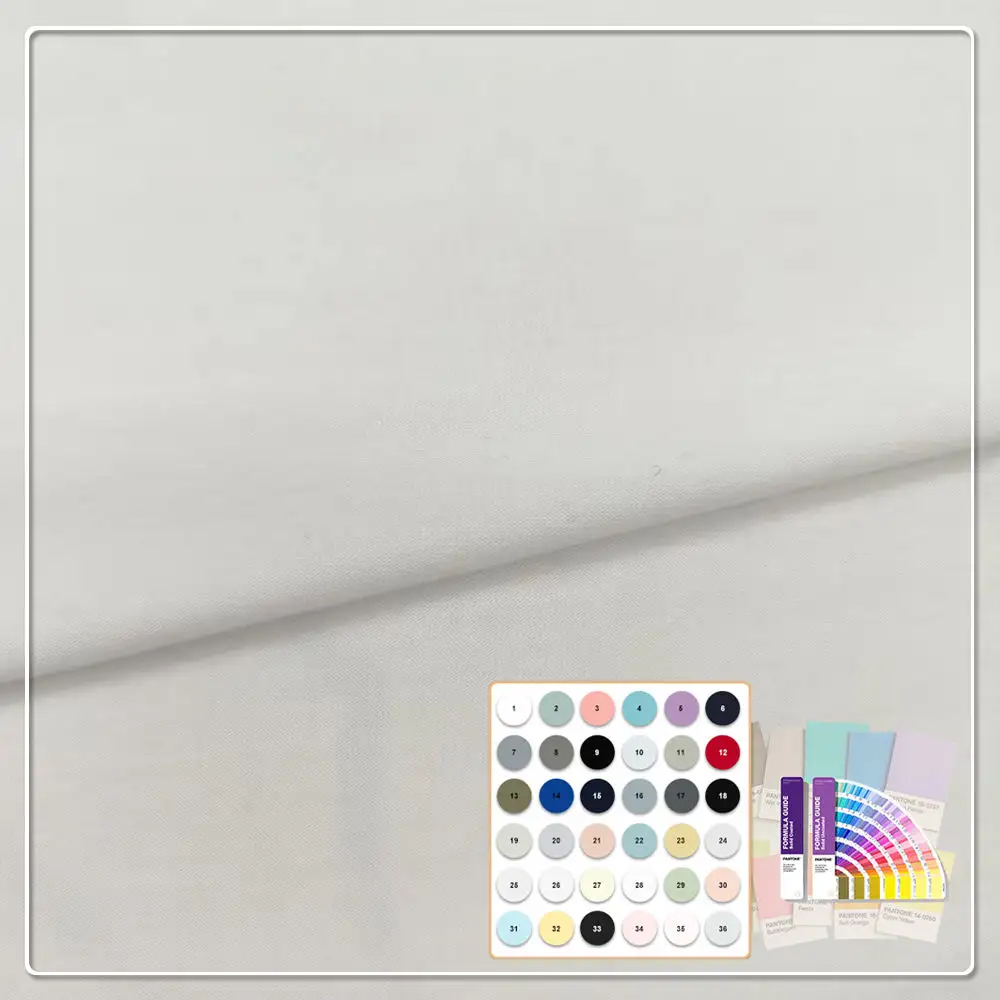
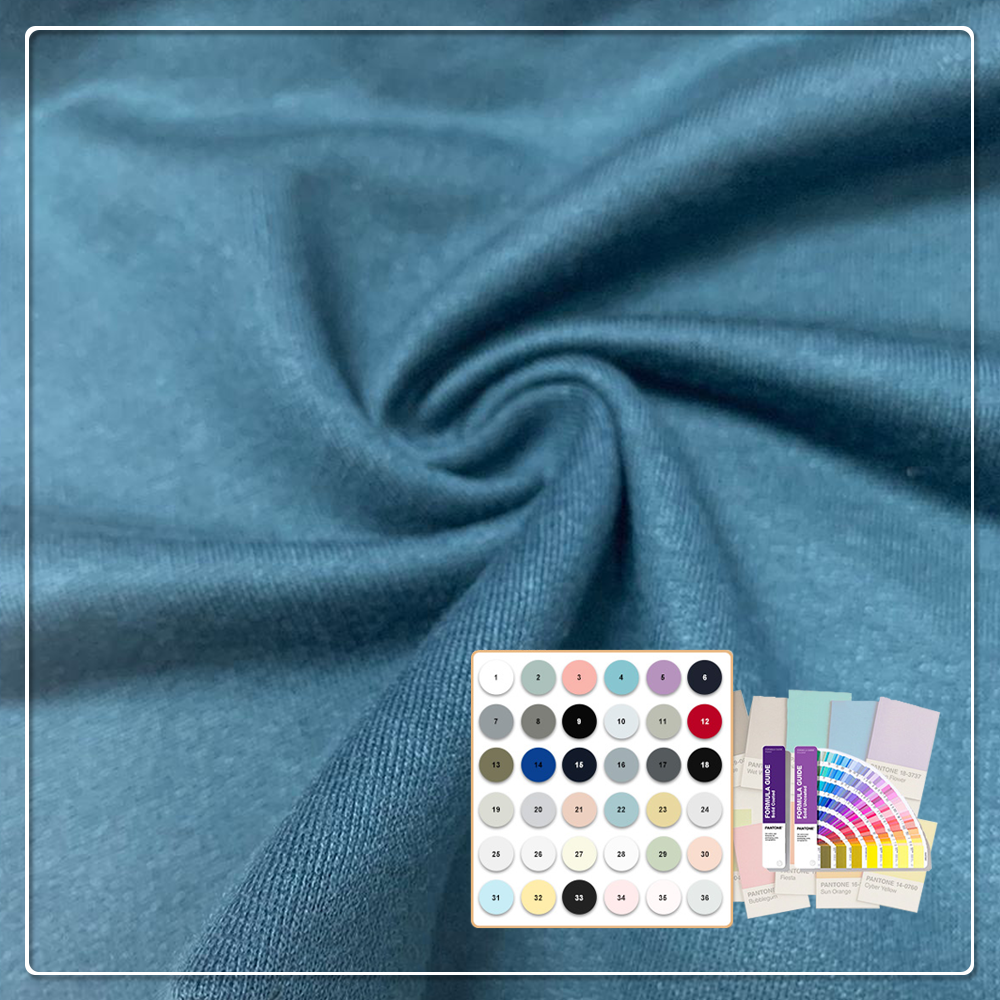
Material Composition: High-quality modal fabric is typically composed of 100% modal or blended with other fibers such as organic cotton fabric or spandex for added elasticity and comfort. The proportion of modal in the blend can significantly affect the underwear's softness and durability.

Fabric Weight: The weight of the fabric, typically measured in grams per square meter (GSM), can influence the overall feel and fit of the underwear. A weight of around 150-220 GSM is common for modal underwear, providing a balance between lightweight comfort and adequate coverage.

Shrinkage and Color Fastness: Buyers should seek modal fabric with shrinkage levels below 5% and color fastness ratings of level 4-5. This ensures that the underwear maintains its shape and color even after multiple washes.

Breathability and Moisture Management: Modal is known for its excellent moisture-wicking properties, which help keep the skin dry and comfortable. It is advisable to assess the fabric's breathability, especially for active wear or warmer climates.

Certifications: Ensure that the fabric is certified by reputable organizations such as OEKO-TEX, GOTS, OCS, or GRS, which indicate compliance with environmental and safety standards. These certifications assure buyers of the fabric's quality and sustainability.

Our Blog Posts

Why Tencel Lyocell Is Widely Used in Sustainable Fashion Collections

29

May

Why Tencel Lyocell Is Widely Used in Sustainable Fashion Collections

Sustainable fashion is no longer a trend that only attracts the fringe;it is now mainstream. Designers and brands are actively searching for materials that cause minimal harm to the planet,while still retaining the highest levels of quality and style...
View More
Why Tencel Modal Helps Maintain Fabric Shape After Repeated Washing

29

May

Why Tencel Modal Helps Maintain Fabric Shape After Repeated Washing

If you've ever owned clothing you loved and then noticed that it just doesn't fit right anymore,necklines stretching,cuffs looking limp,or pants becoming baggy,you know how frustrating this can be. To brands,it translates to returns,poor reviews...
View More
Modal Tencel Material Opens New Opportunities for Textile Brands

13

Oct

Modal Tencel Material Opens New Opportunities for Textile Brands

The textile market is changing rapidly, and innovative, open minded brands are emerging. In recent years, the eco-friendly fiber trend has gained momentum. The combination of Modal and Tencel has given birth to so called modal tencel material, this n...
View More
The Low-Shrinkage Advantage of Tencel Modal in Mass Production

13

Oct

The Low-Shrinkage Advantage of Tencel Modal in Mass Production

The number of challenges that are as expensive and disruptive as the fabric shrinkage are scarce to manufacturers and brands with a large scale. In case of shrinking clothes after manufacturing, and worse still when they reach the consumers, the cons...
View More

Get a Free Quote

Our representative will contact you soon.
Email
Name
Mobile/WhatsApp
Company Name
Message
0/1000

Related product categories

Get a Free Quote

Our representative will contact you soon.
Email
Name
Mobile/WhatsApp
Company Name
Message
0/1000