EN
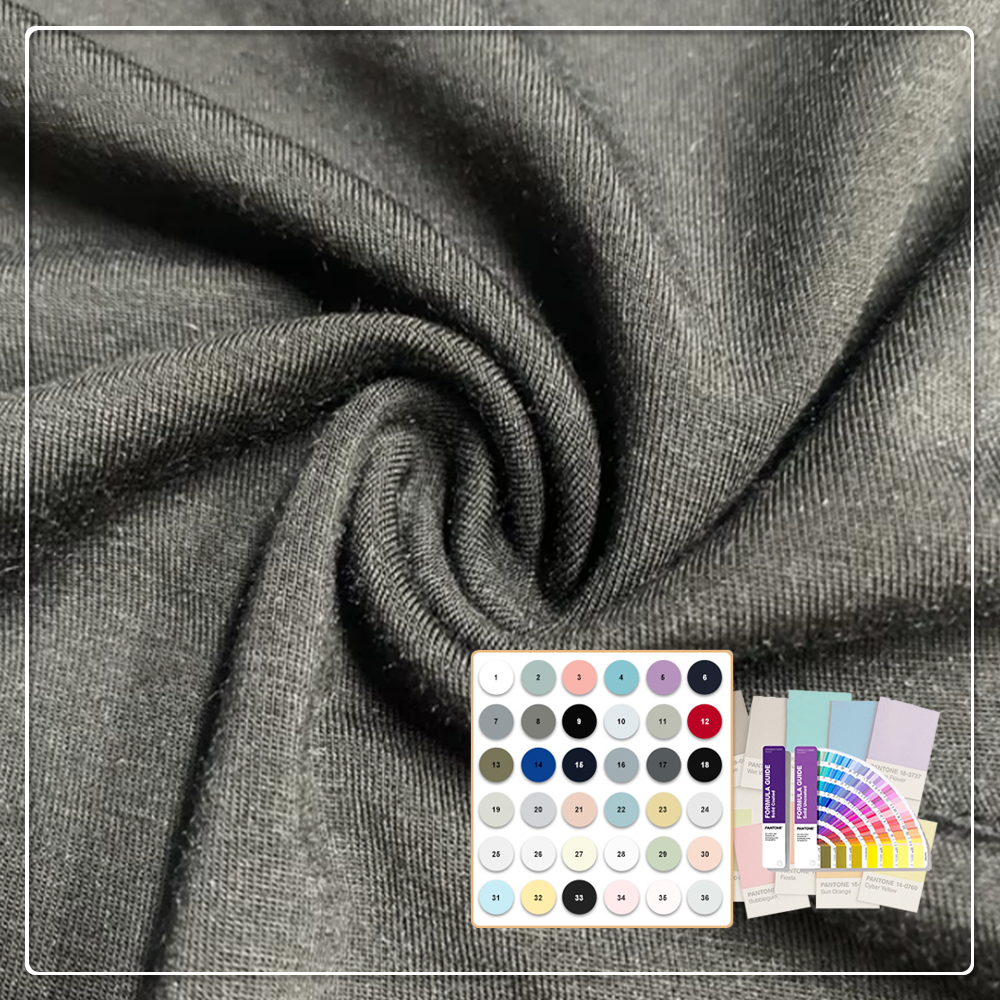
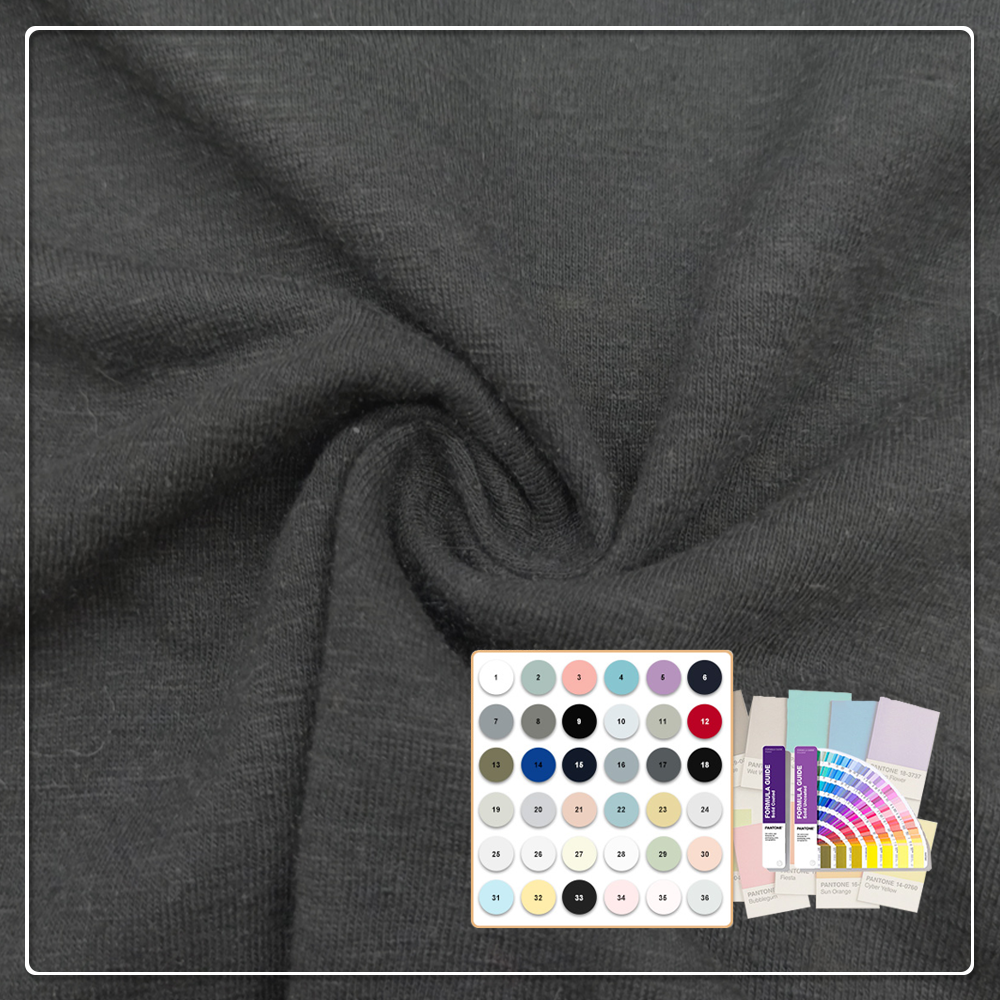
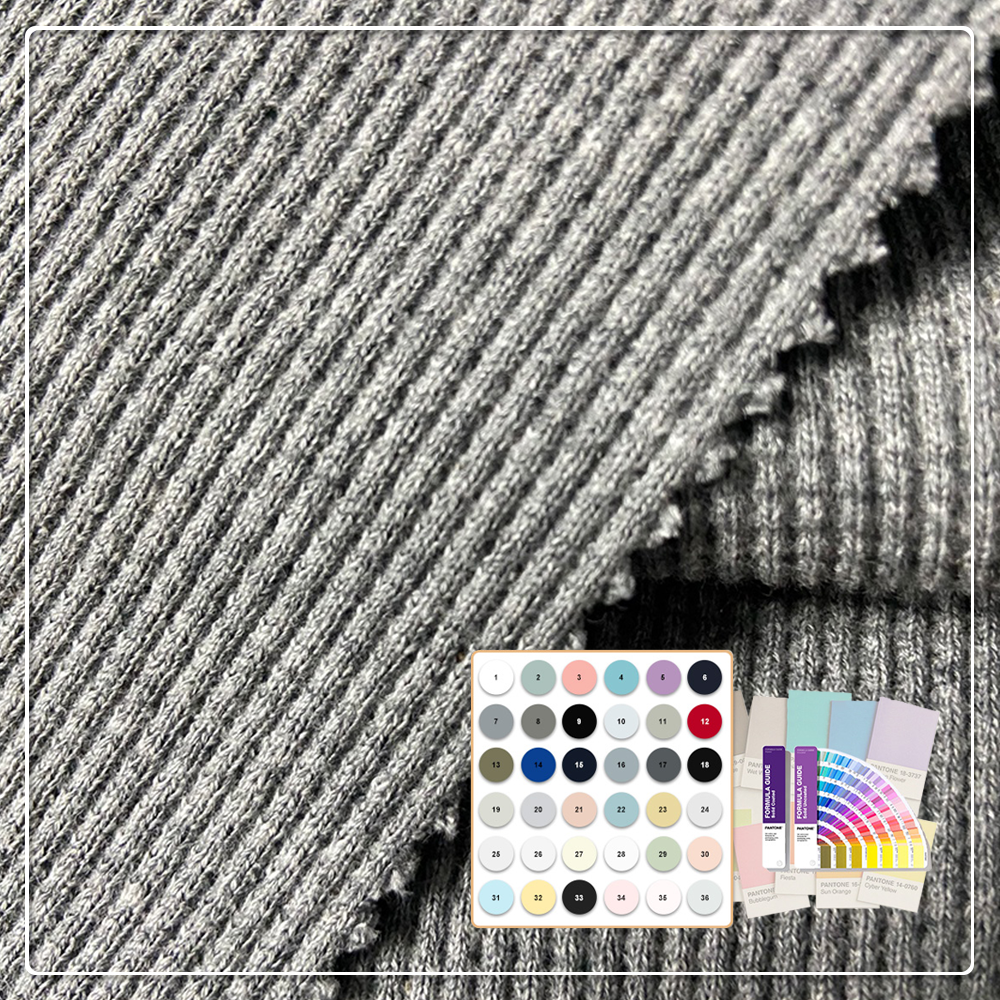
Organic clothing materials are increasingly important in today’s textile industry, particularly for businesses seeking sustainable and eco-friendly options. For purchasing managers, distributors, and manufacturers, understanding the nuances of these materials can significantly influence product quality, cost-effectiveness, and market appeal. This article will guide you through essential considerations when evaluating organic fabrics, including evaluating quality, comparing bulk orders, understanding specifications, cost factors, and common sourcing problems. organic fabrics, Bamboo fabrics, organic cotton, recycled polyester.

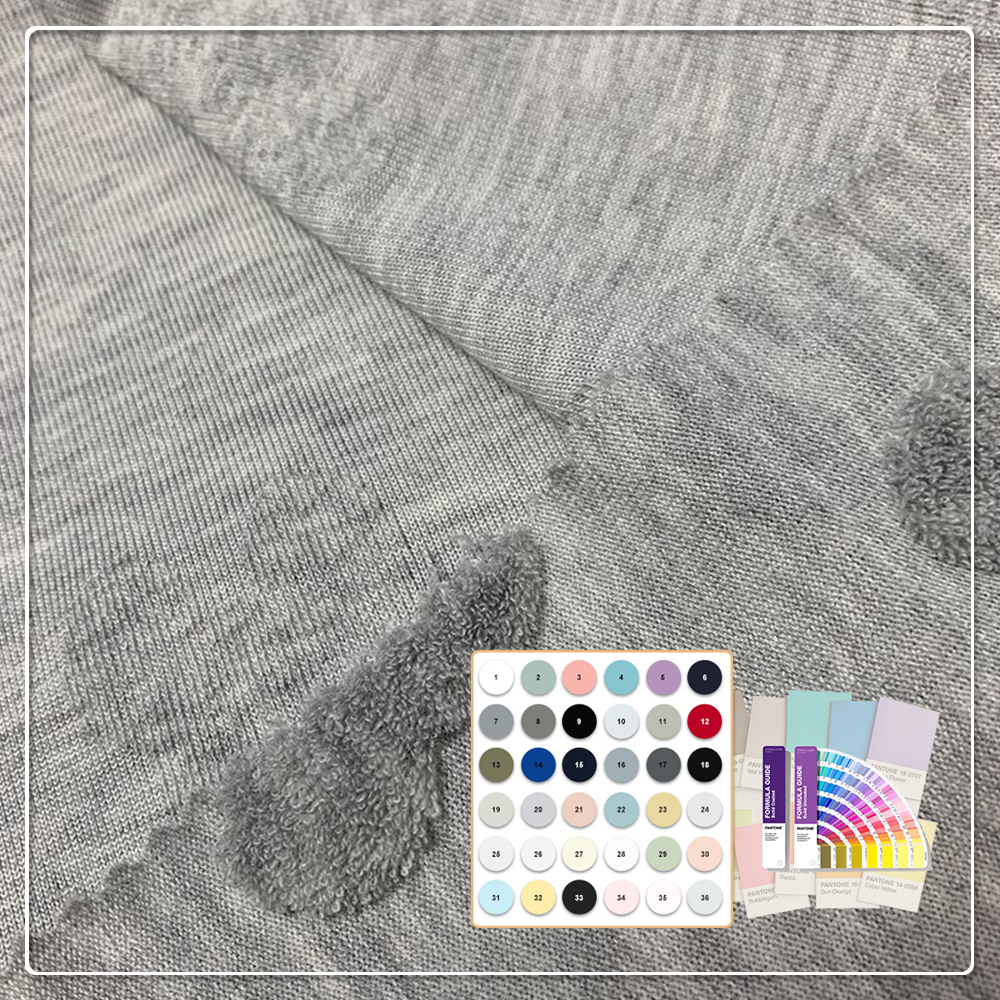
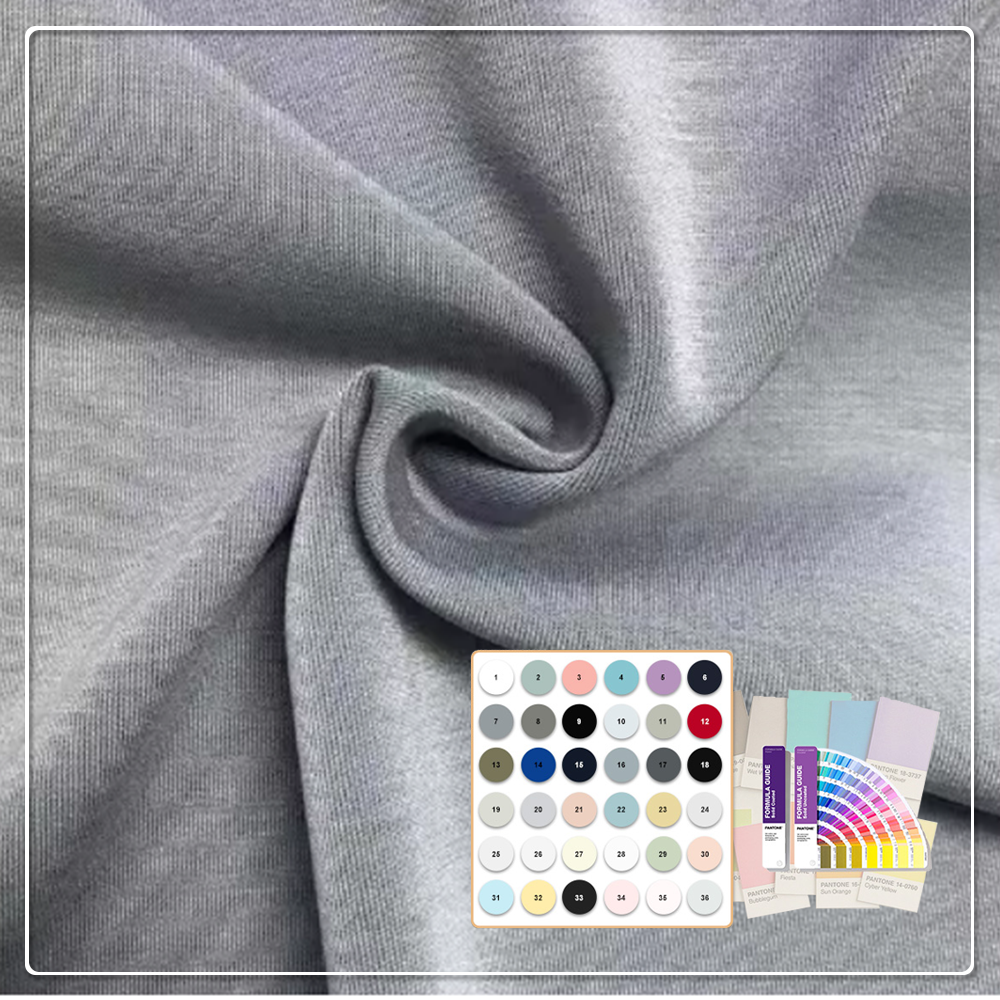







Comparing Bulk Orders of Bamboo, Organic Cotton, and Recycled Polyester
When comparing bulk orders of organic materials, understanding the unique properties of each is vital. Bamboo fabrics are known for their softness, breathability, and natural antibacterial properties, making them ideal for activewear and intimate apparel. Organic cotton, on the other hand, is celebrated for its softness and versatility, suitable for a range of garments from casual wear to high-end fashion.
Recycled polyester offers durability and moisture-wicking properties, making it suitable for outdoor and performance apparel. Buyers should consider the end-use of the fabric when selecting the appropriate material. For example, while bamboo may be chosen for its comfort in casual wear, recycled polyester could be more suitable for performance-oriented products.
It’s also important to factor in the environmental impact and sourcing practices of each material. Bamboo is often viewed as a more sustainable choice, while organic cotton supports pesticide-free farming, and recycled polyester helps reduce plastic waste. Each offers distinct advantages that can align with a brand’s sustainability goals.