EN
Sourcing organic cotton can be a pivotal decision for businesses looking to enhance their sustainability efforts and meet consumer demand for eco-friendly products. Organic cotton is grown without harmful pesticides or synthetic fertilizers, making it a more environmentally responsible choice. However, buyers often face concerns regarding quality, sourcing reliability, and application suitability. This article will guide you through the essential considerations when sourcing Ohyeah organic cotton lycra fabric, detailing specifications, common issues, and its applications in sustainable manufacturing.

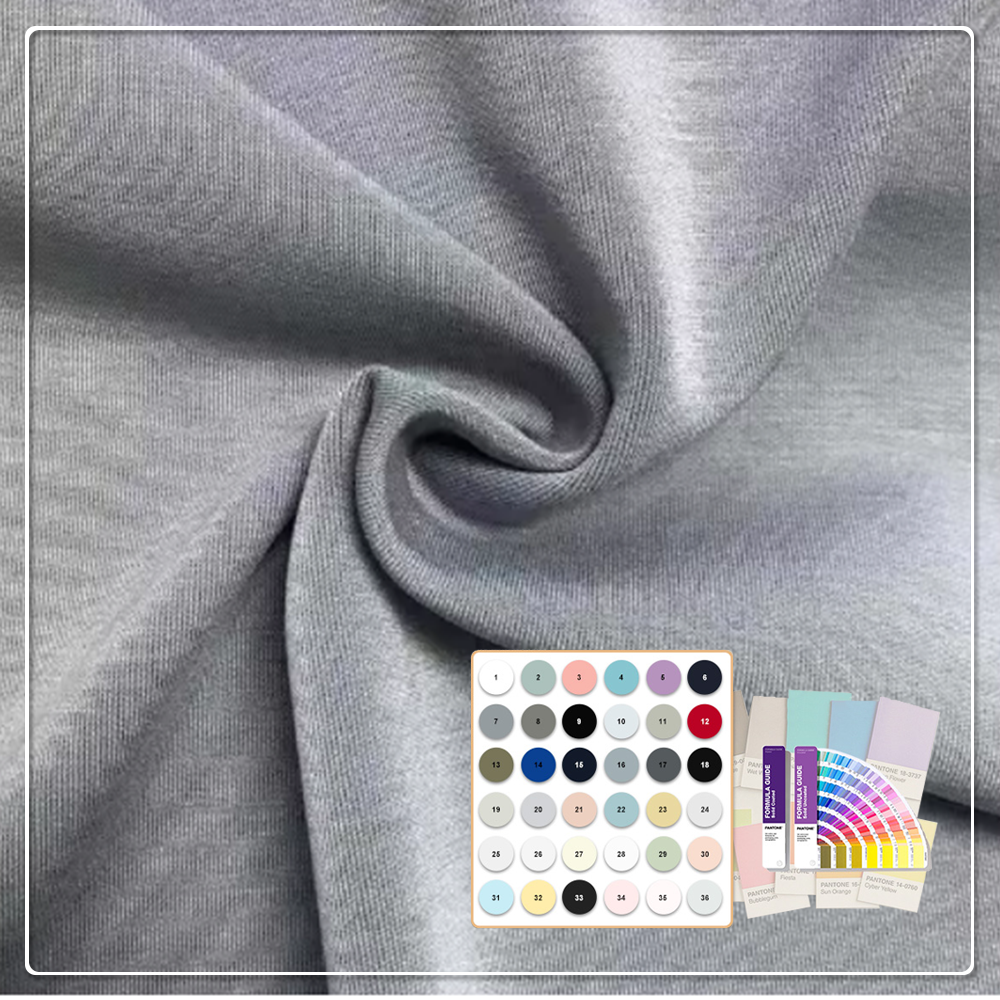







Key Specifications to Evaluate in Organic Cotton Fabrics
Evaluating specifications is crucial in ensuring that the organic cotton you choose meets your product requirements. Key specifications include fabric weight, thread count, and color fastness.
Fabric Weight: This determines the durability and feel of the fabric. Lighter weights are suitable for summer clothing, while heavier weights are ideal for winter apparel. Buyers should specify their intended application when discussing fabric weight with suppliers.
Thread Count: A higher thread count typically indicates a denser and softer fabric. However, it’s essential to balance thread count with the intended use of the fabric. For example, a higher thread count may be desirable for luxury items, while a lower count might suffice for basic applications.
Color Fastness: This refers to the fabric's resistance to fading or running when washed. An acceptable level for organic cotton is between 4-5, which indicates good durability. This is particularly important for products that require frequent washing, such as children’s clothing.
When assessing these specifications, always request samples to evaluate the fabric's performance under actual conditions.