How to Choose Organic Cotton Material for Your Projects

Get a Free Quote

Our representative will contact you soon.
Email
Name
Mobile/WhatsApp
Company Name
Message
0/1000

Organic cotton material

Organic cotton material is increasingly popular among manufacturers and buyers looking for sustainable organic cotton options. As a natural and eco-friendly fabric, organic cotton is cultivated without harmful chemicals, making it a preferred choice for various applications, from apparel to home textiles. However, when sourcing organic cotton, B2B buyers often have concerns about quality, specifications, and supply chain reliability. This article provides insights into selecting the right organic cotton material, evaluating key specifications, finding reliable suppliers, guidance for installation, and addressing common issues.

Our Products

Key Specifications to Evaluate in Organic Cotton Wholesale Orders

When placing wholesale orders for organic cotton, certain specifications should be thoroughly evaluated to ensure product quality and suitability for your needs. Key specifications to consider include: 

Fabric Weight: Measured in grams per square meter (GSM), this affects the fabric’s durability and application. For example, a heavier GSM is generally used for outerwear, while lighter weights are ideal for t-shirts and dresses. 

Thread Count: This relates to the number of threads woven into the fabric and can influence texture, breathability, and overall quality. A higher thread count typically indicates a denser and softer fabric. 

Finish Treatments: Organic cotton can undergo various treatments to enhance its properties. For example, a water-repellent finish may be applied for outdoor applications, while a softening treatment can improve comfort for garments. 

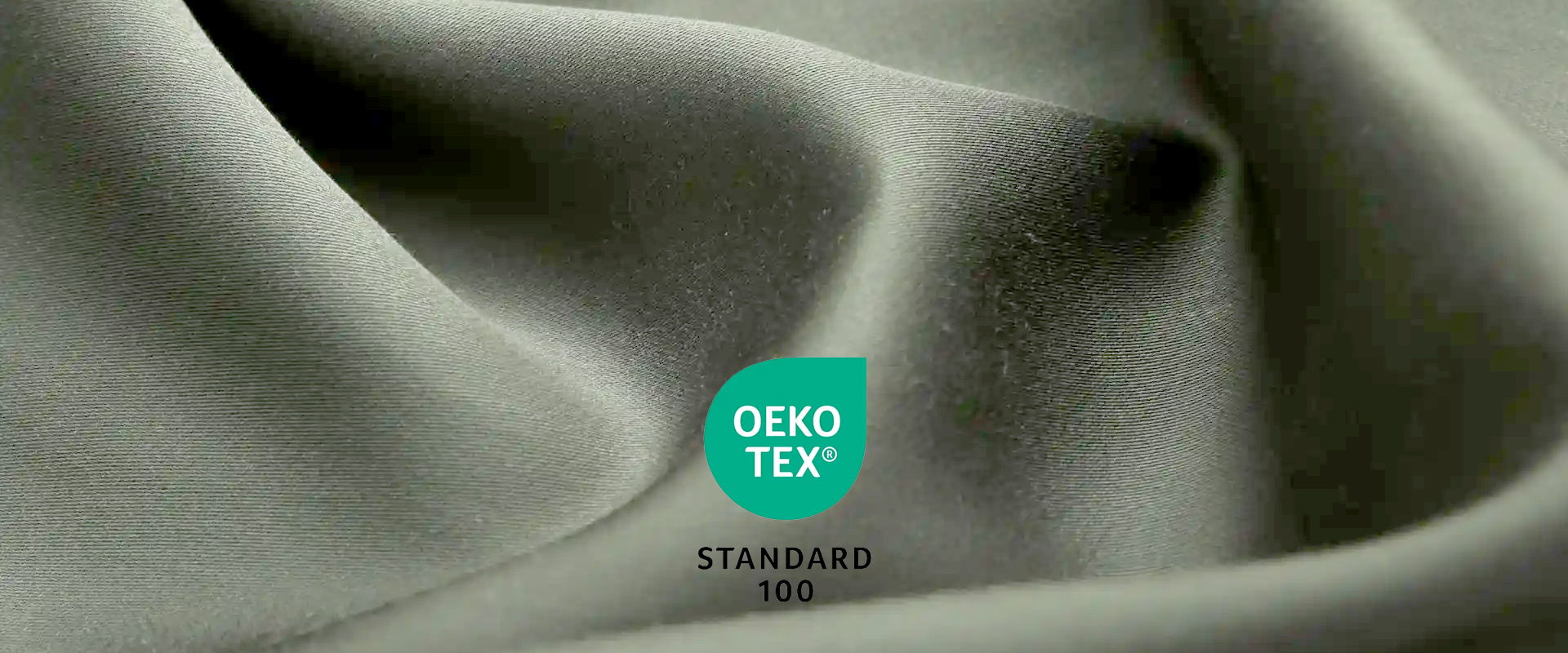
Certifications: As mentioned earlier, certifications like GOTS, OEKO-TEX, and others provide assurance regarding the organic status and safety of the material. Ensure the supplier can provide the relevant documentation for your order. 

Customizations: Inquire about the possibility of customizing fabric colors, prints, or blends with other materials to meet specific project requirements. 

By scrutinizing these specifications, you can make informed decisions that align with your project goals and quality standards. 
Where to Source High-Quality Organic Cotton for Bulk Purchasing

Sourcing high-quality organic cotton for bulk purchasing involves identifying reliable suppliers who can meet your quantity and quality requirements. Here are some strategies to find reputable suppliers: 

Certifications and Compliance: Look for manufacturers that hold certifications such as GOTS, OEKO-TEX, and others relevant to organic textiles. These certifications reflect a commitment to quality and sustainability. 

Factory Visits: If possible, visiting the manufacturing facility can provide insight into the production processes, quality control measures, and overall operational standards. This firsthand experience can help build trust in the supplier. 

Industry Trade Shows: Participating in textile trade shows and exhibitions can facilitate direct interaction with manufacturers. This setting allows you to assess fabric samples, discuss specifications, and negotiate terms on-site. 

Online Marketplaces and B2B Platforms: Utilize B2B platforms that specialize in 100 organic cotton material to connect with certified manufacturers. Ensure to verify their credentials and customer reviews to gauge reliability. 

Requesting Samples: Always request samples before committing to large orders. Evaluating a physical sample enables you to assess the fabric's quality, texture, and overall suitability for your projects. 

By following these steps, you can confidently source high-quality organic cotton that meets your business needs. 

Installation Guidance for Projects Using Organic Cotton Fabrics

Installing projects that utilize organic cotton fabrics requires attention to detail to ensure optimal results. Here are some practical installation tips: 

Pre-Wash Fabrics: Organic cotton may shrink after the first wash, so pre-washing before cutting and sewing is advisable. This helps mitigate any unexpected size changes in the finished product. 

Sewing Techniques: Use appropriate sewing techniques and machine settings for organic cotton. A universal needle is typically suitable, but ensure the needle size matches the fabric weight to avoid damaging the fibers. 

Seam Types: Choose seam types that enhance durability. French seams and flat-felled seams are excellent options for natural organic cotton fabric, as they provide additional strength and a polished finish. 

Finishing Edges: To prevent fraying, consider using a serger to finish edges or applying bias tape. This step is particularly important for garments that will undergo frequent washing. 

Quality Checks: Regularly inspect your installation for flaws such as uneven seams or fabric distortion. Early detection can prevent larger issues down the line. 

By following these installation guidelines, you can ensure that your projects using organic cotton fabrics are executed effectively and maintain quality over time. 

Common Problems with Organic Cotton and Effective Solutions

While organic cotton is an excellent choice for sustainable textiles, it is not without its challenges. Here are some common problems associated with organic cotton and suggested solutions: 

Shrinkage: Organic cotton is prone to shrinkage, especially if not pre-washed. To mitigate this, always pre-wash before cutting and sewing. Additionally, provide care instructions to end-users to minimize further shrinkage. 

Color Fading: Over time, organic cotton may fade, particularly if exposed to sunlight or harsh detergents. Ensure that the fabric has a good color fastness rating and recommend using gentle detergents during washing. 

Pilling: Pilling can occur due to friction, particularly in heavier fabrics. To reduce pilling, consider fabric blends or finishes that enhance durability. Regular washing and careful handling can also help. 

Availability Issues: Sourcing organic cotton can sometimes pose challenges due to fluctuations in supply. Establishing relationships with multiple suppliers can provide backup options in case of shortages. 

Cost Variability: Organic cotton can be more expensive than conventional cotton due to its production methods. To address this, consider bulk purchasing to negotiate better pricing and reduce overall costs. 

By being aware of these potential challenges and implementing effective solutions, you can enhance your purchasing strategy and ensure a successful outcome with organic cotton materials.  

How to Choose the Right Organic Cotton Material for Your Projects

When selecting organic cotton material for your projects, it's essential to consider the intended application. Different projects may require varying fabric weights, textures, and finishes. For instance, lighter organic cotton fabrics are suitable for summer clothing, while heavier weights are more appropriate for winter garments or home textiles. 

Additionally, examine the fabric's certifications, such as GOTS (Global Organic Textile Standard) and OEKO-TEX, which ensure that the material meets specific environmental and safety criteria. These certifications not only confirm the organic status of the cotton but also ensure that the fabric is free from harmful substances, which is particularly crucial for products intended for children or those with sensitive skin. 

Finally, consider the fabric's performance characteristics, such as color fastness and shrinkage. For example, our 100 organic cotton materials typically achieve a color fastness rating of levels 4-5 and a shrinkage rate below 5%. Evaluating these parameters helps ensure that the fabric will meet your quality expectations throughout its lifecycle. 

Our Blog Posts

The Ultimate Guide to Bamboo Fabric: Sustainability, Types, and Uses

14

Jul

The Ultimate Guide to Bamboo Fabric: Sustainability, Types, and Uses

The Ultimate Guide to Bamboo Fabric: Sustainability, Types, and Uses Table of Contents What Is Bamboo Fabric? Why Choose Bamboo Fabric? Types of Bamboo Fabric How Bamboo Fabric Is Made Applications of Bamboo Fabric Care Instructions for B...
View More
How is Bamboo Made Into Fabric

14

Oct

How is Bamboo Made Into Fabric

Making the Ultra Soft Fabric from BambooBamboo fabric is a widely used material in the textile and fashion industry because of its natural softness, texture and warmth. At Ohyeah Textile Co., Ltd, we specialize in making use of the magic of bamboo fi...
View More
How to print on bamboo fabric

04

Feb

How to print on bamboo fabric

I am aware that the bamboo fabric is fast gaining popularity in the fashion as well as the home textile business and it has earned an incredible softness, natural sheen and excellent environmental attributes. Shaoxing City Ohyeah Textile Co., Ltd. ha...
View More
How Tencel Lyocell Fabric Enhances Premium Knitwear Comfort

29

May

How Tencel Lyocell Fabric Enhances Premium Knitwear Comfort

Comfort is never a luxury when it comes to premium knitwear. It is an absolute must. The conscious consumer today demands soft comfort lasts,breathability that performs,and a clear conscience behind the fabric. Tencel Lyocell has been revolution...
View More

Get a Free Quote

Our representative will contact you soon.
Email
Name
Mobile/WhatsApp
Company Name
Message
0/1000

Get a Free Quote

Our representative will contact you soon.
Email
Name
Mobile/WhatsApp
Company Name
Message
0/1000