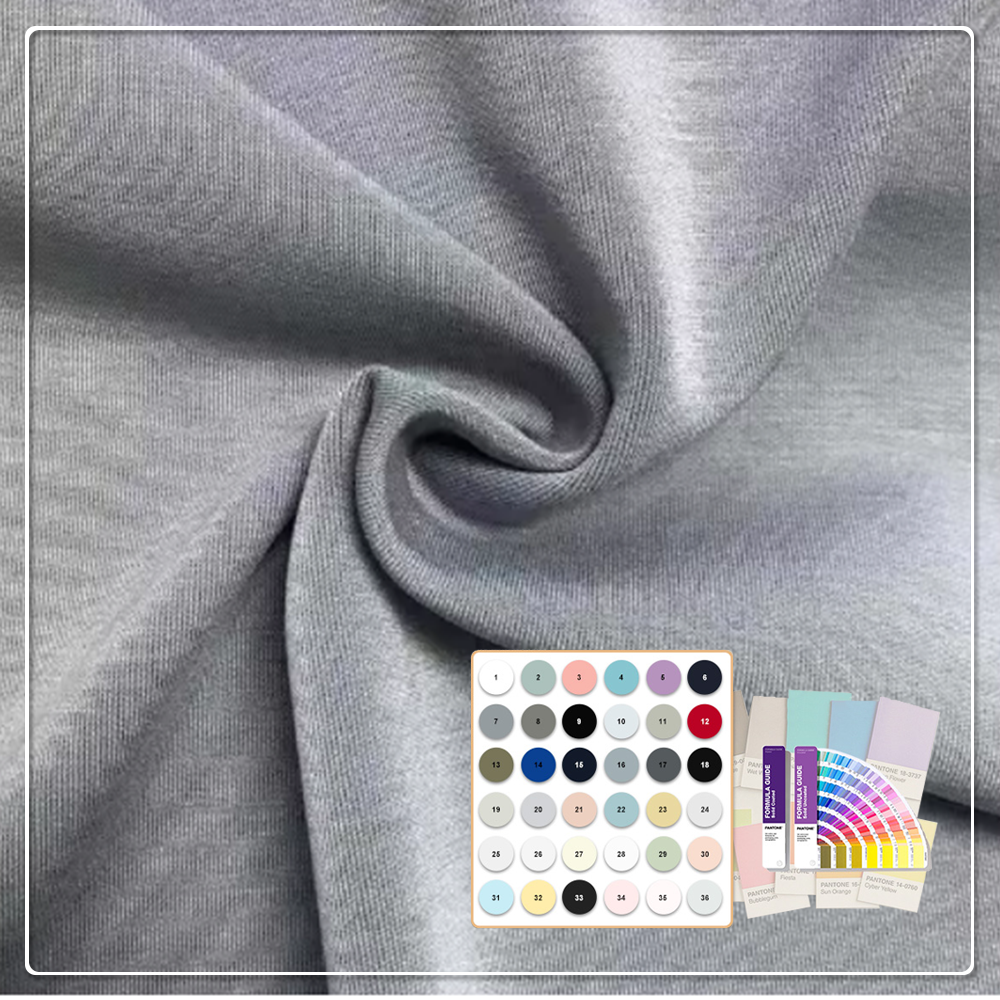
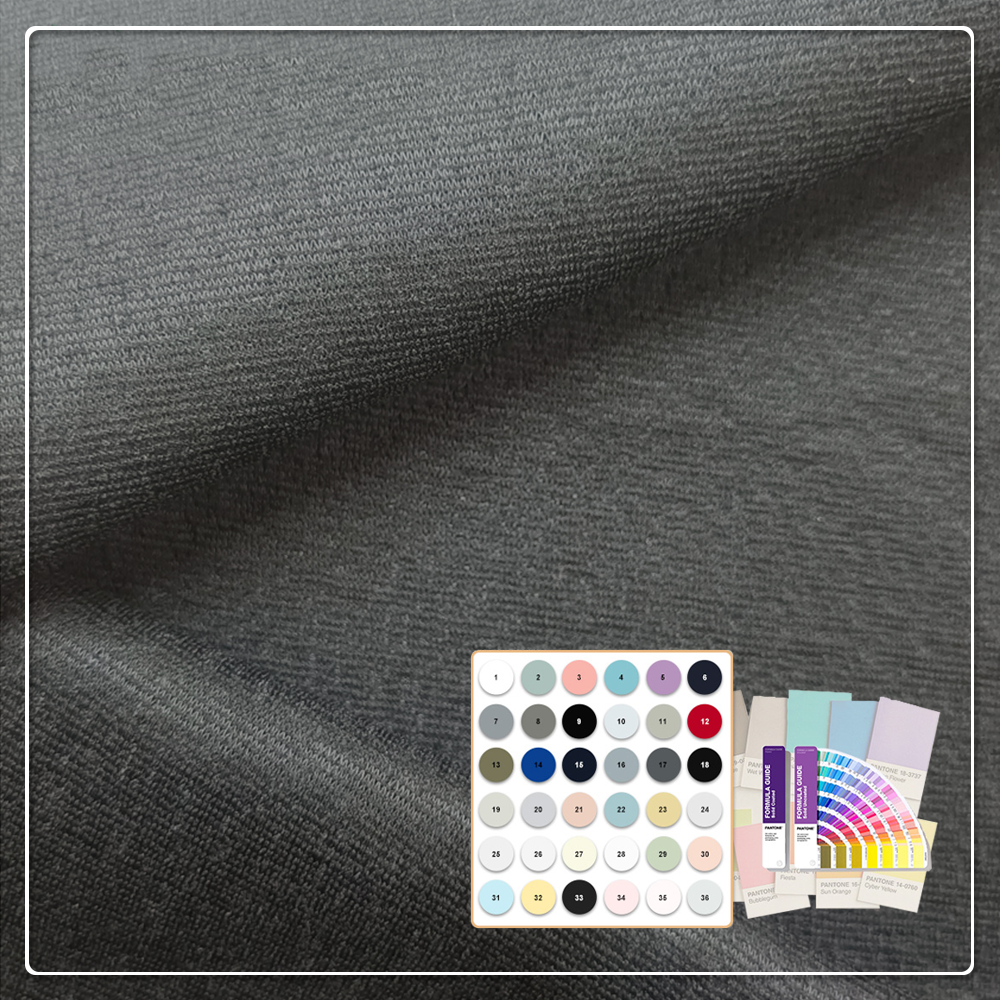
Organic Cotton: Key Specifications and Applications

Get a Free Quote

Our representative will contact you soon.
Email
Name
Mobile/WhatsApp
Company Name
Message
0/1000

Organic cotton sustainable

Ohyeah organic cotton and sustainable and bamboo print cotton fabric are increasingly sought after in the textile industry, especially by businesses focused on eco-friendly practices. As a B2B buyer, understanding the nuances of organic cotton, including its specifications, costs, applications, and potential challenges, is crucial. This article aims to provide a comprehensive overview that will help you make informed decisions when sourcing organic cotton fabrics for your projects

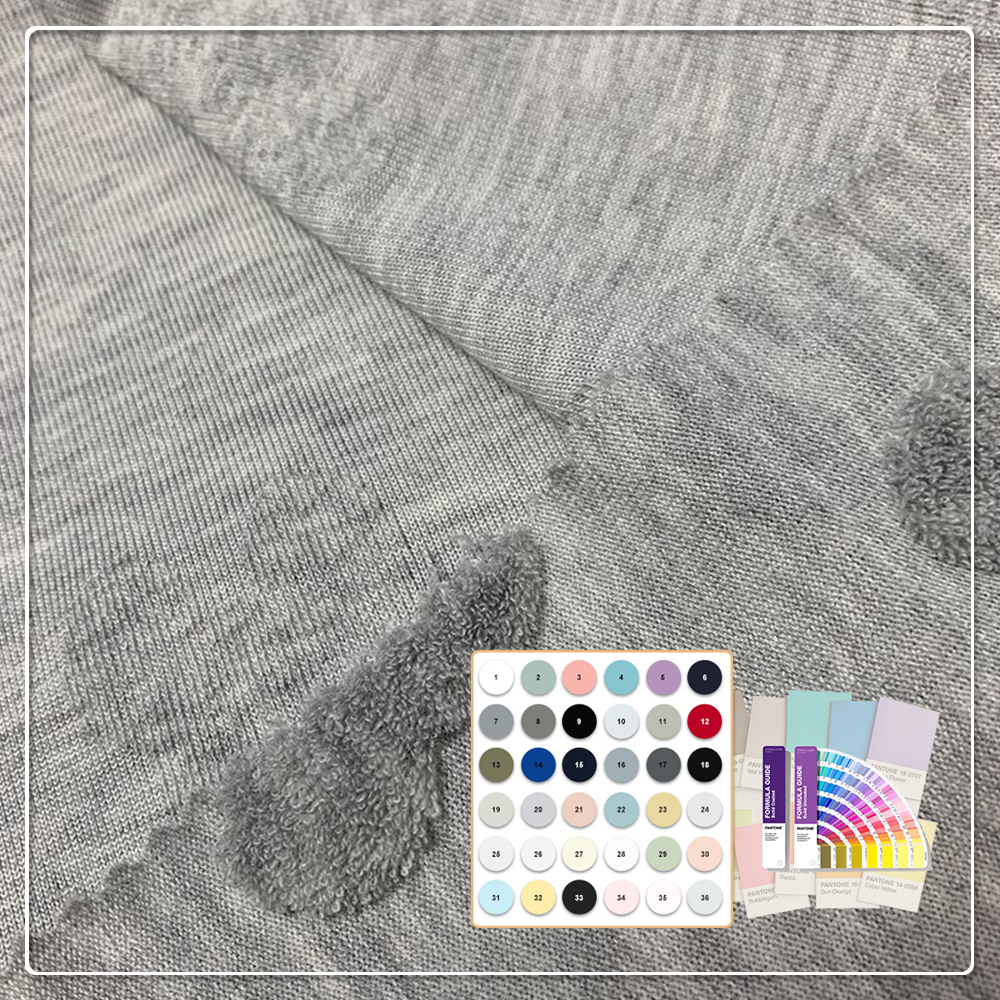
Our Products

How to Evaluate the Cost of Organic Cotton for Your Projects

Cost evaluation of Ohyeah bamboo and cotton fabric involves several factors that can influence pricing. Start by considering the following:

Material Sourcing: Organic cotton is typically more expensive than conventional cotton due to the costs associated with sustainable farming practices. Prices can vary based on the source of the cotton, with locally sourced materials often being more cost-effective than imported options

Certification Costs: Fabrics with certifications such as GOTS or OCS may incur additional costs due to the rigorous standards required for compliance. Ensure that you factor in these potential added costs when budgeting

Minimum Order Quantities (MOQ): Organic cotton manufacturers may have MOQs that can impact pricing. Larger orders typically lead to lower per-unit costs, so consider your inventory needs accordingly

Customization Options: If you require customized colors, patterns, or finishes, be prepared for potential additional costs. Discuss your requirements with suppliers to get accurate pricing tailored to your project specifications

Shipping and Logistics: Don’t overlook organic cotton shipping costs, especially if you are importing materials. Depending on the volume, shipping can significantly impact the final cost

By taking these factors into account, you can more accurately evaluate the overall cost of organic cotton for your projects and make informed purchasing decisions
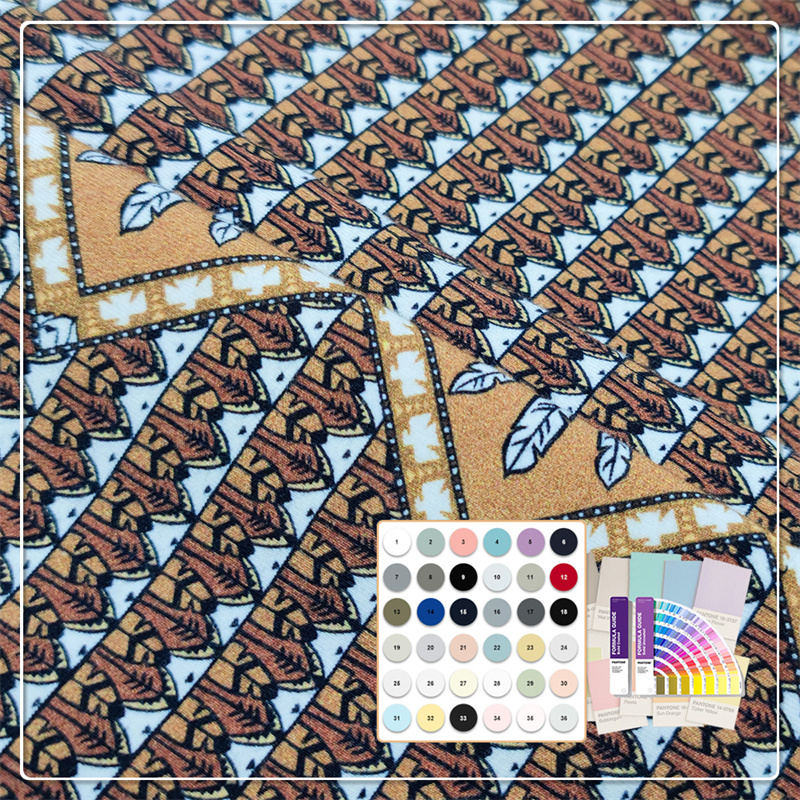
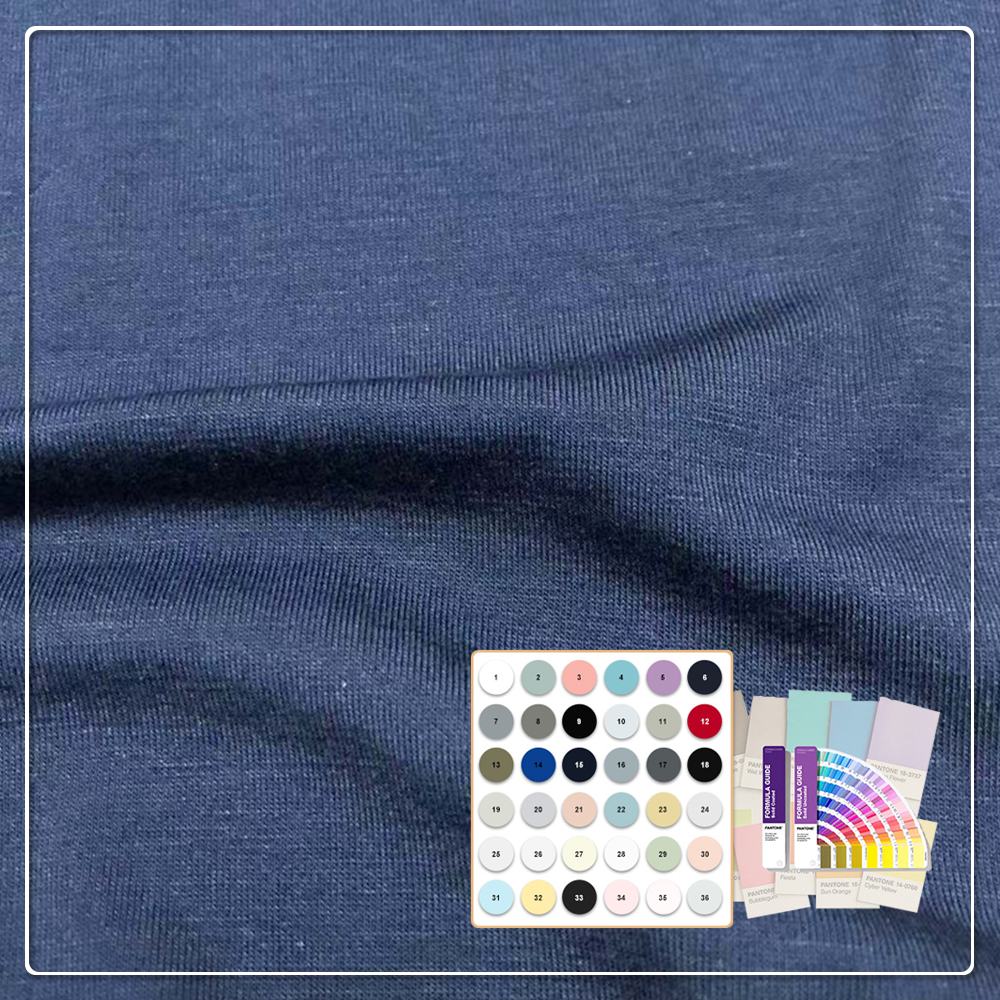
Best Applications for Organic Cotton in Sustainable Manufacturing

Organic cotton's versatility makes it suitable for various applications in sustainable manufacturing. Common uses include:

Apparel Production: Organic cotton is widely used in the fashion industry for producing t-shirts, dresses, and activewear. Its soft texture and breathability make it comfortable for everyday clothing

Home Textiles: Bedding, towels, and curtains made from organic cotton provide a sustainable option for consumers looking for eco-friendly home products. The durability and softness of organic cotton also enhance the user experience

Baby Products: Given its hypoallergenic properties, organic cotton is ideal for baby clothes, diapers, and toys. Parents often prefer organic options for their infants to avoid exposure to harmful chemicals

Industrial Uses: Organic cotton can also be utilized in non-woven applications, such as filters and insulation materials, where sustainability is a priority

When selecting organic cotton for these applications, consider the fabric's specifications to ensure it meets the performance requirements specific to each use

Problems to Anticipate When Purchasing Organic Cotton Fabrics

While organic cotton offers numerous benefits, there are potential challenges that buyers should be aware of:

Supply Chain Complexity: The organic cotton supply chain can be more complicated than that of conventional cotton, leading to potential delays. Ensure you have a reliable supplier who can provide transparent information about sourcing and delivery timelines

Quality Variability: Not all organic cotton fabrics are created equal. Variability in quality can occur based on the supplier and production methods. It’s essential to conduct quality inspections and request samples before committing to larger orders

Higher Costs: As previously mentioned, organic cotton can be more expensive. Buyers should be prepared to navigate budget constraints while balancing sustainability goals

Limited Color Options: Organic dyes may offer fewer color options than synthetic alternatives. Discuss with suppliers about available color palettes and potential customization options

By anticipating these organic cotton challenges and working closely with a credible supplier, you can mitigate risks and ensure a successful procurement process

Material Advantages Explained

Organic cotton fabrics come with several advantages that enhance their appeal in the market:

Environmental Benefits: The cultivation of organic cotton reduces the use of harmful chemicals, promoting healthier ecosystems and reducing soil degradation. This aligns with the increasing consumer demand for environmentally responsible products

Health and Safety: Organic cotton is free from toxic chemicals, making it a safer choice for consumers, especially for sensitive skin or baby products. This health-conscious approach can enhance brand loyalty among eco-aware customers

Durability: Despite common misconceptions, organic cotton can be just as durable as conventional cotton. With proper care, organic cotton fabrics can maintain their quality over time, providing a sustainable choice that lasts

Biodegradability: Organic cotton is biodegradable, reducing waste and environmental impact at the end of its life cycle. This can significantly improve your company's sustainability profile and appeal to eco-conscious consumers

Incorporating organic cotton into your product line not only meets consumer demand for sustainable options but also contributes positively to environmental conservation efforts

By understanding these organic cotton aspects of organic cotton sustainable fabrics, you can make informed decisions that align with your business objectives while supporting eco-friendly practices

Key Specifications for High-Quality Organic Cotton Fabrics

When evaluating Ohyeah organic cotton and bamboo cotton fabric, several key specifications should be considered to ensure quality and suitability for your applications

Material Composition: Organic cotton must be grown without synthetic pesticides or fertilizers, and certified fabrics should meet standards set by organizations like GOTS (Global Organic Textile Standard) and OCS (Organic Content Standard). Look for certifications that ensure the cotton is genuinely organic and traceable

Color Fastness and Shrinkage: A high-quality organic cotton fabric should have a color fastness rating of 4-5 (on a scale of 1 to 5), indicating good resistance to fading. Additionally, shrinkage should be below 5%, ensuring that the fabric maintains its shape and size during washing and usage

Fabric Weight and Thickness: The weight of the organic cotton fabric, typically measured in grams per square meter (GSM), affects its durability and application. Heavier fabrics are generally more robust, while lighter fabrics may be more suitable for delicate applications

Weave and Texture: The weave pattern impacts the organic cotton fabric's breathability, stretchability, and overall feel. Common weaves for organic cotton include jersey for stretch and breathability, and twill for durability and structure

Understanding these specifications will help you assess the quality of organic cotton fabrics and their suitability for your intended use

Our Blog Posts

How is Bamboo Made Into Fabric

14

Oct

How is Bamboo Made Into Fabric

Making the Ultra Soft Fabric from BambooBamboo fabric is a widely used material in the textile and fashion industry because of its natural softness, texture and warmth. At Ohyeah Textile Co., Ltd, we specialize in making use of the magic of bamboo fi...
View More
What Buyers Value Most in Tencel Lyocell Fabric Performance

29

May

What Buyers Value Most in Tencel Lyocell Fabric Performance

When buyers look at Tencel Lyocell for their line, they are more interested in facts and figures than marketing gimmicks. They need facts on performance, consistent quality, a trustworthy supplier with verifiable certifications, and benefit...
View More
Why Tencel Lyocell Fabric Supports High-End Apparel Production

29

May

Why Tencel Lyocell Fabric Supports High-End Apparel Production

High-end garments require a special quality that goes beyond price. They offer exquisite hand-feel,flawless drape,consistent quality,and a story that appeals to sophisticated consumers. When a manufacturer or brand intends to succeed in the high-end ...
View More
Why Tencel Lyocell Is Widely Used in Sustainable Fashion Collections

29

May

Why Tencel Lyocell Is Widely Used in Sustainable Fashion Collections

Sustainable fashion is no longer a trend that only attracts the fringe;it is now mainstream. Designers and brands are actively searching for materials that cause minimal harm to the planet,while still retaining the highest levels of quality and style...
View More

Get a Free Quote

Our representative will contact you soon.
Email
Name
Mobile/WhatsApp
Company Name
Message
0/1000

Get a Free Quote

Our representative will contact you soon.
Email
Name
Mobile/WhatsApp
Company Name
Message
0/1000