Key Specifications for Organic Fabric Clothing

Get a Free Quote

Our representative will contact you soon.
Email
Name
Mobile/WhatsApp
Company Name
Message
0/1000

Organic fabric clothing

Organic fabric clothing is increasingly favored in the B2B marketplace for its sustainable and eco-friendly characteristics. As businesses prioritize sourcing materials that align with environmental standards, understanding the key specifications, costs, suppliers, benefits, and potential challenges of organic fabric clothing becomes essential. Many companies are now demanding eco-friendy and organic fabric clothes in the B2B world. In the world where sourcing organic fabrics is becoming more important for buyers to match to their customers' standards, it is needed to learn the specifications, price, suppliers, advantages, and disadvantages of organic fabric clothing. This article aims to provide valuable insights for purchasing managers, distributors, and product managers seeking to make informed decisions about sourcing high-quality Recycled Polyester Fabric. 

Our Products

How to Evaluate the Cost of Organic Fabric Clothing Orders

Evaluating the cost of organic fabric clothing orders involves several critical factors. 

Material Costs: Organic materials typically come at a premium compared to conventional fabrics.  Understanding the specific types of organic fibers used will help ascertain the base material cost. 

Minimum Order Quantity (MOQ): Manufacturers often have an MOQ that can affect overall costs. It's essential to clarify this upfront to gauge whether you can meet the MOQ without incurring excessive inventory costs. 

Production Capacity and Lead Times: A supplier's production capacity directly impacts pricing. Understanding their monthly output and typical lead times helps in planning your orders effectively. For example, Shaoxing City Ohyeah Textile Co., Ltd. boasts a monthly output of 200 tons, which can support larger orders efficiently. 

Shipping and Packaging: Don’t overlook the potential costs associated with shipping and packaging. Eco-friendly packaging may be more expensive, but it aligns with the organic fabric ethos, enhancing your brand’s appeal. 
Where to Find Reliable Wholesale Organic Fabric Clothing Suppliers

Finding reliable wholesale suppliers is crucial for maintaining a steady supply chain in organic fabric clothing. 

Trade Shows and Expositions: Participating in textile trade shows provides opportunities to meet suppliers face-to-face, inspect their products, and discuss your specific needs. 

Online Marketplaces and Directories: Websites such as Alibaba, ThomasNet, or industry-specific directories can help you identify potential suppliers. Look for those with strong reviews and verified certifications. 

Industry Associations: Joining textile and manufacturing associations can provide access to a network of suppliers who prioritize sustainability and quality. 

Supplier Background Checks: Before making a decision, conduct thorough background checks on potential suppliers. Review their certifications, production history, and quality control processes to ensure they align with your standards. 

Quality and Material Benefits

Organic fabric clothing offers numerous advantages that can enhance your product offerings. 

Sustainability: Sourcing organic materials reduces the environmental impact associated with conventional textile production. This is increasingly important for consumers and businesses aligning with sustainability goals. 

Health and Safety: Organic fabrics are produced without harmful chemicals, making them safer for consumers, particularly for those with sensitive skin. This can be a significant selling point. 

Market Differentiation: Offering organic fabric clothing can set your brand apart in a crowded market. As more consumers seek eco-friendly options, this differentiation can lead to increased customer loyalty and higher sales. 

Enhanced Comfort: Fabrics made from organic materials often provide superior comfort due to their natural properties, which can enhance the overall wear experience for end-users. 

Common Problems with Organic Fabric Clothing and Their Solutions

While organic fabric clothing has many benefits, there are common challenges that buyers should be aware of. 

Inconsistency in Quality: Variations in production processes can lead to inconsistencies in fabric quality. To mitigate this, buyers should request samples before placing large orders. Testing these samples under real-world conditions can help identify any potential issues early. 

Higher Costs: The premium associated with organic fabrics can deter some buyers. However, emphasizing the long-term cost savings associated with customer loyalty and brand reputation can justify the initial investment. 

Limited Color Options: Organic dyeing processes may limit color choices compared to synthetic options.  Discussing color preferences with your supplier early in the design process can help identify suitable alternatives. 

Shrinkage and Care Requirements: Organic fabrics may have specific care instructions to maintain their quality. Providing clear care guidelines to consumers can help prevent shrinkage and maintain Ohyeah Organic Cotton Fabric integrity. 

By understanding these factors, B2B buyers can navigate the complexities of sourcing organic fabric clothing more effectively, ensuring that they select products that meet their needs and those of their customers. 

Key Specifications for High-Quality Organic Fabric Clothing

When evaluating organic fabric clothing, several key specifications should be considered to ensure optimal quality and performance. 

Material Composition: Organic fabric clothing is typically made from materials such as organic cotton, bamboo, or recycled polyester. Each material offers distinct benefits. For instance, organic cotton is known for its softness and breathability, while bamboo is praised for its moisture-wicking properties and sustainability. 

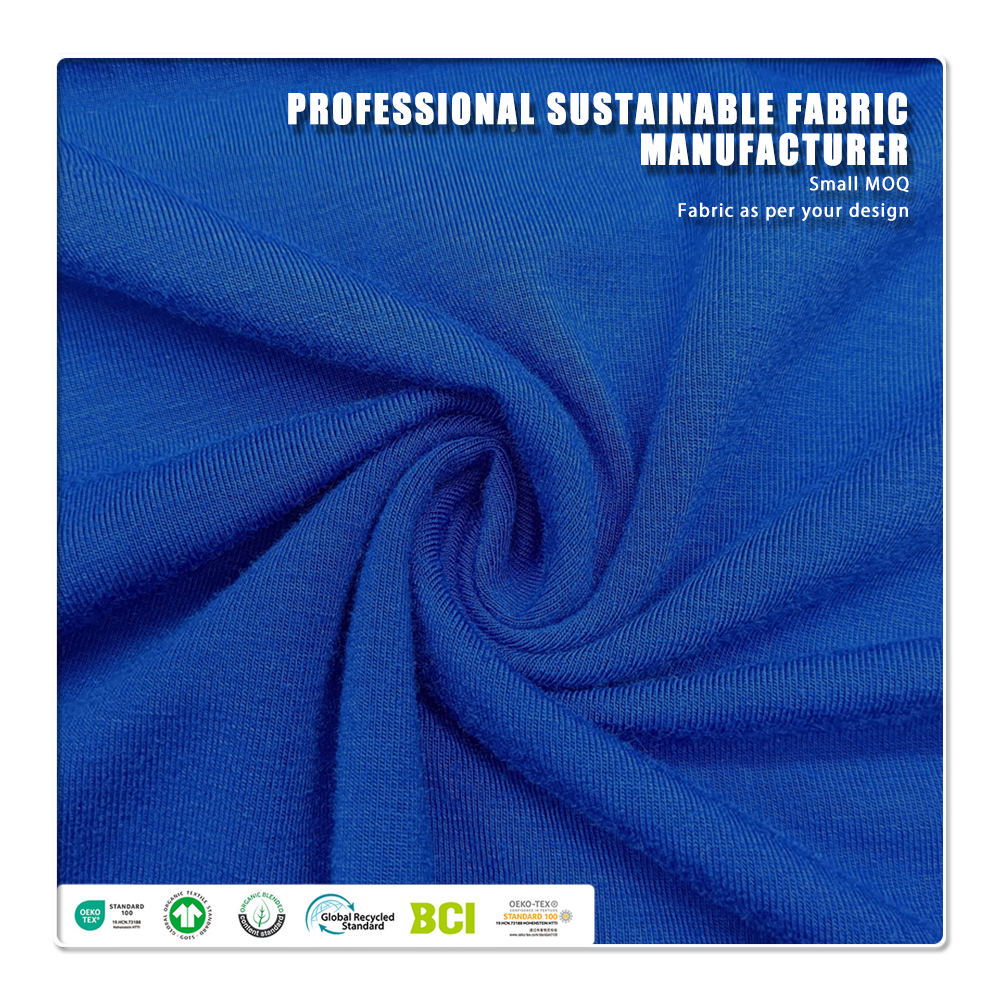
Certifications: Look for certifications like OEKO-TEX, GOTS, OCS, and GRS. These certifications provide assurance that the materials used for Ohyeah Digital Printed Fabric are free from harmful chemicals and are produced in a sustainable manner, which is crucial for meeting market demands for eco-friendly products. 

Durability and Care: High-quality organic fabrics should exhibit a color fastness of level 4-5 and shrinkage rates below 5%. This ensures that the clothing maintains its appearance and fit after multiple washes, which is vital for customer satisfaction. 

Customization Options: Consider whether the manufacturer offers customization in terms of design, colors, and sizes. Customization capabilities can significantly impact your product's marketability and alignment with customer preferences. 

Our Blog Posts

Global Top 10 Bamboo Fabric Suppliers: Ecocert Organic Certified Leaders | Ohyeahtex

05

Dec

Global Top 10 Bamboo Fabric Suppliers: Ecocert Organic Certified Leaders | Ohyeahtex

This comprehensive report, based on a meticulous analysis of industry sources, authoritative certifications, production capacity, and global market presence, identifies the world's Top 10 most influential bamboo fiber fabric manufacturers. These ra...
View More
How to print on bamboo fabric

04

Feb

How to print on bamboo fabric

I am aware that the bamboo fabric is fast gaining popularity in the fashion as well as the home textile business and it has earned an incredible softness, natural sheen and excellent environmental attributes. Shaoxing City Ohyeah Textile Co., Ltd. ha...
View More
Why Tencel Lyocell Is Widely Used in Sustainable Fashion Collections

29

May

Why Tencel Lyocell Is Widely Used in Sustainable Fashion Collections

Sustainable fashion is no longer a trend that only attracts the fringe;it is now mainstream. Designers and brands are actively searching for materials that cause minimal harm to the planet,while still retaining the highest levels of quality and style...
View More

Get a Free Quote

Our representative will contact you soon.
Email
Name
Mobile/WhatsApp
Company Name
Message
0/1000

Get a Free Quote

Our representative will contact you soon.
Email
Name
Mobile/WhatsApp
Company Name
Message
0/1000