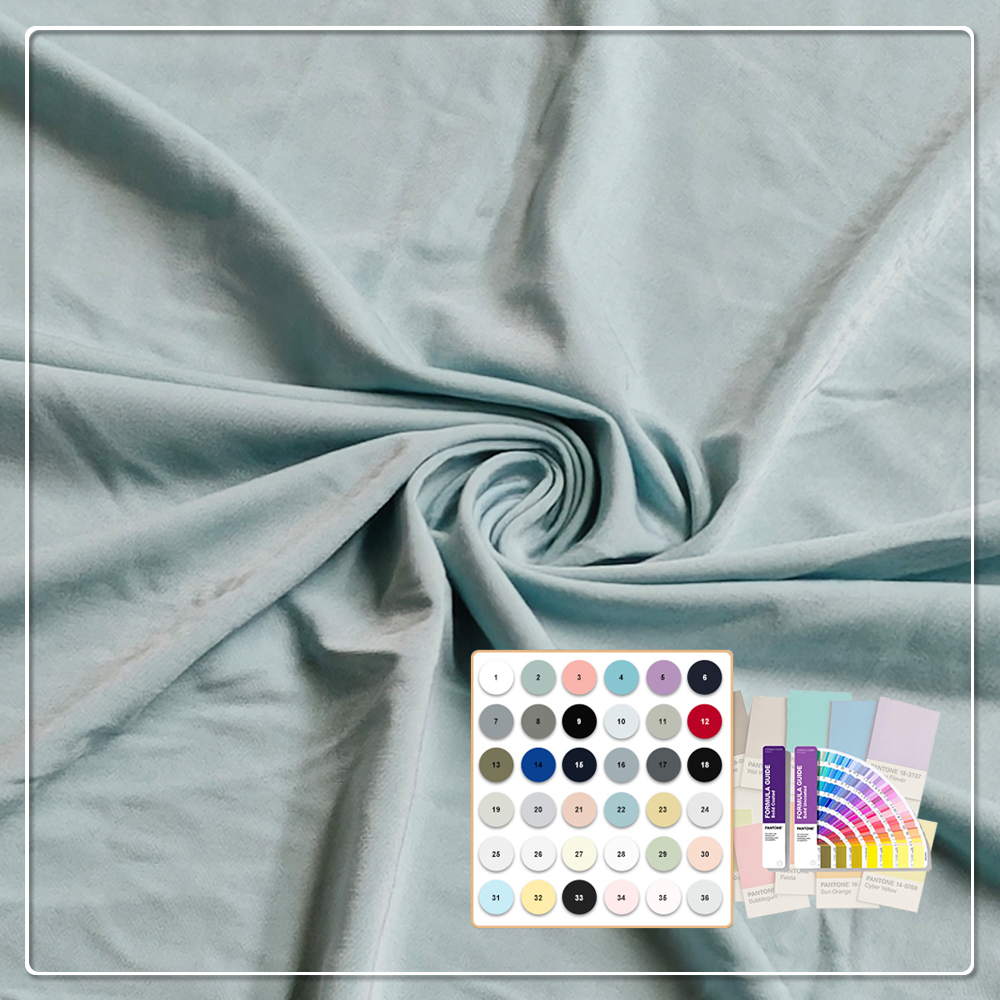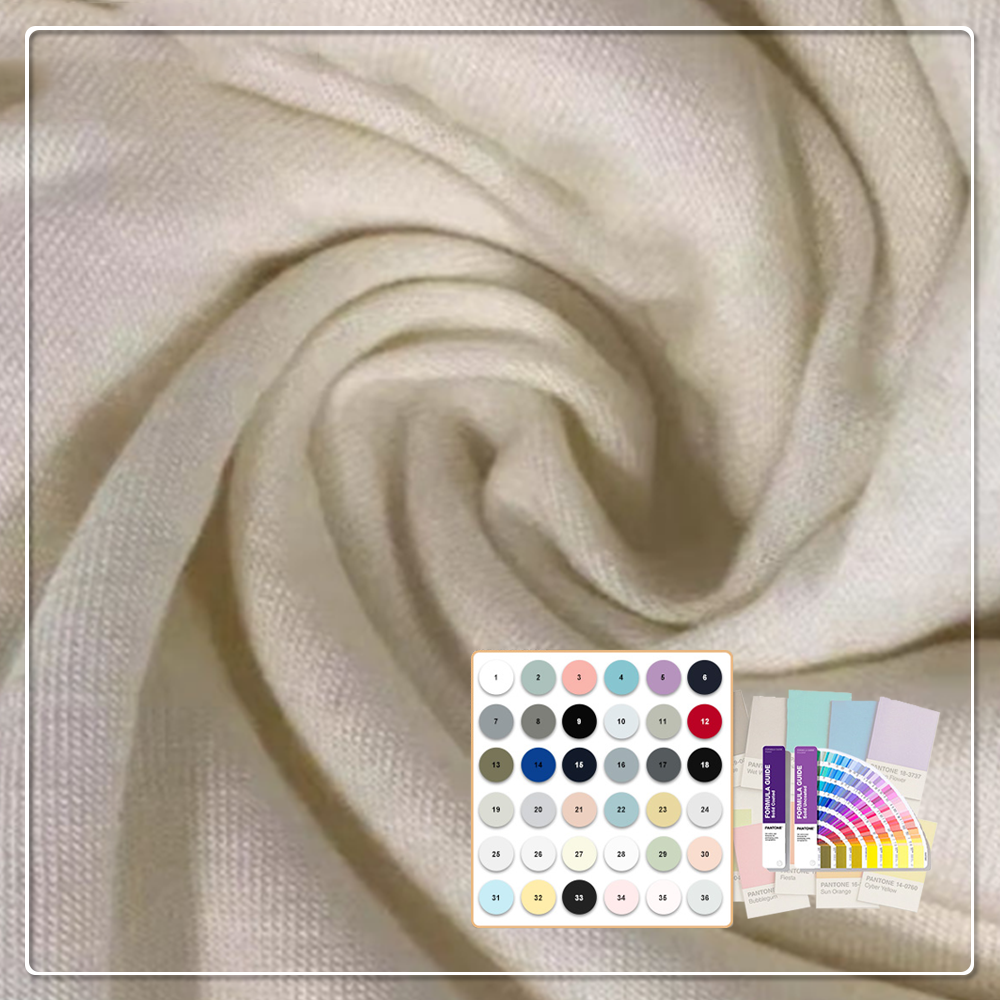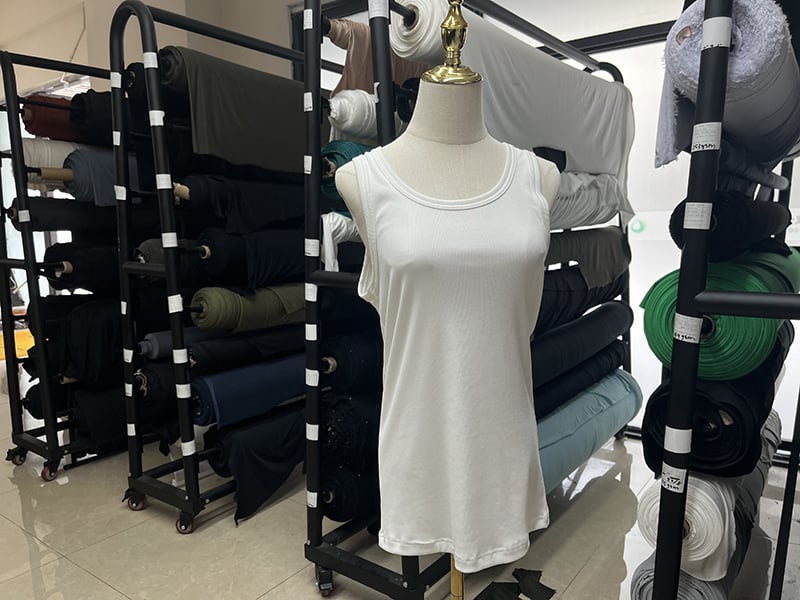
Key Specifications of Poly Wicking Fabric

Get a Free Quote

Our representative will contact you soon.
Email
Name
Mobile/WhatsApp
Company Name
Message
0/1000

poly wicking fabric

Poly wicking fabric is a specialized textile designed to effectively manage moisture and enhance comfort in various applications. This fabric is particularly valued in industries where breathability and moisture control are essential, such as sportswear, outdoor gear, and medical textiles. B2B buyers, including purchasing managers and product developers, often seek information on specifications, quality evaluation, and potential applications before making a procurement decision. This article will provide insights into the key specifications of poly wicking fabric, how to assess its quality, common issues and solutions, its applications across various industries, and installation guidance for your projects.

How to Evaluate the Quality of Poly Wicking Fabric for Projects

Quality evaluation of poly wicking fabric is crucial to ensure it meets performance standards for your intended application. Here are some practical steps for buyers:

Request Samples: Before placing bulk orders, always request fabric samples. Evaluate their feel, weight, and moisture-wicking capabilities under real conditions.

Conduct Performance Testing: Test the fabric for moisture management by applying water to the surface and observing how quickly it wicks away. A high-performing fabric will show rapid absorption and quick drying.

Inspect Certification: Check for certifications such as OEKO-TEX, GOTS, or GRS, which indicate compliance with environmental and safety standards. This is particularly important if eco-friendliness is a key purchasing criterion.

Evaluate Durability: Assess the fabric's durability by examining its resistance to pilling, tearing, and abrasion. Fabrics that withstand wear and tear are essential for products in high-use scenarios.

Review Color and Finish: The quality of dyeing and finishing processes affects both aesthetics and performance. Ensure the colors are vibrant and consistent across samples.

By following these evaluation steps, buyers can ensure they select high-quality poly wicking fabric that meets their project requirements.

Common Problems with Poly Wicking Fabric and Their Solutions

While poly wicking fabric offers many advantages, it can also present certain challenges. Here are common issues and practical solutions:

Poor Moisture Management: If the fabric does not wick moisture effectively, it can lead to discomfort. Ensure that the fabric's hydrophilic properties are tested before bulk ordering. If issues persist, consider blends with higher-performance fibers.

Fading Colors: Over time, colors can fade due to repeated washing. Opt for fabrics with high color fastness ratings and consider using chemical treatments that enhance color retention.

Pilling: Pilling can occur due to friction and wear. To mitigate this, select fabrics with a tighter knit or weave, and confirm that they have undergone treatments to enhance durability.

Limited Breathability: In humid conditions, inadequate breathability can trap heat and moisture. Choose fabrics with higher air permeability ratings to ensure comfort.

Shrinkage: Fabrics that shrink excessively after washing can compromise fit. Always confirm shrinkage rates and consider pre-washing fabric samples to assess how they react to laundering.

By addressing these issues proactively, buyers can avoid common pitfalls and select more reliable poly wicking fabrics.

Applications of Poly Wicking Fabric in Various Industries

Poly wicking fabric is versatile and finds applications in numerous industries, including:

Sportswear and Activewear: The fabric's moisture-wicking properties make it ideal for athletic clothing, helping athletes stay dry and comfortable during workouts.

Outdoor Gear: For outdoor enthusiasts, poly wicking fabric is used in jackets, base layers, and accessories, providing essential moisture management in varying weather conditions.

Medical Textiles: In healthcare, poly wicking fabrics are employed in patient wear and bedding, offering comfort and moisture control for patients.

Fashion and Apparel: Fashion designers are increasingly using poly wicking fabrics to create stylish yet functional garments that appeal to consumers seeking both aesthetics and comfort.

Home Textiles: From bed linens to active household items, this fabric is applied where moisture management is a plus, enhancing overall user experience. Understanding these applications helps buyers identify suitable products for their specific needs, ensuring they select the right fabric for their target market.

Installation Guidance for Poly Wicking Fabric in Your Projects

Proper installation of poly wicking fabric is vital for maximizing its performance. Here are essential tips for buyers:

Pre-Wash the Fabric: Always pre-wash poly wicking fabric to eliminate any residual chemicals from manufacturing and to assess shrinkage rates.

Use Appropriate Sewing Techniques: Employ sewing techniques that accommodate the fabric's stretch and moisture management properties. A serger or flatlock stitch is often recommended to ensure durability and prevent fraying.

Choose the Right Notions: Use moisture-wicking threads and appropriate zippers or closures that will not hinder the fabric's performance.

Test Fit and Comfort: When creating garments or products, conduct fit tests to ensure comfort and functionality. Adjust patterns as necessary to accommodate the fabric's behavior.

Educate End Users: Provide care instructions for the end users, emphasizing proper washing and drying techniques to maintain the fabric's performance over time.

By following these installation guidelines, buyers can enhance the effectiveness of their products and ensure customer satisfaction.

In summary, understanding the key specifications, quality evaluation methods, common problems, applications, and installation practices for poly wicking fabric can greatly assist B2B buyers in making informed purchasing decisions. This knowledge not only fosters better product outcomes but also enhances overall project success.

Key Specifications of Poly Wicking Fabric for Bulk Orders

When sourcing poly wicking fabric, several specifications should be prioritized to ensure the material meets application requirements. Key specifications include:

Material Composition: Typically made from polyester or a blend with other fibers, the material's composition affects moisture-wicking capability, durability, and comfort. For instance, recycled polyester offers an eco-friendly option without compromising performance.

Weight and Thickness: The weight of the fabric, usually measured in grams per square meter (GSM), influences its feel and performance. A lighter fabric is preferred for high-activity wear, while heavier weights may be suitable for colder climates.

Moisture Management: Look for a fabric with excellent moisture-wicking properties, indicated by a high hydrophilic rating. This ensures sweat is pulled away from the skin, keeping the wearer dry.

Breathability: Essential for comfort, breathability is often measured by the fabric's air permeability, which affects how well heat and moisture escape.

Color Fastness: A color fastness rating of 4-5 is ideal, indicating resistance to fading and bleeding during washing and exposure to sunlight.

Shrinkage Rate: A shrinkage rate below 5% ensures that the fabric maintains its size and shape after laundering.

Understanding these specifications will help buyers make informed decisions and select the right poly wicking fabric for their needs.

Our Blog Posts

How Tencel Lyocell Fabric Enhances Premium Knitwear Comfort

29

May

How Tencel Lyocell Fabric Enhances Premium Knitwear Comfort

Comfort is never a luxury when it comes to premium knitwear. It is an absolute must. The conscious consumer today demands soft comfort lasts,breathability that performs,and a clear conscience behind the fabric. Tencel Lyocell has been revolution...
View More
Why Tencel Lyocell Meets the Needs of Eco-Conscious Apparel Brands

29

May

Why Tencel Lyocell Meets the Needs of Eco-Conscious Apparel Brands

Making sustainable clothing is no small feat. Eco-friendly brands need materials that are truly sustainable while still delivering comfort, quality, and performance. Lots of 'green' materials have one or more major weaknesses that are overlooked or m...
View More
How Tencel Modal Elevates the Comfort Standards of Modern Knitwear

13

Oct

How Tencel Modal Elevates the Comfort Standards of Modern Knitwear

The pursuit of comfort in the evolving reality of the fabric has been revolutionized into something not just about soft touch experience to a comprehensive performance, sustainability, and longevity criterion. The change has been witnessed in Shaoxin...
View More
How Tencel Modal Fabric Improves Garment Comfort Without Extra Weight

13

Oct

How Tencel Modal Fabric Improves Garment Comfort Without Extra Weight

With clothes that make you feel good, it was always a compromise, luxuriously soft clothes were bulky and substantial, and light weight clothes had a more “normal” feel about them. Something we have been unable to reconcile for a long tim...
View More

Get a Free Quote

Our representative will contact you soon.
Email
Name
Mobile/WhatsApp
Company Name
Message
0/1000

Related product categories

Get a Free Quote

Our representative will contact you soon.
Email
Name
Mobile/WhatsApp
Company Name
Message
0/1000