EN
Recycled fabrics have emerged as a key player in sustainable manufacturing, offering eco-friendly alternatives that appeal to conscientious buyers. As a B2B purchaser, recycled fabric suppliers understanding the nuances of sourcing recycled fabric suppliers is critical to ensuring quality, compliance, and suitability for your specific applications. This recycled fabric article aims to address your primary concerns, such as evaluating fabric quality, navigating common sourcing challenges, and selecting the right supplier to meet your project needs.

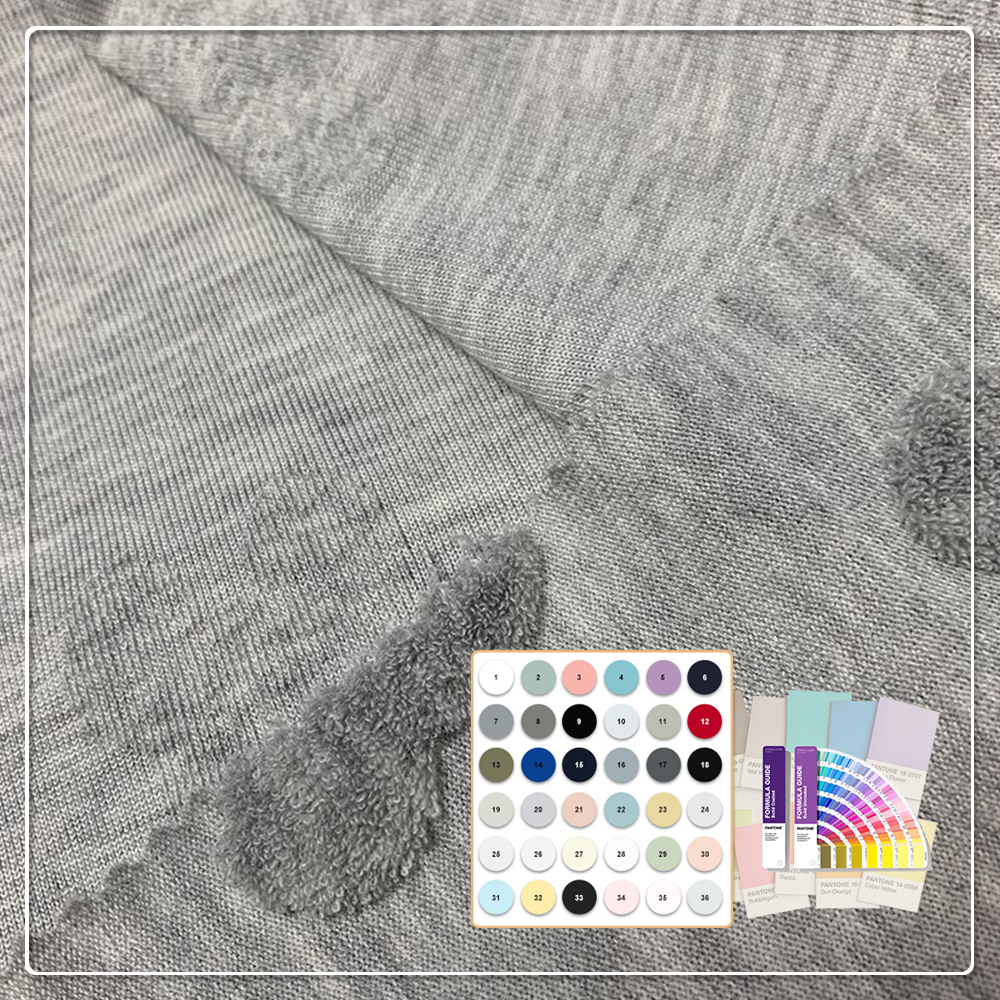
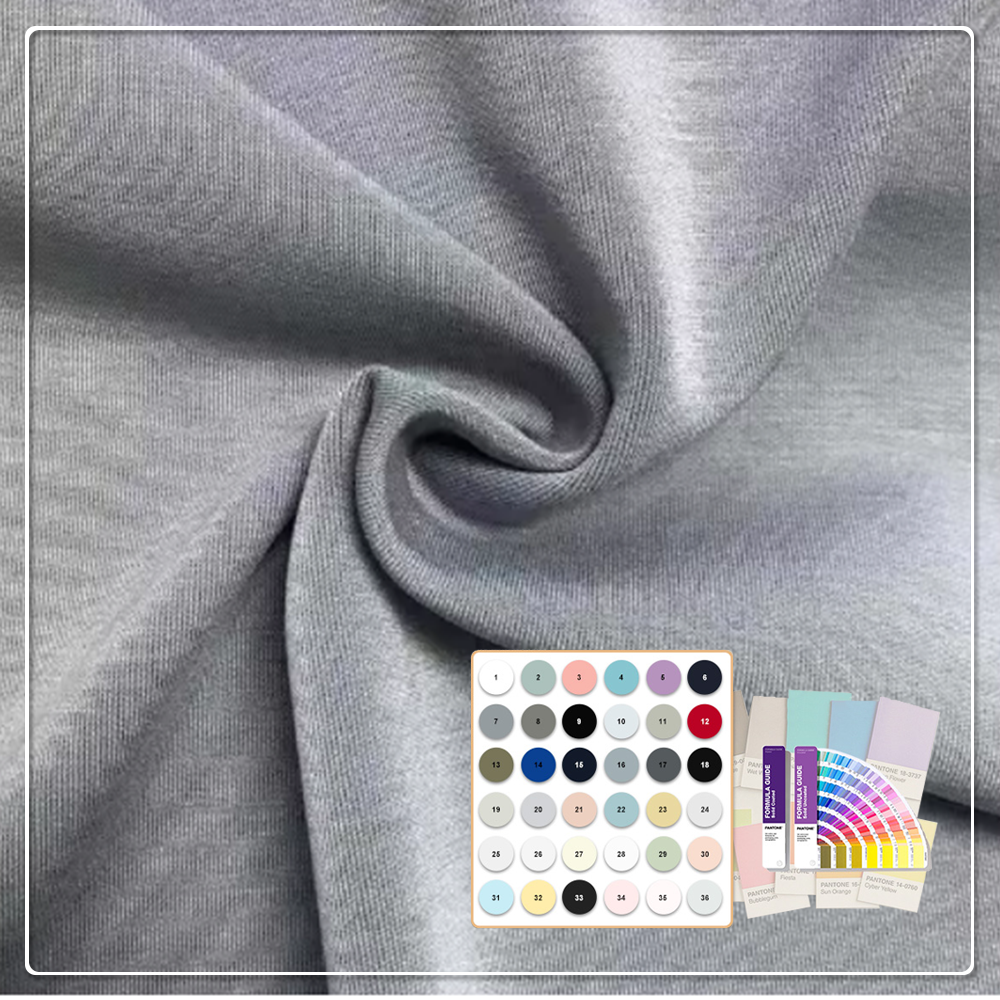







Buyers should consider a range of factors
Buyers should consider a range of factors when sourcing recycled fabrics. One of the most significant considerations is the intended application of the fabric. For example, recycled fabric suppliers intended for outerwear must be evaluated for water resistance and durability, while those for inner linings may prioritize softness and breath ability.
Another key consideration is the supplier’s production capacity and lead times. Understanding the minimum order quantities (MOQs) and potential production timelines can help you plan your project effectively. For instance, if you're launching a seasonal collection, ensuring that your supplier can meet your deadlines is critical. Additionally, recycled microfiber fabric budget constraints play a major role in sourcing decisions. While recycled fabrics may have a higher upfront cost compared to conventional materials, the long-term benefits—such as reduced environmental impact and potential for market differentiation—can justify the investment. Be sure to discuss pricing structures with suppliers to identify the best value for your needs.