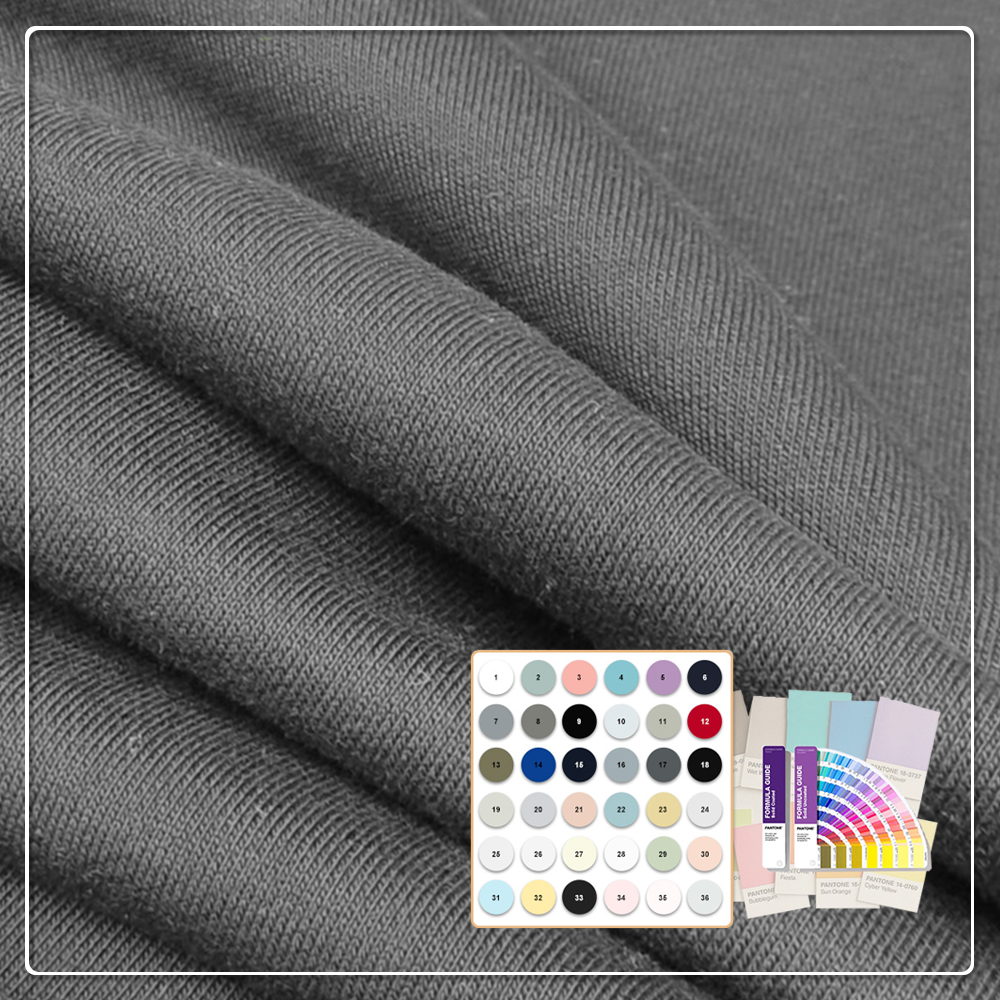
Evaluating Recycled Polyester: Quality and Suppliers

Get a Free Quote

Our representative will contact you soon.
Email
Name
Mobile/WhatsApp
Company Name
Message
0/1000

Recycled polyester

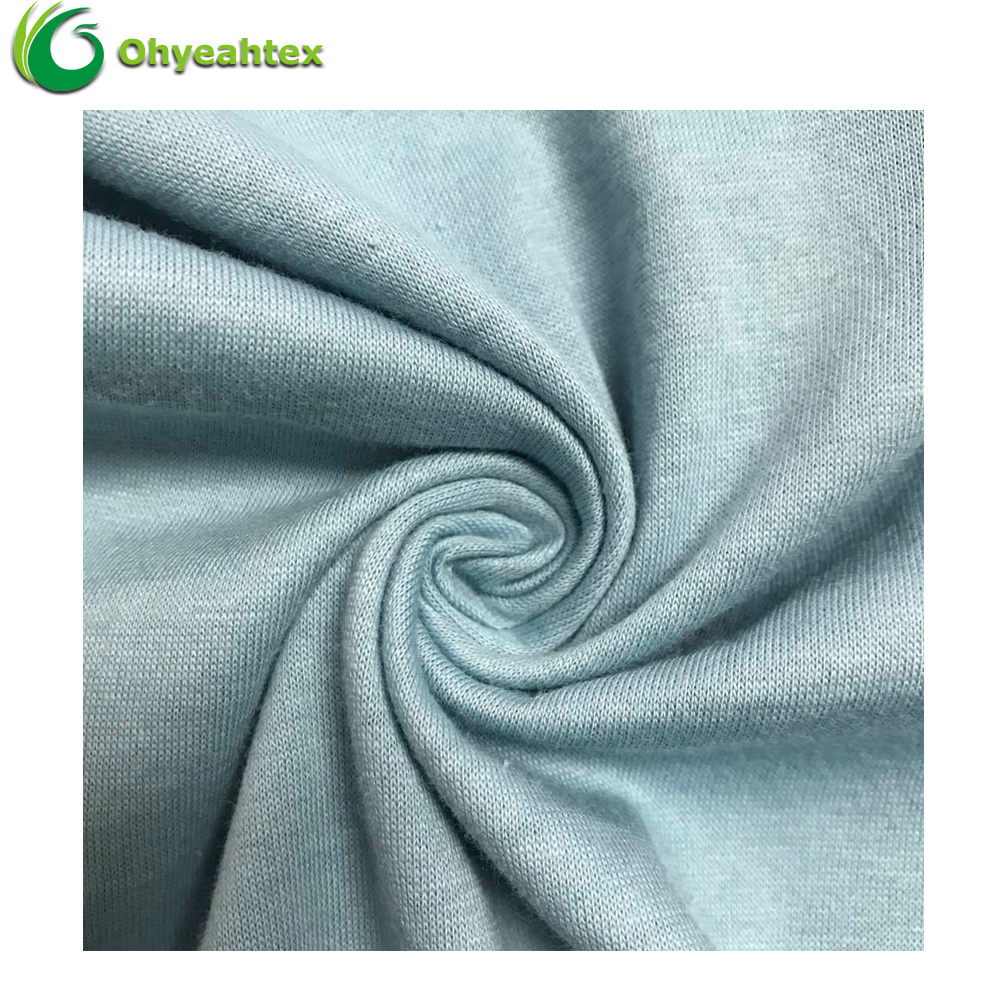
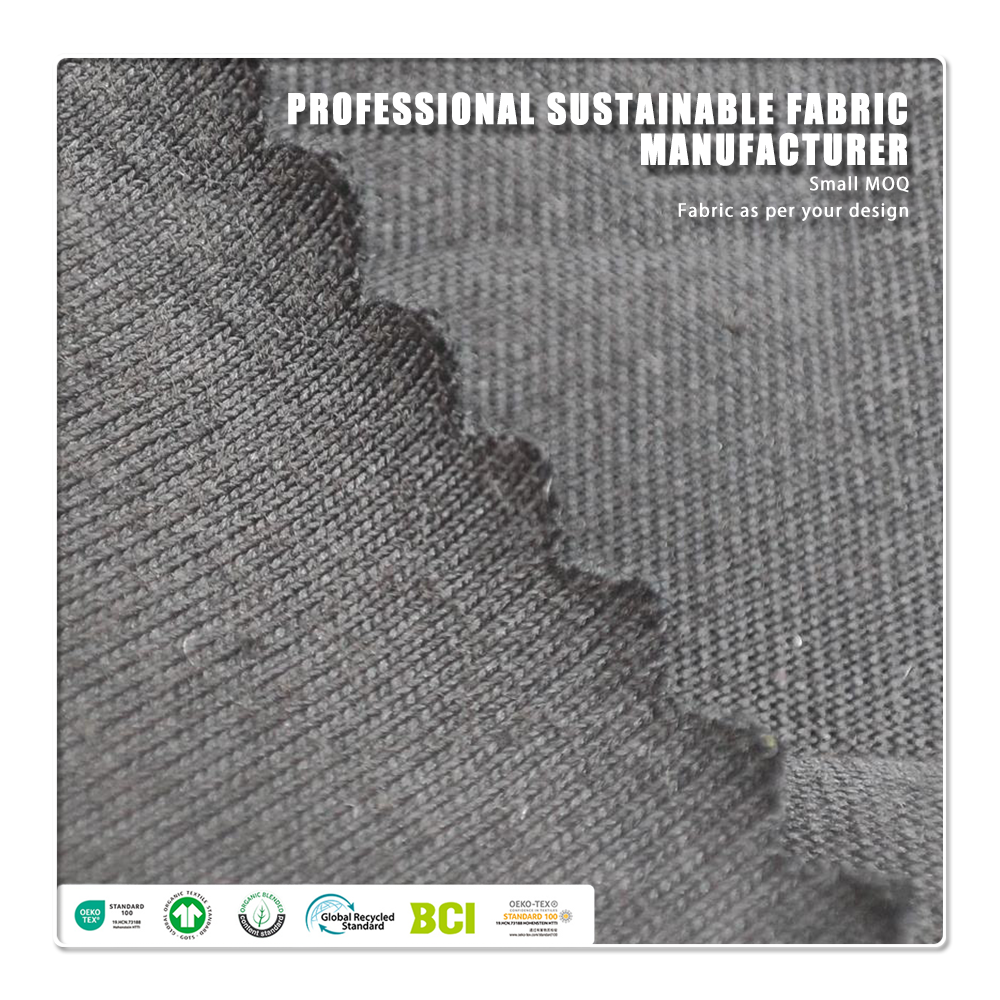
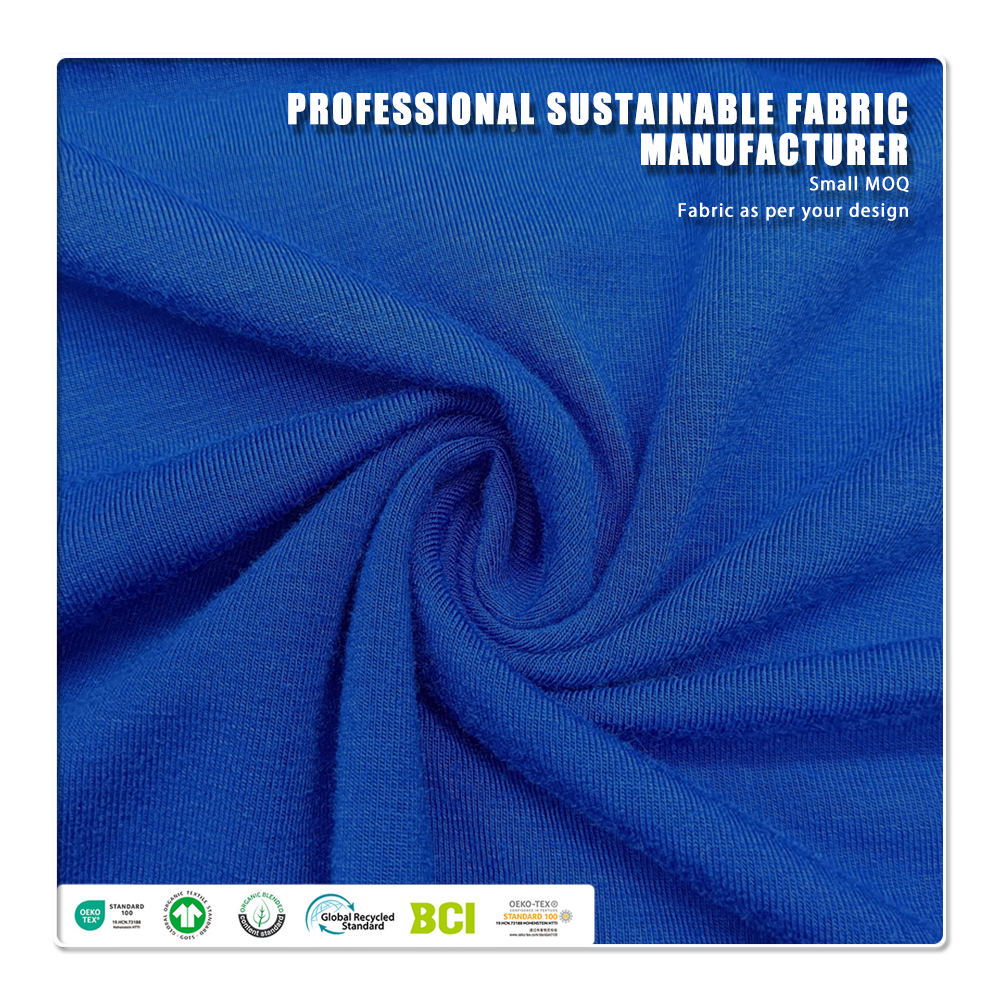
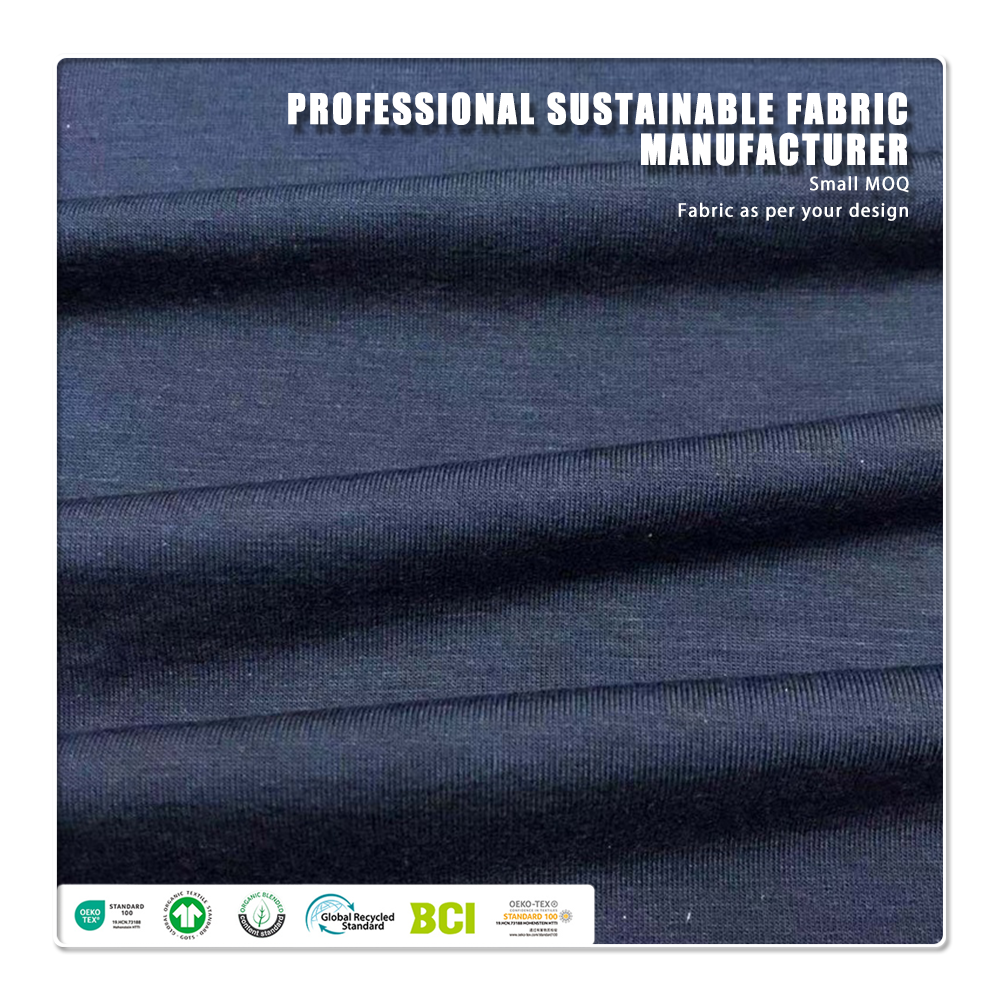
Recycled polyester is a sustainable fabric option made from post-consumer plastic waste, offering an eco-friendly alternative to traditional polyester. As more companies prioritize sustainability, understanding the quality, sourcing, and application of recycled polyester fabric becomes crucial for B2B buyers including purchasing managers, product managers, and manufacturers. This article will provide insights into evaluating recycled polyester fabrics, identifying reliable suppliers of recycled polyester, comparing specifications, assessing cost factors in bulk orders, and highlighting the advantages of using recycled polyester in manufacturing processes. 

Our Products

Reliable Suppliers of Recycled Polyester

Finding a reliable supplier of recycled polyester involves more than just a search for the lowest price. Look for manufacturers with established certifications and a proven track record in eco-friendly manufacturing. Companies like Shaoxing City Ohyeah Textile Co., Ltd. showcase a commitment to quality through their certifications such as OEKO, GOTS, and GRS, which affirm their adherence to rigorous environmental and social standards. 

Furthermore, assess the supplier's manufacturing capabilities. A factory equipped with advanced circular knitting machines, like the one Ohyeah Textile operates, can produce high-quality fabrics consistently. It is also important to inquire about the supplier's quality control processes ensure they have mechanisms in place to monitor production quality at every stage. 

Lastly, consider the supplier’s export experience and distribution capabilities. A supplier with a solid export market background can facilitate smoother logistics and compliance with international regulations. 
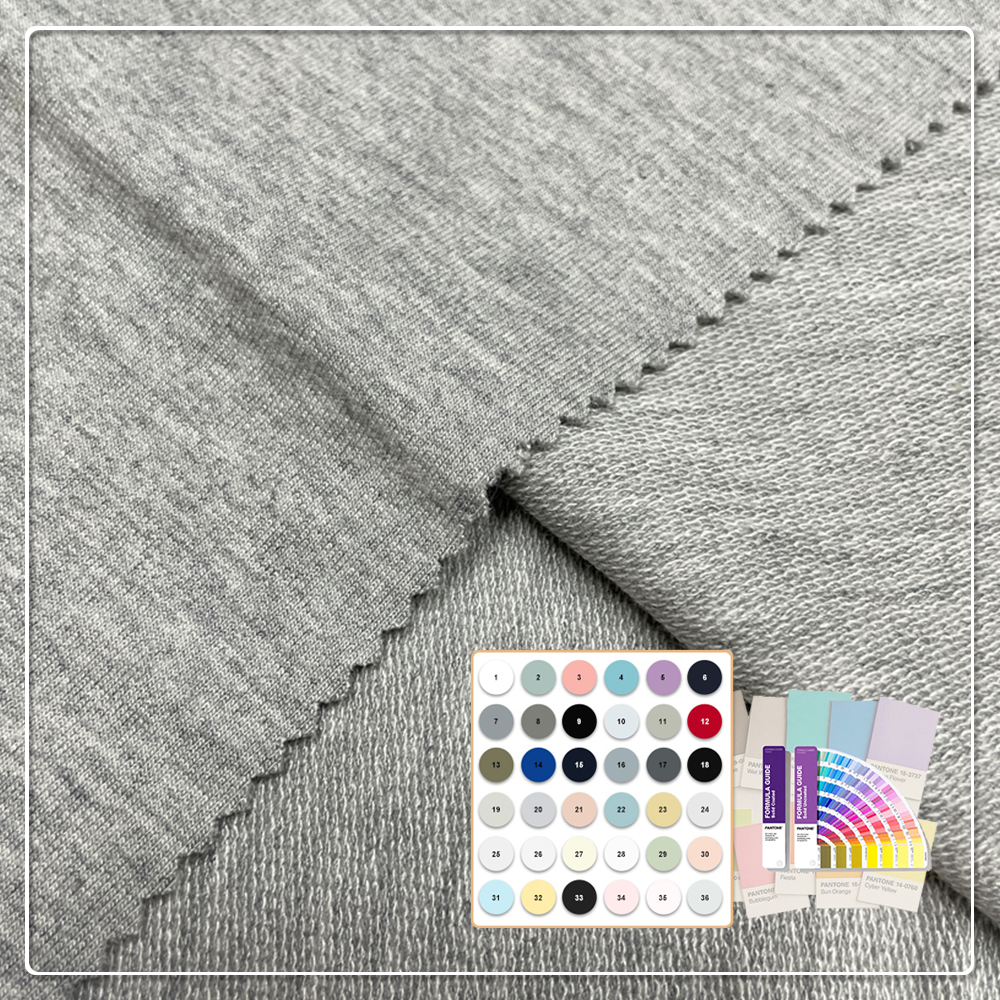
Comparing Recycled Polyester Specifications for Optimal Selection

When selecting recycled polyester, it is crucial to compare specifications that directly impact the fabric’s performance and suitability for specific applications. Key specifications include:  

Yarn Count: This affects the fabric's weight and durability. Higher yarn counts typically yield denser fabrics that can withstand greater wear and tear. 

Fabric Weight: Measured in grams per square meter (GSM), this determines the thickness and sturdiness. Lighter recycled microfiber fabric are more suitable for clothing, while heavier weights are ideal for upholstery or industrial applications. 

Breathability and Moisture Management: Properties such as moisture-wicking capabilities are essential, especially in activewear. Fabrics that promote airflow and manage perspiration will enhance user comfort. 

Stretch and Recovery: For applications requiring flexibility, such as activewear, consider fabrics with a good stretch ratio and recovery properties. 

Surface Treatments: Some recycled polyester fabrics may undergo treatments for water resistance or UV protection, which can be crucial depending on the end-use. 

By assessing these specifications, buyers can ensure they select a recycled polyester that aligns with their specific needs and performance requirements. 

Cost Factors in Bulk Orders of Recycled Polyester Materials

Understanding the cost factors associated with bulk orders of recycled polyester is essential for budget-conscious B2B buyers. Key considerations include: 

Material Sourcing: The cost of recycled polyester can vary based on the source of the recycled materials. Sourcing from certified suppliers may have a premium but can enhance the overall sustainability profile. 

Order Quantity: Generally, higher order quantities lead to lower per-unit costs. Establishing a relationship with suppliers can also result in better pricing terms. 

Customization: If custom colors, patterns, or specifications are required, this may increase the overall cost. It’s advisable to clarify any customization options early in the negotiation process. 

Logistics and Shipping: Consider the shipping costs associated with bulk orders, which can significantly impact the total cost. Suppliers with efficient logistics can help minimize these expenses. 

Lead Times: Longer lead times for custom orders can affect overall project timelines and should be factored into the cost evaluation. 

By taking these factors into account, buyers can better plan their budgets and avoid unexpected costs associated with recycled polyester procurement. 

Key Advantages of Using Recycled Polyester in Manufacturing

Recycled polyester offers several advantages that make it an attractive option for manufacturers. Firstly, its environmental benefits are substantial; using recycled materials reduces plastic waste and lessens the demand for virgin polyester production, which is resource-intensive. 

Secondly, recycled polyester fabrics typically exhibit durability and performance characteristics comparable to virgin polyester. They maintain their shape, resist shrinking, and offer good color retention, making them suitable for a wide range of applications from apparel to home textiles. 

Additionally, utilizing recycled polyester can enhance a company’s brand image. As consumers become increasingly aware of sustainability issues, companies that prioritize eco-friendly materials can differentiate themselves in the market, attracting a conscientious customer base. 

Lastly, manufacturers can often benefit from cost efficiencies in the long term. As technology advances, the processes for recycling polyester become more efficient, potentially lowering costs and improving the performance of the final product. 

By integrating recycled polyester into their manufacturing processes, companies not only contribute to environmental sustainability but also position themselves favorably in an evolving marketplace focused on responsible consumption. 

How to Evaluate the Quality of Recycled Polyester Fabrics

When evaluating recycled polyester fabrics, several key factors determine their quality. Firstly, check the certifications such as GRS (Global Recycle Standard) and OEKO-TEX, which ensure that the materials are sourced sustainably and are free from harmful substances. The recycled fabric with a color fastness rating of level 4-5 indicate good resistance to fading, which is essential for maintaining the appearance of finished products. 

Additionally, the shrinkage rate should be below 5% to ensure dimensional stability during washing and usage. A reputable supplier, such as Shaoxing City Ohyeah Textile Co., Ltd., often provides comprehensive product specifications, including details on fiber composition and performance characteristics, helping buyers make informed decisions. 

Lastly, consider conducting physical inspections or requesting samples to assess the texture, strength, and overall feel of the fabric. A sample should be tested under actual application conditions to confirm that it meets performance expectations before proceeding to mass production. 

Our Blog Posts

How bamboo fabric is made

04

Feb

How bamboo fabric is made

I am aware that bamboo fabric has swept the textile industry with its smooth touch, the technological breathing quality and some amazing eco-factors. In Shaoxing city Ohyeah Textile Co., Ltd. a registered producer of high quality bamboo fabrics we do...
View More
The Durability Performance of Tencel Modal in Knit Fabric Production

29

May

The Durability Performance of Tencel Modal in Knit Fabric Production

Durability is fundamental in quality knitwear. A fabric that is beautiful but falls apart after a few washes cannot satisfy today's consumers. Fiber selections with confirmed durability performance are important for knit fabric manufac...
View More
What Makes Tencel Lyocell a Preferred Choice for Sustainable Apparel

29

May

What Makes Tencel Lyocell a Preferred Choice for Sustainable Apparel

Sustainability has now moved out of the niche and into an expectation among ethical consumers and forward-thinking brands. Among the many eco-friendly fibers currently available, Tencel Lyocell has emerged as a clear front-runner. Here at S...
View More
Why Tencel Lyocell Meets the Needs of Eco-Conscious Apparel Brands

29

May

Why Tencel Lyocell Meets the Needs of Eco-Conscious Apparel Brands

Making sustainable clothing is no small feat. Eco-friendly brands need materials that are truly sustainable while still delivering comfort, quality, and performance. Lots of 'green' materials have one or more major weaknesses that are overlooked or m...
View More

Get a Free Quote

Our representative will contact you soon.
Email
Name
Mobile/WhatsApp
Company Name
Message
0/1000

Get a Free Quote

Our representative will contact you soon.
Email
Name
Mobile/WhatsApp
Company Name
Message
0/1000