EN
In the competitive landscape of athletic wear and performance gear, selecting the right sports fabric suppliers is essential for businesses aiming to create high-quality, eco-friendly products. Buyers often seek sports fabric supplier who offer sustainable materials, consistent quality, and the capacity to meet various manufacturing demands. This article will guide you through the key considerations in choosing a sports fabric supplier, detailing specifications, applications, installation guidance, and reliable partners in the industry.
Key Specifications to Evaluate When Sourcing Sports Fabrics
When sourcing sports fabric suppliers, buyers should pay attention to several key specifications that affect the performance and suitability of the material for specific applications:
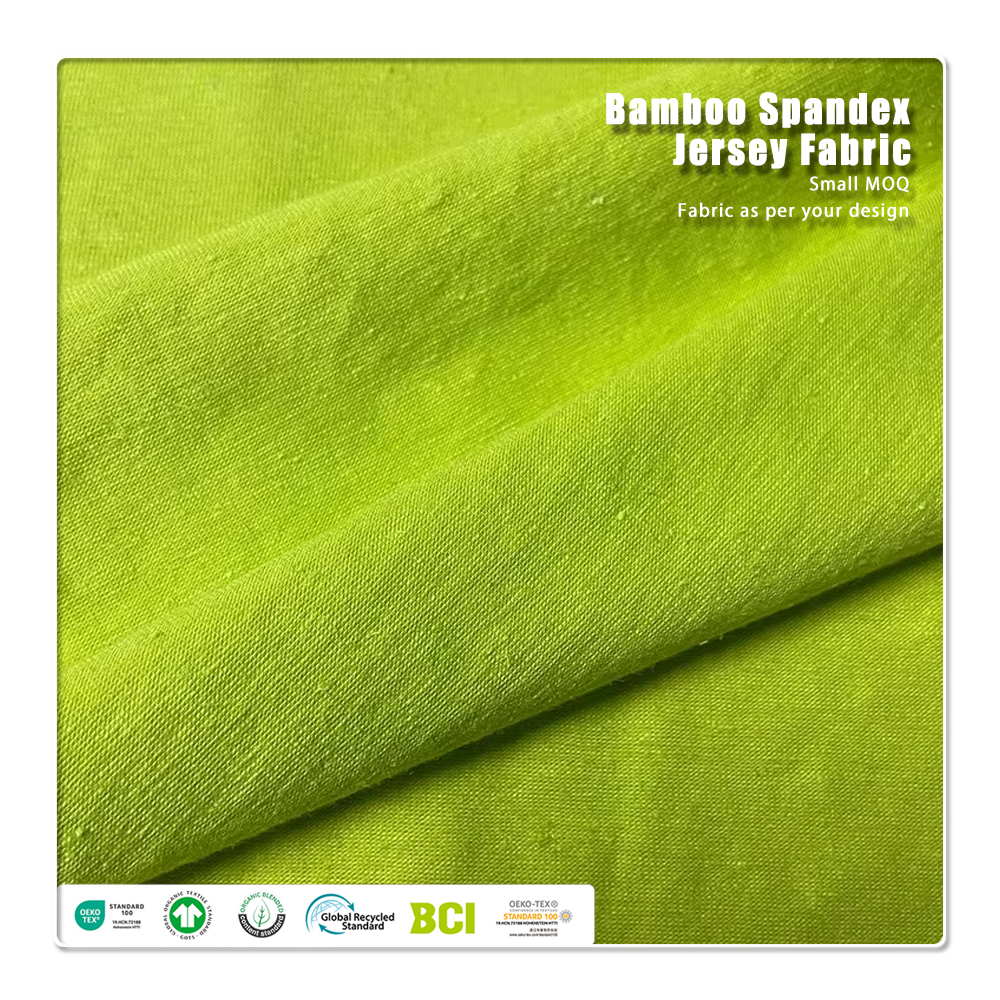
Material Composition: Eco-friendly options like bamboo and organic cotton offer breathability and softness, while recycled polyester can provide durability and moisture-wicking properties. Understanding the benefits of each material will help you select the right fabric for your products.
Color Fastness and Shrinkage: Look for fabrics with a color fastness rating of level 4-5 to ensure that colors remain vibrant through washes and wear. Additionally, a shrinkage rate below 5% is essential for maintaining the integrity of the garment's fit after laundering.
Thickness and Weight: The thickness and weight of the fabric can impact its performance. Heavier organic fabric may provide better insulation, while lighter options are ideal for breathability and moisture management.
Certifications: Ensure that the fabrics are certified for safety and environmental standards, which can be a selling point for your products in the eco-conscious market.
By confirming these specifications, you ensure that the fabrics will perform well in their intended applications.