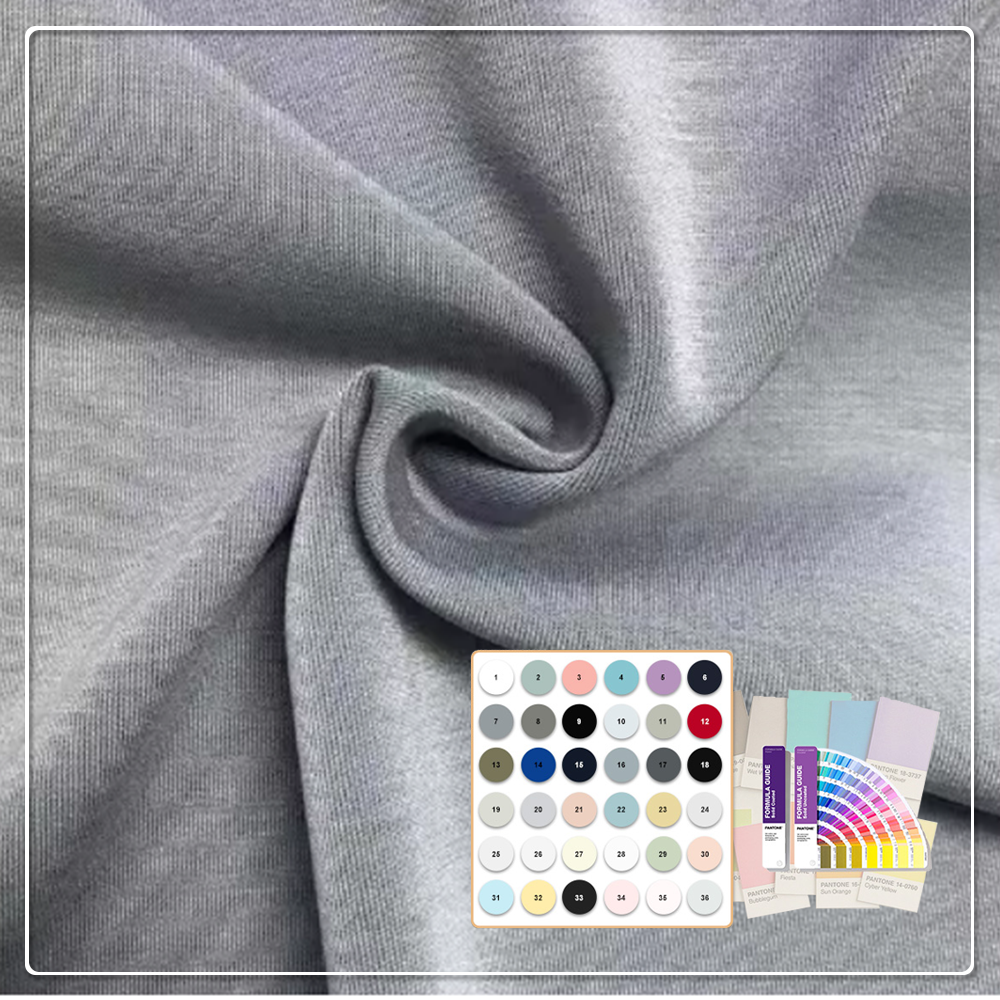
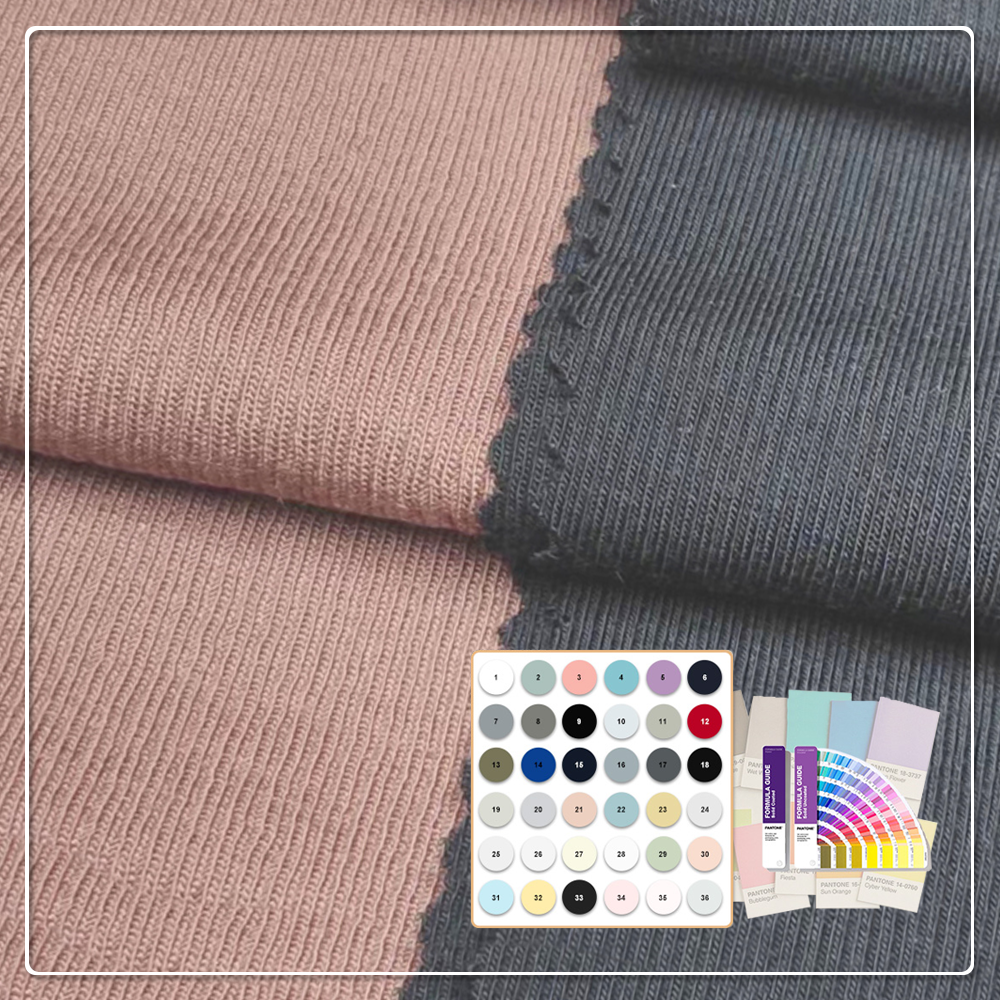
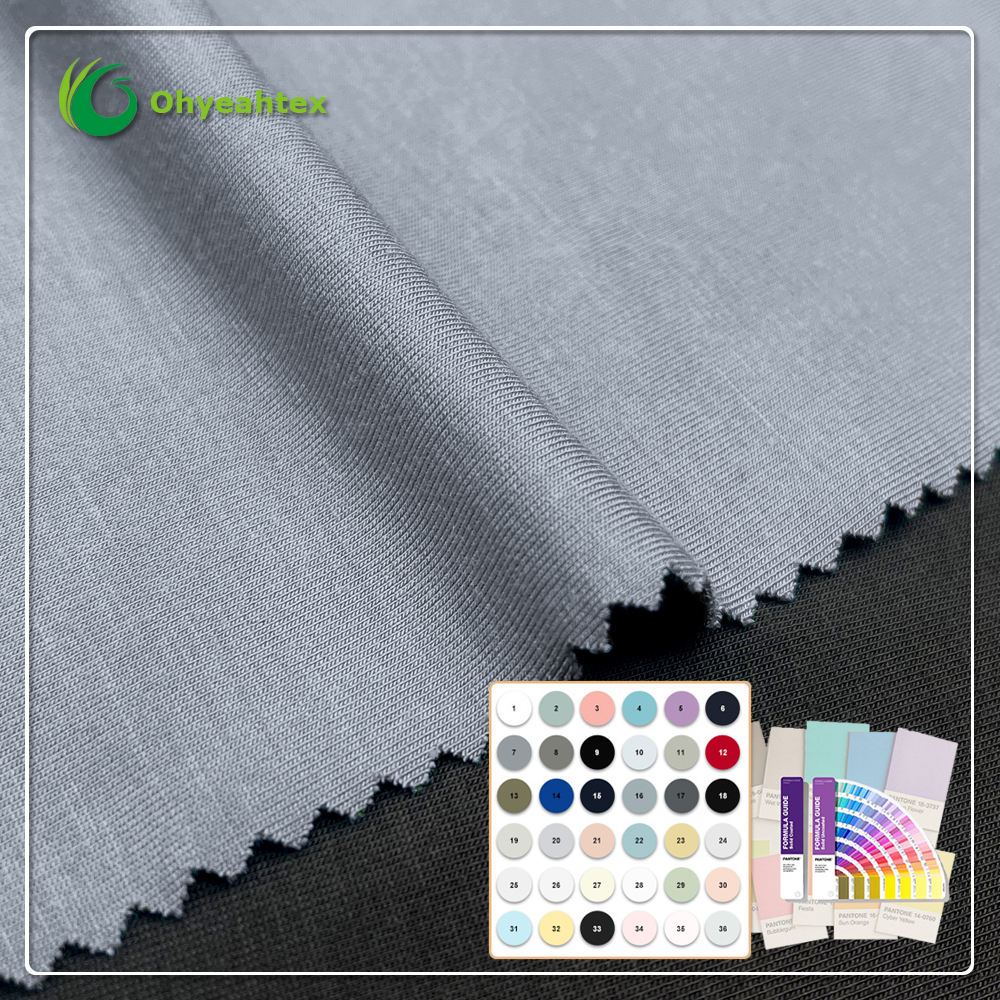
Eco-Friendly Sports Fabric Manufacturer

Get a Free Quote

Our representative will contact you soon.
Email
Name
Mobile/WhatsApp
Company Name
Message
0/1000

Sports fabric manufacturer

Eco-friendly sports fabrics are becoming increasingly important in the textile industry, especially as sustainability becomes a priority for manufacturers and consumers alike. As a sports fabric manufacturer, Shaoxing City Ohyeah Textile Co., Ltd. specializes in high-quality knitted fabrics made from materials like bamboo, organic cotton, and recycled polyester. This article addresses key concerns for B2B buyers—such as material selection, quality control, and common sourcing problems—to help you make informed decisions when sourcing eco-friendly sports fabrics for your projects.

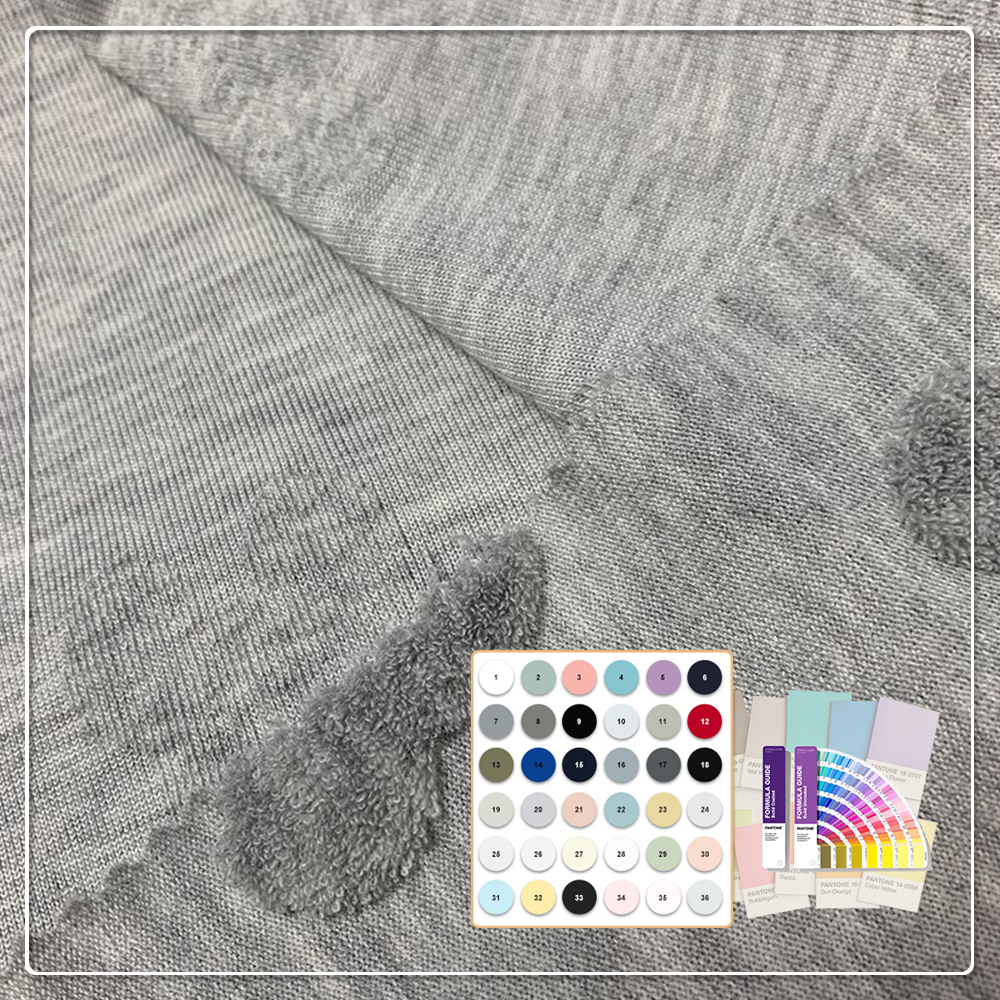
Our Products

Bamboo vs. Organic Cotton Fabrics

Bamboo and organic cotton are both excellent choices for eco-friendly sports fabrics, but they serve different purposes and have unique benefits. 

Bamboo Fabrics: Known for their softness and moisture-wicking properties, cotton and hemp fabric are ideal for activewear. They are naturally antibacterial, which helps reduce odors during intense physical activity. Additionally, bamboo is a fast-growing plant that requires less water and pesticides compared to cotton. 

Organic Cotton Fabrics: Organic cotton is grown without synthetic fertilizers or pesticides, making it a safer choice for both the environment and the users. It offers good breathability and comfort, making it suitable for a variety of sportswear applications. However, it typically requires more water than bamboo during cultivation. 

When choosing between the two, consider the specific performance characteristics needed for your end product, such as moisture management, durability, and comfort.
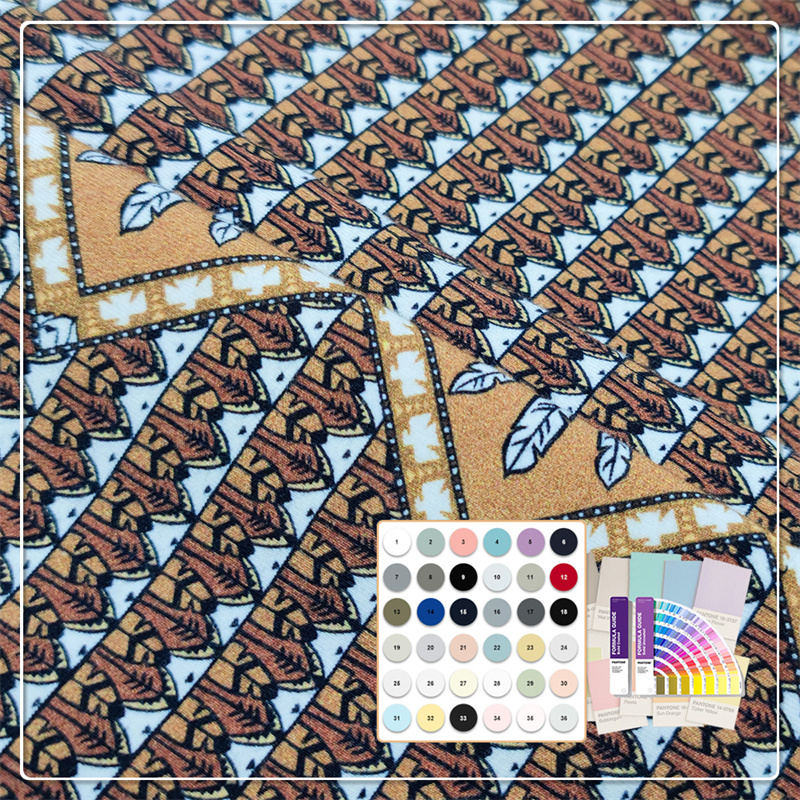
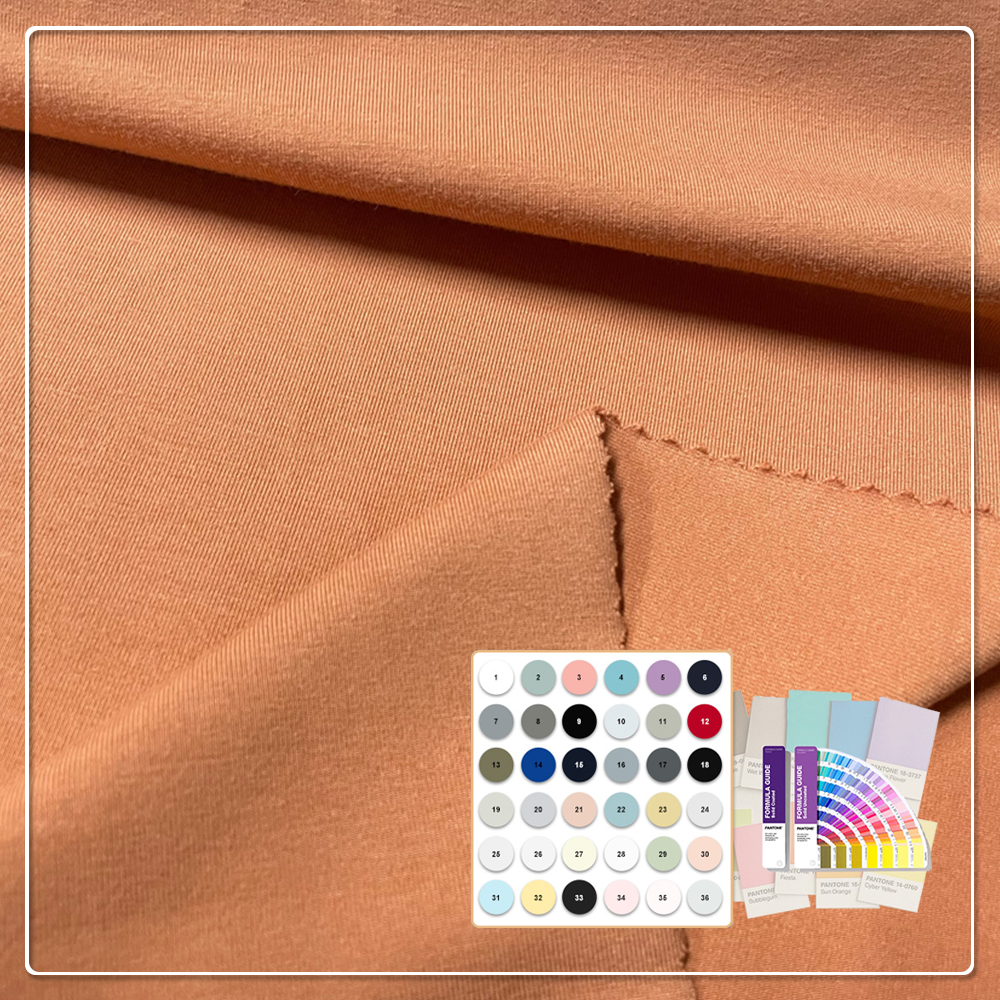
Installation Guidance for Eco-Friendly Sports Fabric Solutions

Proper installation is crucial to maximize the performance of eco-friendly sports fabrics. Here are some guidelines to ensure successful implementation: 

Pre-Washing: Before cutting and sewing, pre-wash the fabric to remove any residual chemicals and to pre-shrink it. This is particularly important for organic cotton fabrics, which may shrink more than synthetic options. 

Cutting Techniques: Use sharp, clean tools to prevent fraying. Ensure that you follow the grainline of the fabric, as eco-friendly fabrics may behave differently than traditional options during sewing. 

Sewing Methods: Choose appropriate sewing techniques and thread types. For instance, using polyester threads can enhance durability, while cotton threads may be more suitable for organic cotton fabrics. Ensure that your sewing machine settings are adjusted for the specific fabric type to prevent issues like skipped stitches. 

Finishing Treatments: Consider using eco-friendly finishing treatments that enhance the fabric's performance without compromising its sustainability. For example, water-repellent finishes can be applied to bamboo fabrics for added functionality in sports applications.

Common Problems in Sports Fabric Sourcing and Effective Solutions

Buyers often encounter several challenges when sourcing sports fabrics. Here are some common issues and their solutions: 

Quality Inconsistencies: Variations in fabric quality can arise from batch-to-batch differences. To mitigate this risk, always request samples before placing large orders. Conduct a thorough quality check on samples to ensure they meet your specifications for color fastness and shrinkage. 

Long Lead Times: Delays in production can disrupt your project timeline. To avoid this, establish clear communication with your supplier regarding lead times. Work with a manufacturer like Shaoxing City Ohyeah Textile that has a high production capacity to meet urgent deadlines. 

Material Compatibility: Sometimes, sustainable fashion fabrics may not perform well in specific applications. When sourcing, ensure that you confirm the fabric's specifications, such as stretchability, moisture-wicking ability, and durability under various conditions. This will help prevent costly mistakes later in the production process. 

Sustainability Claims: Some suppliers may make unverified sustainability claims. Always request documentation of certifications and conduct due diligence to confirm that the materials meet your sustainability criteria.

What to Know About Quality Control in Sports Fabric Manufacturing

Quality control is essential in the manufacturing process of sports fabrics to ensure that they meet both performance and sustainability standards. Here are key aspects to consider: 

Testing Procedures: Effective quality control involves multiple stages of testing. Fabrics should undergo tests for color fastness, shrinkage, tensile strength, and moisture management properties. These tests help ensure that the fabric will perform well in its intended application. 

Certification Compliance: Check that the manufacturer adheres to the standards set by relevant certifications like OEKO-TEX and GOTS. This compliance indicates that the fabrics have been tested for harmful substances and meet environmental sustainability criteria. 

Regular Audits: Regular audits of the manufacturing process help ensure that quality standards are consistently met. Suppliers should have a documented process for internal audits and corrective actions if quality issues arise. 

Customer Feedback Loop: Establish a feedback mechanism for customers to report any issues with the fabrics. This information can be invaluable for continuous improvement in the manufacturing process. 

By understanding these quality control measures, buyers can significantly reduce the risk of sourcing subpar fabrics that do not meet their performance or sustainability requirements. 

Sourcing eco-friendly sustainable fabrics suppliers involves careful consideration of material choices, supplier capabilities, and quality control processes. By prioritizing these factors, you can ensure that your projects not only meet your performance needs but also contribute positively to the environment.

Where to Source Eco-Friendly Sports Fabrics for Your Projects

When sourcing eco-friendly sports fabrics, it's crucial to identify suppliers that align with your sustainability goals. Look for manufacturers with certifications such as OEKO-TEX, GOTS, OCS, and GRS, which indicate compliance with environmental and social standards. Shaoxing City Ohyeah Textile Co., Ltd. holds these certifications, ensuring that their fabrics meet stringent eco-friendly criteria. 

Consider the following factors when selecting a supplier: 

Material Options: Manufacturers should offer a range of sustainable materials, including bamboo, organic cotton, and recycled polyester, each with unique properties beneficial for sports applications. 

Production Capacity: Ensure that the manufacturer can meet your volume requirements. For example, our brand has over 100 circular knitting machines and a monthly output of 200 tons, allowing for flexibility in order sizes. 

Customization Capabilities: Many projects require specific fabric characteristics. Confirm with suppliers if they can accommodate custom orders, such as special colors or fabric blends. 

Quality Control: A robust quality control process is vital for ensuring that the fabrics meet your performance standards. Look for manufacturers with a dedicated quality control team that conducts thorough testing of their products.

Our Blog Posts

How is Bamboo Made Into Fabric

14

Oct

How is Bamboo Made Into Fabric

Making the Ultra Soft Fabric from BambooBamboo fabric is a widely used material in the textile and fashion industry because of its natural softness, texture and warmth. At Ohyeah Textile Co., Ltd, we specialize in making use of the magic of bamboo fi...
View More
How Tencel Lyocell Improves Breathability in Modern Textile Applications

29

May

How Tencel Lyocell Improves Breathability in Modern Textile Applications

Today, breathability is not merely a perk in fabric, but a standard and expected characteristic for consumers wearing sportswear, loungewear, and general apparel. A breathable fabric allows the body to remain cool, dry, and comfortable...
View More
The Natural Softness Advantage of Tencel Lyocell in Knit Fabrics

29

May

The Natural Softness Advantage of Tencel Lyocell in Knit Fabrics

Consumers look for softness in knitwear above all else. Softness builds trust,encourages comfort,and leaves a positive lasting impression. When compared to all the other sustainable fibers available on the market today,none will offer the same amount...
View More
Bio-Based Fabric: The Complete Buyer's Guide

13

Oct

Bio-Based Fabric: The Complete Buyer's Guide

A practical sourcing manual for brands, importers, and product developers Reference manufacturer example: Shaoxing City Ohyeah Textile Co., Ltd., eco-friendly fabric specialist (bamboo, organic cotton, rayon, Lenzing™ Modal, TENCEL™ Lyoc...
View More

Get a Free Quote

Our representative will contact you soon.
Email
Name
Mobile/WhatsApp
Company Name
Message
0/1000

Get a Free Quote

Our representative will contact you soon.
Email
Name
Mobile/WhatsApp
Company Name
Message
0/1000