Sustainable Fashion Fabrics: Sourcing & Benefits

Get a Free Quote

Our representative will contact you soon.
Email
Name
Mobile/WhatsApp
Company Name
Message
0/1000

Sustainable fashion fabrics

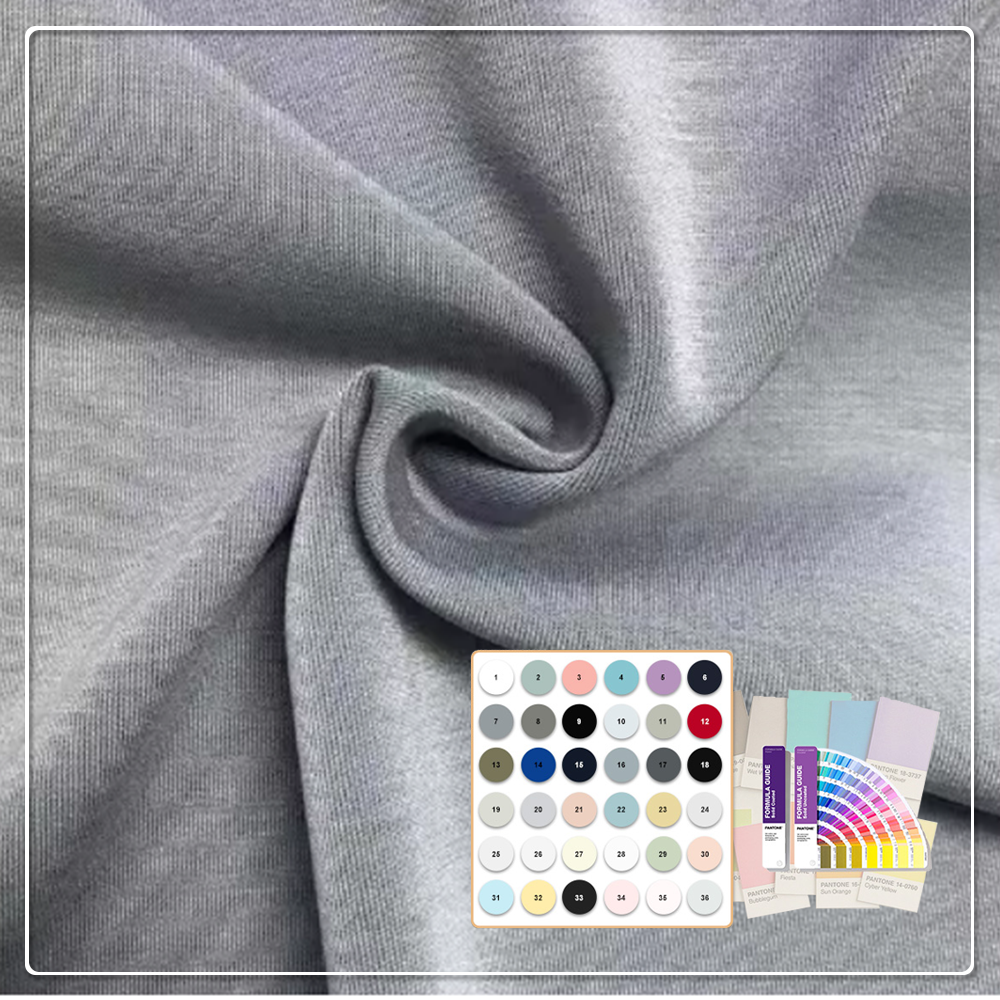
Sustainable fashion fabrics are becoming increasingly essential for businesses aiming to reduce their environmental impact while delivering high-quality products. Buyers today are concerned with finding reliable suppliers of eco-friendly materials that not only meet quality standards but also align with their brand values. This article will guide you through key considerations for evaluating sustainable fashion fabrics, sourcing suppliers, understanding pricing, installation guidance, and the advantages of using bamboo and organic cotton in your products

Our Products

Where to Source Reliable Suppliers of Eco-Friendly Fabrics

Finding reliable suppliers of sustainable fashion fabrics involves a combination of research and due diligence. Start by identifying manufacturers with proven certifications and a transparent supply chain. Look for companies that specialize in eco-friendly textiles, such as Shaoxing City Ohyeah Textile Co., Ltd., which focuses on eco-friendly knitted fabrics like bamboo, organic cotton, and recycled polyester

Engaging in industry networks, trade shows, and online platforms can also help you connect with reputable suppliers. Request samples to assess the quality and performance of the fabrics before placing larger orders. It’s advisable to ask for references from other clients to gauge the supplier's reliability and customer service

Consider the supplier's production capabilities, including their monthly output and flexibility in customization. A manufacturer with a capacity of 200 tons per month and a professional quality control team, like Ohyeah Textile, can often meet varying order sizes and specifications efficiently
Understanding Pricing for Sustainable Fashion Materials

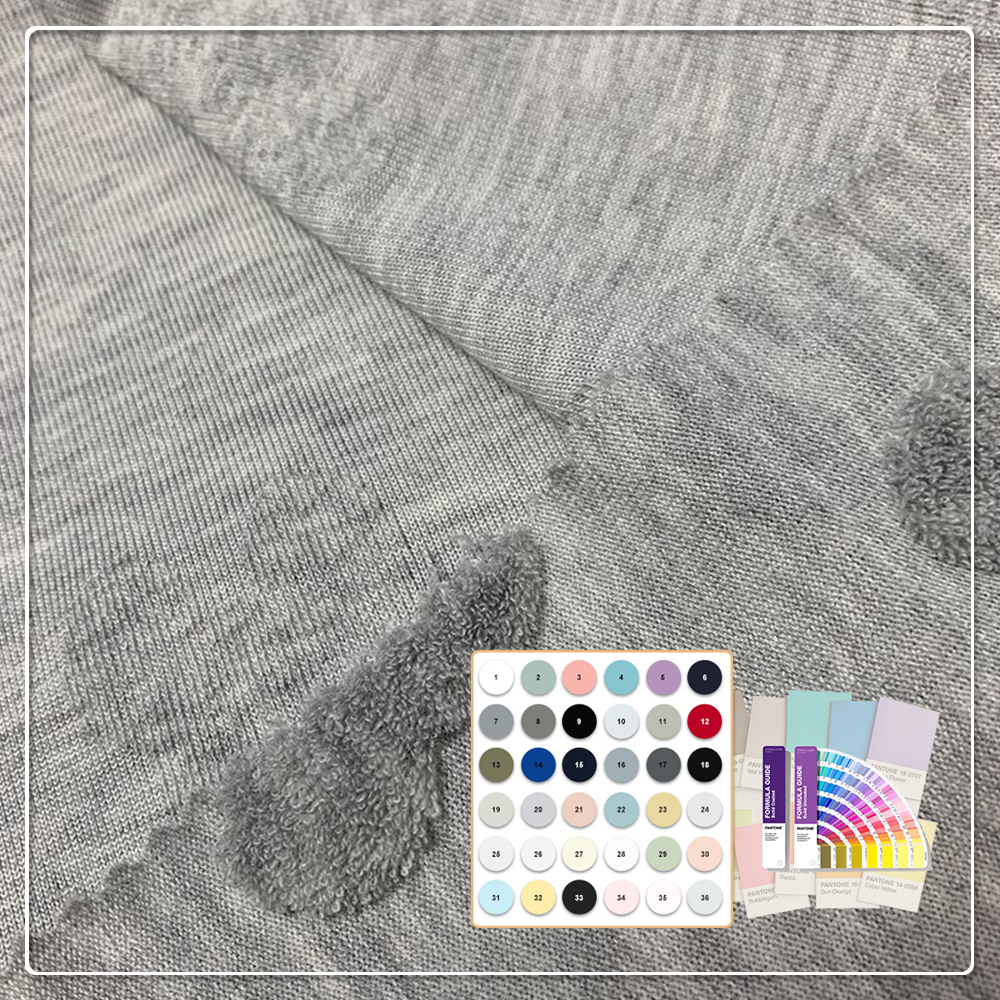
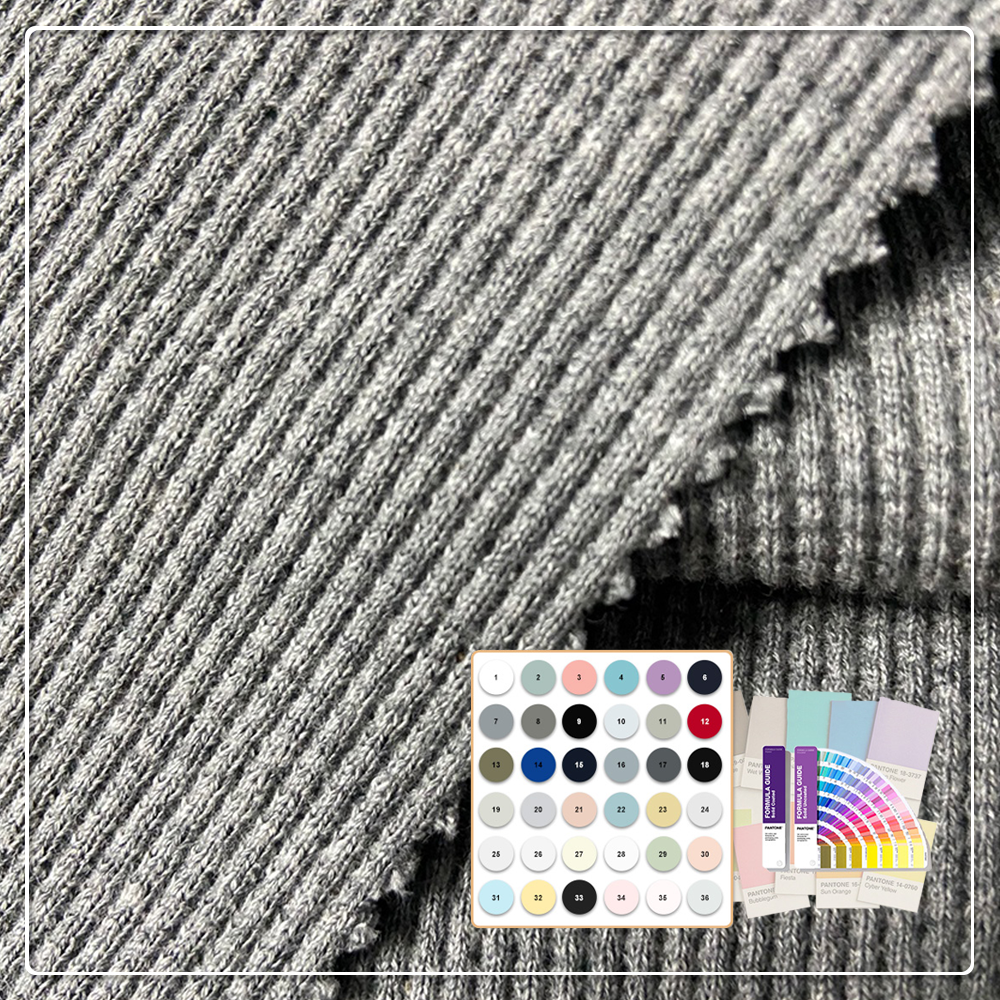
Pricing for sustainable fashion fabrics can vary widely based on material type, production processes, and supplier capabilities. Eco-friendly patterned bamboo fabrics often come at a premium due to the sourcing of sustainable materials and the costs associated with adhering to environmental regulations

When evaluating costs, consider the total cost of ownership rather than just the unit price. This includes factors such as shipping costs, lead times, and potential waste. For example, fabrics with higher durability may have a higher upfront cost but can lead to lower overall costs through reduced returns and increased customer satisfaction

Buyers should also inquire about minimum order quantities (MOQ) and how pricing may fluctuate with order size. A flexible supplier can provide better pricing structures based on larger bulk orders or long-term contracts, which can be advantageous for businesses looking to establish ongoing relationships

Installation Guidance for Eco-Friendly Fabrics in Fashion Applications

Installing sustainable fashion fabrics requires careful attention to detail to ensure that the material performs as expected in its final application. Before commencing production, it’s crucial to inspect the fabric samples to confirm they meet the desired specifications. Pay close attention to how the fabric behaves during cutting, sewing, and finishing processes, as some materials may require specialized handling

For instance, bamboo and organic cotton fabrics may require specific needle types or sewing techniques to prevent fraying or damage during construction. Discussing installation guidelines with manufacturers can provide insights into best practices and potential challenges. Additionally, conducting a pilot test with a small batch can help identify any issues before full-scale production

Lastly, consider the intended care instructions for the final product. Fabrics that are easy to care for can enhance customer satisfaction and encourage repeat purchases, which is particularly important in the competitive fashion market

Advantages of Using Bamboo and Organic Cotton in Sustainable Fashion

Bamboo and organic cotton are standout materials in the realm of sustainable fashion fabrics, offering numerous advantages. Bamboo is known for its rapid growth and minimal need for pesticides, making it an eco-friendly choice. Additionally, bamboo fabrics are naturally antimicrobial, moisture-wicking, and breathable, which enhances comfort and Wearability in clothing

Organic cotton, on the other hand, is cultivated without synthetic fertilizers or pesticides, resulting in a lower environmental impact and a softer product. It is also biodegradable, which contributes to a more sustainable lifecycle for the garment. Both materials provide excellent color retention, which aligns with the need for high-quality, vibrant fashion products

Using these fabrics not only supports sustainability initiatives but also appeals to environmentally conscious consumers. Brands that prioritize eco-friendly materials are likely to attract a growing market segment that values ethical and sustainable production practices

In summary, understanding the nuances of sustainable fashion fabrics is essential for making informed purchasing decisions. By evaluating bamboo fiber fabric specifications, sourcing reliable suppliers, grasping pricing structures, implementing proper installation techniques, and leveraging the benefits of materials like bamboo and organic cotton, businesses can successfully navigate the sustainable fashion landscape

Evaluating Sustainable Fashion Fabrics Effectively

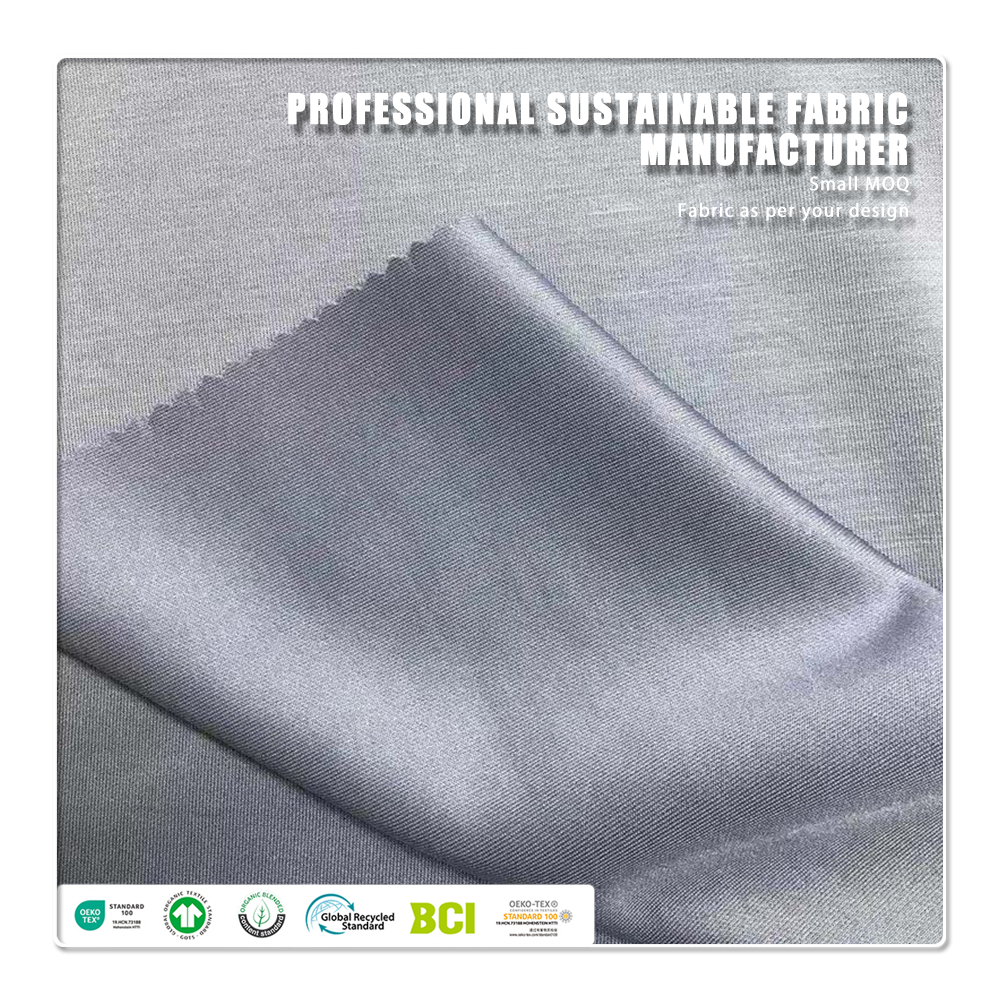
When assessing sustainable fashion fabrics, buyers should focus on several critical factors. First, the material itself is paramount—look for certifications such as OEKO-TEX, GOTS, OCS, and GRS, which verify the fabric's eco-friendly claims. These certifications ensure that the materials are free from harmful substances and produced with sustainable practices

Next, consider the fabric's performance specifications, including color fastness and shrinkage rates. For instance, our fabrics offer a color fastness rating of 4-5 and shrinkage below 5%, ensuring durability and quality in finished garments. Buyers should also evaluate the manufacturing process, including the equipment used and the experience of the production team, as these factors can significantly impact the final product’s quality and sustainability

Finally, consider the end-use of the viscose from bamboo fabric. Different applications may require specific performance characteristics, such as moisture wicking for Activewear or Breathability for casual wear. Understanding these requirements will help you select the most suitable fabric for your needs

Our Blog Posts

The Science of Bamboo Fabric: Manufacturing, History, and Eco-Impact

14

Jan

The Science of Bamboo Fabric: Manufacturing, History, and Eco-Impact

Eco-Science Briefing Often hailed as the "Queen of Fibers," bamboo fabric merges 1,700 years of Chinese heritage with modern Closed-loop Systems. Known for its "Bamboo Kun" antibacterial agent and a micro-porous structure that absorbs 1.5x more mois...
View More
The Smooth Texture Benefits of Tencel Modal in Apparel Manufacturing

29

May

The Smooth Texture Benefits of Tencel Modal in Apparel Manufacturing

A smooth texture in clothing is a desirable fabric feature today. This add value to a fabric: it is an aesthetically pleasing, comfortable, and a mark of good quality. To produce a consistently smooth fabric texture, one must invest in fibe...
View More
Why Tencel Modal Helps Maintain Fabric Shape After Repeated Washing

29

May

Why Tencel Modal Helps Maintain Fabric Shape After Repeated Washing

If you've ever owned clothing you loved and then noticed that it just doesn't fit right anymore,necklines stretching,cuffs looking limp,or pants becoming baggy,you know how frustrating this can be. To brands,it translates to returns,poor reviews...
View More

Get a Free Quote

Our representative will contact you soon.
Email
Name
Mobile/WhatsApp
Company Name
Message
0/1000

Get a Free Quote

Our representative will contact you soon.
Email
Name
Mobile/WhatsApp
Company Name
Message
0/1000