Sourcing Loopback Jersey Fabric: A Comprehensive Guide

Get a Free Quote

Our representative will contact you soon.
Email
Name
Mobile/WhatsApp
Company Name
Message
0/1000

loopback jersey fabric

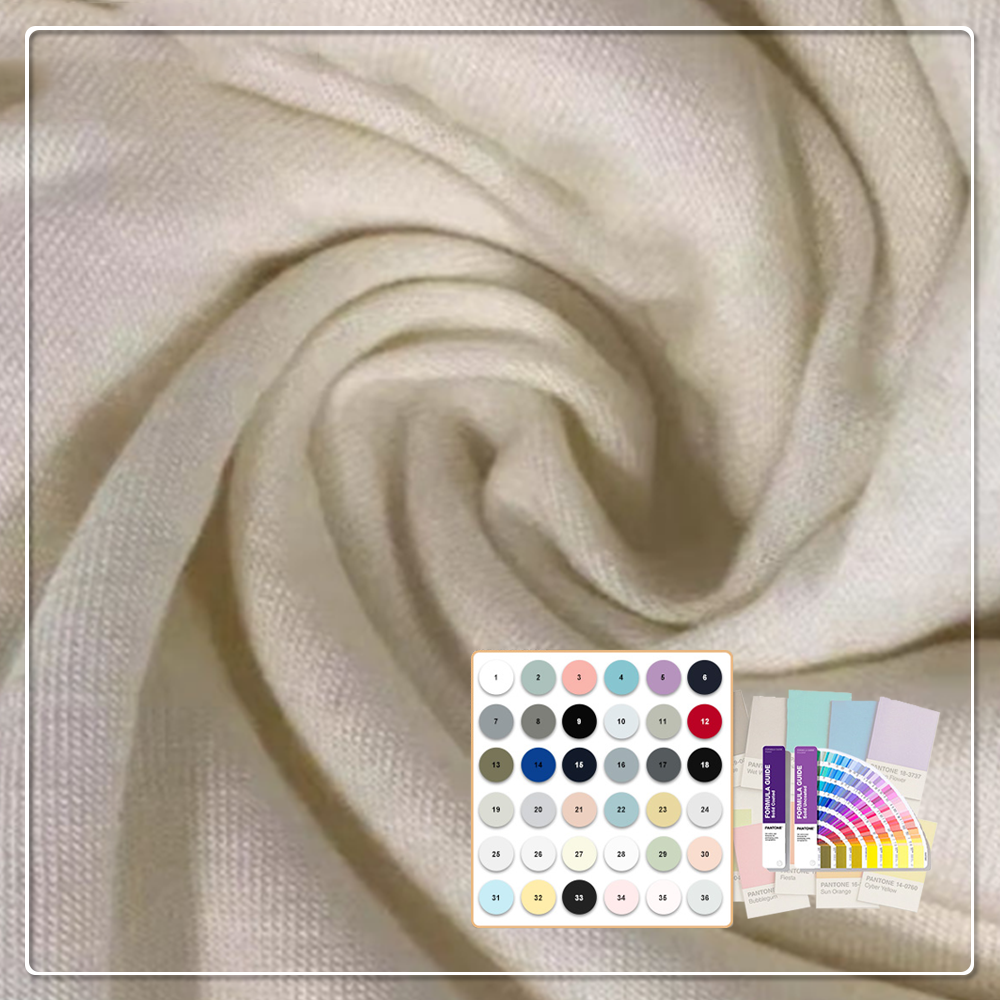
Loopback jersey fabric is a versatile and widely-used textile in the apparel industry, favored for its soft, comfortable texture and durability. As a B2B buyer, understanding the nuances of sourcing loopback jersey fabric is essential for making informed purchasing decisions. This article delves into the key considerations for sourcing, evaluates cost factors, addresses common problems and solutions, offers installation guidance, and explores optimal applications across various industries.

Understanding the Cost Factors of Loopback Jersey Fabric

The cost of loopback jersey fabric can vary significantly based on several factors. Material composition is the primary determinant; eco-friendly options, such as organic cotton or recycled polyester, often carry a premium price due to the sustainable practices involved in their production. Additionally, the fabric's weight and complexity of the knit can influence costs, as heavier and more intricate fabrics require more resources and time to produce.

Another factor to consider is the scale of your order. Bulk purchasing typically reduces the per-unit price, making it essential to assess your production needs accurately. Customization requests—such as specific colors or patterns—can also impact pricing and lead times, so it's advisable to communicate your requirements upfront to prevent unexpected costs.

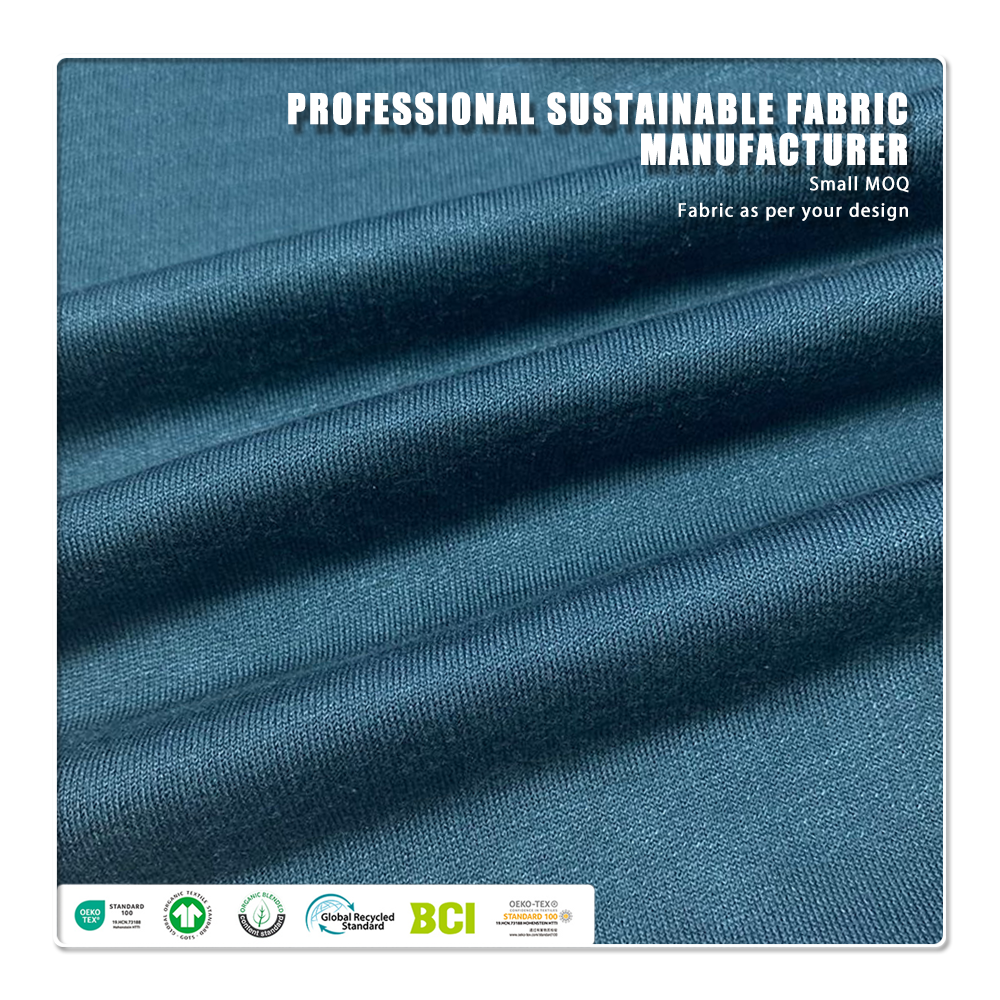
Lastly, consider the certifications associated with the fabric. Our company holds certifications such as OEKO-TEX, GOTS, OCS, and GRS, which not only validate the fabric's quality but can also enhance its marketability, potentially justifying a higher price point for buyers focused on sustainability.
Common Problems with Loopback Jersey Fabric and Their Solutions

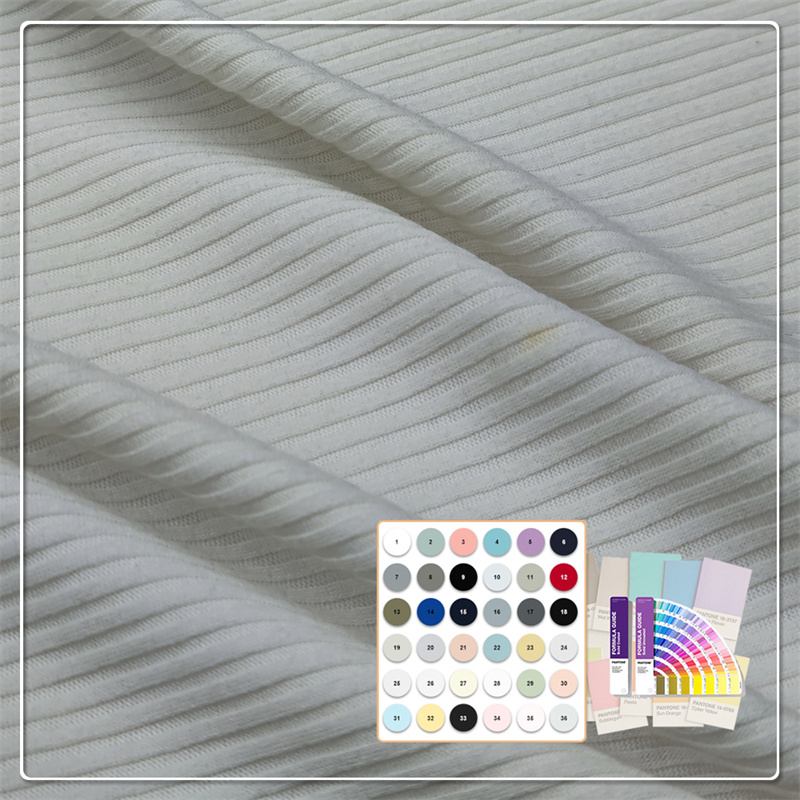
While loopback jersey fabric is generally reliable, buyers may encounter common issues during production and use. One prevalent concern is fabric pilling, which can detract from the garment's appearance. To mitigate this, sourcing high-quality fabrics with robust construction is crucial. Additionally, conducting thorough quality inspections upon receiving the fabric can help identify any defects early in the process.

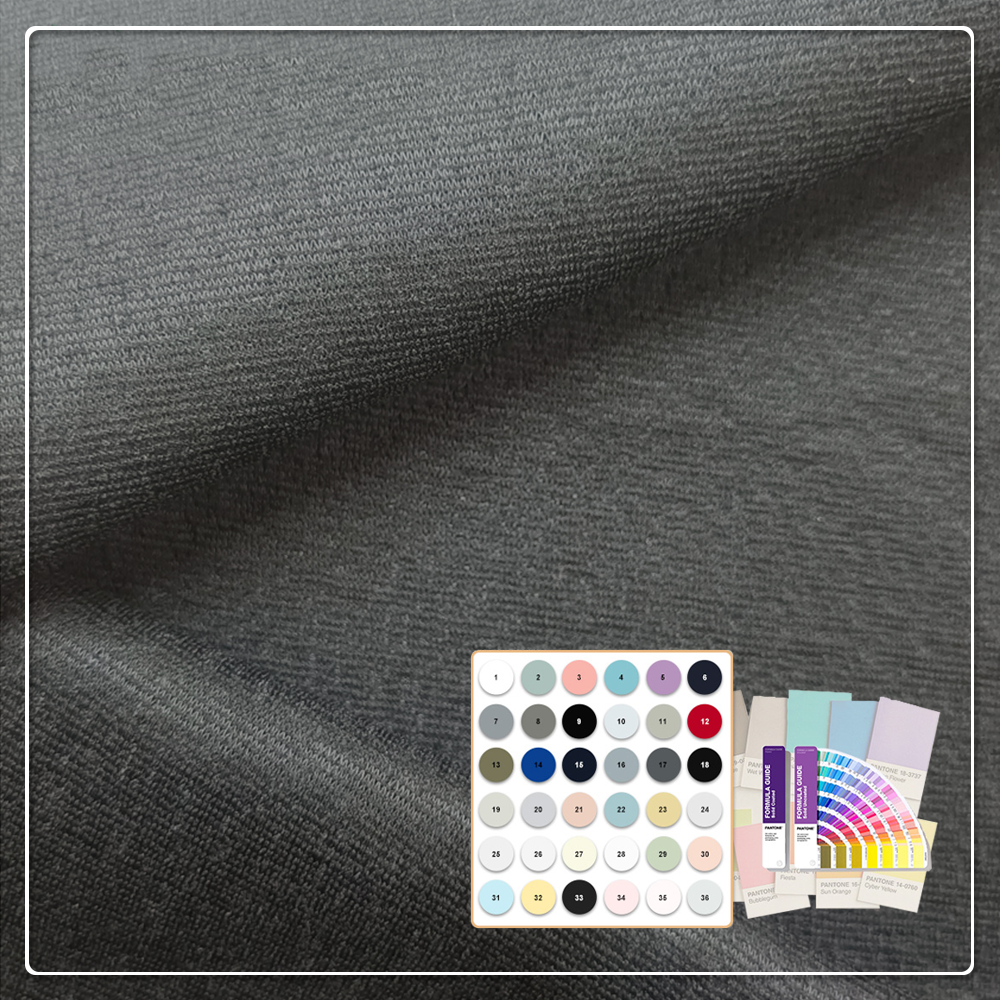
Another challenge is ensuring color consistency across large orders. Variations can occur due to differences in dye lots. To address this, buyers should request fabric samples before placing bulk orders. This not only allows for color verification but also helps assess the fabric's texture and weight.

Lastly, shrinkage can be an issue if not properly managed. Although our loopback jersey fabrics maintain shrinkage below 5%, it is advisable to conduct pre-production washing tests to confirm this under actual conditions. This step helps ensure that finished products meet customer expectations without unexpected alterations in size.

Installation Guidance for Loopback Jersey Fabric in Projects

When incorporating loopback jersey fabric into your projects, proper installation techniques are essential for achieving the desired results. First, ensure that all cutting and sewing equipment is compatible with the fabric's weight and structure. Using the appropriate needle size and thread type can significantly affect the quality of the finished garment.

Prior to cutting, pre-wash the fabric if possible. This practice helps to eliminate any residual dyes and reduces the risk of shrinkage post-production. Moreover, consider using pattern weights instead of pins to avoid distorting the fabric during cutting.

During the sewing process, a straight stitch is typically recommended for loopback jersey. For added durability, especially in high-stress areas, a zigzag stitch can offer more flexibility. Lastly, double-check seam allowances and finishes to ensure clean edges and a polished appearance.

Optimal Applications for Loopback Jersey Fabric in Various Industries

Loopback jersey fabric is suitable for a wide array of applications across multiple industries. Its softness and breathability make it ideal for activewear, where comfort during movement is paramount. The fabric is also widely used in loungewear and athleisure, combining style with functionality.

In the fashion industry, loopback jersey serves as an excellent choice for casual garments such as sweatshirts, hoodies, and dresses. Its ability to retain shape and resist wrinkling enhances its appeal for branded apparel.

In addition, loopback jersey fabric is gaining traction in the eco-conscious market. With the increasing demand for sustainable textiles, our eco-friendly options—such as Eco-Friendly 67% Bamboo 28% Hemp 5% Spandex Fabric—allow brands to align their products with consumer values while maintaining high-quality standards.

Sourcing loopback jersey fabric requires careful consideration of material, cost, potential challenges, and application suitability. By understanding these factors, buyers can make informed decisions that enhance their product offerings and meet market demands effectively.

What to Consider When Sourcing Loopback Jersey Fabric Wholesale

When sourcing loopback jersey fabric wholesale, several critical factors must be considered to ensure the right selection for your project. First, evaluate the material composition. Loopback jersey typically consists of cotton or blends, and as a manufacturer specializing in eco-friendly fabrics, we offer options like Oeko-Tex Certified 69% Bamboo 31% Sorona Single Jersey Fabric and recycled polyester. Buyers should assess the environmental impact of their material choice, particularly if sustainability is a priority.

Next, consider the fabric weight and thickness. Loopback jersey fabrics come in various weights, which affect the feel and application suitability. A heavier fabric may be ideal for outerwear, while lighter options are better for athletic wear. Additionally, pay attention to the color fastness and shrinkage specifications. Our fabrics boast a color fastness of level 4-5 and shrinkage below 5%, ensuring longevity and reliability in production.

Finally, establish your minimum order quantity (MOQ) and lead time requirements. Understanding these parameters will streamline the procurement process and help avoid delays in production.

Our Blog Posts

The Supply Chain Dynamics of Bamboo Fabric from Manufacturer to Export

14

Oct

The Supply Chain Dynamics of Bamboo Fabric from Manufacturer to Export

Ecofriendly and Organic Bamboo Fabric Source for Wholesale BuyersFor wholesale buyers looking for eco-friendly fabric options, buying bamboo fabric from Ohyeah Textile Co., Ltd. means that support for the environment and ethics are built into the ent...
View More
Why Tencel Lyocell Fabric Supports High-End Apparel Production

29

May

Why Tencel Lyocell Fabric Supports High-End Apparel Production

High-end garments require a special quality that goes beyond price. They offer exquisite hand-feel,flawless drape,consistent quality,and a story that appeals to sophisticated consumers. When a manufacturer or brand intends to succeed in the high-end ...
View More
How Tencel Modal Fabric Improves Garment Comfort Without Extra Weight

13

Oct

How Tencel Modal Fabric Improves Garment Comfort Without Extra Weight

With clothes that make you feel good, it was always a compromise, luxuriously soft clothes were bulky and substantial, and light weight clothes had a more “normal” feel about them. Something we have been unable to reconcile for a long tim...
View More
What Gives Tencel Modal Fabric Its Soft and Premium Feel

13

Oct

What Gives Tencel Modal Fabric Its Soft and Premium Feel

Some designer collections feature Tencel modal fabric, one of the best features of this fabric, and it's hallmarks of luxurious clothing, with unparalleled softness, flow and shine. The most popular fabric for fashion is an instant hit, and the magic...
View More

Get a Free Quote

Our representative will contact you soon.
Email
Name
Mobile/WhatsApp
Company Name
Message
0/1000

Get a Free Quote

Our representative will contact you soon.
Email
Name
Mobile/WhatsApp
Company Name
Message
0/1000