Choosing Reliable Bamboo Clothing Manufacturers

Get a Free Quote

Our representative will contact you soon.
Email
Name
Mobile/WhatsApp
Company Name
Message
0/1000

Bamboo clothing manufacturers

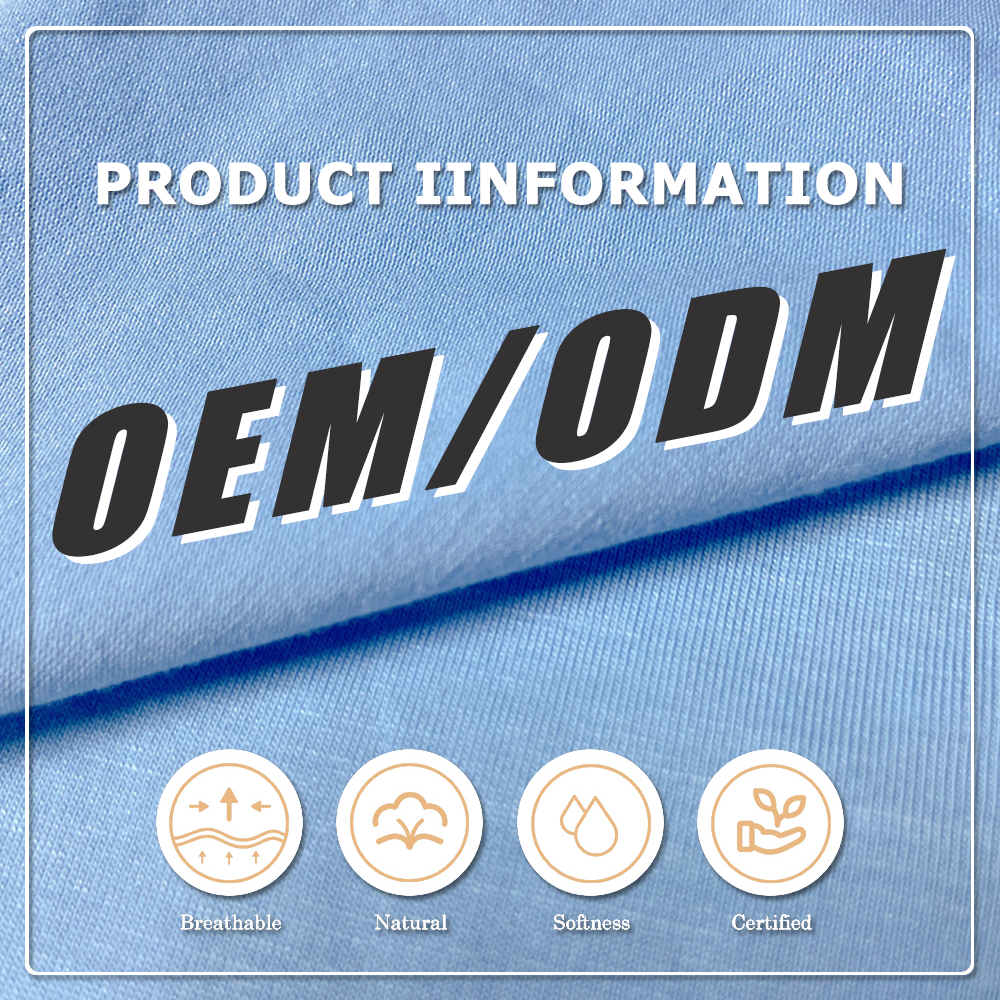
Bamboo clothing manufacturers are increasingly sought after due to the growing demand for sustainable projects and eco-friendly apparel. As purchasing managers and distributors look to source high-quality garments, understanding how to evaluate these bamboo clothing manufacturers becomes crucial. This article will provide insights into selecting reliable bamboo fabric manufacturers like Ohyeah, quality control measures, cost considerations, the benefits of bamboo clothing, and expert tips for your evaluation process. 
Our Products

Quality Control Measures in Bamboo Clothing Manufacturing

Quality control is a vital aspect of bamboo clothing manufacturing. The process typically includes several stages, from raw material inspection to final product evaluation. Bamboo clothing manufacturers should implement a comprehensive quality control system that includes: 

Material Inspection: Ensuring that the bamboo fibers and other materials meet specified standards for softness, durability, and environmental compliance. 

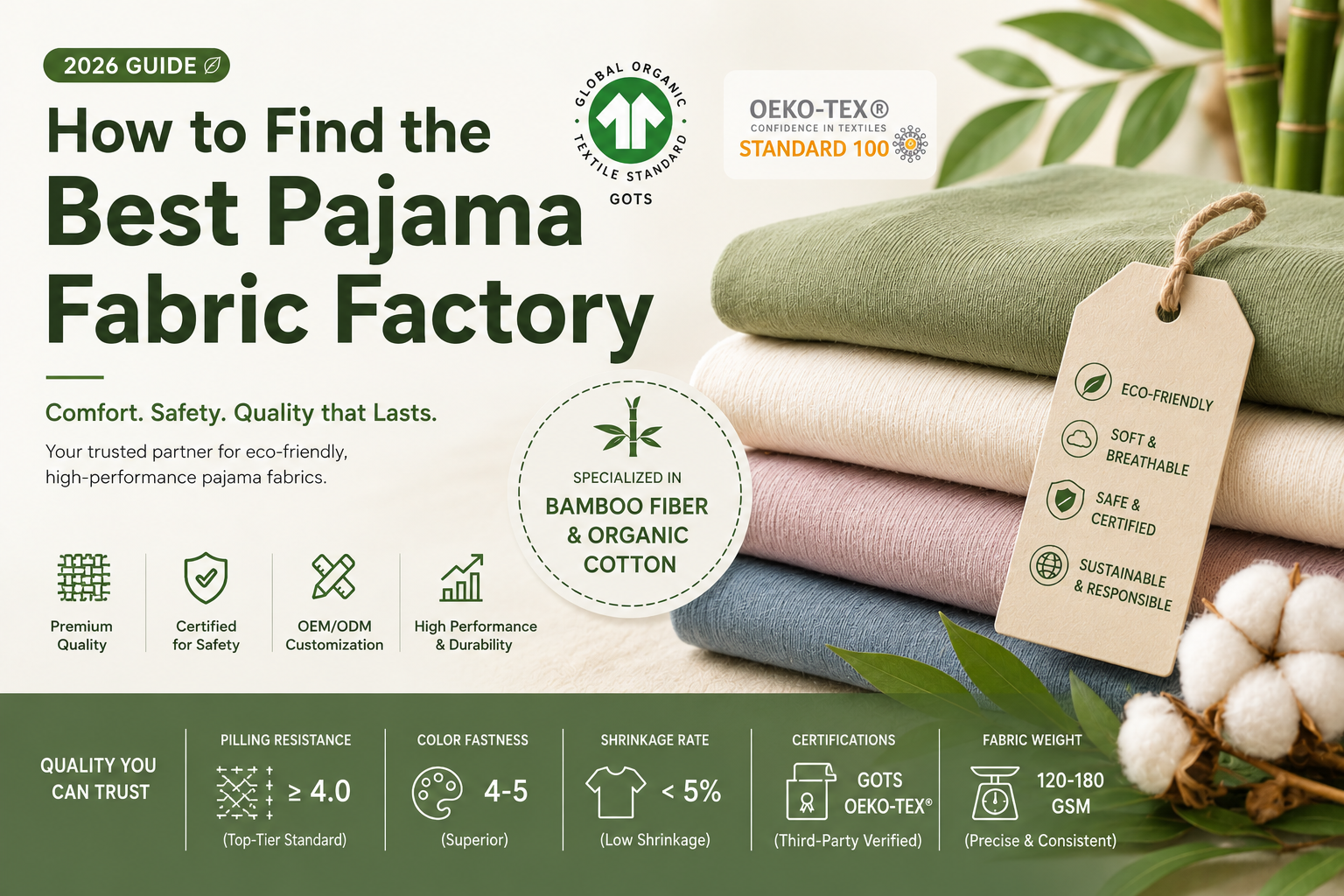
Production Monitoring: Regular checks during the knitting and dyeing processes to maintain consistency in fabric quality, color fastness (rated at level 4-5), and shrinkage (ideally below 5%). 

Final Product Testing: Conducting thorough inspections of finished garments for defects, ensuring they meet the buyer’s specifications before shipping. 

Additional Checks: Regular quality audits and documentation help identify production issues early, maintain consistency, and ensure compliance with customer requirements and industry standards. 

A manufacturer with a strong quality control process not only reduces the risk of defects but also builds trust with buyers, ultimately leading to long-term business relationships. 
Cost Factors to Consider When Purchasing Bamboo Apparel

When sourcing bamboo clothing, understanding the various cost factors is essential for effective budgeting. Key aspects include: 

Material Costs: Bamboo fibers can vary in price depending on the sourcing practices and quality. Sustainable sourcing typically incurs higher costs, which can be reflected in the final price of the apparel. 

Manufacturing Costs: The complexity of the manufacturing process, including knitting, dyeing, and finishing, can influence costs. Bamboo clothing manufacturers like Ohyeah with advanced machinery and efficient production processes may offer competitive pricing. 

Minimum Order Quantities (MOQs): Some bamboo clothing manufacturers including Ohyeah set a minimum order quantity, which can affect pricing. It's essential to discuss MOQs upfront to avoid unexpected costs. 

Lead Times: A shorter lead time may come at a premium. Understand the standard lead times for your chosen manufacturer and how they fit your supply chain needs. 

Additional Costs: Buyers should also consider packaging, shipping, taxes, and quality inspection fees when calculating the total purchase cost. Comparing supplier quotes and payment terms can help businesses control expenses while maintaining product quality and meeting delivery requirements. 

By considering these factors, purchasing managers can make informed decisions that balance quality and cost-effectiveness. 

The Advantages of Bamboo Clothing for Sustainable Projects

Bamboo clothing offers numerous advantages for sustainability-focused projects. As a rapidly renewable resource, bamboo grows quickly without the need for pesticides or fertilizers, making it an eco-friendly alternative to conventional textiles. 

Breathability and Comfort: Bamboo fabric is naturally breathable and moisture-wicking, providing comfort for the wearer. This is particularly beneficial for active wear or bamboo fabric for clothing intended for warm climates. 

Biodegradability: Unlike synthetic fibers, bamboo is biodegradable, reducing long-term environmental impact when garments are disposed of. 

Hypoallergenic Properties: Bamboo fabrics are less likely to irritate the skin, making them suitable for individuals with sensitivities or allergies. 

Integrating bamboo clothing into product lines can enhance a brand's reputation as a sustainable projects choice, appealing to eco-conscious consumers. 

Expert Tips for Evaluating Bamboo Clothing Manufacturers

When evaluating potential bamboo clothing manufacturers, consider the following expert tips:

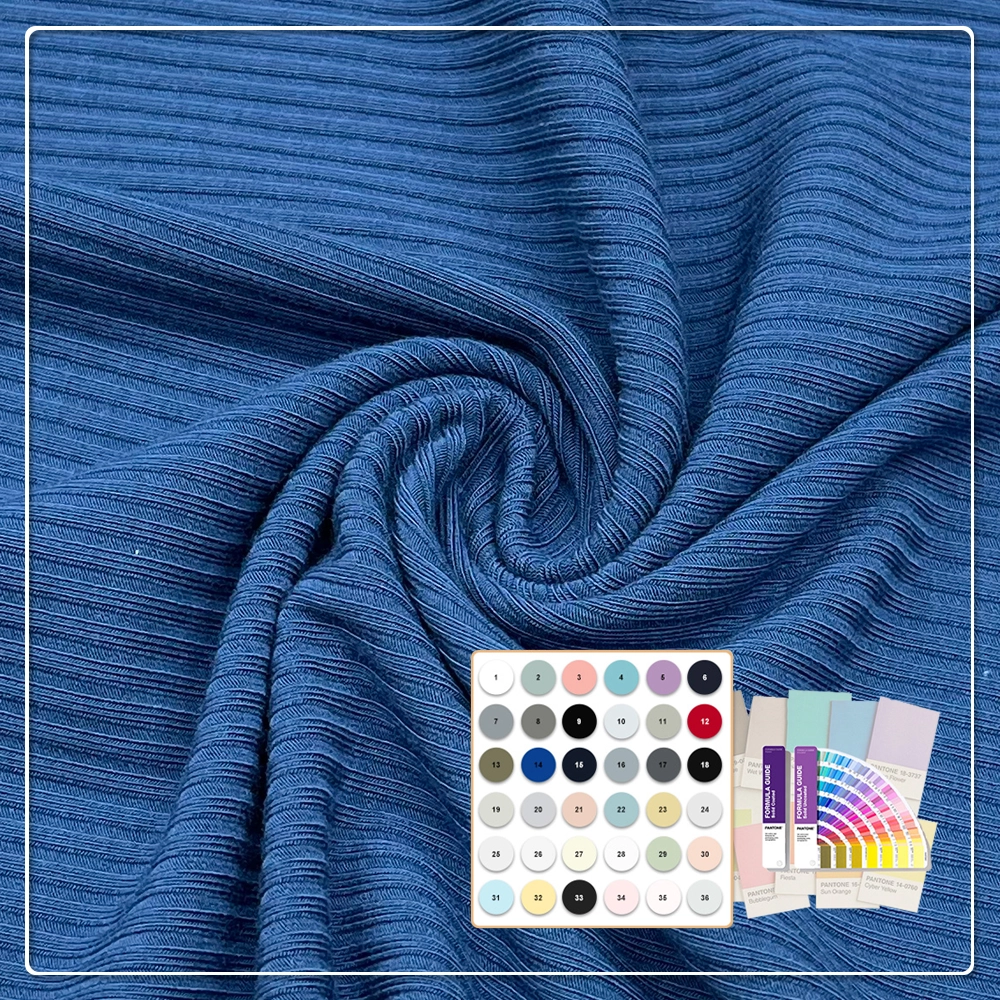
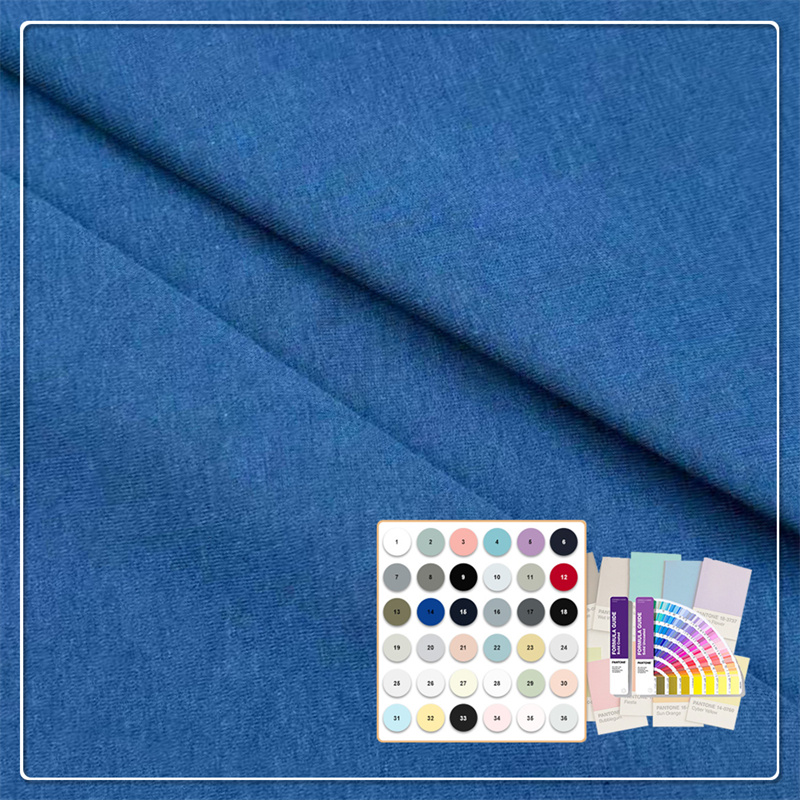
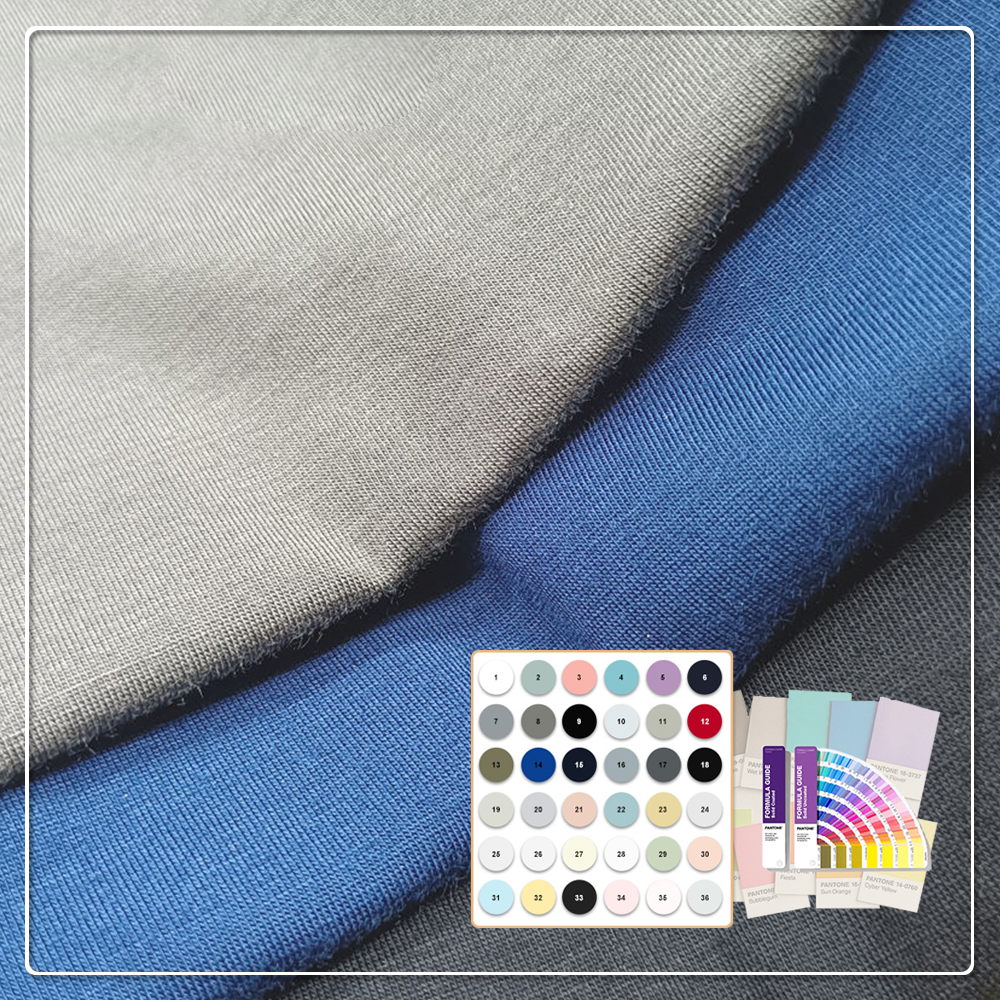
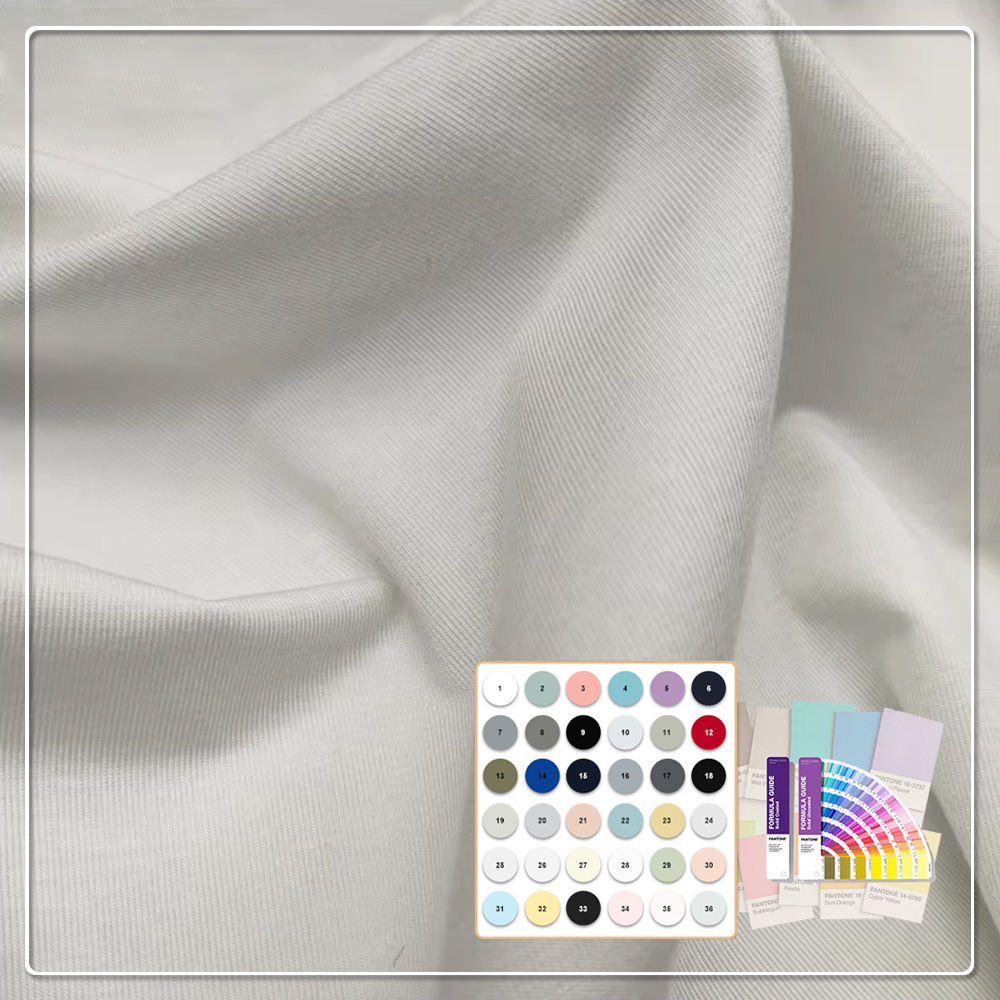
Request Product Samples: Before making a large order, obtain samples to evaluate fabric quality, color accuracy, and overall craftsmanship. 

Check References and Reviews: Look for testimonials or case studies from other buyers of Ohyeah. This can provide insights into the manufacturer's reliability and customer service.  

Visit the Manufacturing Facility: If possible, visiting the production site can give you a better understanding of their processes, capacity, and quality control measures.  

Understand Their Supply Chain: Inquire about their sourcing practices and relationships with suppliers. A transparent supply chain reflects a commitment to sustainability and ethical practices. 

Discuss Flexibility and Communication: A manufacturer that communicates effectively and is willing to accommodate changes or special requests can enhance the overall purchasing experience. 

By following these tips, buyers can make informed decisions that align with their quality and sustainability goals. 

In summary, sourcing from viscose fabric made from bamboo clothing manufacturers requires careful evaluation of their capabilities, quality control measures, and overall sustainability practices.  By understanding these factors, purchasing managers can confidently select a partner that meets their business needs while supporting eco-friendly initiatives. 

How to Choose Reliable Bamboo Clothing Manufacturers for Wholesale?

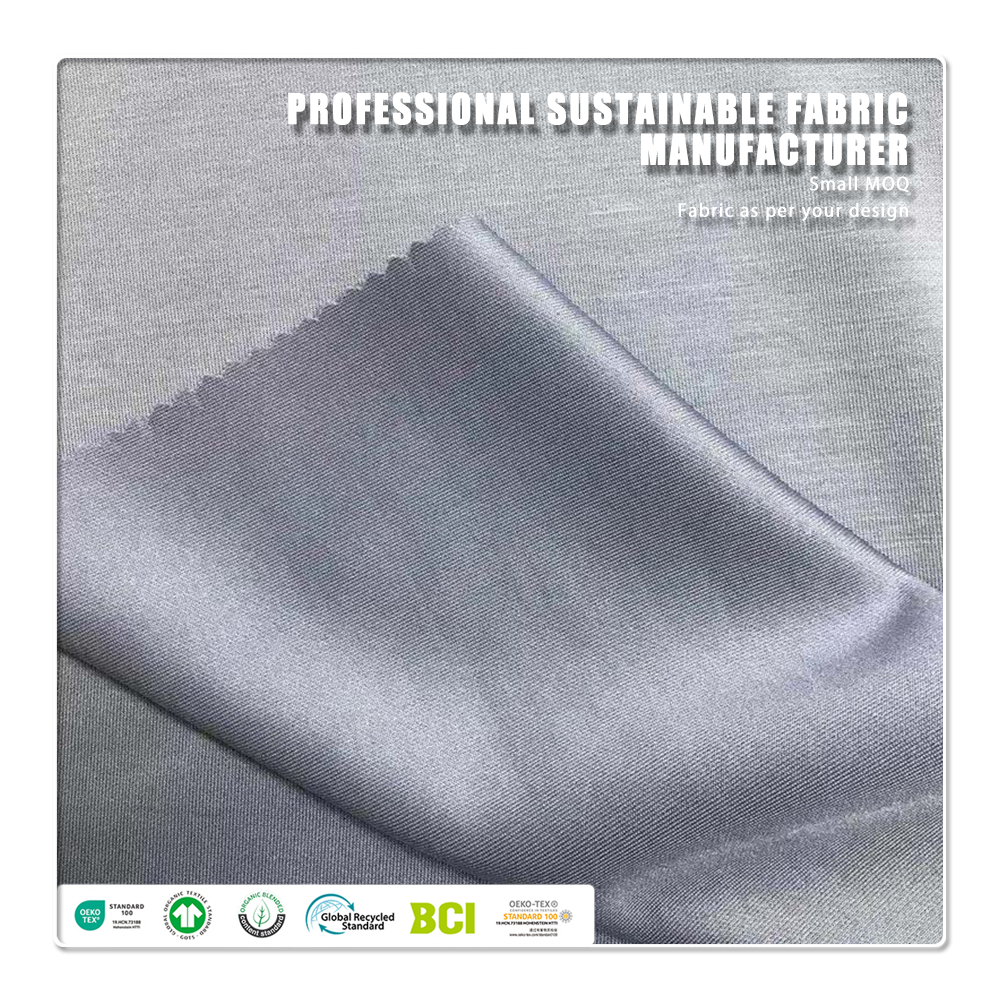
Selecting the right bamboo clothing manufacturer involves several key considerations. First, assess the manufacturer's certifications, such as OEKO-TEX, GOTS, OCS, and GRS. These certifications indicate adherence to environmental and social standards, ensuring that the products are made from sustainably sourced materials. 

Next, evaluate their production capacity. A manufacturer like Ohyeah Textile Co., Ltd., for example, operates over 100 circular knitting machines with a monthly output of 200 tons. This level of production capability is crucial for meeting large wholesale orders and ensuring timely delivery. 

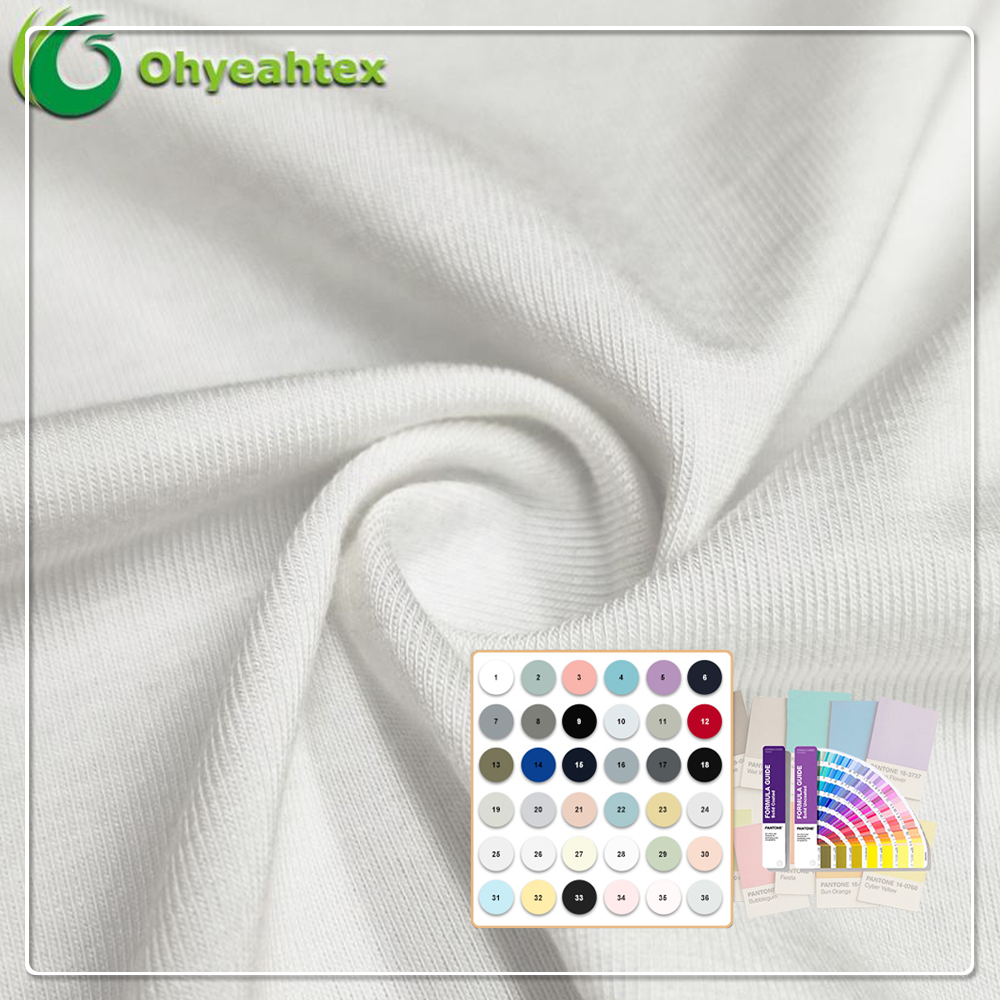
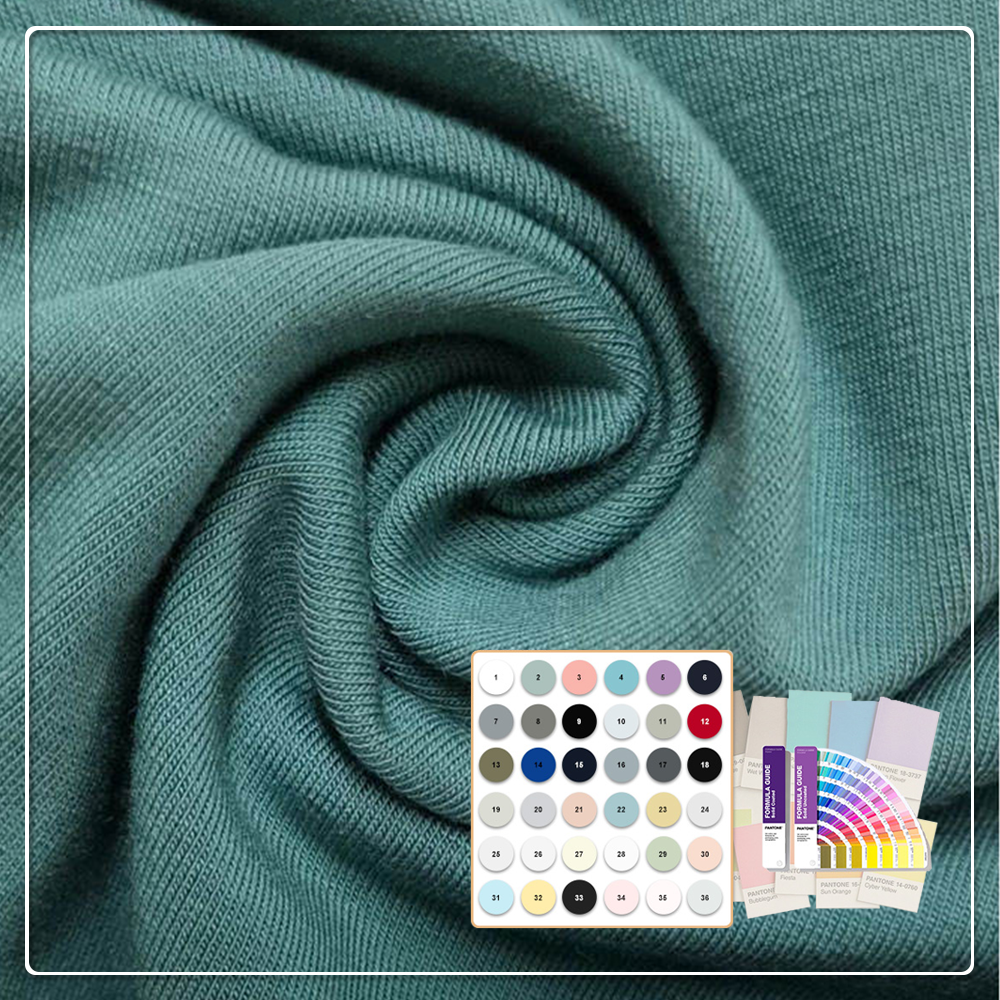
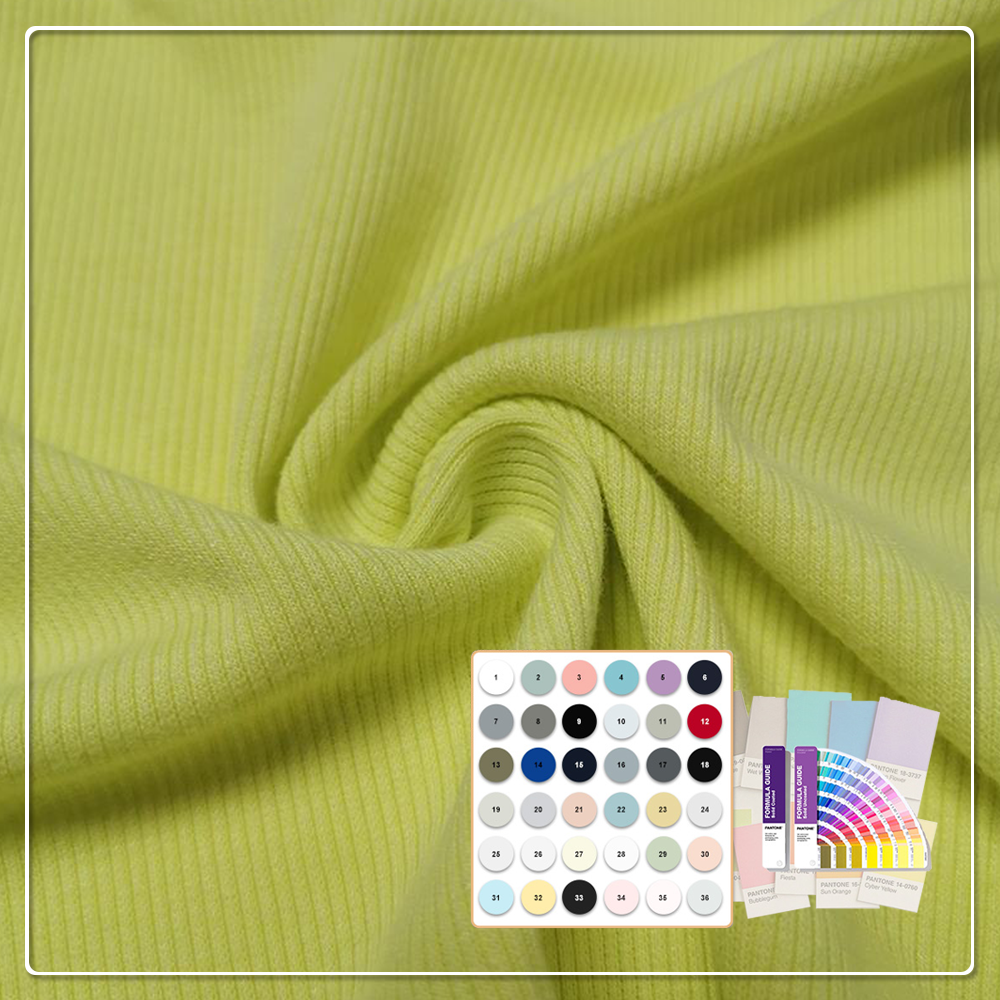
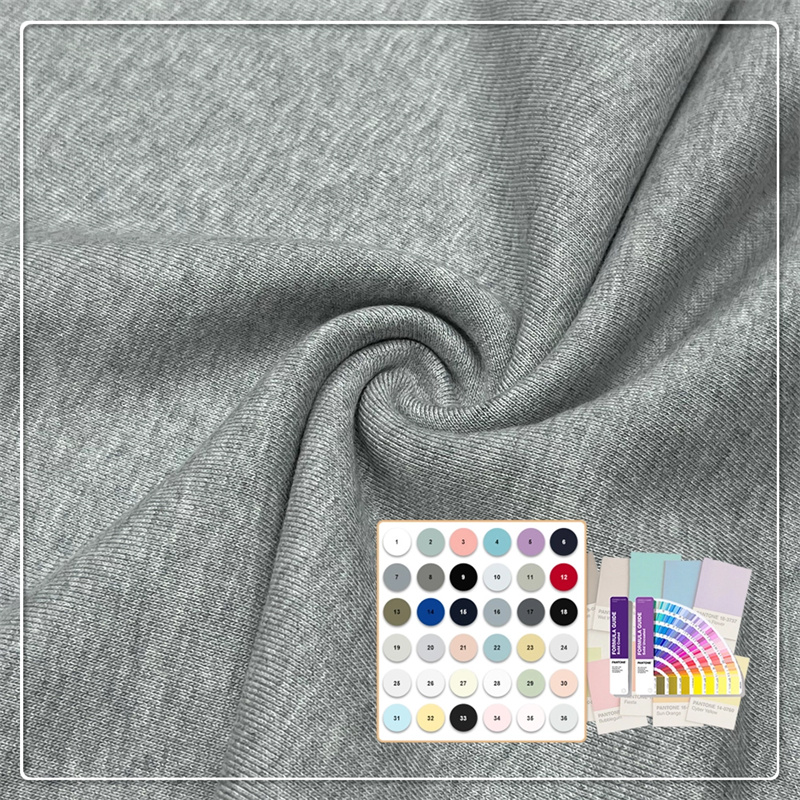
Additionally, consider the manufacturer's level of customization. Many buyers require specific colors, sizes, or fabric blends. Ensure that the manufacturer can accommodate your needs without compromising quality. Requesting samples before placing a bulk order can also help you assess the manufacturer’s capabilities and the quality of the finished product. 

Our Blog Posts

The Science of Bamboo Fabric: Manufacturing, History, and Eco-Impact

14

Jan

The Science of Bamboo Fabric: Manufacturing, History, and Eco-Impact

Eco-Science Briefing Often hailed as the "Queen of Fibers," bamboo fabric merges 1,700 years of Chinese heritage with modern Closed-loop Systems. Known for its "Bamboo Kun" antibacterial agent and a micro-porous structure that absorbs 1.5x more mois...
View More
How to print on bamboo fabric

04

Feb

How to print on bamboo fabric

I am aware that the bamboo fabric is fast gaining popularity in the fashion as well as the home textile business and it has earned an incredible softness, natural sheen and excellent environmental attributes. Shaoxing City Ohyeah Textile Co., Ltd. ha...
View More
Top Pajama Fabric Factory Recommendation Guide 2026: Sourcing the Best Materials

08

May

Top Pajama Fabric Factory Recommendation Guide 2026: Sourcing the Best Materials

Executive Summary: How to Find the Best Pajama Fabric Factory Finding a top pajama fabric factory means looking for more than just a low price. The best factories focus on three things: comfort, safety, and quality that lasts. According to the latest...
View More
Why Tencel Modal Helps Maintain Fabric Shape After Repeated Washing

29

May

Why Tencel Modal Helps Maintain Fabric Shape After Repeated Washing

If you've ever owned clothing you loved and then noticed that it just doesn't fit right anymore,necklines stretching,cuffs looking limp,or pants becoming baggy,you know how frustrating this can be. To brands,it translates to returns,poor reviews...
View More

Get a Free Quote

Our representative will contact you soon.
Email
Name
Mobile/WhatsApp
Company Name
Message
0/1000

Get a Free Quote

Our representative will contact you soon.
Email
Name
Mobile/WhatsApp
Company Name
Message
0/1000