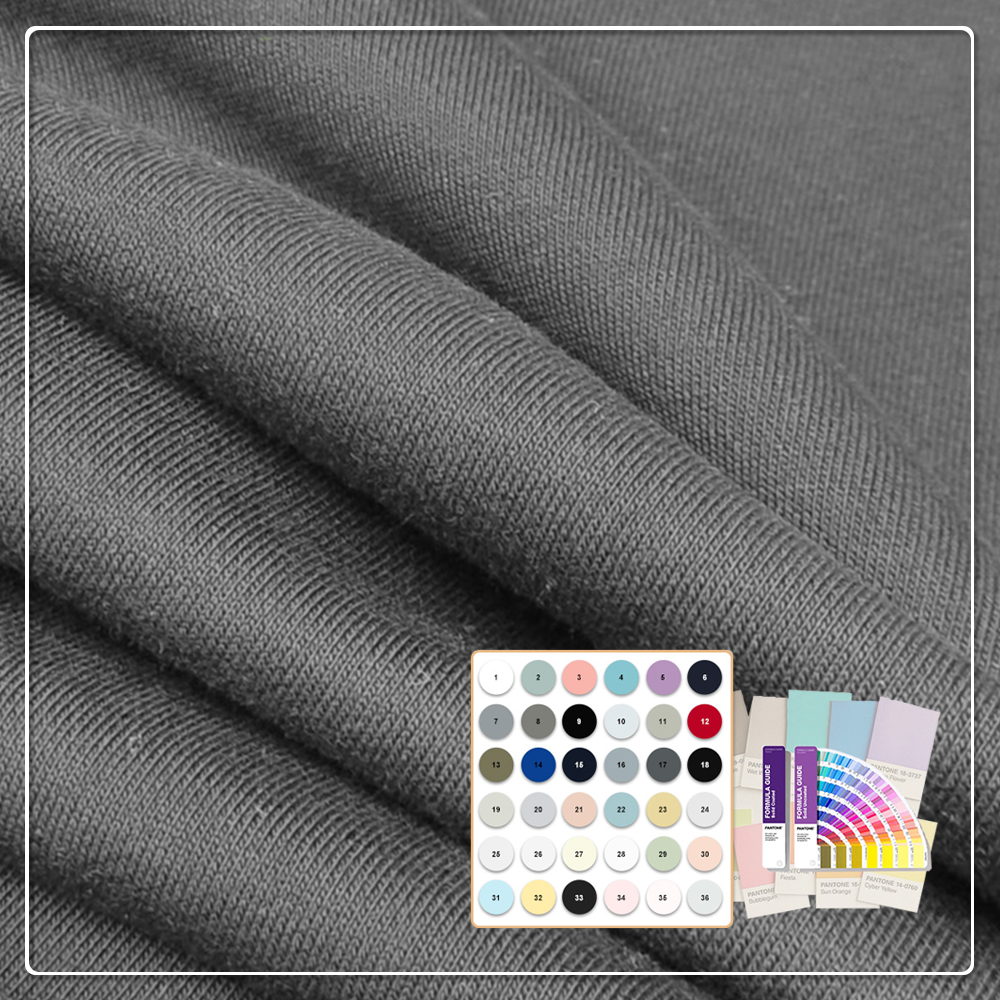
High-Quality Bamboo Fabric for Eco-Friendly Orders

Get a Free Quote

Our representative will contact you soon.
Email
Name
Mobile/WhatsApp
Company Name
Message
0/1000

bamboo fabric sustainable

Bamboo fabric has gained recognition as a sustainable alternative in the textile industry, appealing to buyers focused on eco-friendly manufacturing solutions. This article aims to address key concerns that B2B buyers face when sourcing bamboo fabric, such as quality, performance, and supplier reliability. By understanding critical specifications, potential applications, and common challenges, purchasing managers, distributors, and product managers can make informed decisions when considering wholesale orders of bamboo fabric.

Where to Find Reliable Suppliers for Bamboo Fabric in Bulk

Finding trustworthy suppliers for bamboo fabric in bulk can be achieved through various channels. Trade shows and industry expos provide excellent opportunities to meet manufacturers face-to-face and evaluate their offerings. Online marketplaces and B2B platforms also facilitate connections between buyers and suppliers, allowing for easy comparison of products and prices.

When selecting a supplier, consider their manufacturing capabilities and experience. A supplier with a robust production facility, such as Shaoxing City Ohyeah Textile Co., Ltd., which operates over 100 circular knitting machines and boasts a monthly output of 200 tons, can meet large order requirements reliably. Additionally, requesting samples can help buyers assess fabric quality before placing larger orders, ensuring compatibility with their specific manufacturing processes.
Key Specifications for Evaluating Bamboo Fabric Quality and Performance

Several specifications are critical when assessing the quality and performance of bamboo fabric. These include:

Fiber Composition: Ensure that the fabric is made from 100% bamboo or a high percentage of bamboo in blends. This affects both sustainability and performance characteristics.

Weight and Thickness: The weight of the fabric (measured in grams per square meter, or GSM) is crucial for determining its application. Lightweight fabrics are suitable for activewear, while heavier fabrics are better for upholstery.

Breathability and Moisture Management: Bamboo fabric is known for its breathability and moisture-wicking properties. Testing these attributes can determine if the fabric meets the intended usage, especially in clothing applications. Fabrics like the Eco-Friendly 67% Bamboo 28% Hemp 5% Spandex Breathable Anti-Bacteria Moisture-Absorbent Fleece Fabric for Lingerie Activewear exemplify these qualities.

Durability: Assessing the fabric's tensile strength and abrasion resistance ensures it can withstand regular use, especially in products like activewear or home textiles.

Buyers should verify these specifications through lab testing or by reviewing the supplier's quality assurance processes. This diligence helps prevent issues during production and ensures customer satisfaction.

Applications of Bamboo Fabric in Eco-Friendly Manufacturing Solutions

Bamboo fabric has a wide range of applications across various industries, primarily due to its sustainability and performance characteristics. In the apparel industry, it is increasingly used for activewear, loungewear, and undergarments. Its natural moisture-wicking properties and softness make it an attractive option for consumers seeking comfort and performance.

In home textiles, bamboo fabric is used for bedding, towels, and upholstery. Its hypoallergenic qualities make it suitable for sensitive skin, appealing to manufacturers targeting eco-conscious consumers. Additionally, bamboo fabric can be blended with other sustainable materials like organic cotton, enhancing its versatility and marketability. Products like OEM&ODM Eco-friendly 100% Bamboo Fiber Jersey Fabric Anti-Bacteria Moisture-Absorbent Breathable Features for Garment Apparel showcase this blend.

Manufacturers looking to incorporate bamboo fabric into their product lines can benefit from understanding these applications and their associated market trends. This knowledge enables them to tailor their offerings to meet consumer demands effectively.

Common Problems with Bamboo Fabric and Effective Solutions for Buyers

While bamboo fabric offers numerous advantages, buyers should be aware of common issues that may arise. One frequent concern is the potential for pilling, which can affect the fabric's appearance and durability. To mitigate this, buyers should consider suppliers that utilize high-quality fibers and advanced weaving techniques.

Another issue is the fabric’s susceptibility to wrinkles. Buyers can request specific finishing treatments that enhance wrinkle resistance, ensuring the final product maintains a polished look after laundering. Additionally, confirming the fabric’s care instructions is crucial to avoid potential damage during washing.

Buyers should also be mindful of the sourcing and production processes. Ensuring that the supplier adheres to sustainable practices and certifications can help prevent issues related to material quality and environmental impact. Regular communication with suppliers about any concerns and being proactive in quality checks can lead to more successful outcomes.

By understanding the nuances of bamboo fabric, B2B buyers can make informed decisions that align with their sustainability goals and product quality standards. With the right knowledge and supplier partnerships, sourcing bamboo fabric can lead to successful and eco-friendly manufacturing solutions.

What to Look for in High-Quality Bamboo Fabric for Wholesale Orders

When sourcing bamboo fabric, key attributes such as fiber quality, color fastness, and shrinkage should be prioritized. High-quality bamboo fabric should possess a soft texture and durability, making it suitable for various applications, from apparel to home textiles. Look for fabric that exhibits a color fastness rating of level 4-5, ensuring vibrant colors that withstand washing and exposure to light. Additionally, a shrinkage rate of less than 5% indicates that the fabric will maintain its original size and shape after laundering, which is essential for manufacturers concerned about product consistency.

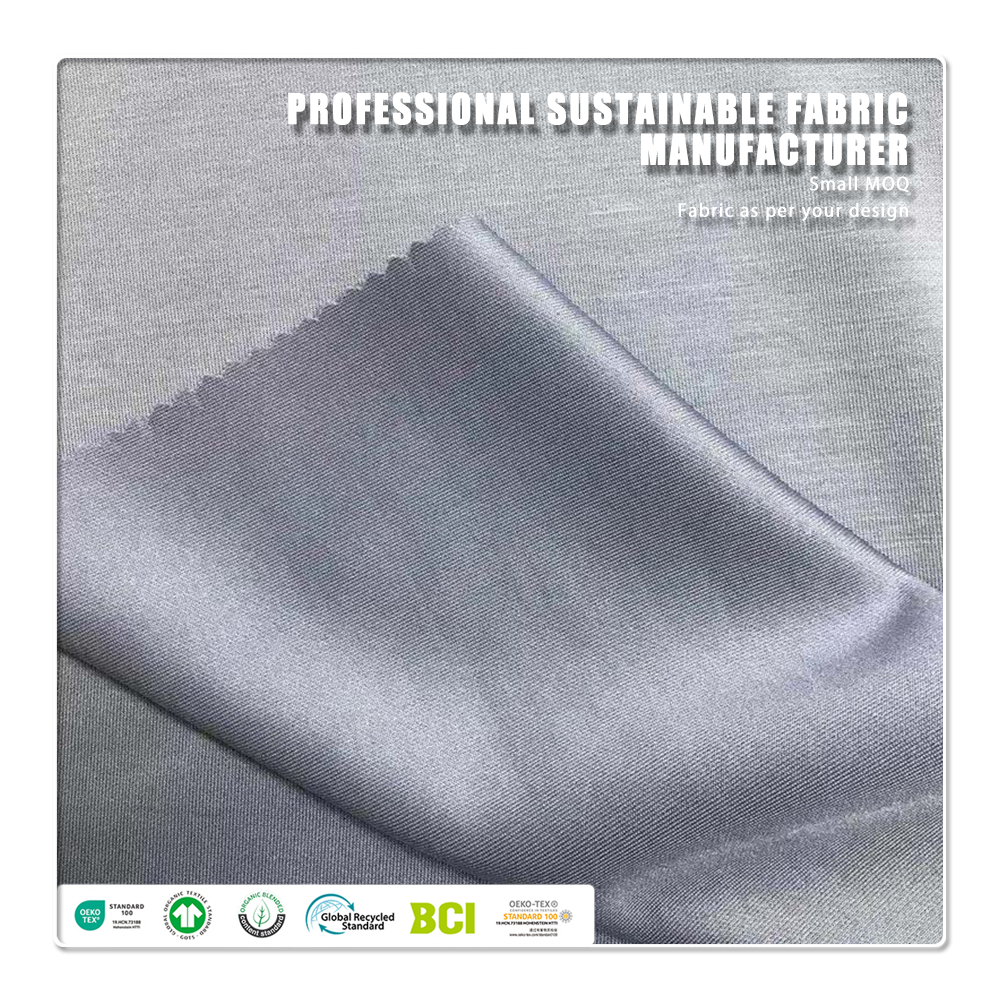
It's also important to consider the manufacturing processes employed by suppliers. Fabrics produced in compliance with certifications such as OEKO-TEX Certified 69% Bamboo 31% Sorona Single Jersey Fabric-Anti-Bacteria Lightweight for Women's Kids' Clothing, GOTS, OCS, and GRS are indicative of eco-friendly practices and adherence to high-quality standards. Understanding these certifications can help buyers assess the sustainability and reliability of the fabric they are purchasing.

Frequently Asked Questions

What makes bamboo fabric sustainable?

Our bamboo fabric is made from renewable bamboo fibers with low environmental impact and produced using eco-friendly processes, reducing water and chemical use compared to conventional fabrics.
We hold OEKO-TEX, GOTS, OCS and GRS certifications, ensuring ecological standards, organic content and responsible recycled material handling for our bamboo blends.
Our bamboo fabrics offer luxurious handfeel, color fastness level 4-5 and shrinkage below 5%, ensuring durable appearance and stable dimensions after care.
With over 100 circular knitting machines and 200 tons monthly output, we handle bulk orders efficiently; lead times vary by order size—please contact us for a specific timeline.
Yes. We offer customized colors, blends with organic cotton or recycled polyester, and tailored specifications, supported by our professional quality control team.

Our Blog Posts

The Ultimate Guide to Bamboo Fabric: Sustainability, Types, and Uses

14

Jul

The Ultimate Guide to Bamboo Fabric: Sustainability, Types, and Uses

The Ultimate Guide to Bamboo Fabric: Sustainability, Types, and Uses Table of Contents What Is Bamboo Fabric? Why Choose Bamboo Fabric? Types of Bamboo Fabric How Bamboo Fabric Is Made Applications of Bamboo Fabric Care Instructions for B...
View More
The Science of Bamboo Fabric: Manufacturing, History, and Eco-Impact

14

Jan

The Science of Bamboo Fabric: Manufacturing, History, and Eco-Impact

Eco-Science Briefing Often hailed as the "Queen of Fibers," bamboo fabric merges 1,700 years of Chinese heritage with modern Closed-loop Systems. Known for its "Bamboo Kun" antibacterial agent and a micro-porous structure that absorbs 1.5x more mois...
View More
The Growing Demand for Tencel Modal in Global Knit Fabric Markets

29

May

The Growing Demand for Tencel Modal in Global Knit Fabric Markets

Consumers,brands,and retailers are moving away from conventional fibers toward fibers which offer both performance and sustainability. Of many options,the growth in demand for Tencel Modal has been particularly strong. Shaoxing City Ohyeah Texti...
View More
What Apparel Manufacturers Expect from Tencel Modal Fabrics

29

May

What Apparel Manufacturers Expect from Tencel Modal Fabrics

Apparel manufacturers act as the bridge between the fiber producers and the consumer brands. Their expectations are tangible, measurable, and very demanding. For Tencel Modal fabrics, what matters to the manufacturer are its performance characteristi...
View More

Get a Free Quote

Our representative will contact you soon.
Email
Name
Mobile/WhatsApp
Company Name
Message
0/1000

Get a Free Quote

Our representative will contact you soon.
Email
Name
Mobile/WhatsApp
Company Name
Message
0/1000