EN
Bamboo jersey knit is a versatile and eco-friendly fabric that has gained popularity in various sectors, particularly in sustainable fashion. This article aims to address key specifications, quality assessment methods, common issues, and applications of organic jersey knit fabric, providing valuable insights to purchasing managers, distributors, and product managers who are considering this material for their projects.
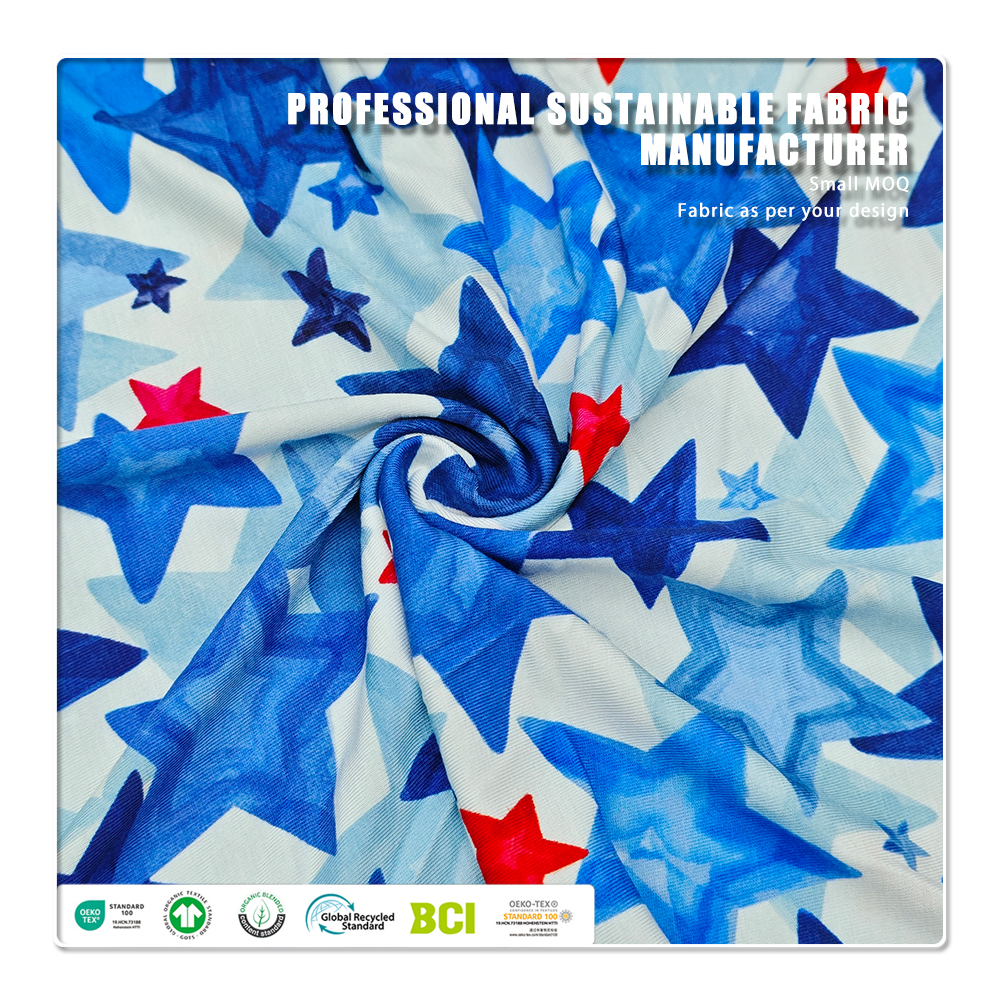
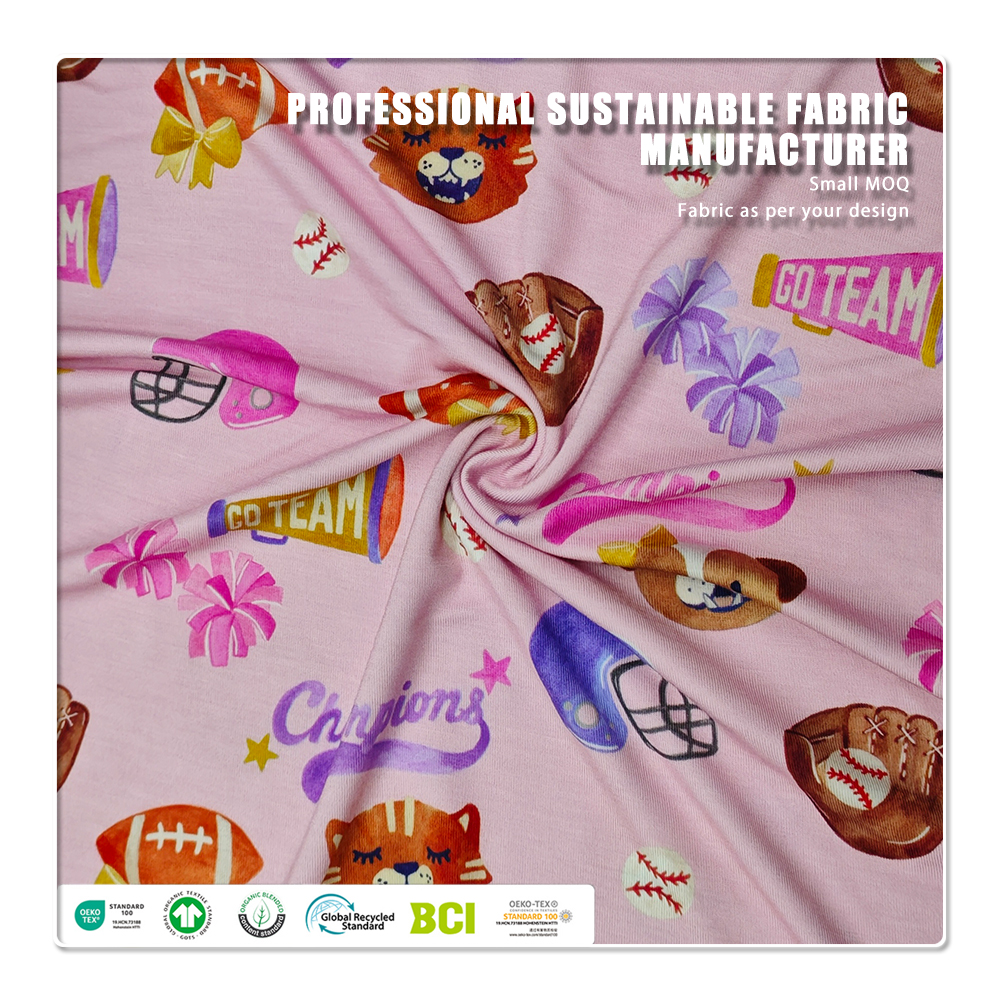
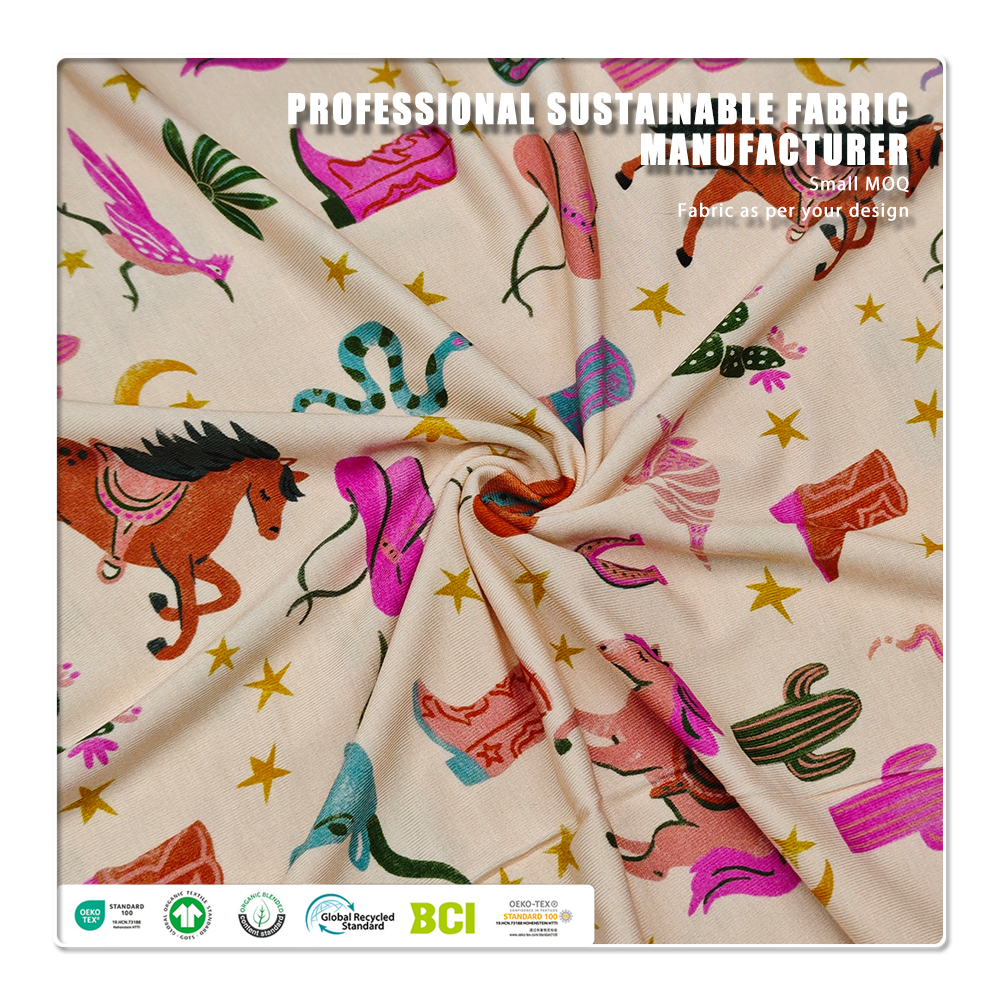
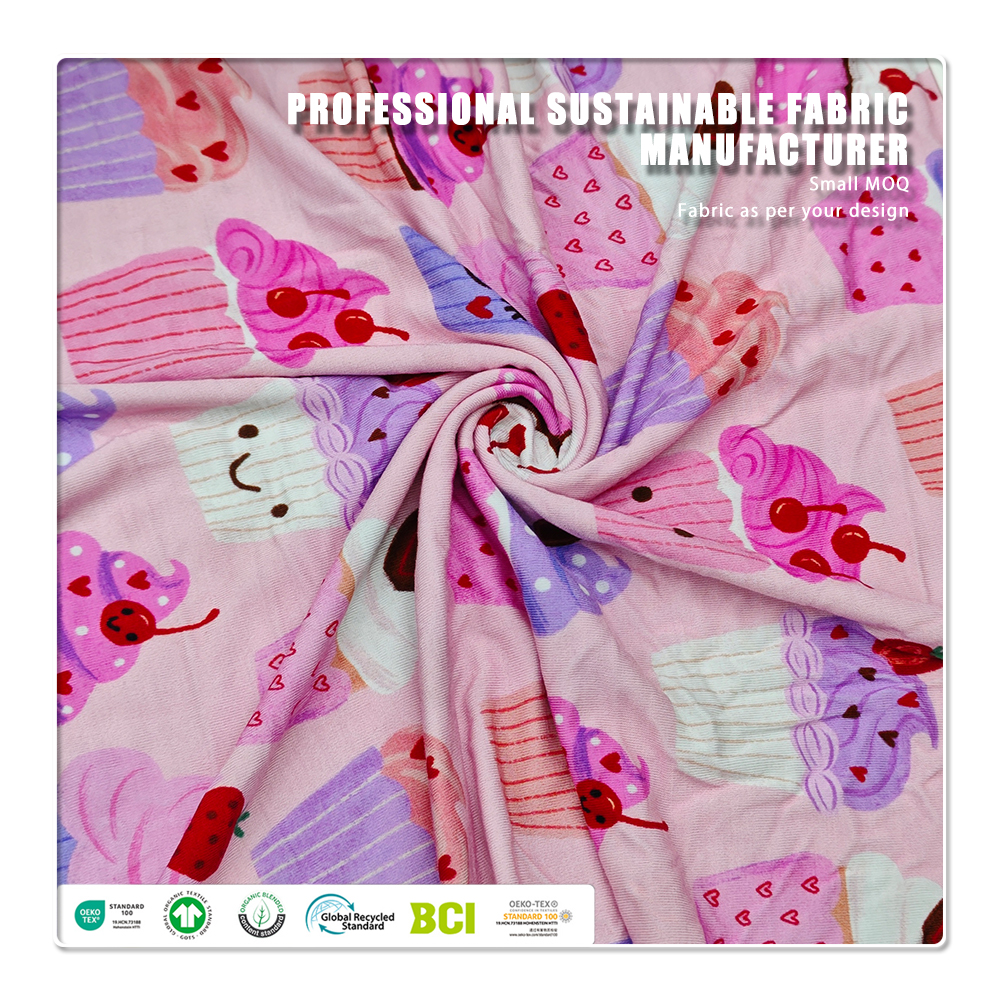
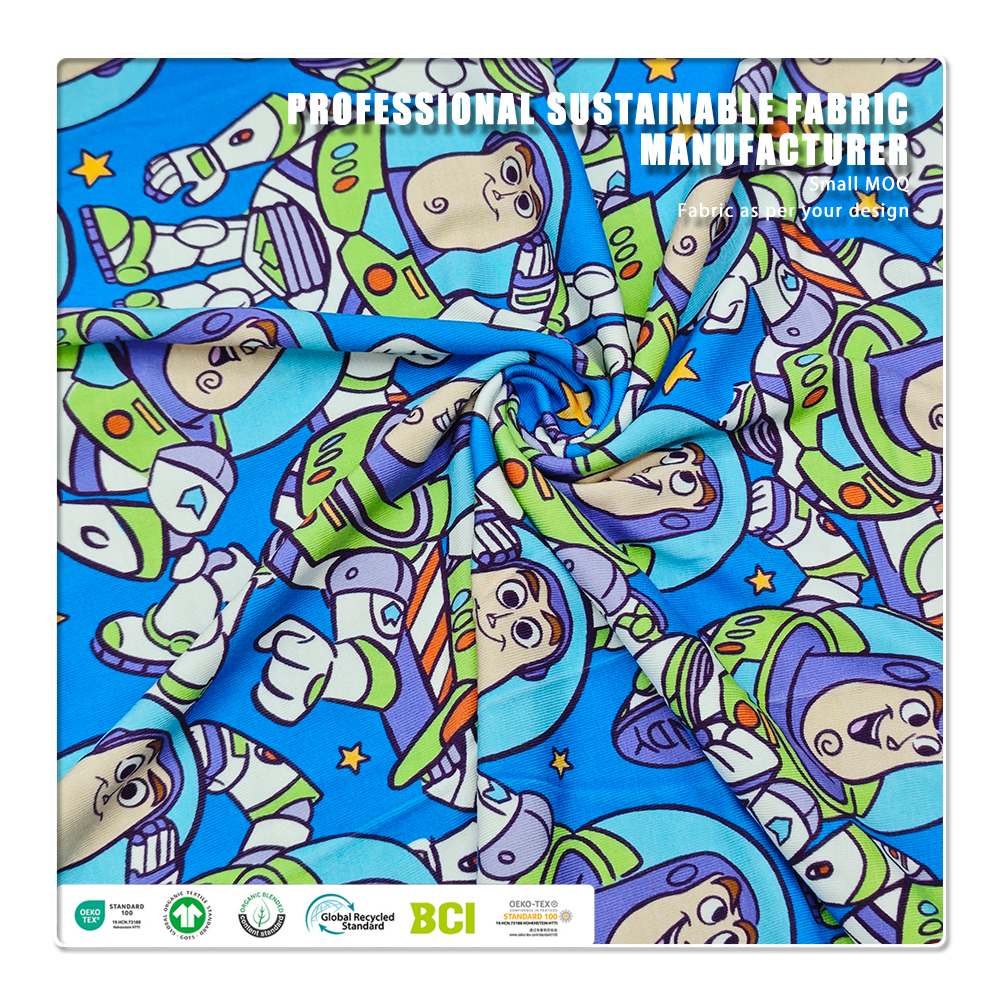
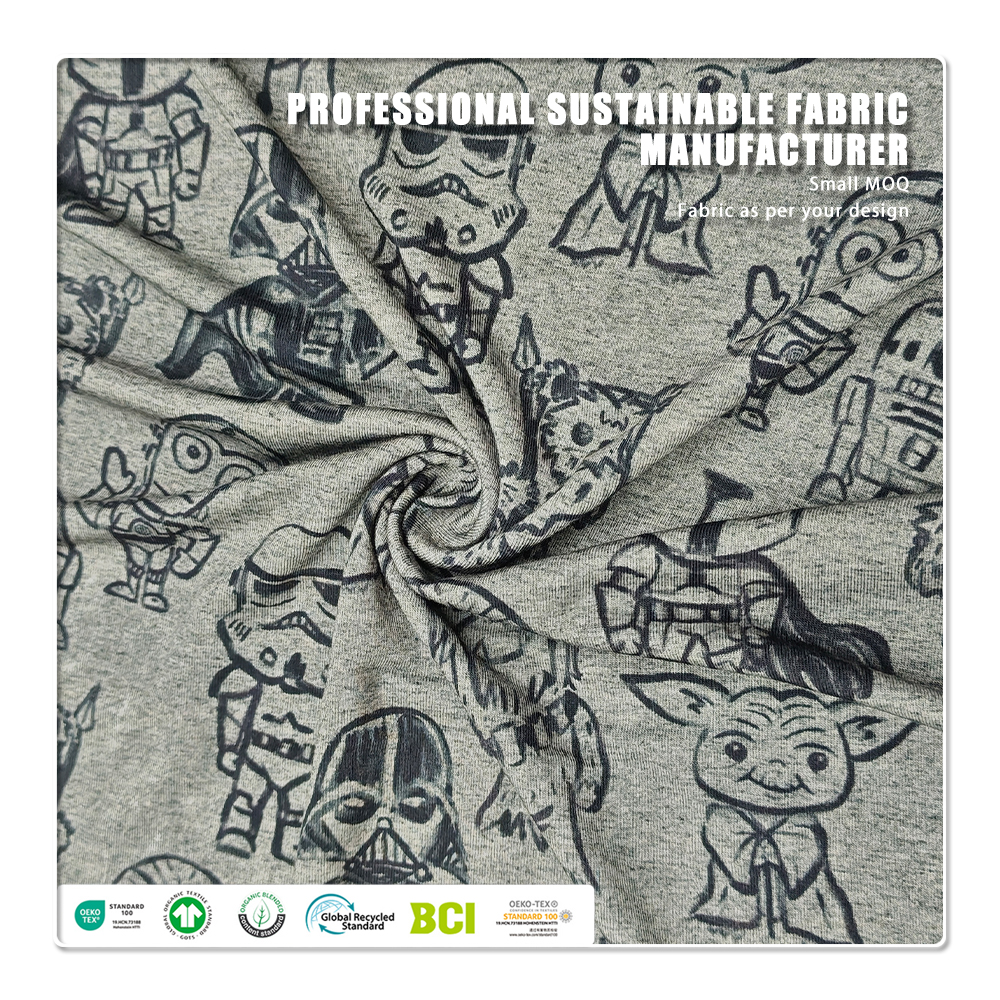
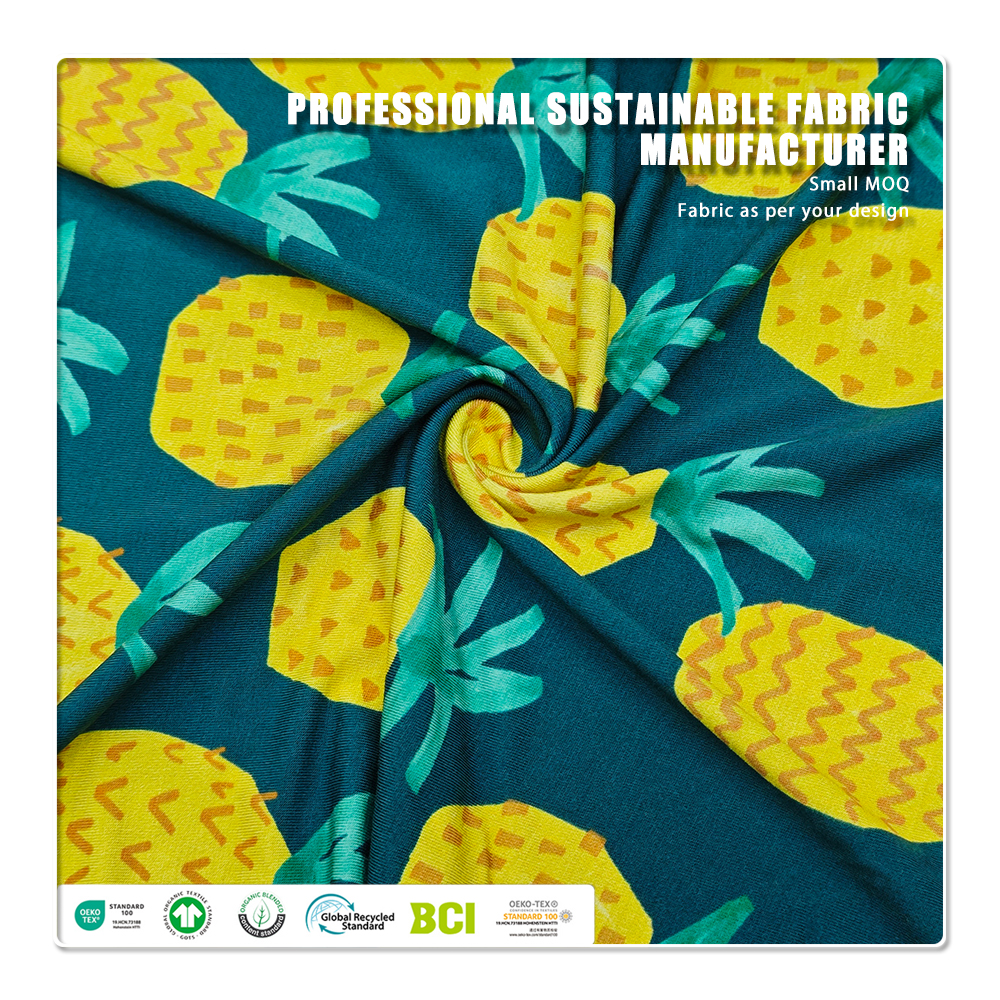
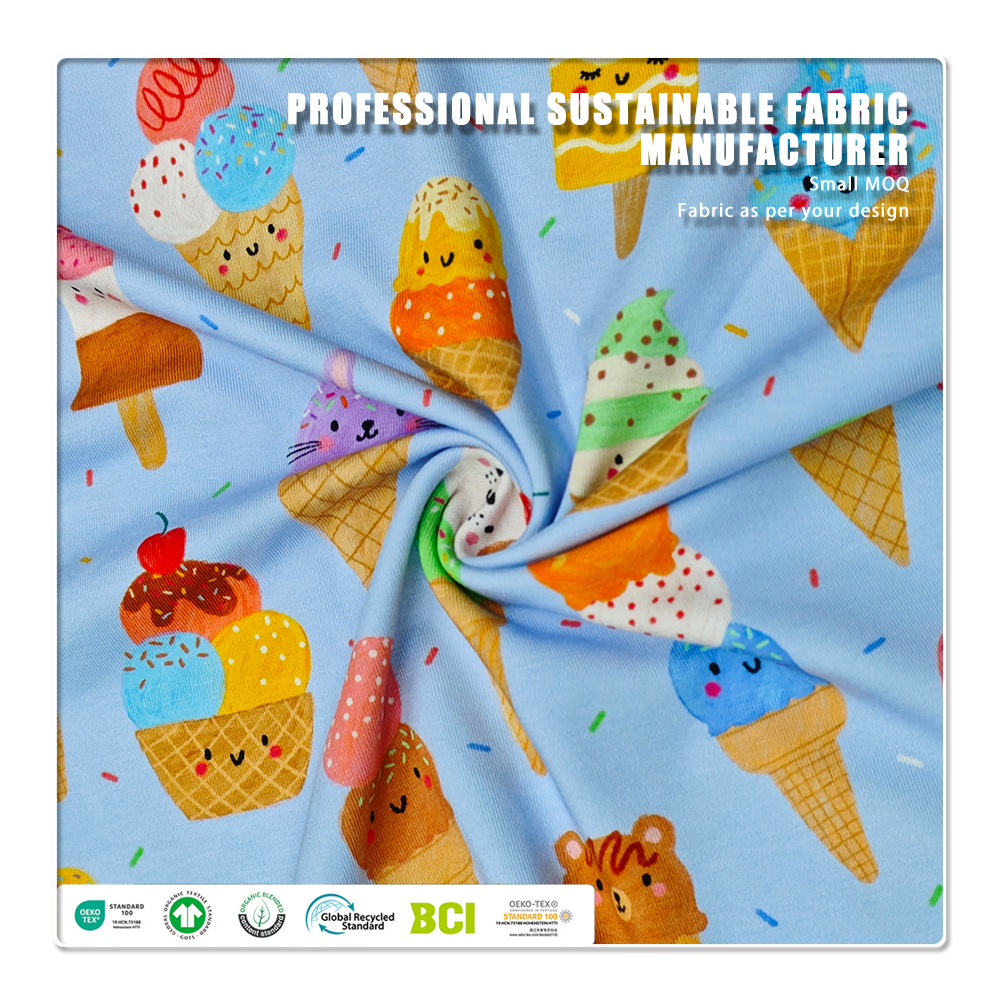
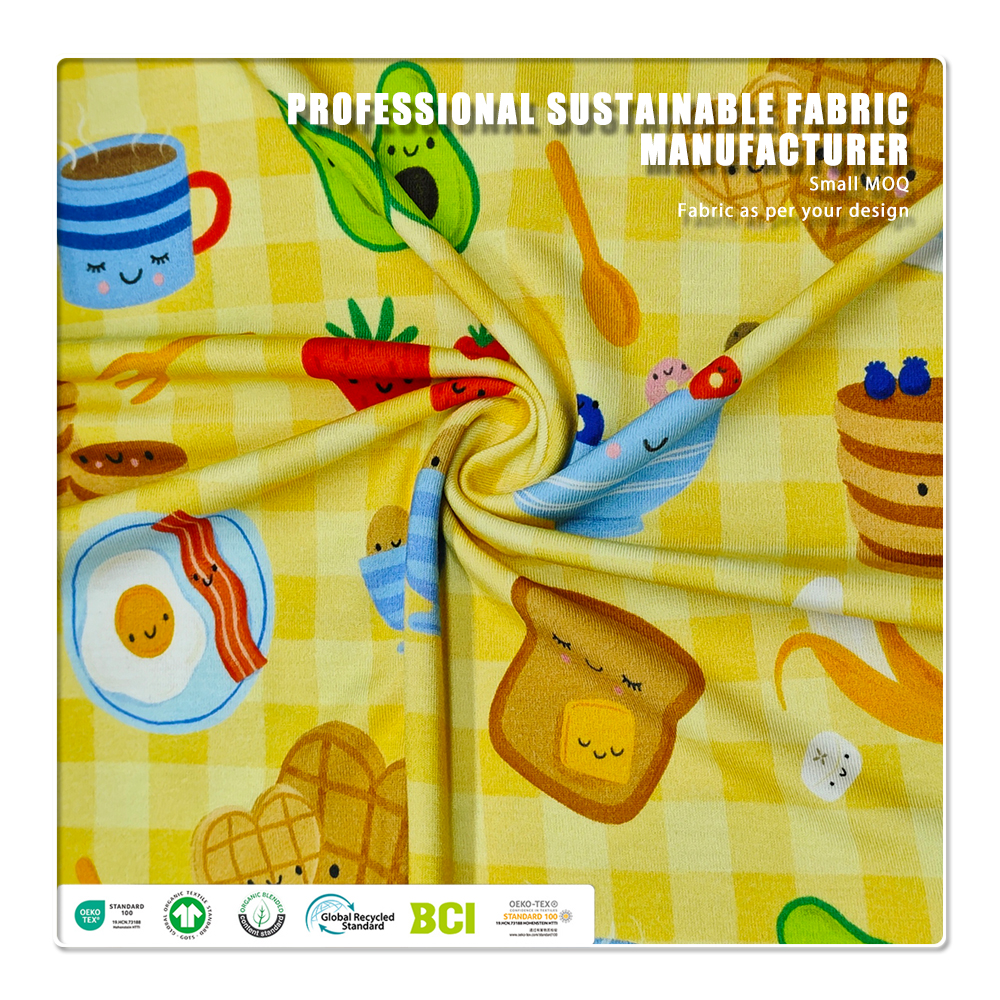
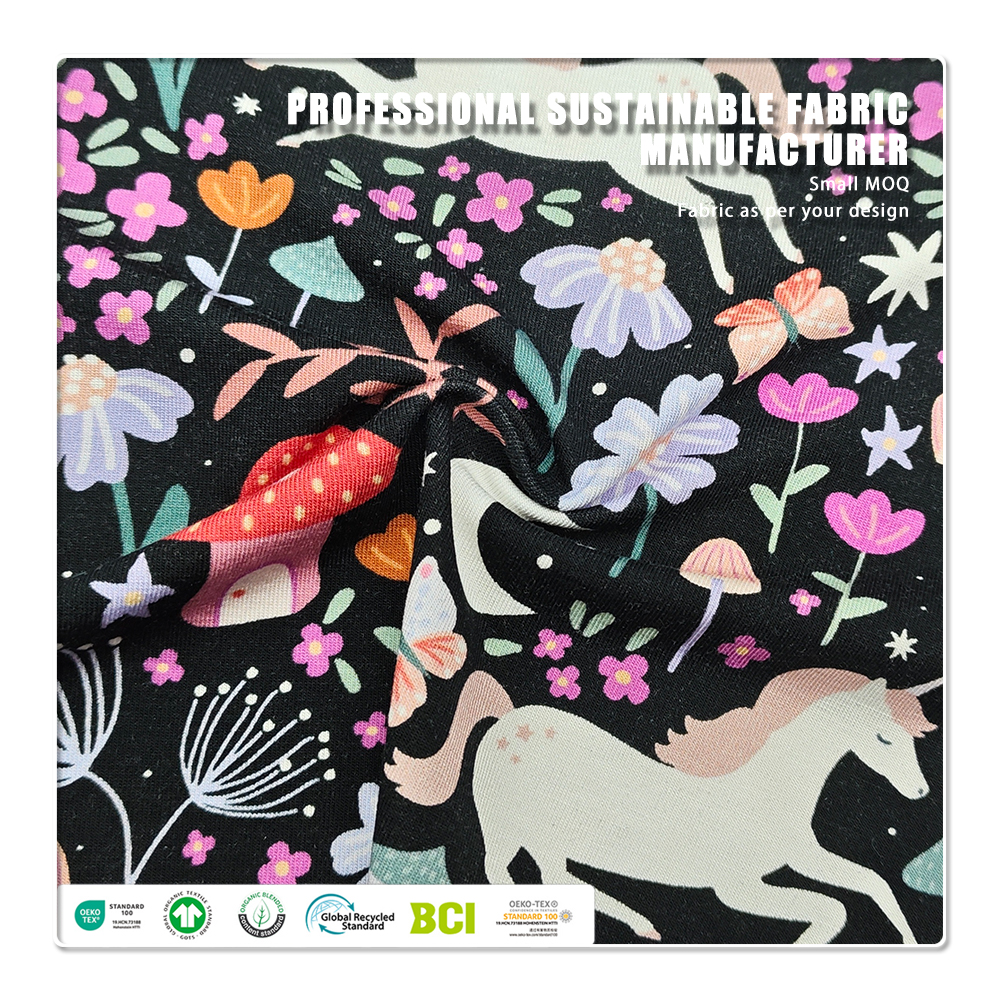
How to Evaluate the Quality of Bamboo Jersey Knit Fabrics
Evaluating the quality of Ohyeah bamboo jersey knit involves several practical steps:
Request Samples: Before placing a bulk order, obtaining samples is crucial. Buyers should assess the feel, drape, and overall appearance of the fabric. This hands-on evaluation allows for confirmation of the quality described by the supplier.
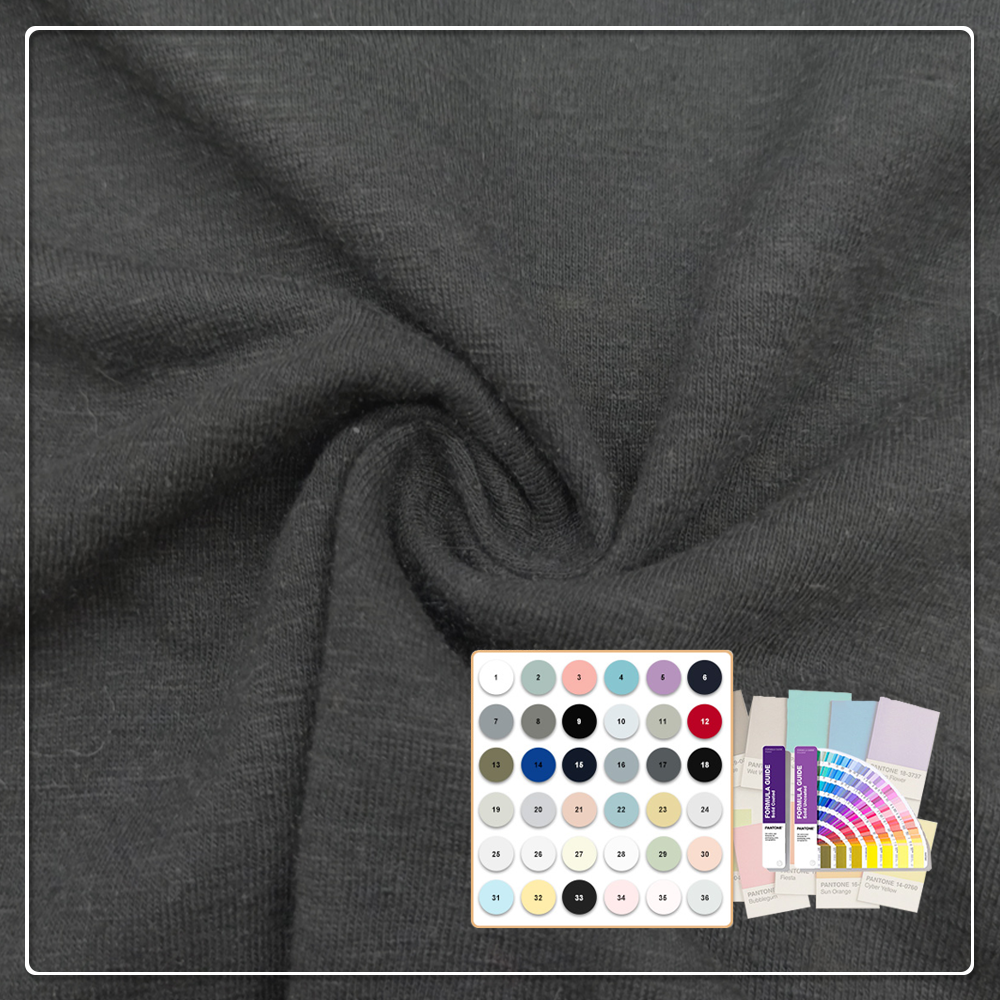
Inspecting for Consistency: Examine the sample for consistency in color and texture. Quality bamboo jersey should have an even surface without irregularities or defects. Any inconsistencies may indicate issues in manufacturing that could affect larger orders.
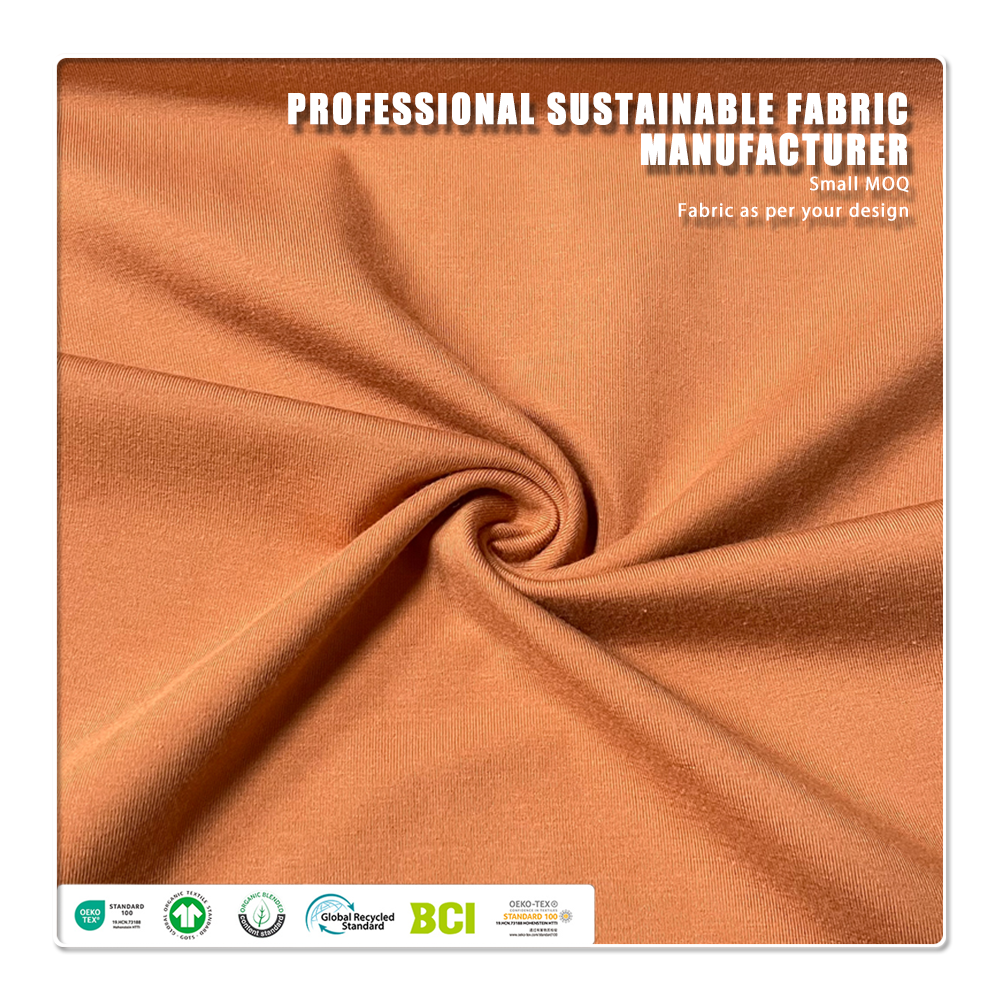
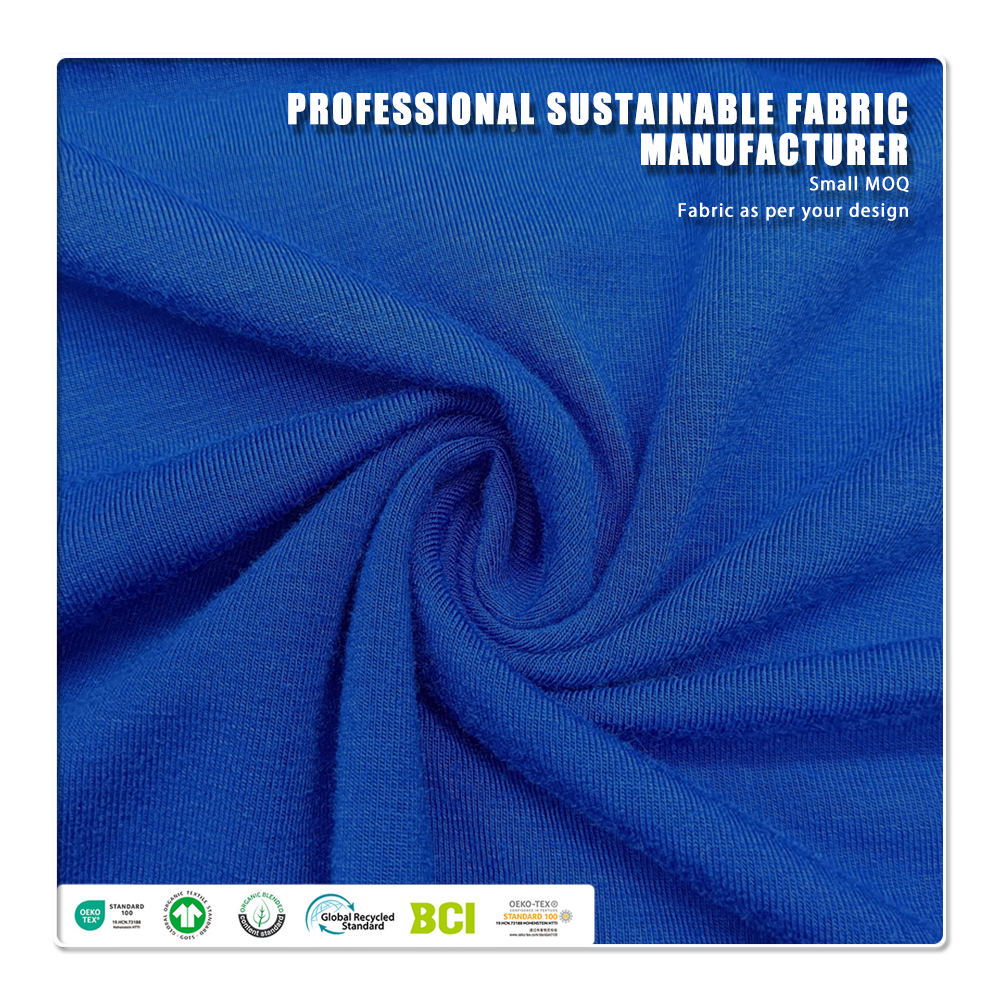
Assessing Certifications: Look for certifications such as OEKO-TEX, GOTS, OCS, and GRS, which indicate that the fabric meets specific environmental and social standards. These certifications not only confirm the sustainability of the product but also the ethical practices of the manufacturer.
Testing Performance: If possible, conduct wash tests to evaluate color retention and shrinkage. This practical evaluation can provide insight into how the fabric will perform over time in real-world conditions.