EN
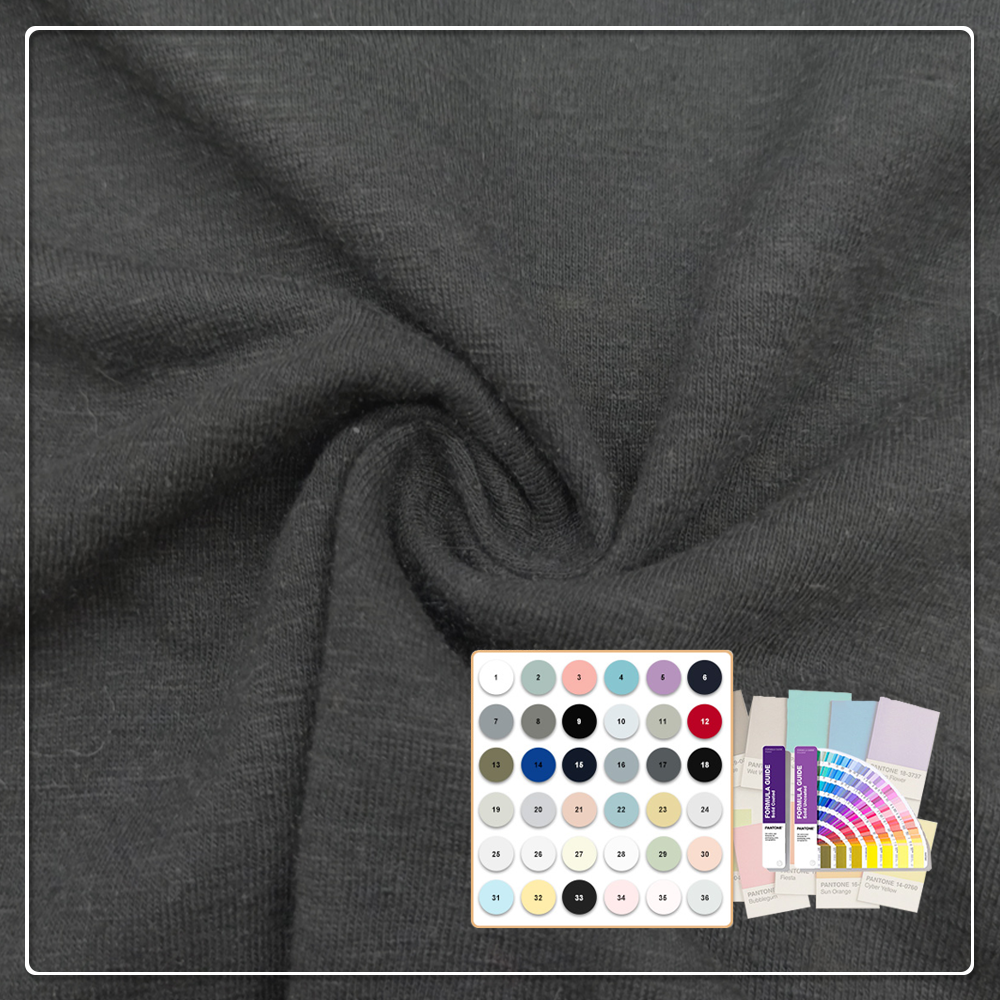
Bamboo material is rapidly gaining popularity in various industries, thanks to its eco-friendly properties and versatility. As buyers, manufacturers, and distributors continue to prioritize sustainable options, understanding the specifics of bamboo fabric becomes essential. This article will address common buyer concerns regarding quality, specifications, and application, providing valuable insights into bamboo material to assist in making informed purchasing decisions.
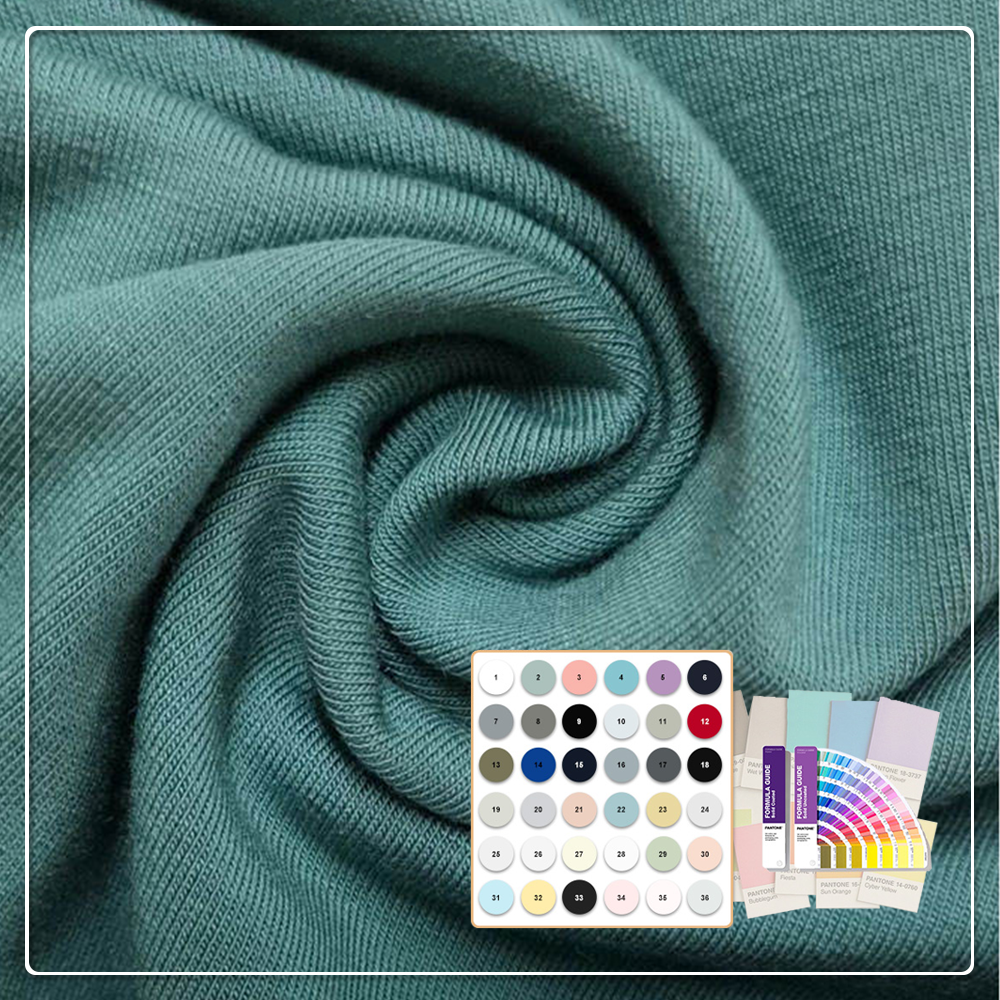



Comparing Bamboo Material vs. Other Eco-Friendly Fabrics
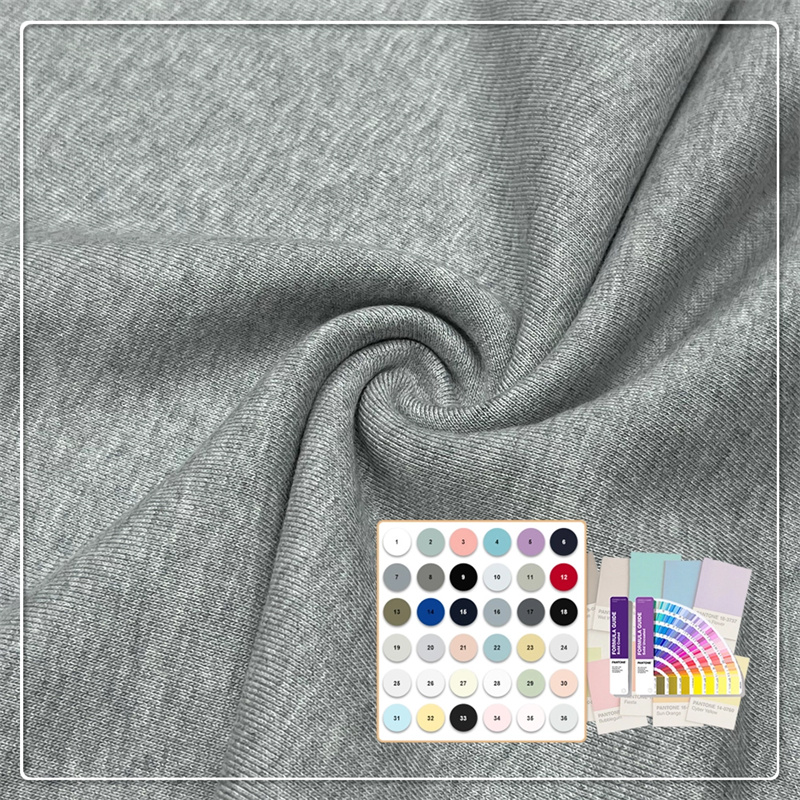
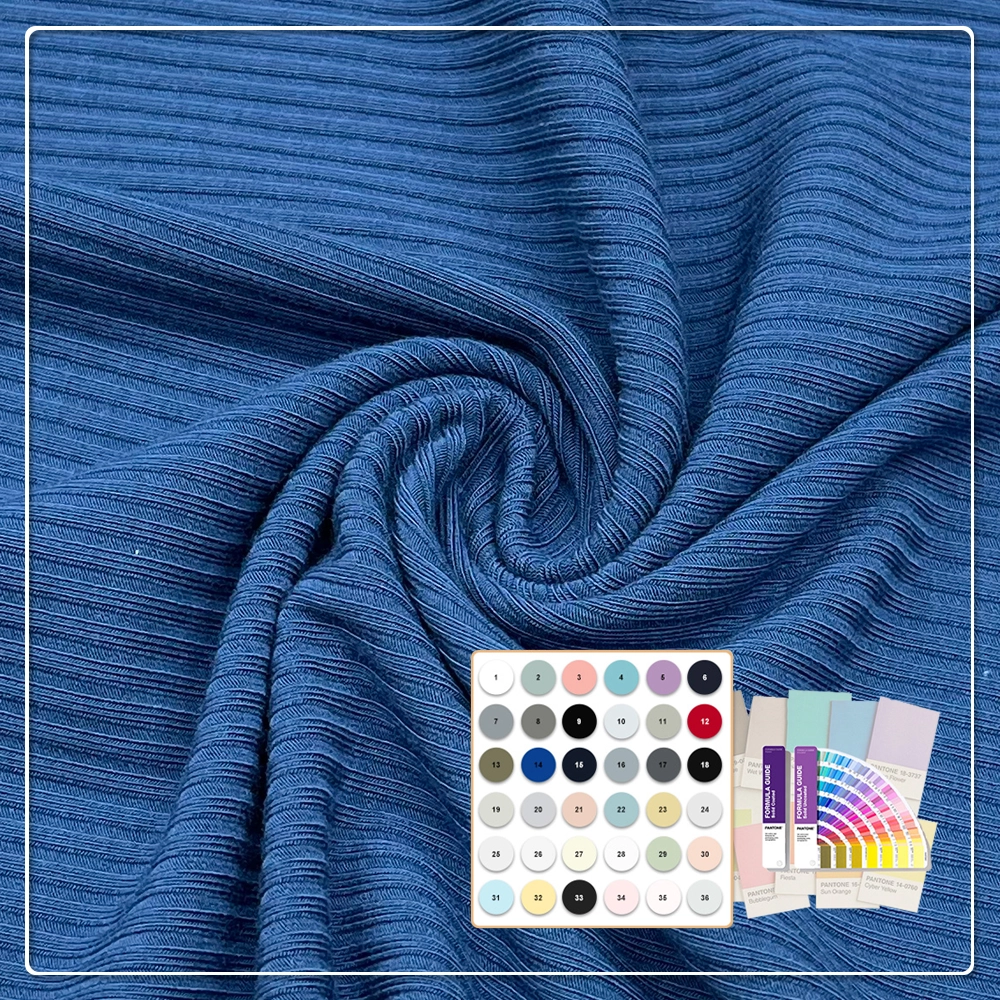
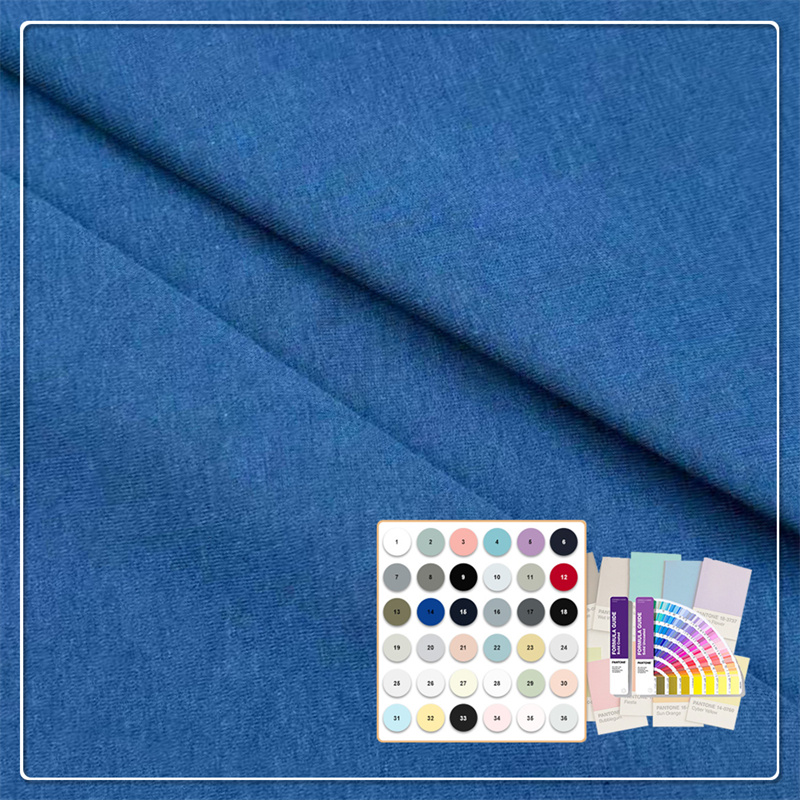
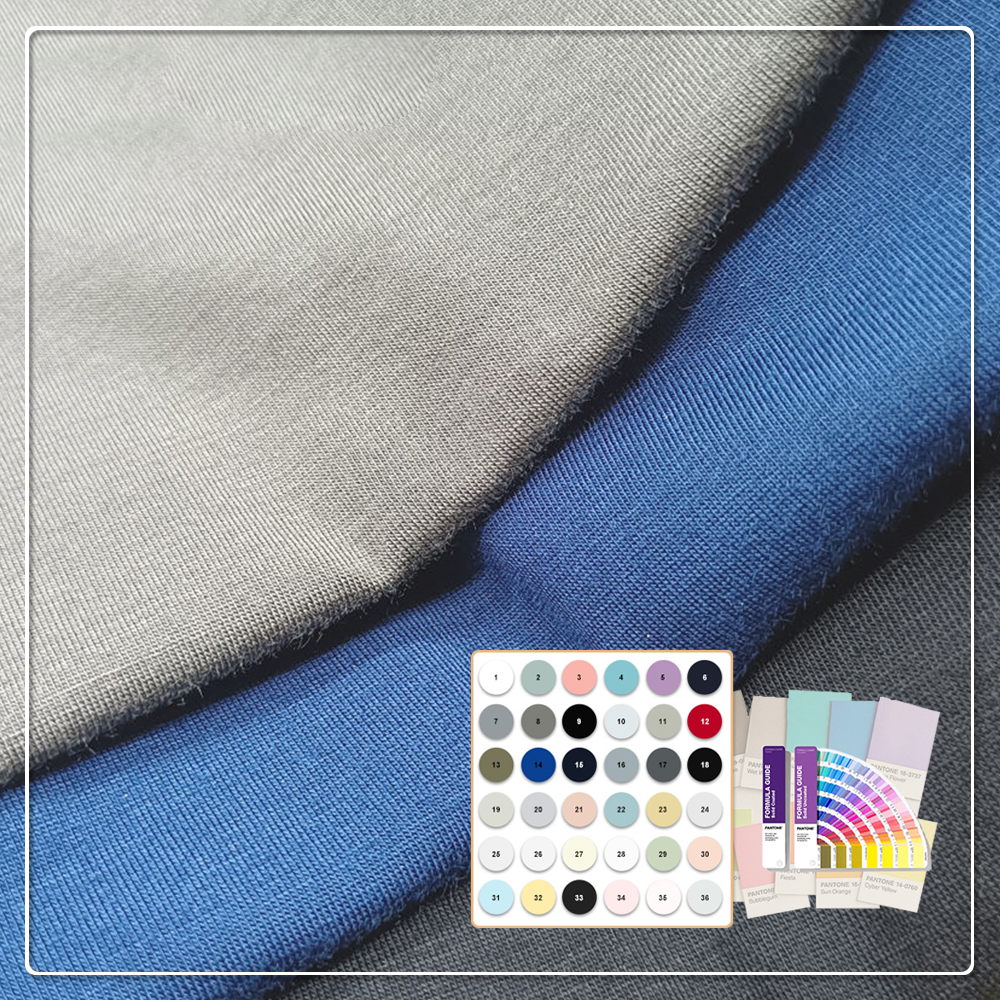
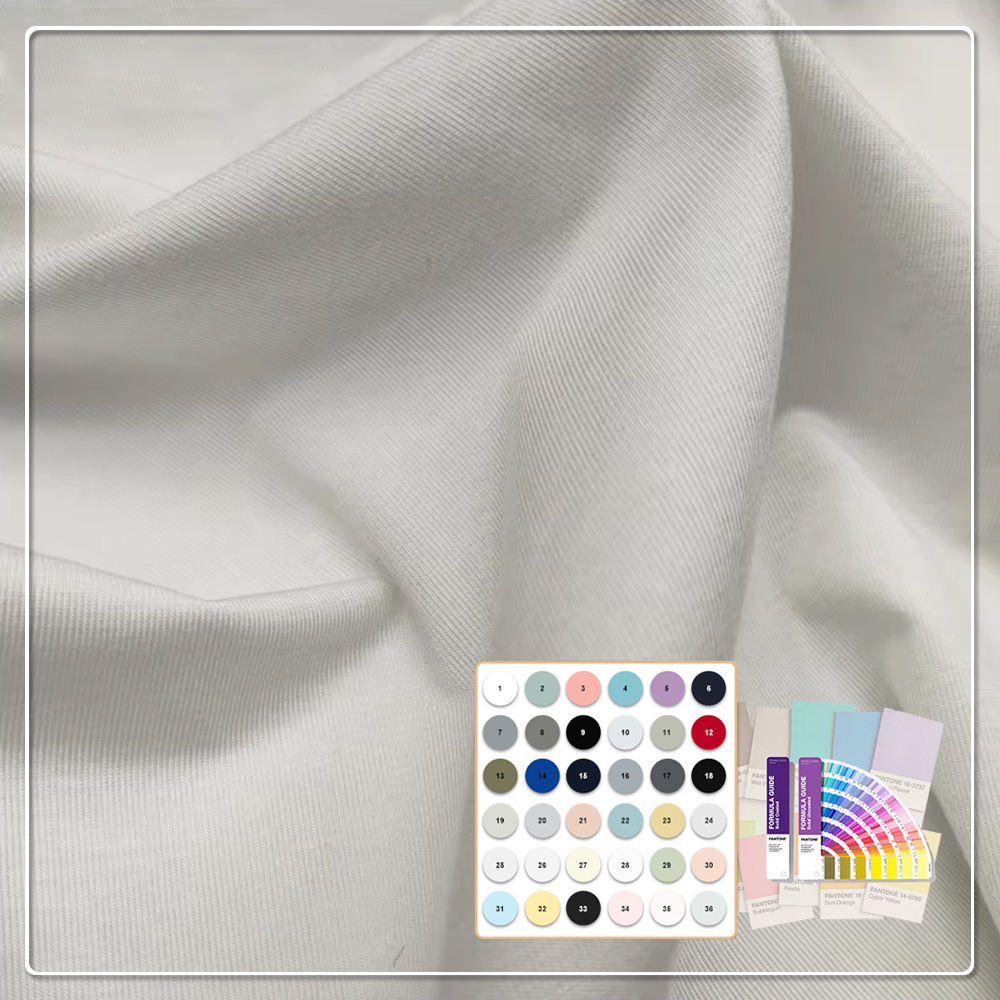
Bamboo material stands out when compared to other eco-friendly fabrics such as organic cotton, hemp, and recycled polyester. While organic cotton is a popular sustainable choice, it requires significant water and land resources for cultivation. In contrast, bamboo is a fast-growing plant that requires minimal water and can thrive in various climates, making it a more sustainable option. Hemp is another strong contender in the eco-friendly fabric market, known for its durability and strength. However, bamboo material fabric is generally softer and more comfortable against the skin, making it preferable for apparel. Additionally, bamboo has natural moisture-wicking properties, which help keep the wearer dry and comfortable. Recycled polyester, while a sustainable option, often relies on synthetic processes that may not align with the natural and biodegradable qualities of bamboo. This makes bamboo an appealing choice for buyers seeking a truly eco-friendly solution that combines comfort with sustainability.