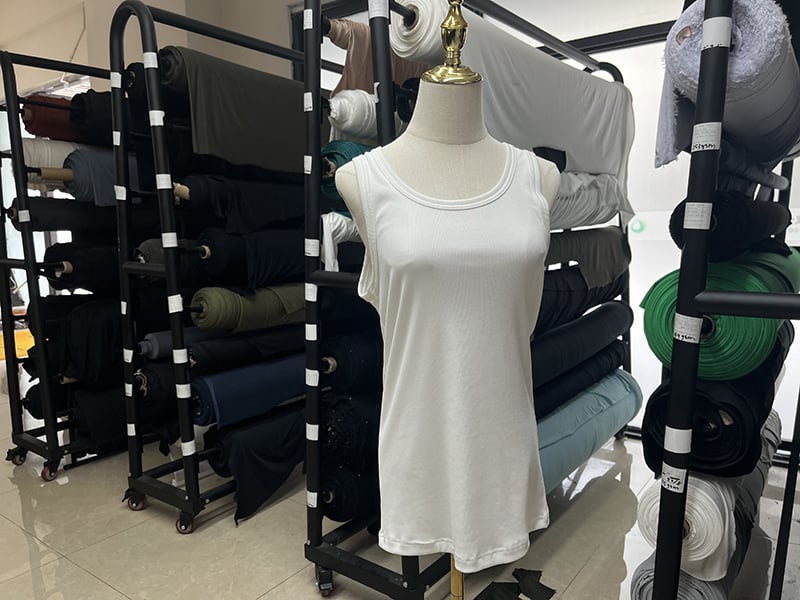
Certified Organic Cotton Clothing: Supplier Guide

Get a Free Quote

Our representative will contact you soon.
Email
Name
Mobile/WhatsApp
Company Name
Message
0/1000

Certified organic cotton clothing

Certified organic cotton clothing is becoming increasingly popular among businesses looking to meet sustainability goals and consumer demand for eco-friendly products. As a purchasing manager or product manager, understanding the requirements for sourcing certified organic cotton is crucial. This article will guide you through selecting the right supplier, understanding product specifications, verifying certifications, and addressing common challenges in the sourcing process, helping you make informed decisions for your business

Ohyeah provides certified organic cotton clothing and textile solutions for businesses seeking sustainable apparel options. When evaluating certified organic cotton clothing from Ohyeah, B2B buyers can consider factors such as organic fiber content, fabric construction, GSM, softness, comfort, durability, color fastness, shrinkage, garment design, sizing, and finishing. Buyers should also verify relevant organic certifications and documentation, while assessing production capacity, customization options, minimum order quantities, quality control procedures, lead times, packaging, pricing, and supplier support to ensure the products meet their sustainability, quality, and sourcing requirements.


Our Products

Key Specifications of Certified Organic Cotton Fabrics Explained

Understanding the specifications of certified organic cotton fabrics is vital to ensure they meet your application's needs. Key specifications include:

Material Composition: Certified organic cotton must be grown without synthetic fertilizers or pesticides. This affects not only the environmental impact but also the fabric's texture and comfort

Color Fastness: A color fastness rating of level 4-5 is ideal for many applications, indicating that the colors will remain vibrant through multiple washes. This is crucial for maintaining product quality and customer satisfaction

Shrinkage: Fabrics with a shrinkage rate of less than 5% are preferred, as they retain their shape and size after laundering. This is particularly important in certified organic cotton clothing manufacturing, where fit is vital

Weight and Thickness: These factors influence the fabric's durability and suitability for different applications. Lighter organic cotton fabrics may be suitable for summer certified organic cotton clothing, while heavier weights are preferable for colder climates

Buyers should verify these specifications with suppliers before placing orders to ensure the organic cotton fabrics will meet their specific use cases.

Installation Guidelines for Organic Cotton Clothing in Various Applications

Installing or utilizing certified organic cotton clothing in various applications requires attention to detail. For instance, when using organic cotton in apparel manufacturing, consider the following guidelines:

Pre-Washing: Pre-washing Organic Cotton Fabrics can help eliminate any residual chemicals from processing and pre-shrink the material. This step is critical to avoid unexpected shrinkage after the final product is produced

Sewing Techniques: Utilize appropriate sewing techniques for organic cotton to ensure durability and aesthetic appeal. For example, using flat lock seams can enhance the fabric's comfort and reduce bulk at seam lines

Labeling and Care Instructions: Clearly label certified organic cotton clothing with care instructions to maintain fabric quality. Inform consumers about washing temperatures and drying methods to preserve the integrity of the fabric

Compatibility with Other Materials: If blending organic cotton with other fabrics, ensure that the materials are compatible in terms of care and chemical treatments. This prevents issues during laundering and enhances the overall product quality

By following these installation guidelines, businesses can ensure the longevity and quality of their certified organic cotton clothing.

Common Challenges in Sourcing Organic Cotton and Effective Solutions

Sourcing certified organic cotton clothing or natural cotton clothing can present several challenges. One common issue is the limited availability of genuinely certified materials. To mitigate this challenge, buyers should establish strong relationships with multiple suppliers and maintain open communication about their needs and expectations

Another challenge is navigating the complexities of international shipping and customs. Buyers should factor in lead times and potential delays when planning orders. It’s advisable to work with suppliers who have experience in exporting organic products to your target market, as they can provide insights into regulatory requirements and documentation needed for smooth customs clearance

Quality control can also pose difficulties, especially when dealing with large orders. Implementing a thorough quality inspection process, including pre-shipment inspections and sample approvals, can help identify potential issues before they escalate. This proactive approach is crucial for maintaining product integrity and meeting customer expectations.

Where to Find Reliable Suppliers of Certified Organic Cotton Clothing

Finding reliable suppliers of certified organic cotton clothing involves leveraging various resources. Here are some effective strategies:

Industry Associations: Joining industry associations related to sustainable textiles can provide access to a network of certified suppliers. Associations often host trade shows and forums where buyers can connect with manufacturers

Online Marketplaces: Platforms like Alibaba or ThomasNet allow buyers to search for certified organic cotton suppliers. Be sure to check supplier ratings, certifications, and reviews to ensure credibility

Trade Shows: Attending textile and apparel trade shows provides opportunities to meet suppliers face-to-face, inspect their products, and discuss your specific requirements. Events focused on sustainability often highlight suppliers committed to eco-friendly practices

Referrals and Recommendations: Networking with industry peers can yield valuable referrals for trusted suppliers. Engaging with others who have experience in sourcing organic cotton can lead to finding reliable partners

Direct Outreach: If you identify potential suppliers through research, don’t hesitate to reach out directly. Request samples, inquire about their manufacturing capabilities, and discuss your specific needs to assess their fit for your business

By employing these strategies, buyers can identify trustworthy suppliers who can meet their needs for certified organic cotton clothing, ensuring sustainable and high-quality products for their markets.

How to Choose the Right Supplier for Organic Cotton Clothing

Selecting a reliable supplier for certified organic cotton clothing involves several key considerations. First, evaluate the supplier's certifications. Look for manufacturers with OEKO-TEX, GOTS, OCS, and GRS certifications, which ensure compliance with stringent environmental and social standards. These certifications demonstrate a commitment to sustainable practices and transparency in production

Next, assess the supplier's manufacturing capabilities. A supplier with a large array of machinery, such as circular knitting machines, can handle diverse orders and maintain consistent quality. For example, at Shaoxing City Ohyeah Textile Co., Ltd., we operate over 100 circular knitting machines with a monthly output of 200 tons, allowing us to meet various demands effectively

Additionally, consider the supplier's quality control processes. A professional team dedicated to quality assurance is essential to ensure that the fabrics meet your specifications, such as color fastness and shrinkage levels. Establishing clear communication channels with potential suppliers can also help you gauge their reliability and responsiveness.

Our Blog Posts

The Science of Bamboo Fabric: Manufacturing, History, and Eco-Impact

14

Jan

The Science of Bamboo Fabric: Manufacturing, History, and Eco-Impact

Eco-Science Briefing Often hailed as the "Queen of Fibers," bamboo fabric merges 1,700 years of Chinese heritage with modern Closed-loop Systems. Known for its "Bamboo Kun" antibacterial agent and a micro-porous structure that absorbs 1.5x more mois...
View More
The Smooth Texture Benefits of Tencel Modal in Apparel Manufacturing

29

May

The Smooth Texture Benefits of Tencel Modal in Apparel Manufacturing

A smooth texture in clothing is a desirable fabric feature today. This add value to a fabric: it is an aesthetically pleasing, comfortable, and a mark of good quality. To produce a consistently smooth fabric texture, one must invest in fibe...
View More
What Makes Tencel Lyocell a Preferred Choice for Sustainable Apparel

29

May

What Makes Tencel Lyocell a Preferred Choice for Sustainable Apparel

Sustainability has now moved out of the niche and into an expectation among ethical consumers and forward-thinking brands. Among the many eco-friendly fibers currently available, Tencel Lyocell has emerged as a clear front-runner. Here at S...
View More
Why Tencel Lyocell Is Widely Used in Sustainable Fashion Collections

29

May

Why Tencel Lyocell Is Widely Used in Sustainable Fashion Collections

Sustainable fashion is no longer a trend that only attracts the fringe;it is now mainstream. Designers and brands are actively searching for materials that cause minimal harm to the planet,while still retaining the highest levels of quality and style...
View More

Get a Free Quote

Our representative will contact you soon.
Email
Name
Mobile/WhatsApp
Company Name
Message
0/1000

Get a Free Quote

Our representative will contact you soon.
Email
Name
Mobile/WhatsApp
Company Name
Message
0/1000