Quality Cotton Hemp Blend Fabric Sourcing Guide

Get a Free Quote

Our representative will contact you soon.
Email
Name
Mobile/WhatsApp
Company Name
Message
0/1000

Cotton hemp blend fabric

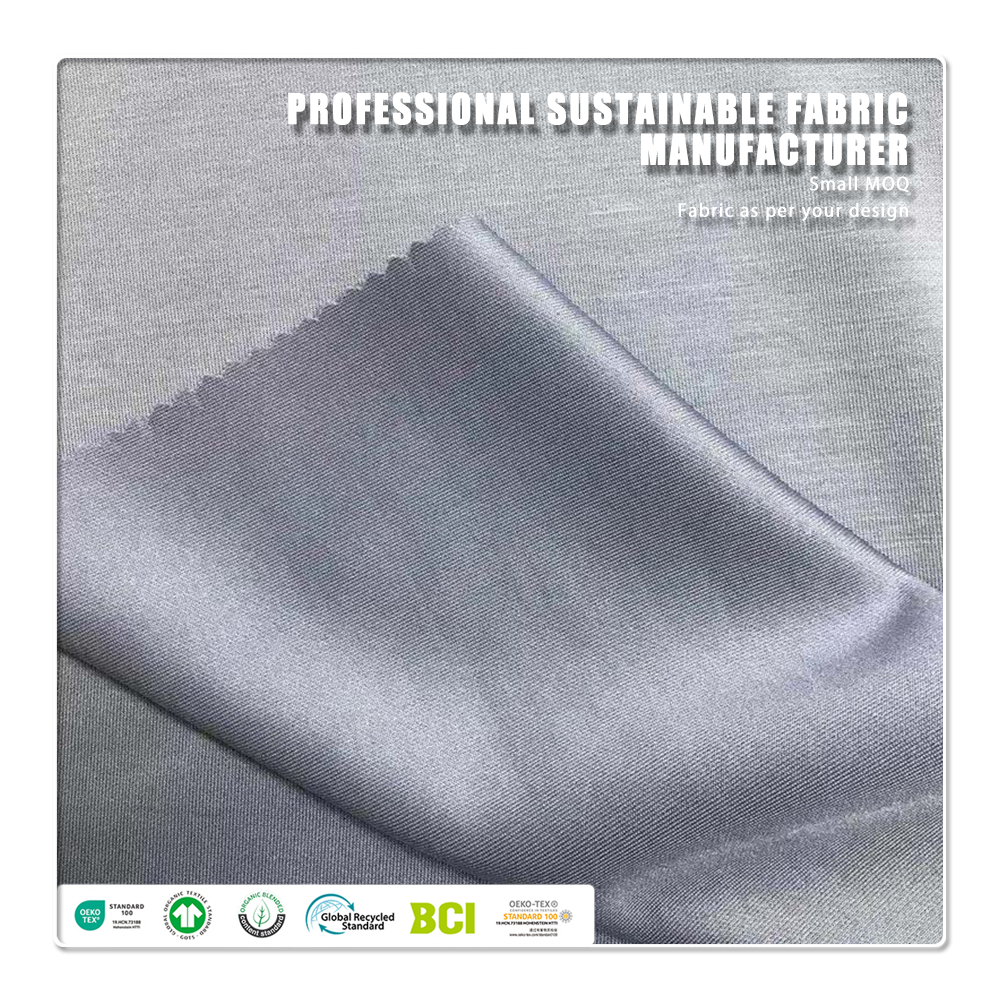
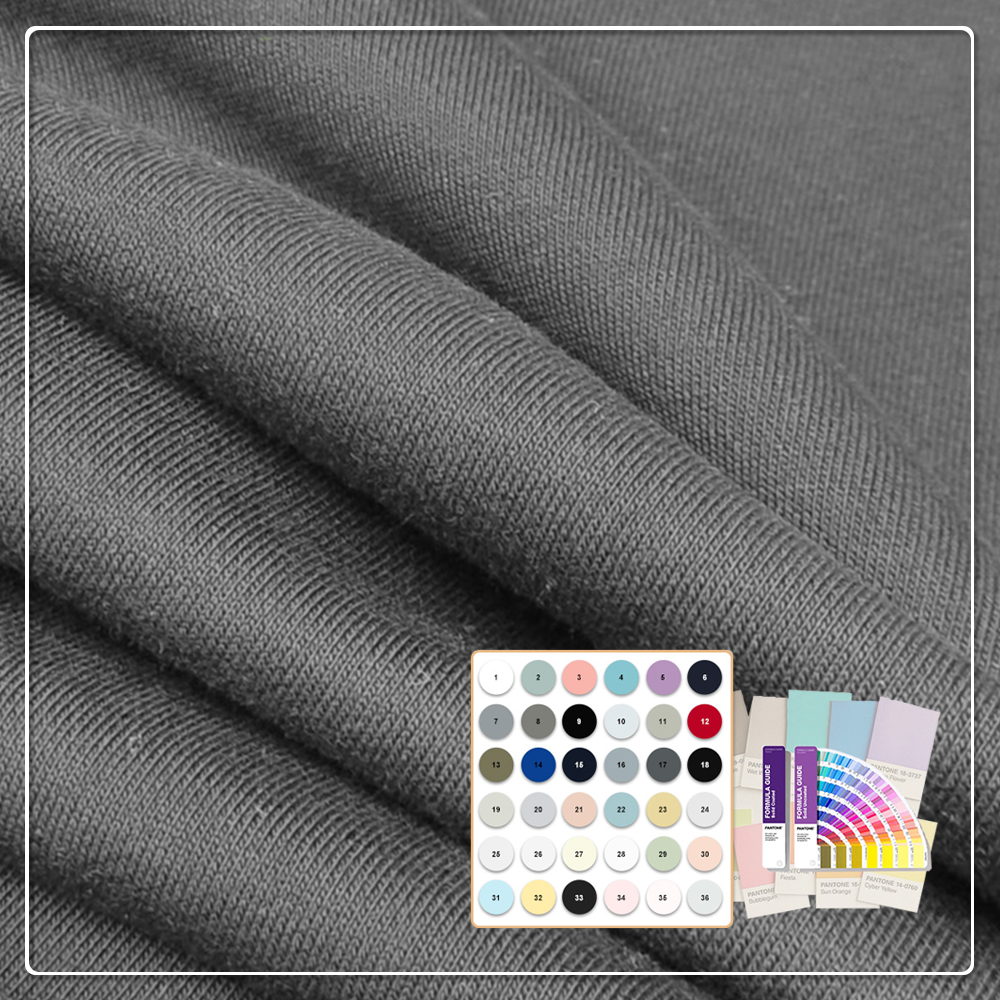
Cotton hemp blend fabric is gaining traction in the textile industry, particularly among manufacturers and brands looking for sustainable and versatile materials. This quality cotton hemp blend fabric combines the natural properties of cotton and hemp, offering durability, comfort, and eco-friendliness. For B2B buyers, understanding the characteristics of cotton hemp blend fabric is essential for addressing key concerns such as quality, sourcing, and compliance with sustainability standards. This article will guide you through critical factors when selecting suppliers, specifications for wholesale orders, cost considerations, reliable sourcing options, and the fabric’s eco-friendliness and durability

Ohyeah provides cotton hemp blend fabric and other textile solutions for different apparel and textile applications. When evaluating cotton hemp blend fabric from Ohyeah, B2B buyers can consider factors such as cotton and hemp composition, fabric construction, GSM, yarn count, softness, comfort, strength, stretch and recovery, color fastness, shrinkage, surface quality, finishing, fabric width, customization options, quality control, sustainability certifications, minimum order quantities, production capacity, lead times, packaging, and supplier support to determine whether the cotton hemp blend fabric meets specific production and sourcing requirements.



Our Products

Key Specifications for Cotton Hemp Blend Fabric in Wholesale Orders

When placing wholesale orders for cotton hemp blend fabric, several specifications should be clearly defined:

Blend Ratio: Common ratios include 55% cotton and 45% hemp or 70% cotton and 30% hemp. The chosen ratio will influence the fabric’s durability, texture, and comfort. Buyers should specify their preferred blend for optimal performance

Weight and Thickness: The weight of the quality cotton hemp blend fabric, typically measured in grams per square meter (GSM), affects its strength and application. A heavier fabric may be suitable for outerwear, while lighter options are appropriate for summer clothing

Color Fastness: The quality cotton hemp blend fabric should have a color fastness rating of at least 4-5, ensuring that it maintains its color through multiple washes and exposures to sunlight

Shrinkage Rate: Buyers should confirm that the shrinkage rate does not exceed 5%, which is essential for maintaining garment fit and preventing customer dissatisfaction

Fabric Finish: Discuss any specific finishes required, such as anti-wrinkle or water-repellent treatments, which can enhance the fabric’s functionality.

Quality vs. Cost Analysis

When considering cotton hemp blend fabric, balancing quality and cost is crucial. Here are some factors to consider:

Material Quality: Higher-quality cotton and hemp fibers result in a more durable and comfortable quality cotton hemp blend fabric. Investing in quality materials can reduce returns and increase customer satisfaction, ultimately leading to lower costs in the long term

Production Costs: Suppliers with advanced manufacturing processes may charge higher prices but can deliver consistent quality. Evaluate whether the higher upfront costs translate to fewer defects and returns

Quantity Discounts: Many suppliers offer bulk discounts for larger orders. It’s essential to assess the total cost implications, including shipping and handling, when calculating your overall budget

Long-Term Relationships: Establishing a long-term relationship with a supplier can lead to better pricing, priority in production, and more favorable terms. It can also provide a level of trust that helps mitigate risks associated with quality.

Where to Source Reliable Cotton Hemp Blend Fabric for Bulk Purchases

Sourcing reliable cotton hemp blend fabric and organic cotton fabric requires a strategic approach:

Trade Shows and Expos: Attending industry trade shows can provide direct access to multiple suppliers, allowing for face-to-face interactions and immediate sample evaluations

Online Marketplaces: Platforms like Alibaba and Made-in-China can connect you with numerous suppliers. However, verify their credentials and request samples to assess quality before placing bulk orders

Industry Referrals: Networking with other manufacturers or industry professionals can lead to reputable supplier recommendations. Peer insights can help identify suppliers known for reliability and quality

Direct Manufacturing: Engaging a certified manufacturer like Shaoxing City Ohyeah Textile Co., Ltd. can streamline the supply chain, ensuring quality control and reducing lead times.

Eco-Friendliness and Durability

Cotton hemp blend fabric stands out for its eco-friendliness and durability, key factors for many modern buyers:

Sustainable Sourcing: Both cotton and hemp are renewable resources. Hemp, in particular, requires less water and pesticides, making it a more sustainable option. Certifications like GOTS assure buyers that the production process adheres to environmental and social standards

Durability: Hemp fibers are known for their strength, making cotton hemp blends more robust and long-lasting compared to 100% cotton fabrics. This durability translates to fewer replacements and contributes to sustainability

Biodegradability: Unlike synthetic quality cotton hemp blend fabrics, cotton and hemp are biodegradable, reducing their environmental impact at the end of their lifecycle. This aspect is increasingly important for brands looking to enhance their sustainability credentials

Comfort and Performance: The blend offers a soft texture and comfort, making it suitable for a wide range of applications, from active wear to home textiles. Its natural properties also help regulate temperature and wick moisture, enhancing user comfort

Understanding the specifications, sourcing options, and environmental advantages of cotton hemp blend fabric is crucial for B2B buyers. By focusing on quality, sustainability, and supplier reliability, businesses can make informed purchasing decisions that align with their production needs and ethical standards.

What to Look for in Quality Cotton Hemp Blend Fabric Suppliers

When evaluating suppliers of cotton hemp blend fabric, several critical factors should be considered:

Certifications: Look for suppliers who hold certifications such as OEKO-TEX, GOTS, and OCS. These certifications ensure that the quality cotton hemp blend fabric and bamboo cotton blend fabric were produced in an environmentally friendly manner and meet specific social and ecological criteria

Manufacturing Capabilities: Assess the supplier’s production capabilities, including their machinery, production capacity, and quality control processes. A factory with advanced circular knitting machines, like those at Shaoxing City Ohyeah Textile Co., Ltd., can provide consistent quality and innovative quality cotton hemp blend fabric options

Sample Approval Process: Ensure the supplier has a robust sample approval process. Before committing to large orders, it’s crucial to review samples that reflect the final product’s quality, color fastness, and shrinkage rates. This verification can prevent issues down the line

Customization Capabilities: Determine if the supplier can accommodate customizations, such as different blends, patterns, or finishes, to meet specific product requirements

Communication and Support: A reliable supplier should provide excellent customer support, addressing inquiries promptly and clearly. This relationship is vital for resolving issues that may arise during production or delivery.

Our Blog Posts

The Ultimate Guide to Bamboo Fabric: Sustainability, Types, and Uses

14

Jul

The Ultimate Guide to Bamboo Fabric: Sustainability, Types, and Uses

The Ultimate Guide to Bamboo Fabric: Sustainability, Types, and Uses Table of Contents What Is Bamboo Fabric? Why Choose Bamboo Fabric? Types of Bamboo Fabric How Bamboo Fabric Is Made Applications of Bamboo Fabric Care Instructions for B...
View More
Global Top 10 Bamboo Fabric Suppliers: Ecocert Organic Certified Leaders | Ohyeahtex

05

Dec

Global Top 10 Bamboo Fabric Suppliers: Ecocert Organic Certified Leaders | Ohyeahtex

This comprehensive report, based on a meticulous analysis of industry sources, authoritative certifications, production capacity, and global market presence, identifies the world's Top 10 most influential bamboo fiber fabric manufacturers. These ra...
View More
The Science of Bamboo Fabric: Manufacturing, History, and Eco-Impact

14

Jan

The Science of Bamboo Fabric: Manufacturing, History, and Eco-Impact

Eco-Science Briefing Often hailed as the "Queen of Fibers," bamboo fabric merges 1,700 years of Chinese heritage with modern Closed-loop Systems. Known for its "Bamboo Kun" antibacterial agent and a micro-porous structure that absorbs 1.5x more mois...
View More
Why Tencel Lyocell Meets the Needs of Eco-Conscious Apparel Brands

29

May

Why Tencel Lyocell Meets the Needs of Eco-Conscious Apparel Brands

Making sustainable clothing is no small feat. Eco-friendly brands need materials that are truly sustainable while still delivering comfort, quality, and performance. Lots of 'green' materials have one or more major weaknesses that are overlooked or m...
View More

Get a Free Quote

Our representative will contact you soon.
Email
Name
Mobile/WhatsApp
Company Name
Message
0/1000

Get a Free Quote

Our representative will contact you soon.
Email
Name
Mobile/WhatsApp
Company Name
Message
0/1000