EN
Cotton modal knit fabric is an innovative textile made from a blend of cotton and modal fibers, renowned for its softness, breathability, and eco-friendliness. As B2B buyers, purchasing managers, and product developers explore options for bulk orders of this fabric, they often have specific concerns regarding quality, cost, and application suitability. This article provides valuable insights into the key specifications, quality evaluation, cost factors, application scenarios, and installation guidelines for cotton modal knit fabric, helping you make informed decisions for your projects.
How to Evaluate the Quality of Cotton Modal Knit Fabric
Quality evaluation of cotton modal knit fabric involves several key steps:
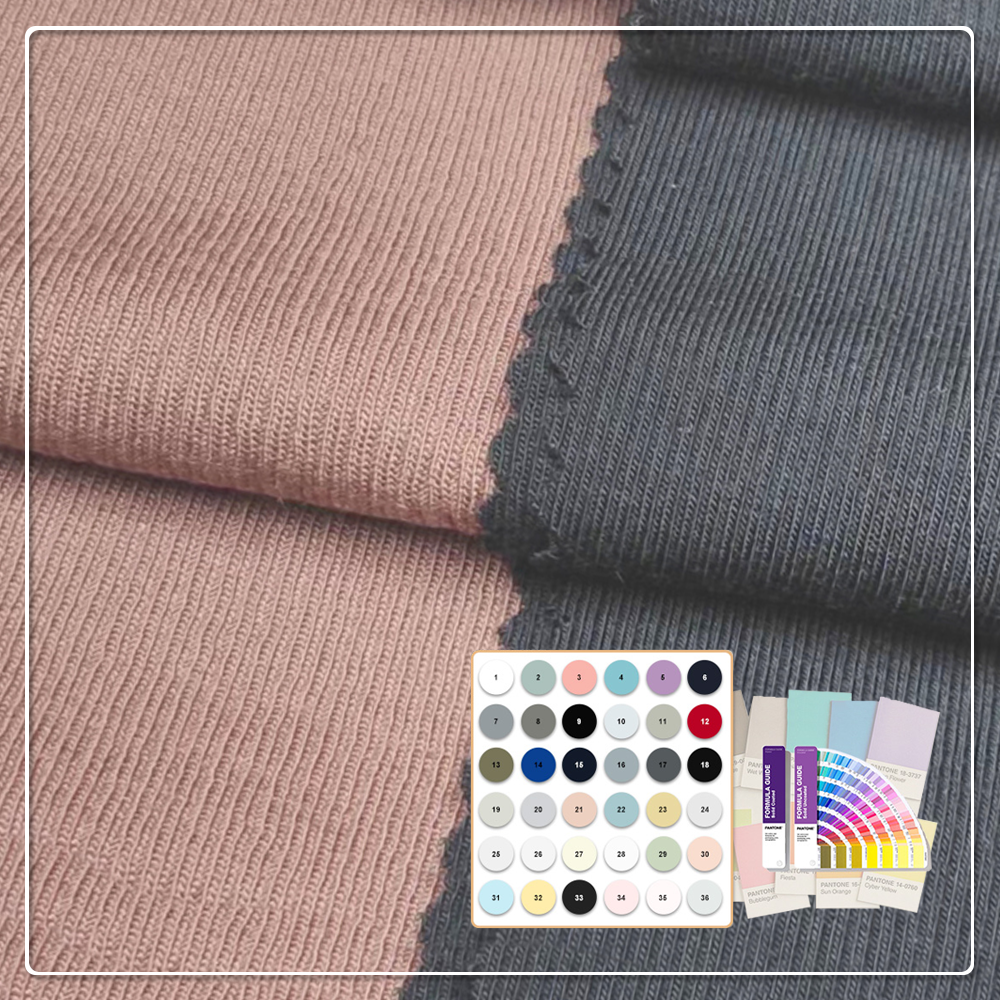
Sample Inspection: Always request samples before placing a bulk order. Inspect the fabric for texture, softness, and appearance. Consider how it feels against the skin, especially for garments.
Testing for Shrinkage and Color Fastness: Conduct wash tests to check for shrinkage and color fastness. This testing should simulate the expected care conditions of the final product.
Strength and Durability Testing: Evaluate the fabric's tensile strength and durability, particularly if the end use involves high wear and tear. This can be done through standard testing methods like ASTM D5034.
Certification Verification: Verify that the fabric is certified for eco-friendliness (such as GOTS or OEKO-TEX). This is increasingly important to consumers and can enhance your product's marketability.
Supplier Reputation: Research the supplier's reputation in the industry. A manufacturer with a strong track record, like Shaoxing City Ohyeah Textile Co., Ltd., can often provide additional assurances of quality.
By following these steps, you can ensure that the cotton modal knit fabric meets your quality standards and is suitable for your applications.