 EN
Lyocell blend fabric is an innovative textile that combines the sustainable properties of lyocell with other materials to enhance performance and versatility. As manufacturers and buyers increasingly prioritize eco-friendly materials, understanding the qualities and applications of lyocell blend fabric becomes crucial. This article addresses common buyer concerns regarding quality, applications, and comparisons with other materials, helping purchasing managers and product developers make informed decisions when sourcing textiles for their projects.
Common Applications of Lyocell Blend Fabric in the Industry
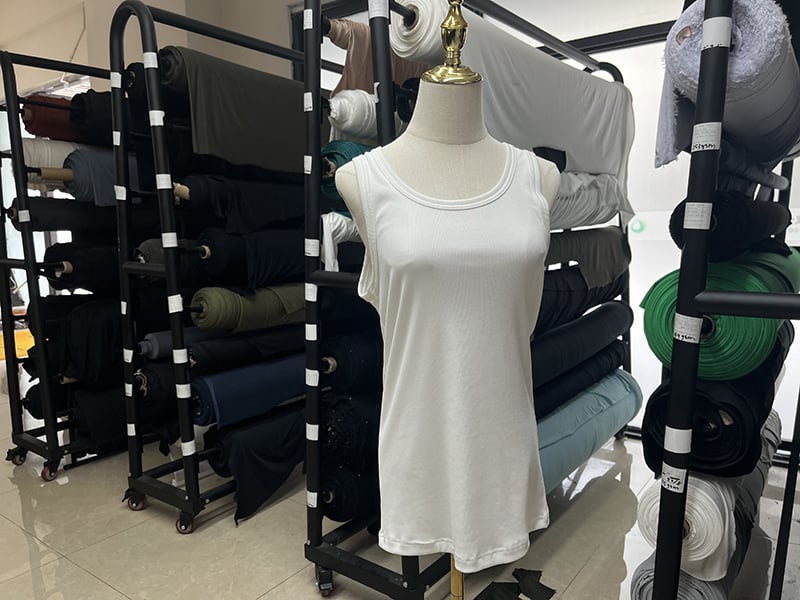
Lyocell blend fabrics are versatile and suitable for various applications, particularly in the fashion and home textiles sectors. In apparel manufacturing, these fabrics are often used for activewear, loungewear, and casual clothing due to their breathability and moisture management capabilities. The soft hand feel and drape of lyocell blends make them ideal for creating comfortable garments that perform well under physical activity.
In home textiles, lyocell blends can be used in bedding, curtains, and upholstery. Their durability and resistance to wrinkling make them an attractive option for consumers seeking easy-care solutions. Additionally, the eco-friendly aspects of lyocell align well with the growing consumer demand for sustainable and ethically sourced home goods. For instance, fabrics like bamboo lyocell blend can provide additional benefits.
When considering applications, it's essential for buyers to ensure that the selected lyocell blend fabric meets the specific performance requirements of the end use, such as weather resistance for outdoor fabrics or enhanced durability for frequently used items.