Understanding Lyocell Blend Fabrics for B2B Buyers

Get a Free Quote

Our representative will contact you soon.
Email
Name
Mobile/WhatsApp
Company Name
Message
0/1000

lyocell blend

Lyocell blend fabrics are gaining traction in the textile industry due to their eco-friendly characteristics and versatility. As a buyer or purchasing manager, understanding the advantages, quality evaluation, specifications, cost factors, and installation guidance for these fabrics is crucial for making informed purchasing decisions. This article provides practical insights and considerations for buyers looking to incorporate lyocell blend textiles into their product offerings.

How to Evaluate the Quality of Lyocell Blend Textiles for Wholesale?

When evaluating the quality of lyocell blend textiles, buyers should focus on several key factors. Firstly, the blend ratio is crucial; a higher percentage of lyocell generally indicates superior softness and moisture management. Buyers should request samples to assess the fabric's touch and drape, as these tactile properties significantly influence customer satisfaction.

Quality control processes are essential in ensuring consistent fabric performance. Look for manufacturers with robust quality assurance systems, such as those certified by OEKO-TEX, GOTS, or similar standards. These certifications indicate compliance with environmental and social criteria, providing an additional layer of trust in the fabric's quality.

Another important aspect is the fabric's color fastness, which should be rated at a level of 4-5 to ensure that colors remain vibrant and do not fade during washing. Buyers should inquire about testing methods used to confirm color durability and other performance metrics.

Specifications to Consider When Purchasing Lyocell Blend Fabrics

When purchasing lyocell blend fabrics, several specifications should be carefully considered to ensure the material meets application requirements. Key specifications include:

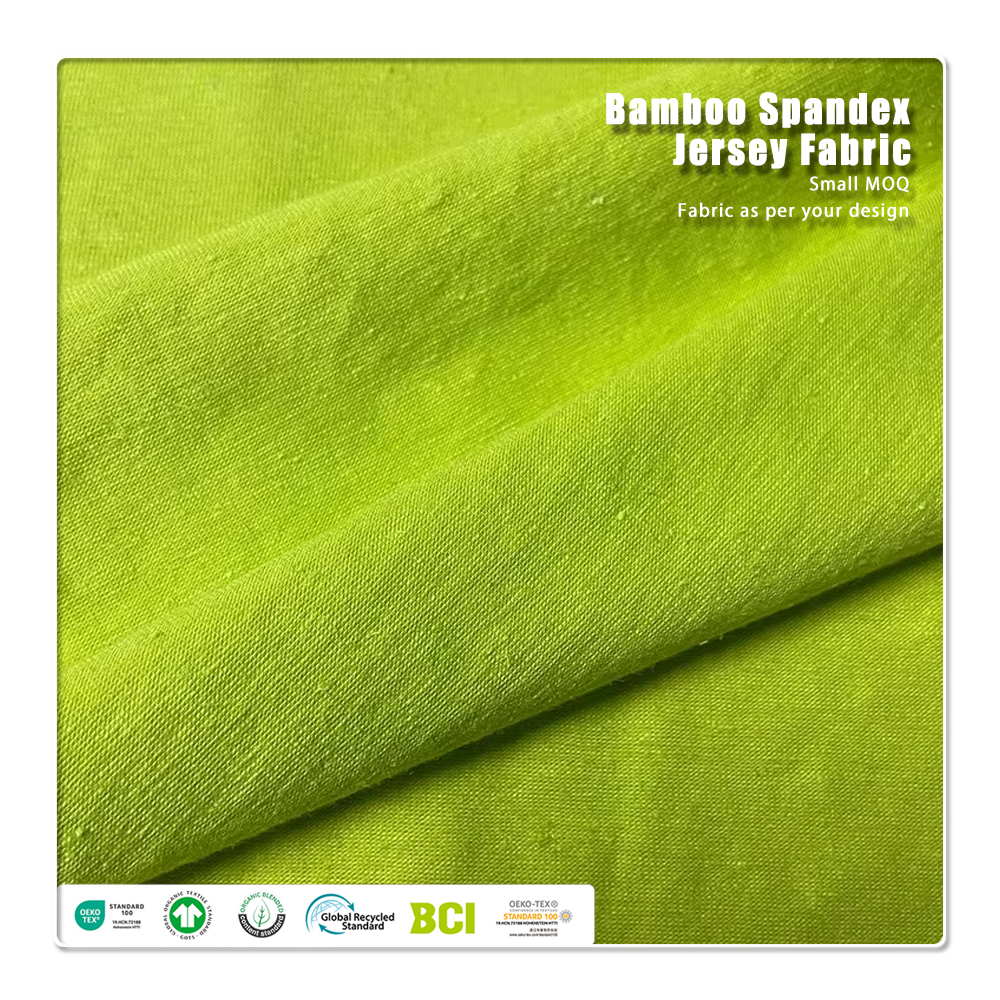
Blend Composition: Understand the ratio of lyocell to other fibers in the blend. Common blends include lyocell with cotton, polyester, or bamboo. Each combination offers different properties, so select based on the intended use. For instance, Bamboo Viscose/Bamboo Lyocell Fabric blends provide unique qualities that are worth exploring.

Weight and Thickness: Fabric weight is usually measured in grams per square meter (GSM). For instance, heavier weights are preferred for outerwear, while lighter weights are suitable for summer clothing. The thickness also impacts durability and drape.

Shrinkage Rates: Ensure that the fabric's shrinkage rate aligns with end-use requirements. A rate below 5% is ideal for garments, ensuring consistent sizing post-wash.

Color Fastness: Confirm color fastness ratings to ensure the fabric maintains its aesthetic appeal over time. This is particularly important for products exposed to sunlight or frequent washing.

Certification: Verify certifications that affirm the fabric's eco-friendly properties and compliance with industry standards, enhancing the product's marketability.

Cost Factors to Keep in Mind When Buying Lyocell Blend Textiles

Understanding the cost factors associated with lyocell blend textiles is essential for effective budgeting and procurement. Several elements influence pricing:

Raw Material Costs: The price of lyocell fibers can fluctuate based on demand and sourcing practices. Sustainable sourcing may incur higher costs but can be justified by consumer willingness to pay for eco-friendliness.

Production Scale: Larger orders typically benefit from economies of scale, reducing the per-unit cost. Buyers should inquire about Minimum Order Quantities (MOQs) and pricing tiers based on order size.

Quality Assurance: Fabrics that undergo rigorous quality control processes may have higher upfront costs but can save money in the long run by minimizing defects and returns.

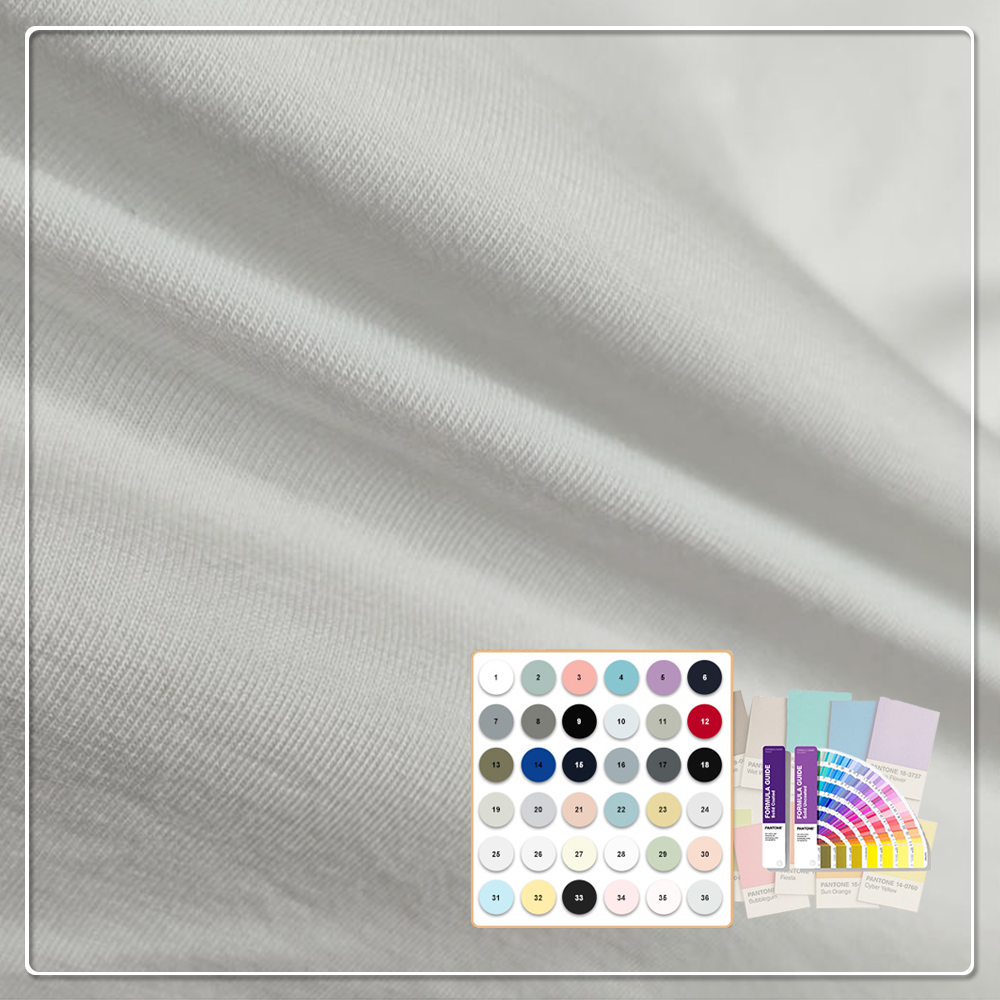
Customization Options: Customization, such as unique colors or finishes, can add to the overall cost. Buyers should weigh the benefits of customization against budget constraints and market demand.

Shipping and Logistics: Consideration of shipping costs, lead times, and import duties, particularly for international orders, can significantly affect the total purchasing cost.

Installation Guidance for Lyocell Blend Fabrics in Various Applications

When integrating lyocell blend fabrics into products, proper installation and application techniques are crucial for maximizing performance. Here are some best practices:

Sewing Techniques: Use appropriate needle types and thread for lyocell blends to avoid fabric damage. A ballpoint needle is often recommended for knits, while a universal needle works well for woven blends.

Washing Instructions: Provide clear care instructions for end-users, emphasizing gentle washing and low-temperature drying to preserve fabric integrity and longevity.

Testing Samples: Before full-scale production, test fabric samples under actual operating conditions to evaluate performance in real-world applications. This is particularly important for activewear or items exposed to moisture.

Final Inspection: Implement a thorough inspection process post-manufacturing to ensure that all products meet quality standards. Key checkpoints include checking dimensions, color consistency, and overall appearance.

User Feedback: After product launch, gather feedback from end-users regarding comfort, durability, and performance. This information can guide future fabric selections and product enhancements.

In summary, lyocell blend fabrics represent a versatile and sustainable choice for various applications. By understanding the advantages, quality evaluation methods, specifications, cost factors, and installation guidance, buyers can make informed decisions that align with their business needs and customer expectations.

What Are the Key Advantages of Lyocell Blend Fabrics for Buyers?

Lyocell blend fabrics offer several advantages that make them appealing to B2B buyers. Firstly, they are produced from sustainably sourced raw materials, primarily wood pulp, making them biodegradable and less harmful to the environment compared to synthetic alternatives. This eco-friendly characteristic aligns well with the increasing consumer demand for sustainable products. For example, fabrics made from Organic Cotton Fabric are similarly popular due to their environmental benefits.

Additionally, lyocell blends are known for their exceptional softness and comfort, making them suitable for various applications, including apparel, home textiles, and activewear. The moisture-wicking properties of lyocell help to regulate temperature and keep the wearer dry, adding to its appeal in activewear and undergarment markets.

Another notable advantage is the fabric's durability and resistance to wrinkles and shrinkage, with a shrinkage rate of typically below 5%, ensuring that products maintain their appearance and fit after multiple washes. This makes lyocell blends an economical choice for manufacturers and retailers aiming for high-quality, long-lasting products.

Our Blog Posts

The Durability Performance of Tencel Modal in Knit Fabric Production

29

May

The Durability Performance of Tencel Modal in Knit Fabric Production

Durability is fundamental in quality knitwear. A fabric that is beautiful but falls apart after a few washes cannot satisfy today's consumers. Fiber selections with confirmed durability performance are important for knit fabric manufac...
View More
The Rising Popularity of Modal Tencel Material in Global Apparel

13

Oct

The Rising Popularity of Modal Tencel Material in Global Apparel

A remarkable transformation is underway across the global apparel and fashion industry. The rise of comfort and proven sustainability is catching on with fashion designers, buyers and consumers, all across the planet. Driving the wave of sustainable,...
View More
Why Tencel Lyocell Material Is Trusted by Premium Clothing Manufacturers

13

Oct

Why Tencel Lyocell Material Is Trusted by Premium Clothing Manufacturers

When there's a lot of losing to do in the quality department, it's about the brand's made of. The best quality makers understand they should be creating garments with top quality fabrics. They must have high standards of reliability, performance and ...
View More
Why Tencel Modal Fabric Fits the Needs of Global Fashion Markets

13

Oct

Why Tencel Modal Fabric Fits the Needs of Global Fashion Markets

Across the globe, the fashion industry is experiencing radical change. From North America to Asia, shoppers everywhere are clamoring for fashion that is chic, but additionally eco-friendly, resilient and comfortable. During this shifting setting, Ten...
View More

Get a Free Quote

Our representative will contact you soon.
Email
Name
Mobile/WhatsApp
Company Name
Message
0/1000

Related product categories

Get a Free Quote

Our representative will contact you soon.
Email
Name
Mobile/WhatsApp
Company Name
Message
0/1000