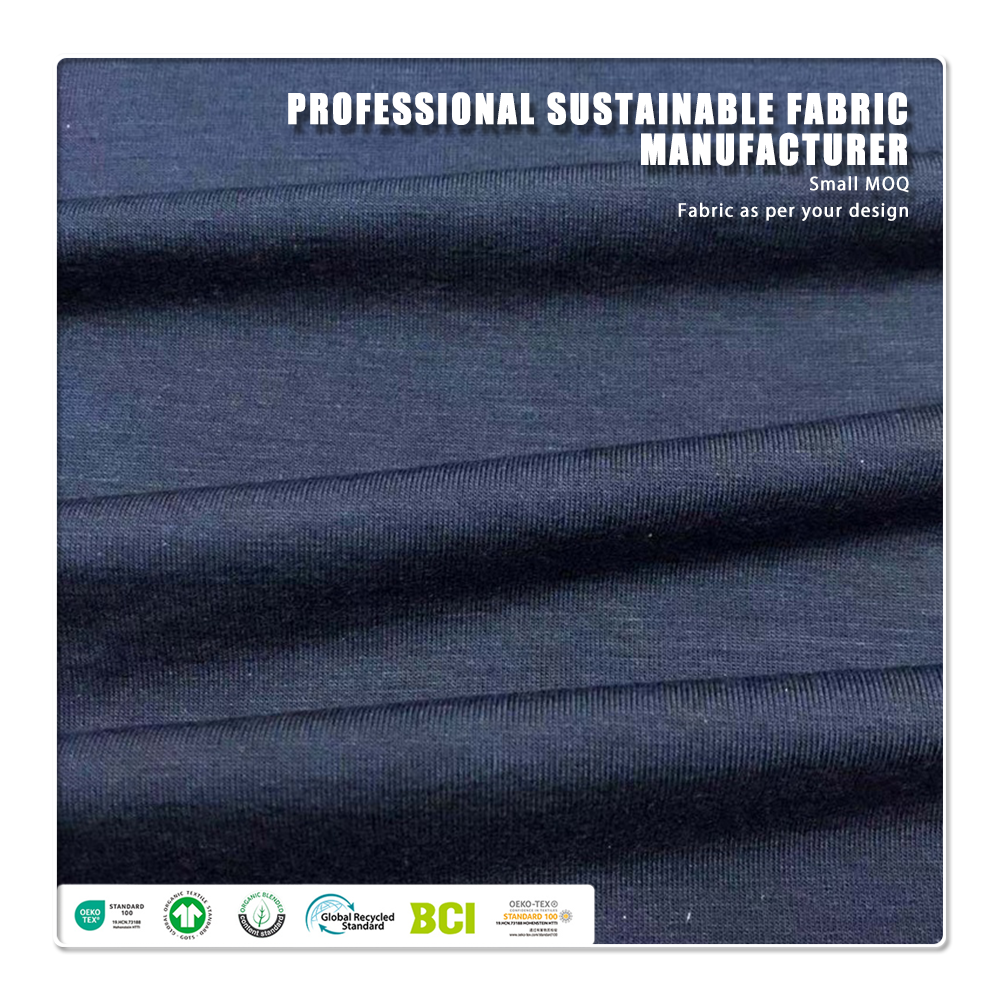
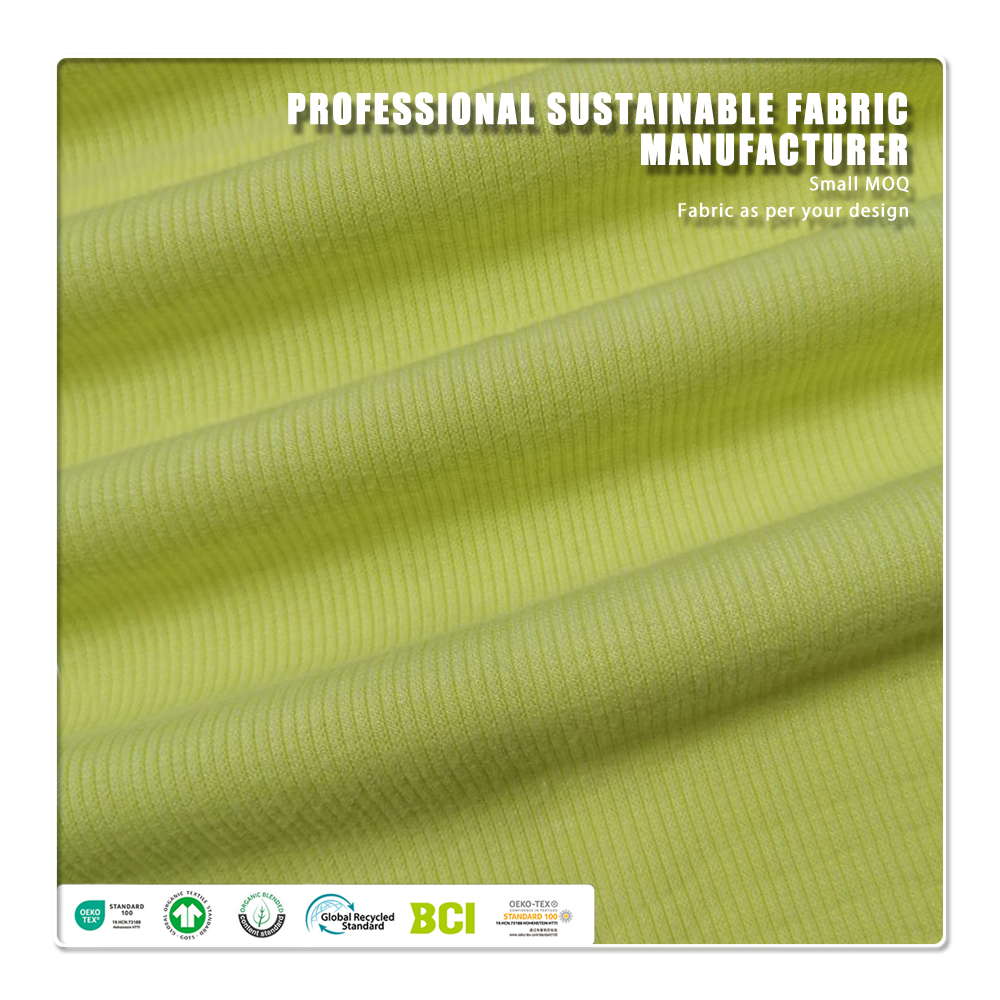
Choosing Modal Blend Fabrics for Wholesale Success

Get a Free Quote

Our representative will contact you soon.
Email
Name
Mobile/WhatsApp
Company Name
Message
0/1000

modal blend

Choosing the right modal blend fabrics for your business can significantly impact your product quality, sustainability efforts, and customer satisfaction. Modal blends, known for their softness and eco-friendly properties, are increasingly popular in various applications, especially in the textile industry. As a purchasing manager or product manager, your key concerns likely revolve around sourcing materials that meet quality, performance, and sustainability standards. This article will explore essential factors to consider when selecting modal blend fabrics, providing you with the knowledge necessary to make informed purchasing decisions.

Where to Source Reliable Suppliers of Eco-Friendly Modal Blends

Finding reliable suppliers for eco-friendly modal blends requires careful research. Start by identifying manufacturers that specialize in sustainable fabrics. Look for suppliers like Shaoxing City Ohyeah Textile Co., Ltd., known for their commitment to eco-friendly practices and certifications. A well-established supplier will have a track record of quality and reliability, which is crucial for long-term partnerships.

Networking within industry events and trade shows can also provide valuable insights into potential suppliers. Speaking with peers and industry experts can lead to recommendations for reliable manufacturers. Additionally, consider online resources such as industry directories and review sites that can help you gauge a supplier's reputation.

Once you've identified potential suppliers, request samples to evaluate the fabric quality firsthand. This step is vital to ensure that the modal blends meet your specific requirements in terms of texture, strength, and performance. For example, fabrics like Eco-Friendly Stretch Waterproof Anti-Static Fabric are excellent choices for various applications.

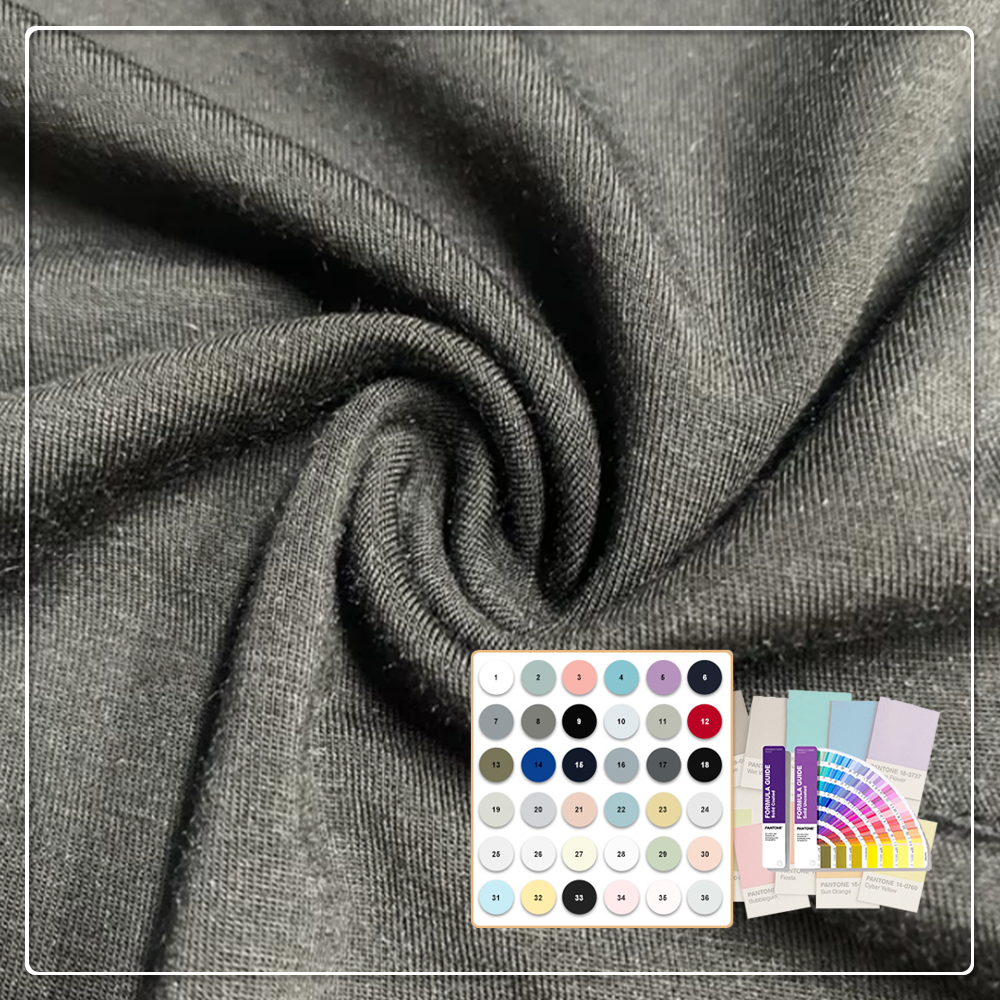
Modal Blend vs. Traditional Fabrics

When comparing modal blends to traditional fabrics, several advantages emerge. Modal blends are generally softer and more breathable than many conventional fabrics, providing enhanced comfort for end-users. This softness is particularly beneficial in applications such as apparel and bedding, where touch and feel are paramount.

Furthermore, modal is derived from beech trees, making it a more sustainable option compared to synthetic fibers like polyester. Traditional fabrics often rely on non-renewable resources, which contributes to environmental degradation. In contrast, modal blends not only offer luxurious comfort but also align with growing consumer demand for sustainable products.

However, it is essential to consider the intended application. While modal blends excel in softness and drape, they may not always provide the durability required for heavy-duty applications. Assessing the performance needs of your end product will help determine whether a modal blend or a traditional fabric is more suitable.

Advantages of Using Modal Blend Fabrics in Sustainable Manufacturing

Incorporating modal blend fabrics into your manufacturing processes can yield numerous benefits. Firstly, these fabrics are biodegradable, making them an environmentally friendly choice that can reduce your company’s ecological footprint. As sustainability becomes a priority for consumers, using modal blends can enhance your brand image and appeal to eco-conscious buyers.

Moreover, modal blends typically exhibit excellent moisture-wicking properties, making them ideal for activewear and garments that require breathability. This feature can lead to increased customer satisfaction, as users will appreciate the comfort and performance of the fabric.

Additionally, modal blends often demonstrate greater color retention than traditional fabrics, meaning that products made from these materials will maintain their vibrancy and appeal over time. This longevity can translate into lower replacement costs and waste, aligning with sustainable manufacturing principles.

Common Problems with Modal Blends and Effective Solutions for Buyers

While modal blends offer many advantages, they also present certain challenges that buyers should be aware of. One common issue is the potential for pilling, especially in garments subjected to friction. To mitigate this, it is crucial to choose high-quality modal blends from reputable suppliers. A well-manufactured fabric will have undergone rigorous quality control processes, reducing the likelihood of pilling and enhancing overall durability.

Buyers should also be cautious of the fabric's care instructions. Modal blends often require gentle washing and drying methods to maintain their quality. Educating end users about proper care can prevent issues such as shrinkage and fading, ensuring a positive experience with the product.

Lastly, communication with your supplier is vital. If you encounter issues with color fastness or shrinkage, discussing these concerns with your manufacturer can lead to effective solutions or adjustments in your orders. Shaoxing City Ohyeah Textile Co., Ltd., for example, emphasizes quality control and customer feedback, allowing for continuous improvement and satisfaction.

Selecting modal blend fabrics involves careful consideration of material composition, supplier reliability, and application suitability. By understanding the unique properties of modal blends, buyers can make informed decisions that align with their sustainability goals and meet their customers' demands.

What to Consider When Choosing Modal Blend Fabrics for Wholesale

When selecting modal blend fabrics for wholesale, several factors should guide your decision-making process. First, consider the composition of the fabric. Modal blends often combine modal fibers with materials like cotton or polyester, enhancing their durability and softness. Check the blend ratios, as they can significantly influence the fabric's feel, breathability, and performance. For instance, Oeko-Tex Certified 69% Bamboo 31% Sorona Single Jersey Fabric offers a perfect blend of softness and durability.

Next, evaluate the fabric's certifications. For instance, certifications like OEKO-TEX, GOTS, and OCS indicate that the material meets specific environmental and safety standards. Ensure that your supplier, such as Shaoxing City Ohyeah Textile Co., Ltd., can provide documentation for these certifications. Buyers should also consider the fabric's color fastness and shrinkage rates, which are critical for maintaining quality during production and after washing. A color fastness rating of level 4-5 and shrinkage below 5%, as offered by reputable manufacturers, ensures that the fabric will maintain its appearance and fit over time.

Lastly, understand your production needs. Assess the minimum order quantities (MOQs) and lead times to ensure they align with your project timelines. Shaoxing City Ohyeah Textile Co., Ltd. has a monthly output of 200 tons, which can accommodate various wholesale needs.

Our Blog Posts

The Ultimate Guide to Bamboo Fabric: Sustainability, Types, and Uses

14

Jul

The Ultimate Guide to Bamboo Fabric: Sustainability, Types, and Uses

The Ultimate Guide to Bamboo Fabric: Sustainability, Types, and Uses Table of Contents What Is Bamboo Fabric? Why Choose Bamboo Fabric? Types of Bamboo Fabric How Bamboo Fabric Is Made Applications of Bamboo Fabric Care Instructions for B...
View More
Can you print on bamboo fabric

04

Feb

Can you print on bamboo fabric

I am aware that with the ongoing increase in popularity of sustainable fashion, and environmentally-friendly materials, bamboo fabric has become one of the newest favorites due to its unrivaled softness, breathability, and environmental friendly natu...
View More
What Makes Tencel Lyocell a Preferred Choice for Sustainable Apparel

29

May

What Makes Tencel Lyocell a Preferred Choice for Sustainable Apparel

Sustainability has now moved out of the niche and into an expectation among ethical consumers and forward-thinking brands. Among the many eco-friendly fibers currently available, Tencel Lyocell has emerged as a clear front-runner. Here at S...
View More
Tencel Modal Fabric Makes Premium Home Textiles Feel Even Better

13

Oct

Tencel Modal Fabric Makes Premium Home Textiles Feel Even Better

Comfort and luxury haven't stopped at clothes; these values have also found their way into the areas where we relax and sleep. These include the various items found in the home textile space, from bedding and towels to upholstery and covers, and more...
View More

Get a Free Quote

Our representative will contact you soon.
Email
Name
Mobile/WhatsApp
Company Name
Message
0/1000

Related product categories

Get a Free Quote

Our representative will contact you soon.
Email
Name
Mobile/WhatsApp
Company Name
Message
0/1000