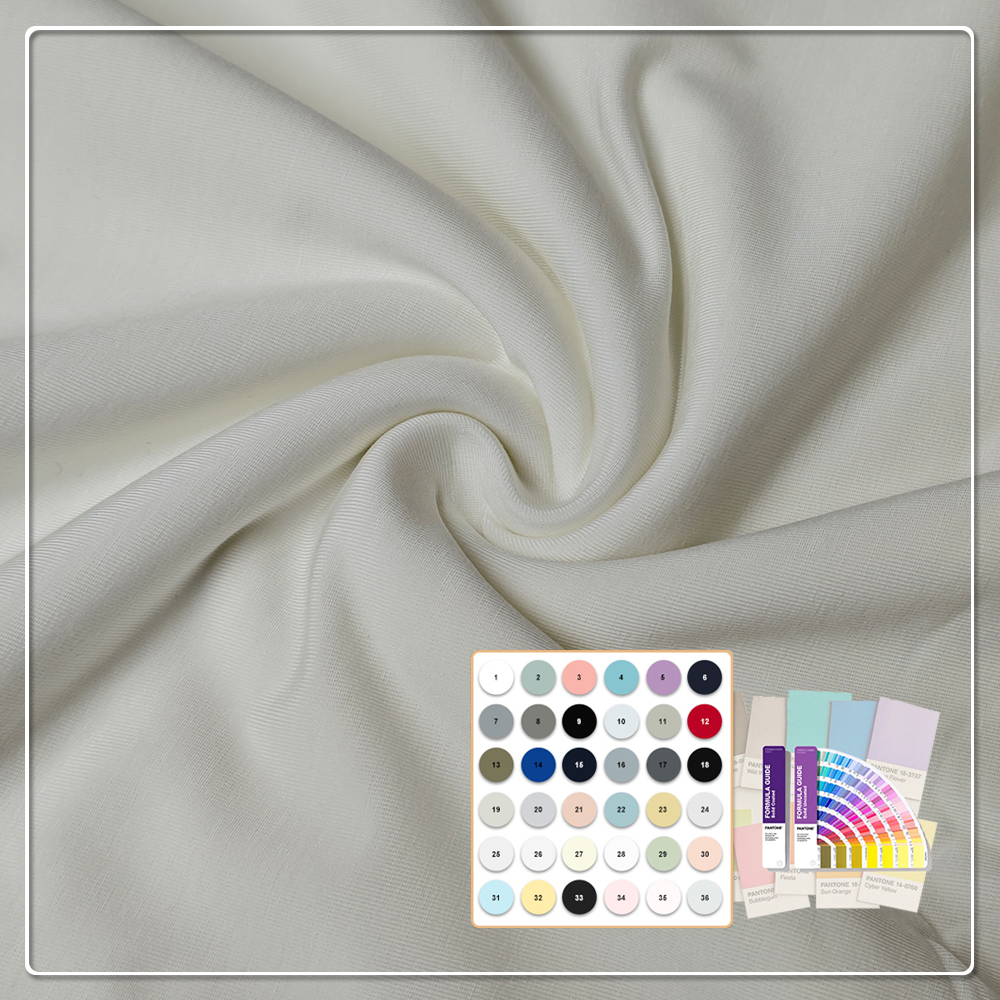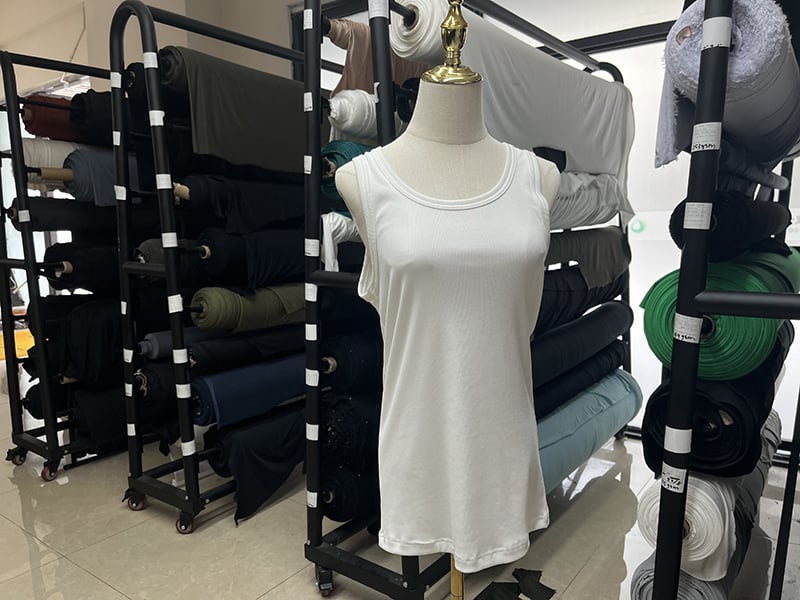
Sourcing Modal Clothing for Women Wholesale

Get a Free Quote

Our representative will contact you soon.
Email
Name
Mobile/WhatsApp
Company Name
Message
0/1000

modal clothing for women

When sourcing modal clothing for women, understanding the material, manufacturing processes, and supplier capabilities is essential. Modal is a type of semi-synthetic fiber made from beech tree pulp, known for its softness, breathability, and moisture-wicking properties. As a purchasing manager or distributor, your key concerns may include material quality, supplier reliability, and production capacity. This article will guide you through the important considerations when sourcing modal clothing to ensure you make informed purchasing decisions.

Key Specifications for Quality Modal Fabrics in Women's Fashion

When evaluating modal fabrics for women's clothing, certain specifications are vital for ensuring the quality and performance of the final product:

Fabric Weight: The weight of the fabric affects its drape and durability. Common weights for modal fabrics range between 120 to 200 grams per square meter (gsm). Lighter weights are suitable for summer wear, while heavier weights are better for fall and winter collections.

Color Fastness: A critical specification is color fastness, which indicates how well the fabric retains its color after washing and exposure to light. Aim for a color fastness rating of 4-5, which ensures that the colors remain vibrant and do not fade easily.

Shrinkage Rate: The shrinkage of modal fabrics should be below 5% to maintain the garment’s shape and fit after washing. Suppliers should provide testing results to confirm this specification.

Breathability and Moisture-Wicking Properties: Modal is known for its breathability. Confirm that the fabric has excellent moisture-wicking properties, making it comfortable for wear in various climates.

Surface Finish: The finish of the fabric can impact its feel and appearance. Look for suppliers who offer a smooth, luxurious finish that enhances the overall aesthetic of the clothing.
How to Compare Modal Clothing Suppliers for Your Business Needs

To effectively compare modal clothing suppliers, consider the following criteria:

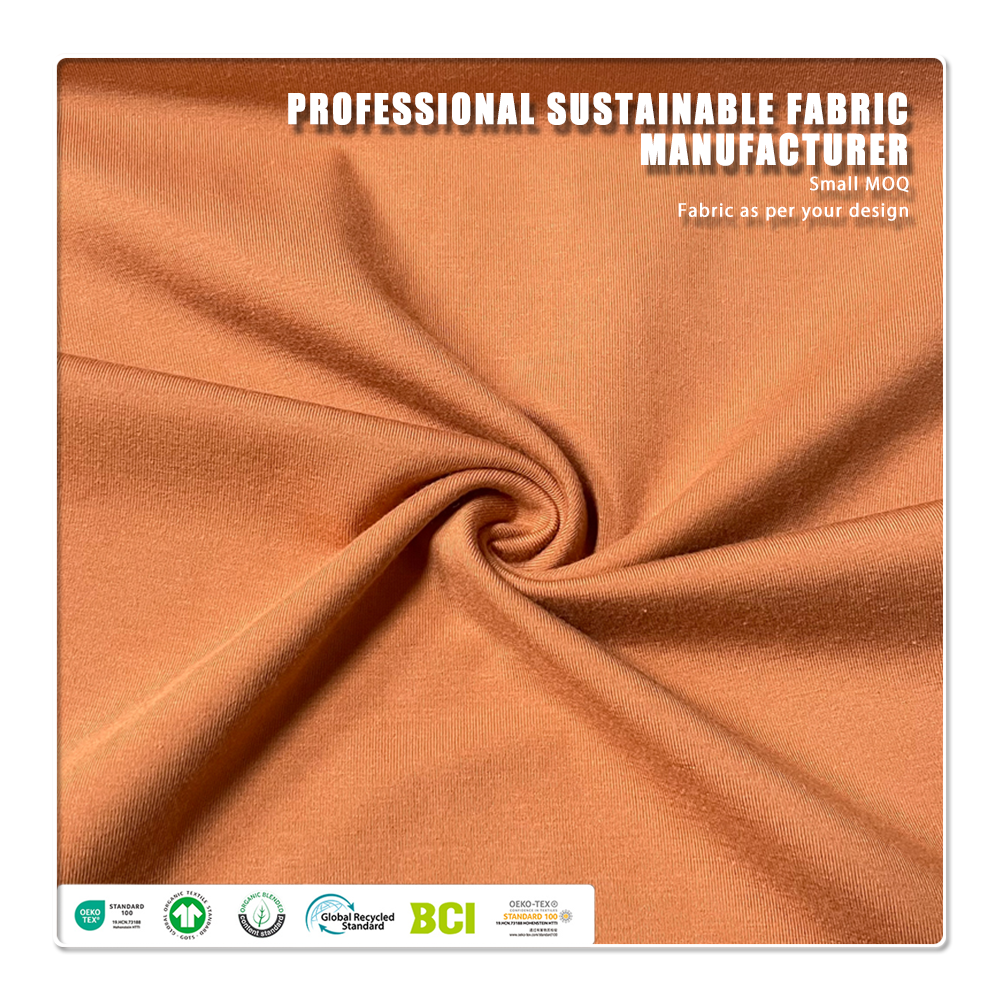
Certifications and Compliance: Verify that suppliers have relevant certifications, such as OEM&ODM Eco-friendly 100% Bamboo Fiber Jersey Fabric, GOTS, or GRS. These certifications ensure that the fabrics meet stringent environmental and social standards.

Production Capacity: Assess the supplier’s monthly output capacity. A supplier with a production capacity of 200 tons per month, for example, can handle larger orders, which is crucial for businesses anticipating high demand.

Quality Control Processes: Inquire about the quality control measures in place. A reputable supplier will have a dedicated team for quality assurance, implementing strict testing protocols throughout the manufacturing process.

Samples and Testing: Request samples of the modal fabric to evaluate its quality before making large orders. Testing samples under actual usage conditions can help identify any potential issues early in the supply chain.

Pricing Structure: Obtain detailed quotations that outline the pricing, including any additional costs for customization or shipping. Comparing these factors will help you understand the total cost of ownership for your modal clothing.

Where to Find Reliable Suppliers of Women's Modal Clothing

Finding reliable suppliers of women's modal clothing can be achieved through several channels:

Trade Shows and Industry Events: Attending textile or fashion trade shows is an excellent way to meet suppliers in person. These events allow you to evaluate materials firsthand and discuss potential partnerships.

Online Marketplaces: Platforms like Alibaba, Global Sources, or specialized textile directories can connect you with manufacturers. Look for suppliers with good reviews and verified credentials.

Industry Associations: Joining industry associations or networks can provide access to a list of reputable suppliers. These organizations often have resources for connecting businesses with certified manufacturers.

Referrals and Recommendations: Networking with other businesses in your field can lead to valuable referrals. Peers often have firsthand experience with suppliers and can provide insights into their reliability and product quality.

Direct Manufacturer Outreach: Contact manufacturers like Shaoxing City Ohyeah Textile Co., Ltd., known for their eco-friendly knitted fabrics and extensive capabilities in modal clothing. Engage directly to discuss your needs and evaluate their offerings.

Common Problems with Modal Fabrics and Effective Solutions for Buyers

While modal fabrics offer numerous benefits, there are common issues buyers may encounter:

Color Fading: If the dyeing process is not properly managed, modal fabrics can fade over time. Ensure that you source from suppliers who use high-quality dyes that meet color fastness standards.

Pilling: Modal can be prone to pilling, especially when blended with other fibers. To mitigate this, choose higher-quality modal blends and perform fabric testing to evaluate durability.

Inconsistent Sizing: Variability in manufacturing can lead to inconsistent sizing in garments. To combat this, always request size specifications and ensure that the supplier adheres to a standardized sizing chart.

Care Instructions: Modal requires specific care to maintain its quality. Provide clear care instructions to end consumers to avoid damage caused by improper washing or drying methods.

Environmental Impact: While modal is often marketed as an eco-friendly option, the sustainability of the manufacturing process can vary. Verify that the supplier follows sustainable practices in sourcing and production.

By considering these factors, you can make informed decisions when sourcing modal clothing for women, ensuring that you choose high-quality materials and reliable suppliers for your business needs.

What to Consider When Sourcing Modal Clothing for Women Wholesale

When sourcing modal clothing for women wholesale, several factors should be taken into account to ensure you receive high-quality products that meet your business needs.

Material Quality: Look for suppliers who use eco-friendly and high-quality modal fabrics. Modal is often blended with other fibers, such as organic cotton or recycled polyester, to enhance its properties. Ensure that the materials used are certified, such as those that meet OEKO-TEX Certified 69% Bamboo 31% Sorona Single Jersey Fabric or GOTS standards, to guarantee that they are free from harmful substances.

Supplier Reliability: Assess the supplier’s reputation and experience in the industry. It’s important to engage with manufacturers who have a proven track record of delivering consistent quality and meeting deadlines. A reliable supplier will also provide transparent communication regarding production timelines and any potential delays.

Customization Options: Many businesses require specific designs, colors, or sizes. Confirm that the supplier offers customization capabilities to meet your specific requirements. This may include custom prints or fabric treatments that enhance the final product.

Minimum Order Quantities (MOQ): Understand the MOQ for the items you wish to purchase. Some suppliers may have high minimums, which could affect your purchasing strategy, especially if you are testing new products.

Lead Time: Inquire about the lead time for production and delivery. Modal clothing typically requires a longer lead time due to the manufacturing process. Knowing this in advance can help you manage inventory and meet customer demands effectively.

Our Blog Posts

How Tencel Modal Improves Fabric Flexibility for Activewear

29

May

How Tencel Modal Improves Fabric Flexibility for Activewear

There's something special that activewear needs. It has to stretch and return to shape. It has to be comfortable against the skin during strenuous activity. And now it must come from sustainable sources. It's precisely this amazing flexibil...
View More
Why Tencel Modal Helps Maintain Fabric Shape After Repeated Washing

29

May

Why Tencel Modal Helps Maintain Fabric Shape After Repeated Washing

If you've ever owned clothing you loved and then noticed that it just doesn't fit right anymore,necklines stretching,cuffs looking limp,or pants becoming baggy,you know how frustrating this can be. To brands,it translates to returns,poor reviews...
View More
How Tencel Lyocell Fabric Supports Premium Apparel Manufacturing

13

Oct

How Tencel Lyocell Fabric Supports Premium Apparel Manufacturing

If there is one thing that separates mediocre and exceptional clothes, it is the type of fabric. As manufacturers strive to produce clothing that epitomizes luxurious and resilient designs that are also ethically sourced, Tencel lyocell fabric has qu...
View More
Why Tencel Modal’s Softness Outperforms Traditional Synthetic Fibers

13

Oct

Why Tencel Modal’s Softness Outperforms Traditional Synthetic Fibers

To find the supreme softness, the textile industry has always turned to utilizing synthetic fibers which may bring a silk-like degree of comfort at reasonable costs. But to discriminating brands, customers these guarantees are washed off with one lau...
View More

Get a Free Quote

Our representative will contact you soon.
Email
Name
Mobile/WhatsApp
Company Name
Message
0/1000

Related product categories

Get a Free Quote

Our representative will contact you soon.
Email
Name
Mobile/WhatsApp
Company Name
Message
0/1000