Choosing the Right Organic Cloth Material

Get a Free Quote

Our representative will contact you soon.
Email
Name
Mobile/WhatsApp
Company Name
Message
0/1000

Organic cloth material

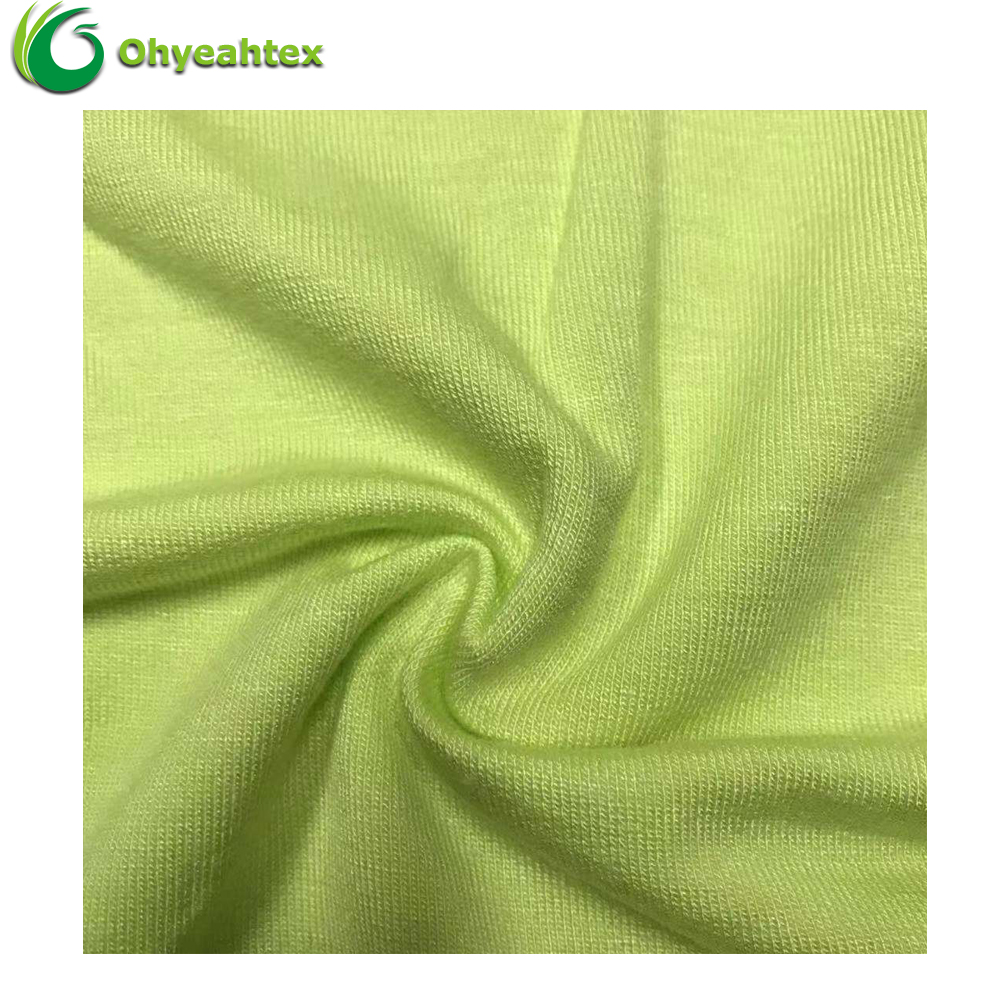
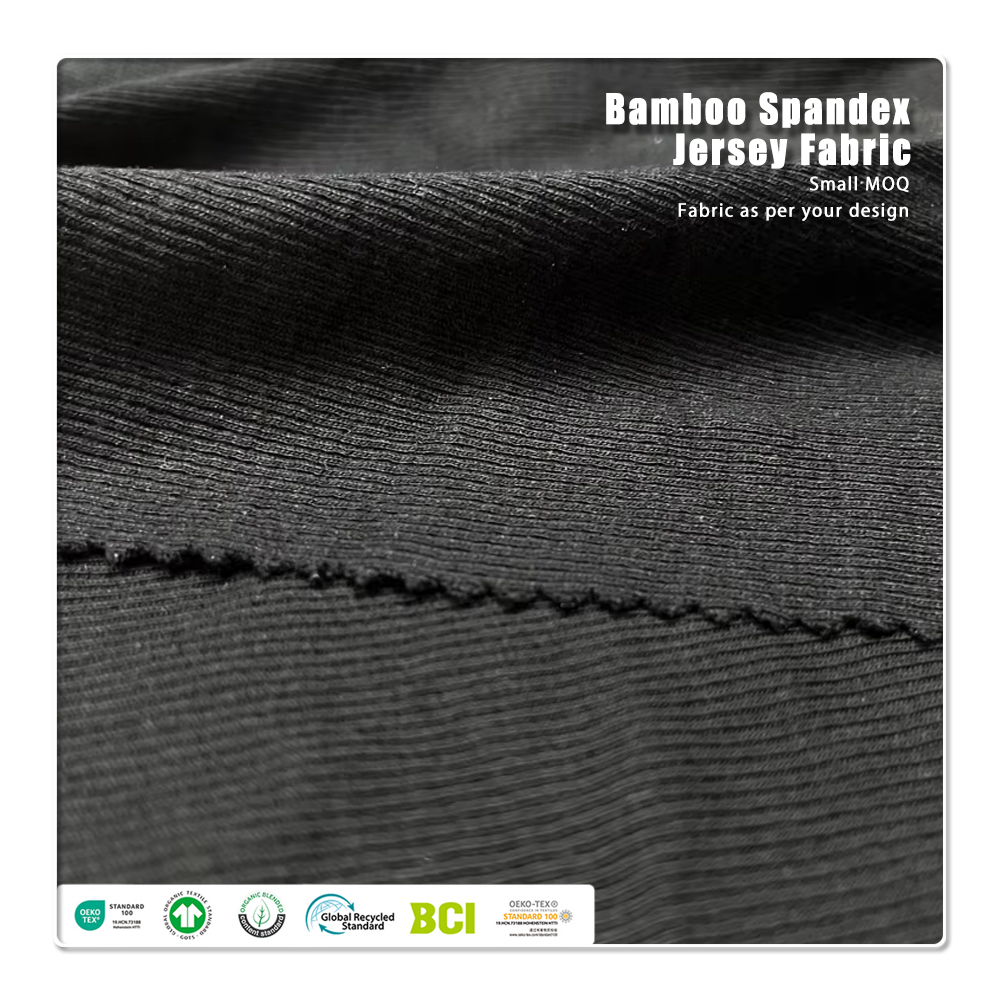
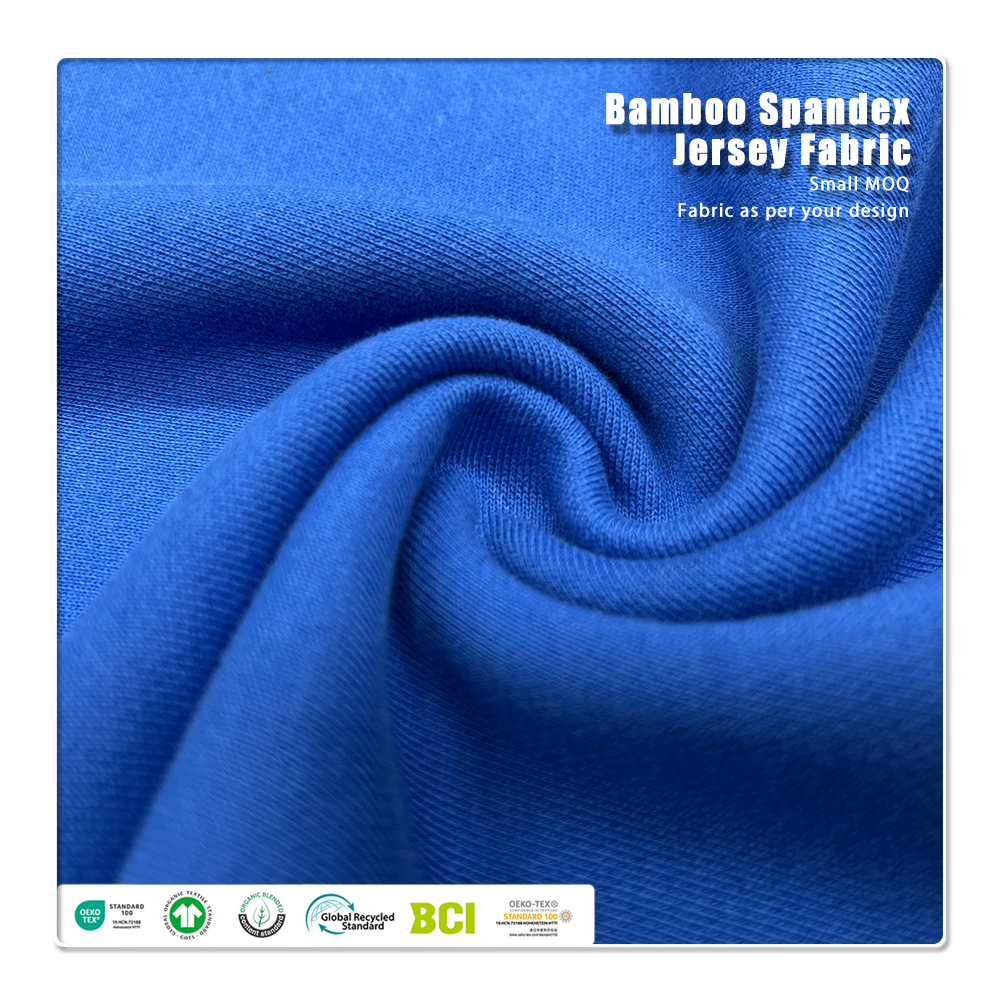
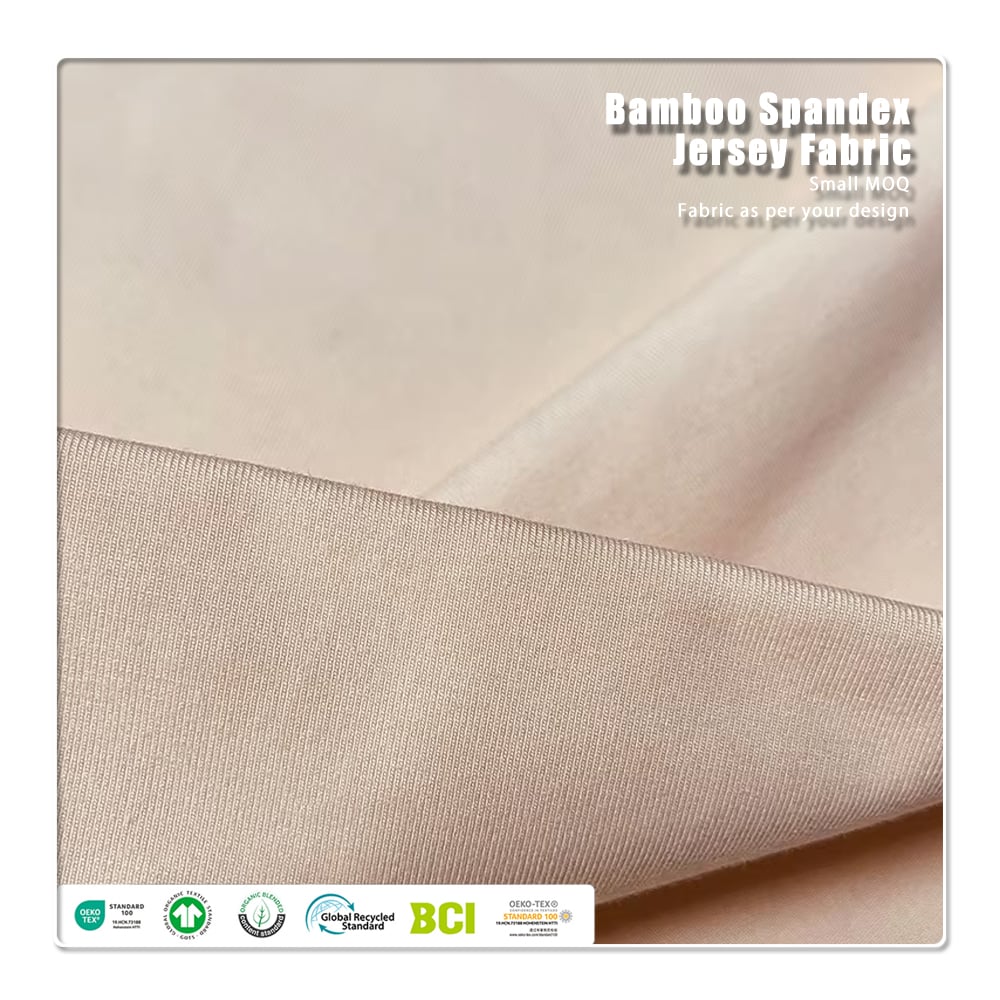
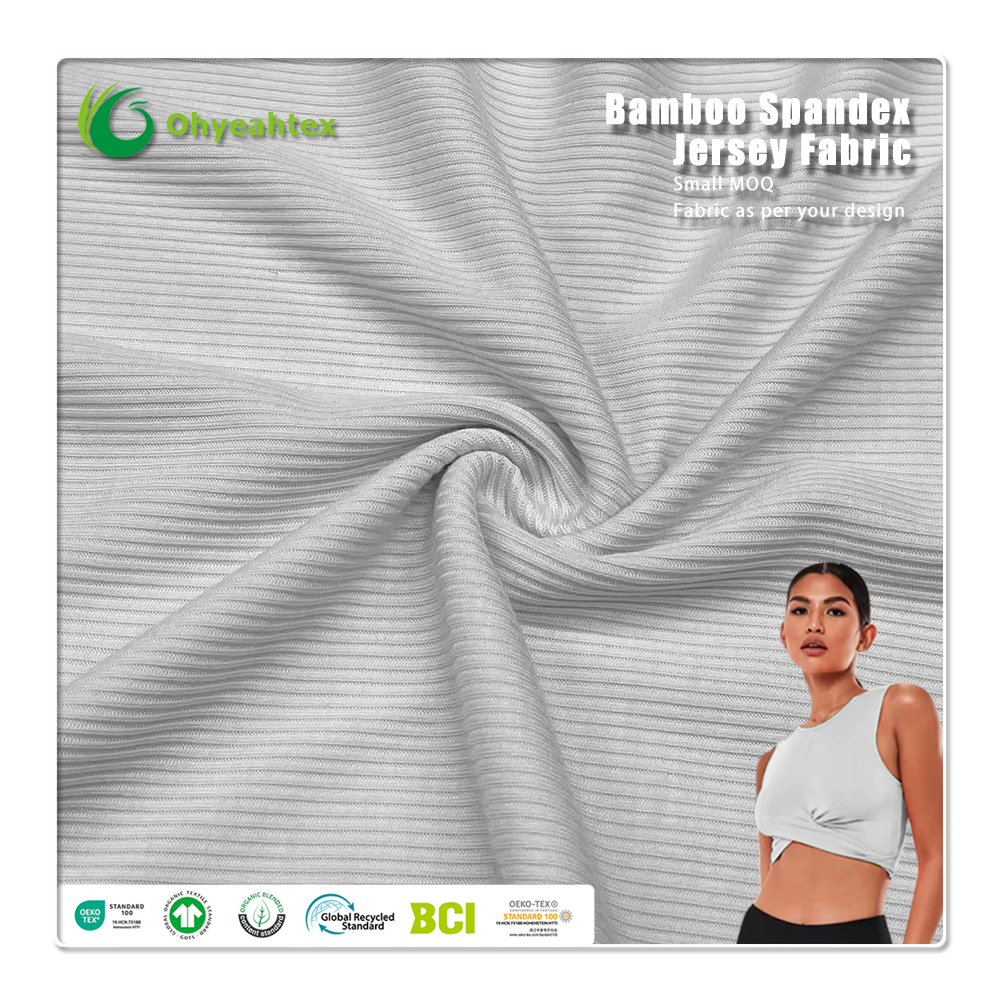
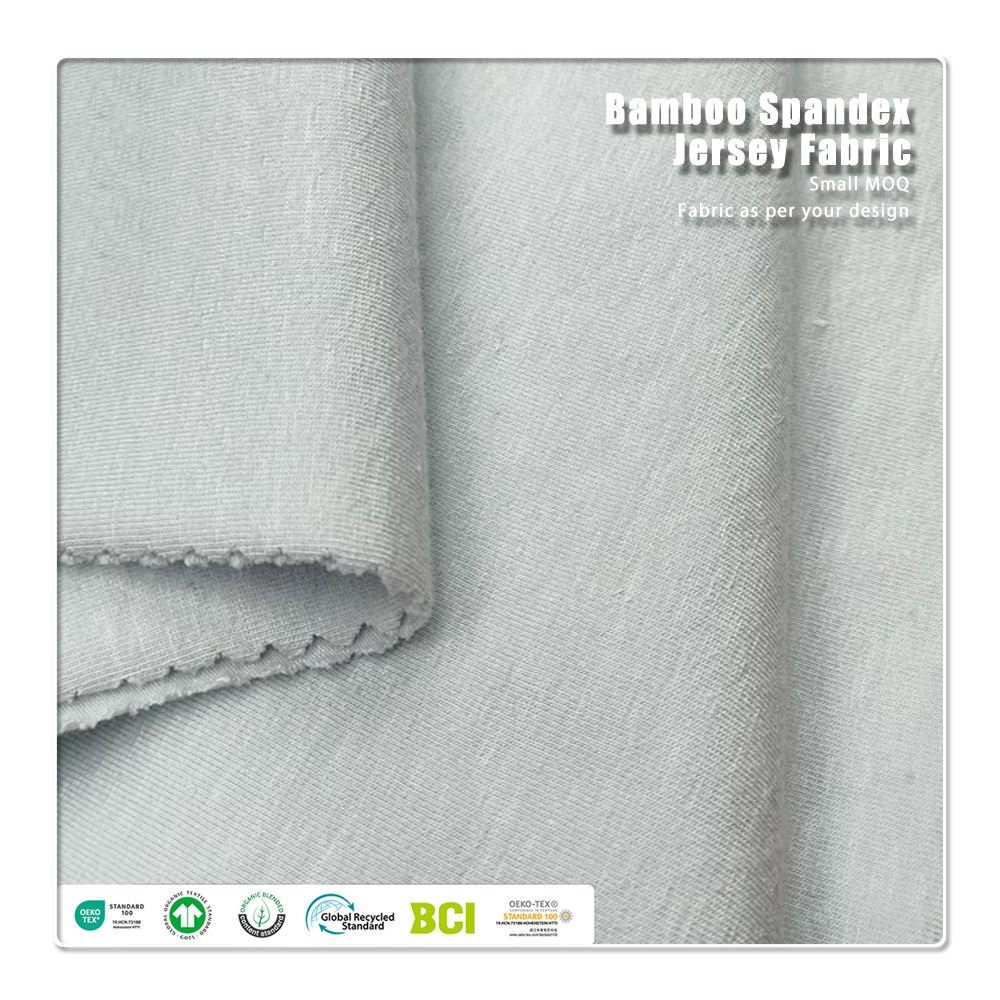
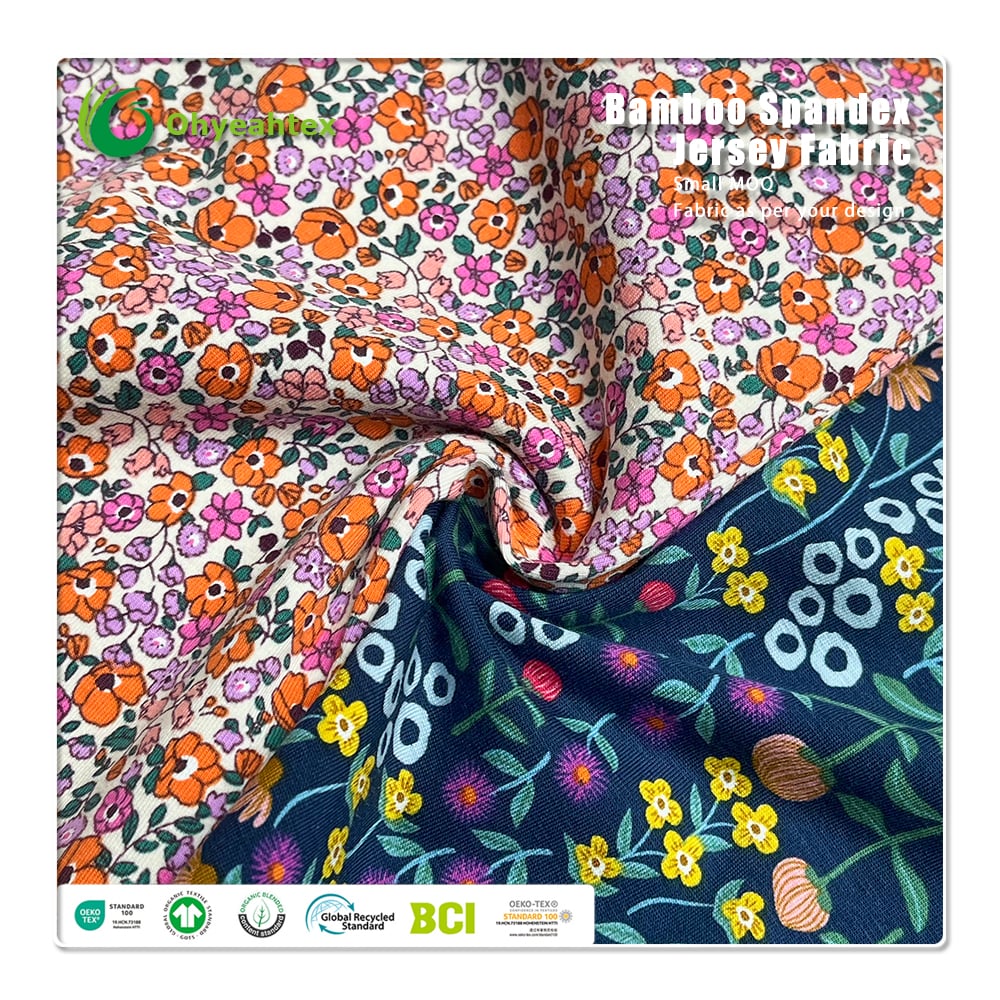
Choosing the right organic cloth material is crucial for any project, especially in industries where sustainability and quality are paramount. Organic cloth materials, such as those made from organic cotton, bamboo, and recycled polyester, offer a range of benefits that can enhance both product performance and environmental responsibility. This article aims to guide B2B buyers—such as purchasing managers, distributors, and product managers—on how to effectively select, source, and utilize bamboo cloth material for various applications, ensuring their projects meet quality standards while aligning with eco-friendly practices.
Our Products

Where to Source High-Quality Organic Cloth Materials Wholesale

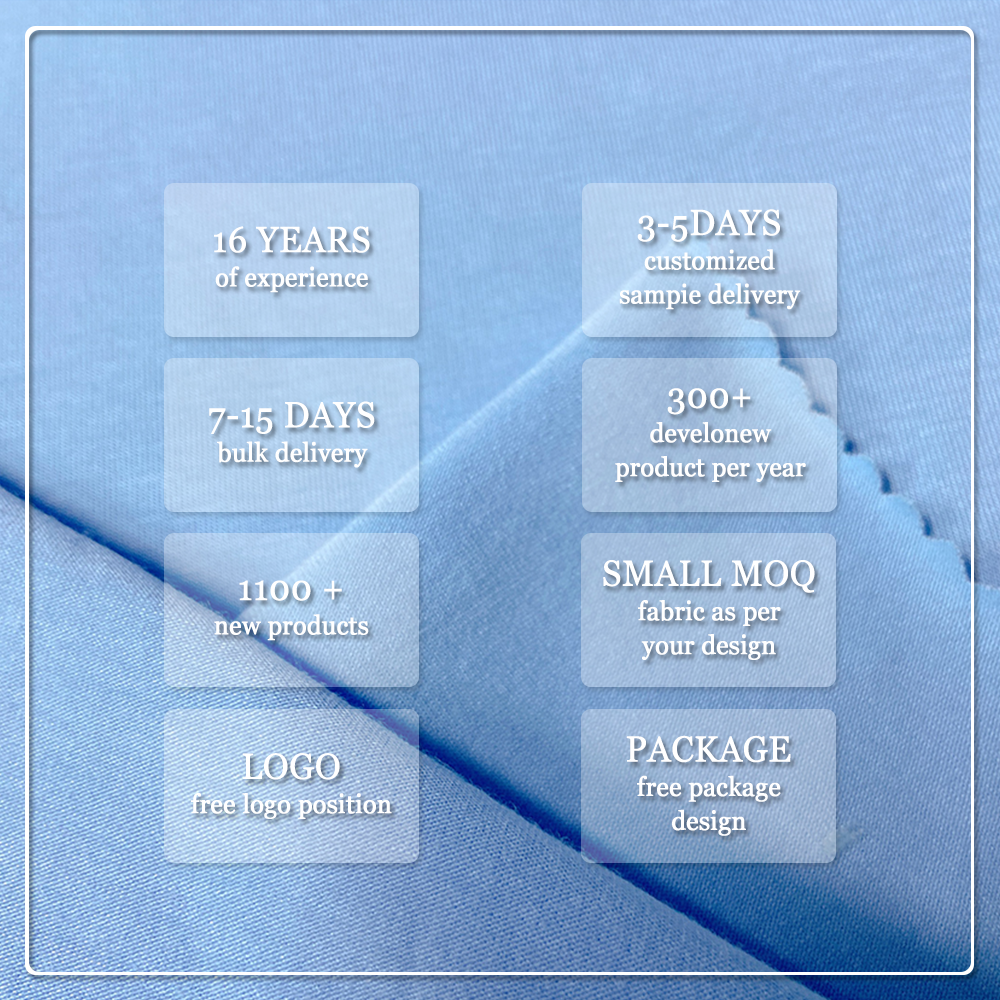
Sourcing organic cloth materials wholesale requires careful consideration of potential suppliers. Start by identifying manufacturers with a proven track record in producing eco-friendly textiles. A company like Shaoxing City Ohyeah Textile Co., Ltd., with its extensive experience and certifications, is a reliable option for high-quality organic fabrics. 

When evaluating suppliers, request samples to assess the material's texture, durability, and overall quality. It's also important to inquire about the supplier's production capacity and lead times to ensure they can meet your demands efficiently. Additionally, consider the supplier's ability to customize fabrics according to your specifications, which can be crucial for achieving the unique requirements of your project. 

Establishing a long-term relationship with a trusted supplier can also lead to better pricing, more consistent quality, and enhanced collaboration on future projects.
Quality and Cost Considerations

Balancing quality and cost is a critical factor in your purchasing decision. Organic cloth materials typically come at a premium compared to conventional options due to the higher costs associated with organic farming practices and processing. However, investing in quality organic fabrics can yield significant long-term benefits, such as improved customer satisfaction and reduced returns resulting from inferior materials. 

When assessing costs, consider the total cost of ownership, which includes not only the purchase price but also factors like durability, maintenance, and potential environmental impact. For instance, opting for a slightly more expensive organic material that lasts longer and requires less care can ultimately save money over time. 

Furthermore, engage in discussions with your supplier about pricing structures and bulk purchase discounts. Manufacturers with high production capacities, like Shaoxing City Ohyeah Textile, can often provide competitive pricing without compromising quality, making them an advantageous partner for your sourcing needs.

Installation Guidance for Organic Cloth Material in Various Applications

Proper installation of organic cloth materials is vital to ensure their performance and longevity. For apparel, the sewing techniques and thread types used can significantly affect the final product. Use threads that are compatible with organic fabrics, as synthetic threads may not provide the same level of comfort or durability. 

In home textiles, such as curtains or upholstery, consider the weight and drape of the fabric. Heavier fabrics may require stronger support structures, while lighter materials can be more suited for decorative applications. Always consult with your fabric supplier regarding the best practices for handling and installing their specific materials. 

For industrial applications, it’s crucial to test the fabric under actual operating conditions before mass production. This bamboo viscose clothing can help identify any potential issues related to wear and tear, moisture resistance, or compatibility with machinery.

Understanding the Manufacturing Process of Organic Cloth Materials

The manufacturing process of organic cloth materials is integral to their quality and sustainability. Organic textiles undergo a series of steps, starting from the cultivation of raw materials to the final fabric production. For instance, organic cotton is grown without harmful pesticides or synthetic fertilizers, which not only benefits the environment but also results in softer and safer fabrics. 

At Shaoxing City Ohyeah Textile Co., Ltd., we utilize over 100 circular knitting machines to ensure efficient and consistent production of our organic fabrics. This advanced equipment allows us to maintain high standards of quality control throughout the manufacturing process. 

Before the fabric reaches the market, it undergoes rigorous testing to ensure it meets quality specifications, including color fastness and shrinkage. Understanding this process helps buyers appreciate the value of their investment in organic materials and reinforces the importance of selecting reputable manufacturers committed to quality and sustainability. 

By considering these factors, B2B buyers can make informed decisions when selecting bamboo and hemp clothing, ensuring that their projects not only meet performance expectations but also align with sustainable practices.

How to Choose the Right Organic Cloth Material for Your Projects

When selecting organic cloth material, consider the specific requirements of your application. Organic cotton is soft and breathable, making it ideal for apparel, while bamboo fabric offers natural antibacterial properties, suitable for activewear and home textiles. Recycled polyester, on the other hand, is known for its durability and resistance to shrinking, making it a great choice for outdoor and industrial applications. 

Additionally, pay attention to the fabric's certifications. Look for materials certified by standards such as GOTS (Global Organic Textile Standard) or OEKO-TEX, which ensure that the fabric meets stringent environmental and safety criteria. These certifications not only guarantee the material's organic status but also reflect the manufacturer's commitment to sustainable practices. 

Lastly, evaluate the fabric's performance characteristics, such as color fastness and shrinkage rates. For instance, our organic cloth materials achieve a color fastness rating of level 4-5 and a shrinkage rate of below 5%, ensuring that your final products maintain their quality after washing and use.

Our Blog Posts

The Supply Chain Dynamics of Bamboo Fabric from Manufacturer to Export

14

Oct

The Supply Chain Dynamics of Bamboo Fabric from Manufacturer to Export

Ecofriendly and Organic Bamboo Fabric Source for Wholesale BuyersFor wholesale buyers looking for eco-friendly fabric options, buying bamboo fabric from Ohyeah Textile Co., Ltd. means that support for the environment and ethics are built into the ent...
View More
How Tencel Lyocell Improves Breathability in Modern Textile Applications

29

May

How Tencel Lyocell Improves Breathability in Modern Textile Applications

Today, breathability is not merely a perk in fabric, but a standard and expected characteristic for consumers wearing sportswear, loungewear, and general apparel. A breathable fabric allows the body to remain cool, dry, and comfortable...
View More
The Role of Tencel Lyocell in Creating Lightweight Knit Fabrics

29

May

The Role of Tencel Lyocell in Creating Lightweight Knit Fabrics

Lightweight knits are becoming an essential part of any modern wardrobe,and for good reason:not only are they comfortable and breathable,but they also allow for effortless layering. However,to create a light,airy knit without sacrificing integrity,a ...
View More
Why Tencel Modal Helps Maintain Fabric Shape After Repeated Washing

29

May

Why Tencel Modal Helps Maintain Fabric Shape After Repeated Washing

If you've ever owned clothing you loved and then noticed that it just doesn't fit right anymore,necklines stretching,cuffs looking limp,or pants becoming baggy,you know how frustrating this can be. To brands,it translates to returns,poor reviews...
View More

Get a Free Quote

Our representative will contact you soon.
Email
Name
Mobile/WhatsApp
Company Name
Message
0/1000

Get a Free Quote

Our representative will contact you soon.
Email
Name
Mobile/WhatsApp
Company Name
Message
0/1000