Key Specifications of Bamboo and Hemp Fabrics

Get a Free Quote

Our representative will contact you soon.
Email
Name
Mobile/WhatsApp
Company Name
Message
0/1000

Bamboo and hemp clothing

Bamboo and hemp clothing are becoming increasingly popular in the textile industry, driven by the demand for sustainable and eco-friendly materials. As a B2B buyer, understanding the specifications, sourcing options, and challenges associated with these fabrics is crucial for making informed purchasing decisions. This article will provide detailed insights into sourcing quality textiles like bamboo and hemp textiles, addressing key buyer concerns such as quality, cost, and application suitability, helping you navigate the procurement process of Ohyeah bamboo hemp fabric effectively. 

Our Products

Sourcing Quality Bamboo and Hemp Textiles

Sourcing quality bamboo and hemp textiles involves several considerations that can impact the overall supply chain: 

Supplier Reputation: Partnering with a reputable supplier, such as Shaoxing City Ohyeah Textile Co., Ltd., which specializes in eco-friendly knitted fabrics and sourcing quality textiles, can help ensure product quality. Researching supplier reviews, certifications, and production capabilities is essential. 

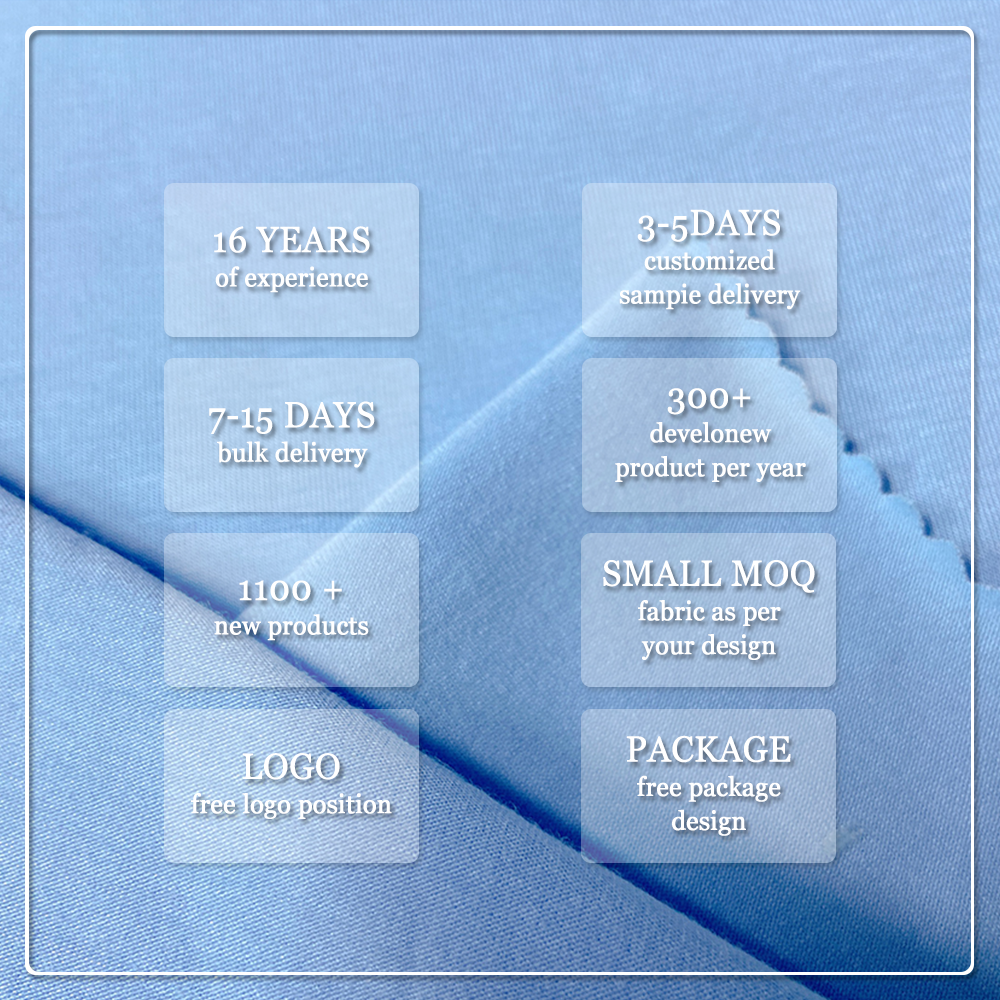
Production Capacity: Assessing the supplier's production capacity is crucial, especially for bulk orders. A manufacturer with over 100 circular knitting machines and a monthly output of 200 tons can typically meet large volume requirements more efficiently. 

Sample Approval: Before placing a large order, it is advisable to request samples to evaluate the fabric’s quality firsthand. This allows buyers to examine the texture, color, and overall appearance of bamboo fabrics and hemp fabrics, ensuring alignment with their expectations. 

Lead Time: Understanding the lead time for production and delivery is essential for planning inventory levels and meeting customer demands. Factors such as order size, eco-friendly materials and customization can impact these timelines. 

Sustainability Practices: Buyers should inquire about the supplier's sustainability practices, including sourcing methods and manufacturing processes. This information is important for aligning with corporate social responsibility goals. 

By focusing on these sourcing strategies, buyers can identify reliable suppliers that provide high-quality bamboo and hemp textiles. 
Cost Factors for Bulk Orders of Bamboo and Hemp Fabrics

Several factors influence the cost of bulk orders for bamboo and hemp fabrics: 

Material Costs: The price of raw materials, such as bamboo and hemp fibers, can fluctuate based on market demand and availability. Buyers should stay informed about these trends to negotiate better prices. 

Order Quantity: Generally, larger orders result in lower per-unit pricing due to economies of scale. However, buyers should confirm the minimum order quantity (MOQ) with suppliers, as this can vary. 

Customization and Finishing: Customization Ohyeah bamboo lyocell fabric options, such as dyeing, printing, or special treatments, can increase costs. It's important to evaluate whether these enhancements are necessary for your product line and budget. 

Shipping and Logistics: Transportation costs can significantly affect the overall price. Buyers should consider shipping methods, destination, and logistics services when calculating total expenses. 

Quality Assurance: Investing in quality control processes can prevent costly errors during production. Buyers should discuss the quality assurance measures that suppliers have in place to mitigate risks. 

By understanding these cost factors, buyers can make informed decisions that balance quality and budget constraints when sourcing eco-friendly materials of bamboo and hemp fabrics. 

Installation Guidance for Bamboo and Hemp Textile Applications

Implementing bamboo and hemp textiles into products or projects requires careful consideration of installation methods: 

Preparation: Before installation, ensure that the area is clean and free from debris. This is especially important for applications like upholstery or wall coverings where bamboo fabrics surface texture can affect the final appearance. 

Cutting Techniques: When cutting bamboo or hemp fabrics, use sharp, clean tools to avoid fraying. Seams should be finished appropriately to enhance durability and maintain aesthetic quality. 

Sewing Recommendations: For sewing applications, using the correct needle type (such as a ballpoint needle for knits) can prevent fabric damage. Additionally, selecting suitable thread (eg., polyester for strength) ensures the seams hold up over time. 

Washing and Care Instructions: Providing clear care instructions for end-users is crucial for maintaining the fabric's quality. Bamboo and hemp materials often require gentle washing and air drying to preserve their properties. 

Testing for Fit and Functionality: Prior to mass production, it’s advisable to conduct fit tests and functional assessments. This helps confirm that the fabric performs well in its intended application, whether for clothing, upholstery, or other uses. 

By following these installation guidelines, buyers can ensure that bamboo and hemp textiles are used effectively and maintain their quality throughout their lifecycle. 

Common Problems in Sourcing and Solutions for Bamboo and Hemp Textiles

While sourcing bamboo and hemp textiles, buyers may encounter several challenges. Here are some common issues and potential solutions: 

Inconsistent Quality: Variability in fabric quality can occur, particularly when sourcing from multiple suppliers. To mitigate this, establish clear quality standards and conduct regular inspections of Ohyeah bamboo and hemp fabric samples and production runs. 

Supply Chain Disruptions: Delays in raw material procurement or transportation can impact production timelines. Building relationships with multiple suppliers can provide alternative options and enhance supply chain resilience. 

Limited Customization Options: Some suppliers may not offer the desired level of customization. It’s beneficial to clarify customization capabilities upfront and explore manufacturers known for their flexibility. 

Compliance with Regulations: Ensuring that textiles meet regulatory standards can be challenging. Buyers should verify supplier certifications and compliance with relevant industry standards to avoid legal issues. 

Miscommunication: Language barriers or unclear specifications can lead to misunderstandings. Providing detailed product specifications and using visual aids can help bridge communication gaps. 

By proactively addressing these common problems, buyers can enhance their sourcing processes and ensure successful procurement of bamboo and hemp textiles. 

Key Specifications of Eco-Friendly Bamboo and Hemp Fabrics

When evaluating bamboo and hemp fabrics, several key specifications should be considered: 

Material Composition: Bamboo fabrics are typically made from bamboo fibers, which are known for their softness and moisture-wicking properties. Hemp fabrics, on the other hand, are derived from the hemp plant and offer durability and breathability. Understanding these compositions can help buyers select the right fabric for specific applications. 

Weight and Thickness: The weight (measured in grams per square meter) and thickness of the fabric can affect its suitability for various uses, from lightweight garments to heavy-duty workwear. For example, a lighter fabric may be ideal for summer clothing, while a thicker one could be suited for outerwear. 

Color Fastness and Shrinkage: Both bamboo and hemp fabrics should exhibit high color fastness (level 4-5 is optimal) to ensure that colors remain vibrant after multiple washes. Additionally, a shrinkage rate below 5% is desirable to maintain the garment's fit and appearance over time. 

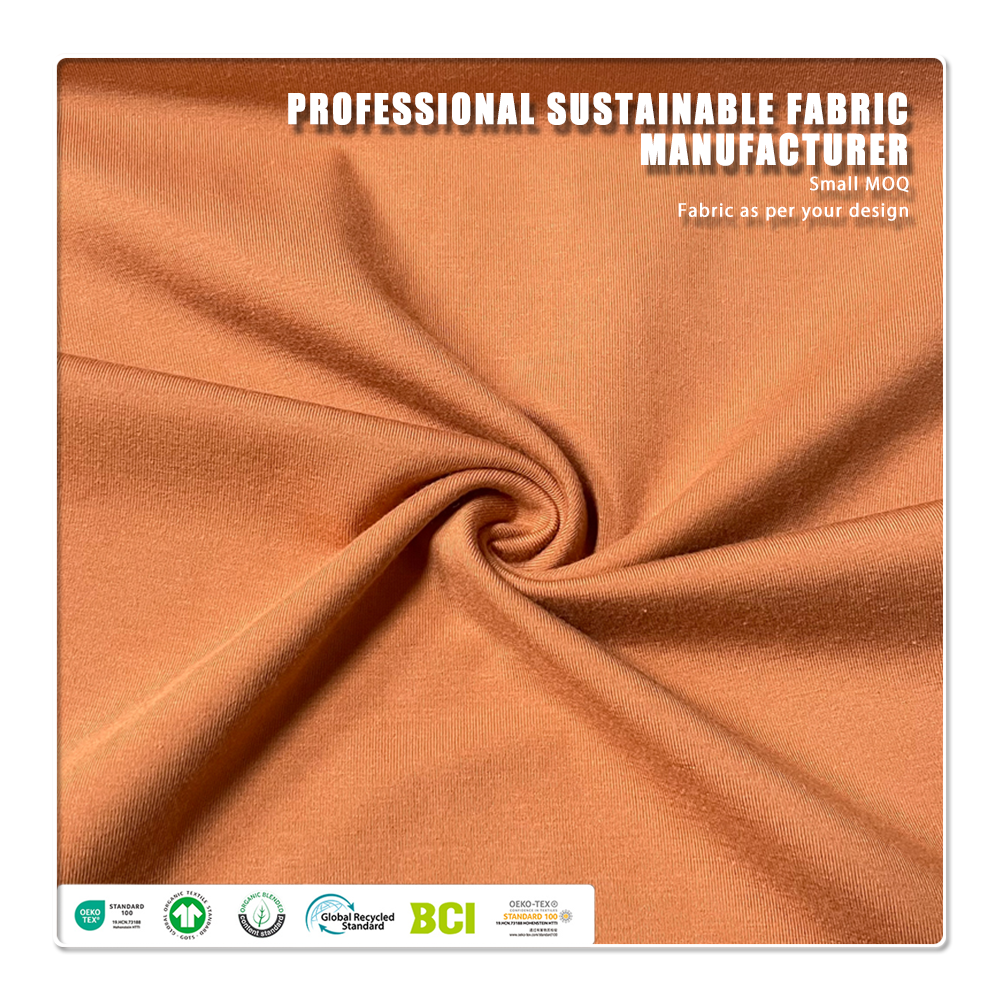
Certifications: Certifications such as OEKO-TEX, GOTS, OCS, and GRS indicate that the fabrics meet specific environmental and safety standards. These certifications can provide assurance regarding the sustainability and ethical sourcing of the textiles. 

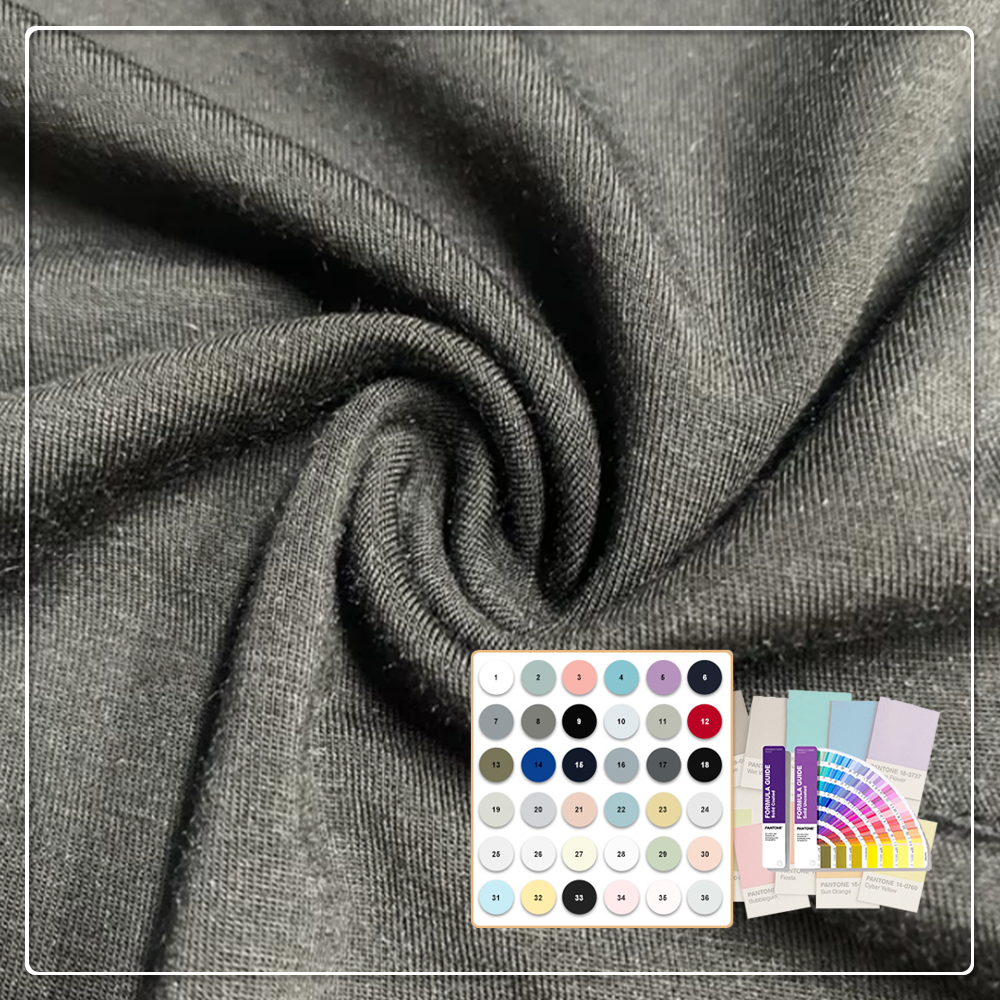
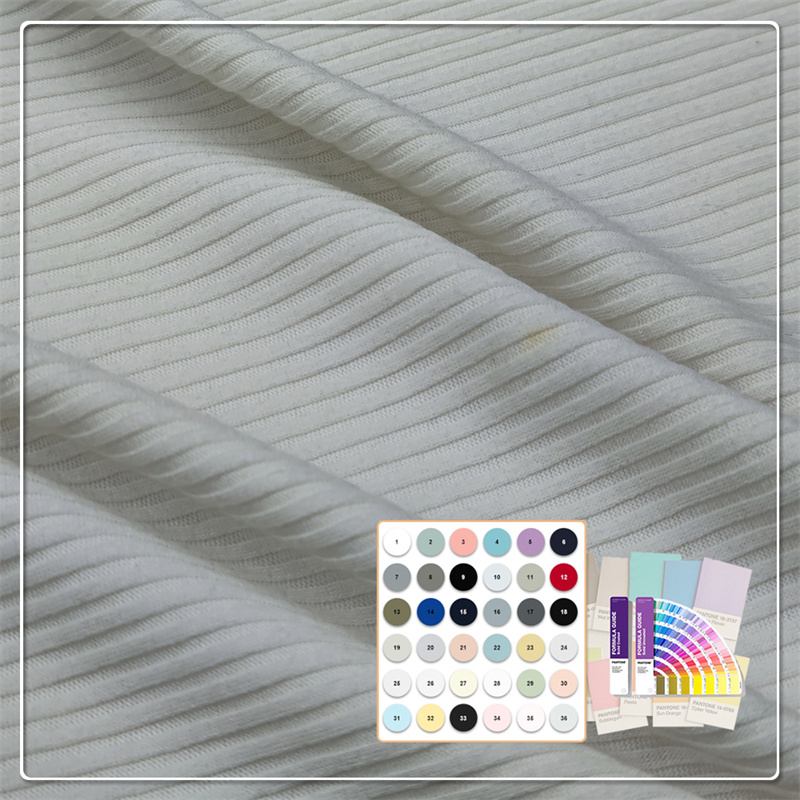
Customization Options: Many manufacturers offer customization of sourcing quality textiles in terms of color, pattern, and fabric structure, allowing buyers to tailor products to their specific needs. 

Understanding these specifications is vital in ensuring that the selected bamboo or hemp fabric meets the intended performance and aesthetic requirements. 

Our Blog Posts

The Supply Chain Dynamics of Bamboo Fabric from Manufacturer to Export

14

Oct

The Supply Chain Dynamics of Bamboo Fabric from Manufacturer to Export

Ecofriendly and Organic Bamboo Fabric Source for Wholesale BuyersFor wholesale buyers looking for eco-friendly fabric options, buying bamboo fabric from Ohyeah Textile Co., Ltd. means that support for the environment and ethics are built into the ent...
View More
Can you print on bamboo fabric

04

Feb

Can you print on bamboo fabric

I am aware that with the ongoing increase in popularity of sustainable fashion, and environmentally-friendly materials, bamboo fabric has become one of the newest favorites due to its unrivaled softness, breathability, and environmental friendly natu...
View More
The Role of Tencel Lyocell in Creating Lightweight Knit Fabrics

29

May

The Role of Tencel Lyocell in Creating Lightweight Knit Fabrics

Lightweight knits are becoming an essential part of any modern wardrobe,and for good reason:not only are they comfortable and breathable,but they also allow for effortless layering. However,to create a light,airy knit without sacrificing integrity,a ...
View More
What Makes Tencel Modal Suitable for Comfortable Knitwear Production

29

May

What Makes Tencel Modal Suitable for Comfortable Knitwear Production

Comfortable knitwear does not happen by accident. The right fiber, the right manufacturing processes, and an awareness of how fabrics feel against the skin must all come together. For knitwear manufacturers who are serious about c...
View More

Get a Free Quote

Our representative will contact you soon.
Email
Name
Mobile/WhatsApp
Company Name
Message
0/1000

Get a Free Quote

Our representative will contact you soon.
Email
Name
Mobile/WhatsApp
Company Name
Message
0/1000