 EN
Sustainable textile materials are increasingly becoming a focal point for manufacturers and brands looking to minimize their environmental impact. This article explores the essential aspects of selecting eco-friendly fabrics, sourcing reliable suppliers, evaluating costs, addressing common sourcing challenges, and understanding bulk order options. Buyers often seek clarity on material specifications, quality assurance, and sustainability certifications, and this guide aims to equip you with the knowledge needed to make informed purchasing decisions. ss, organic cotton is grown without harmful pesticides, and recycled polyester reduces waste by repurposing.
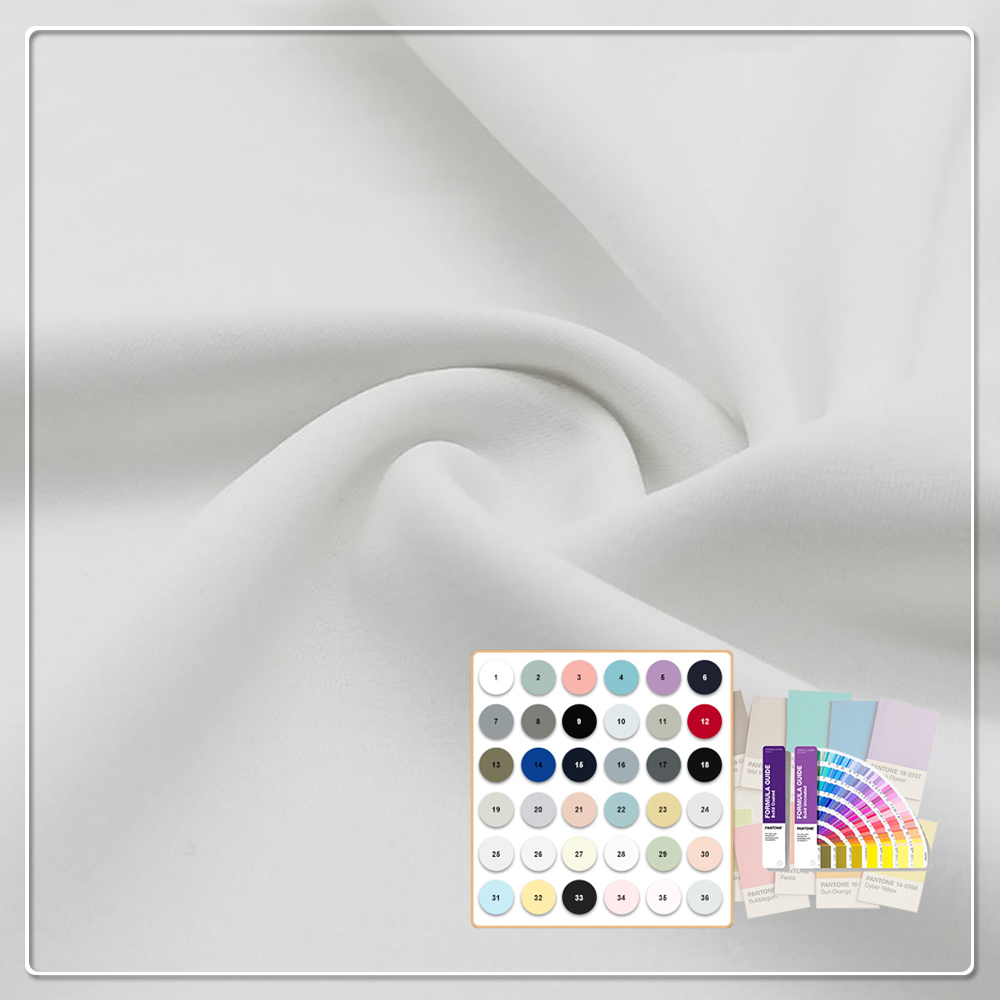
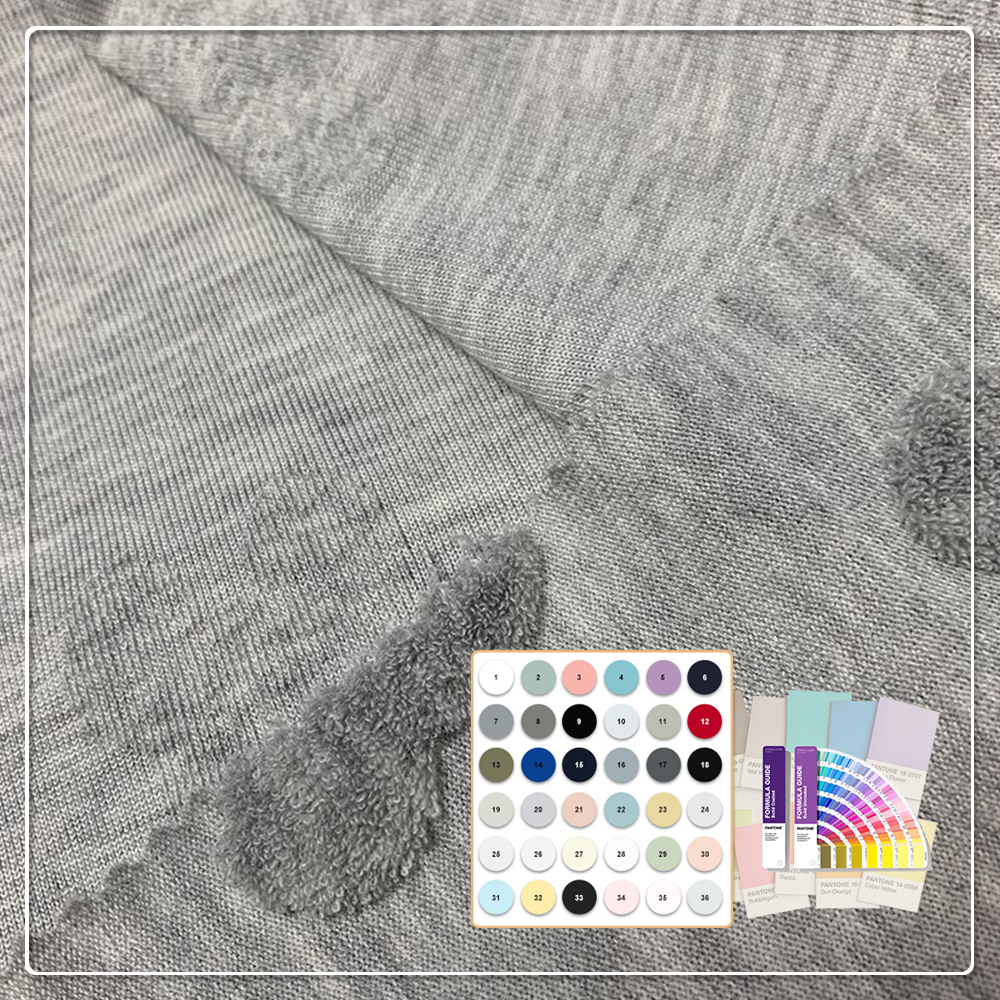
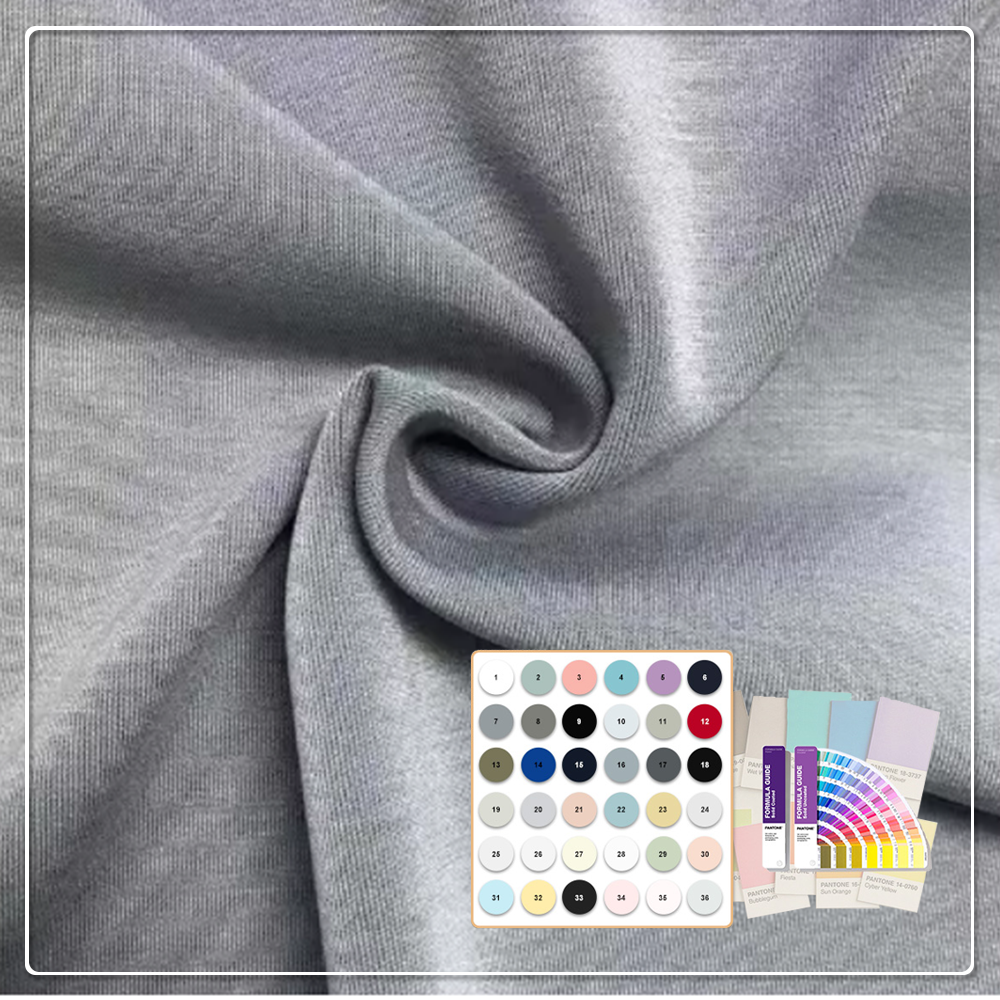
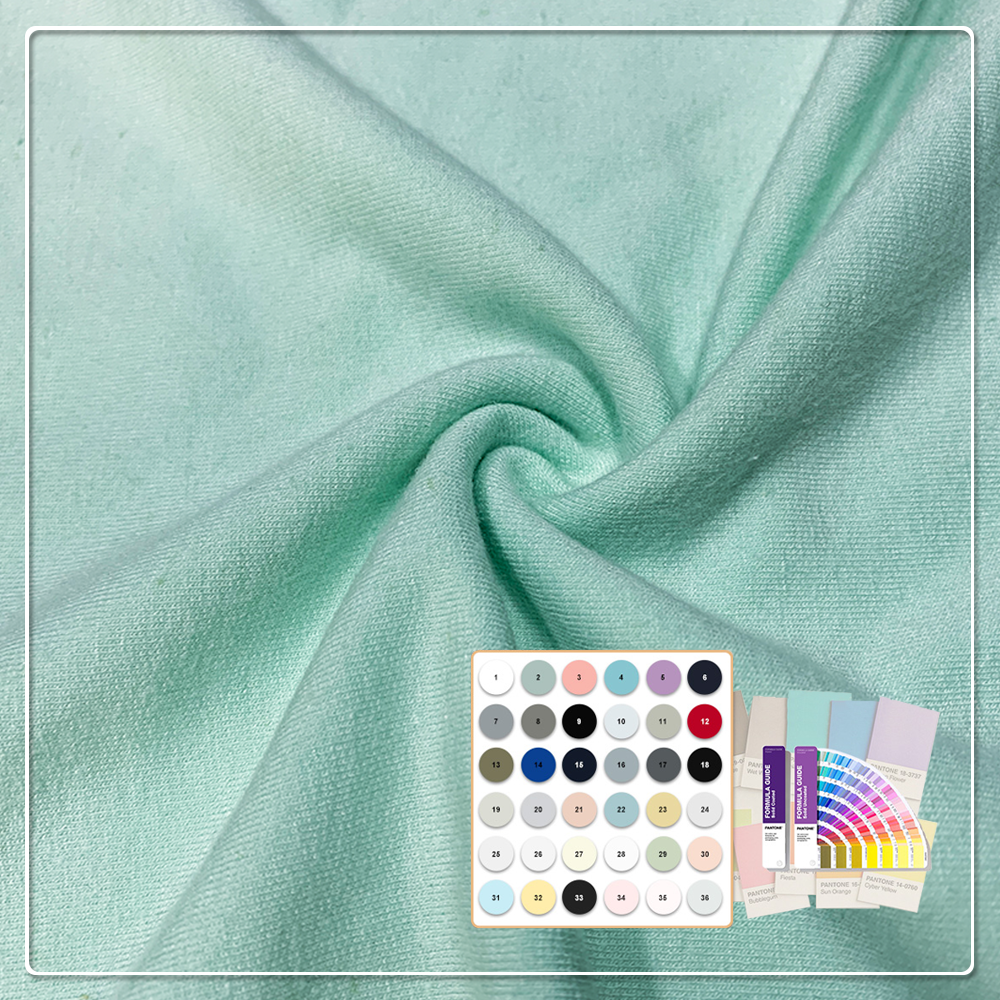
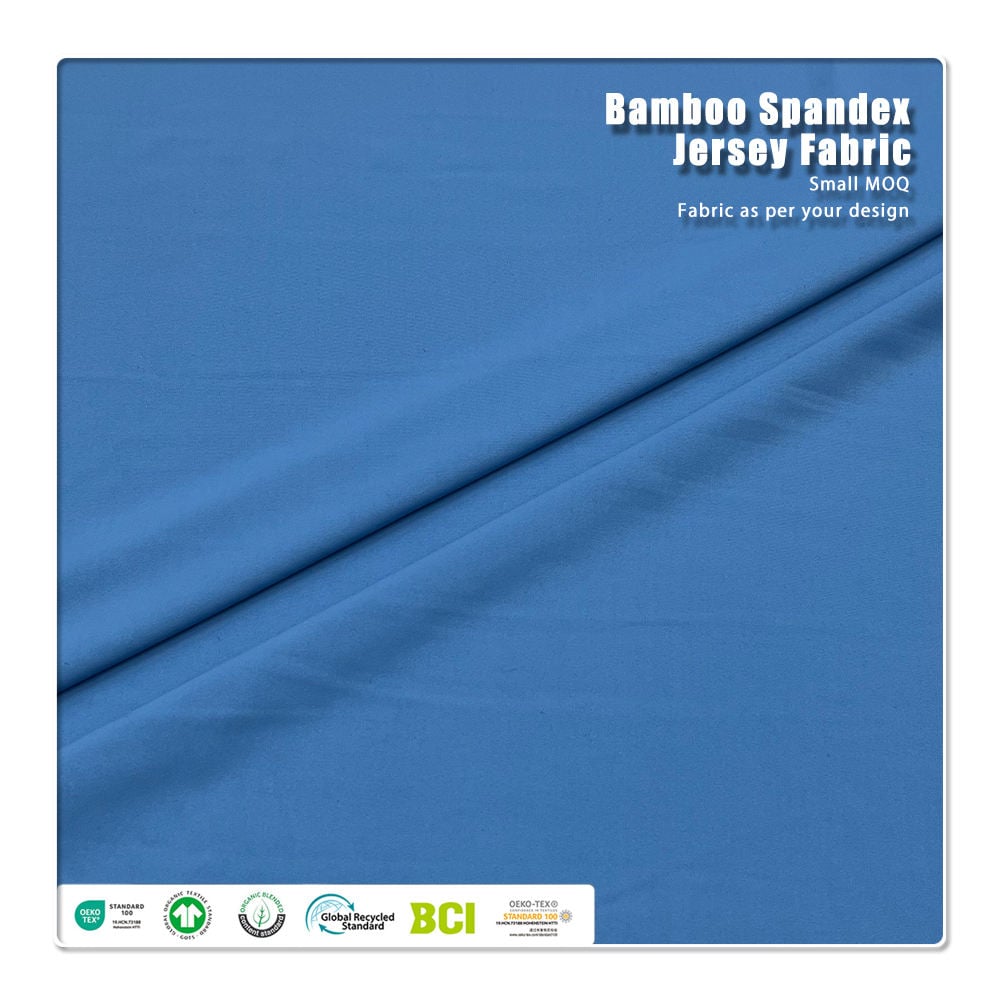
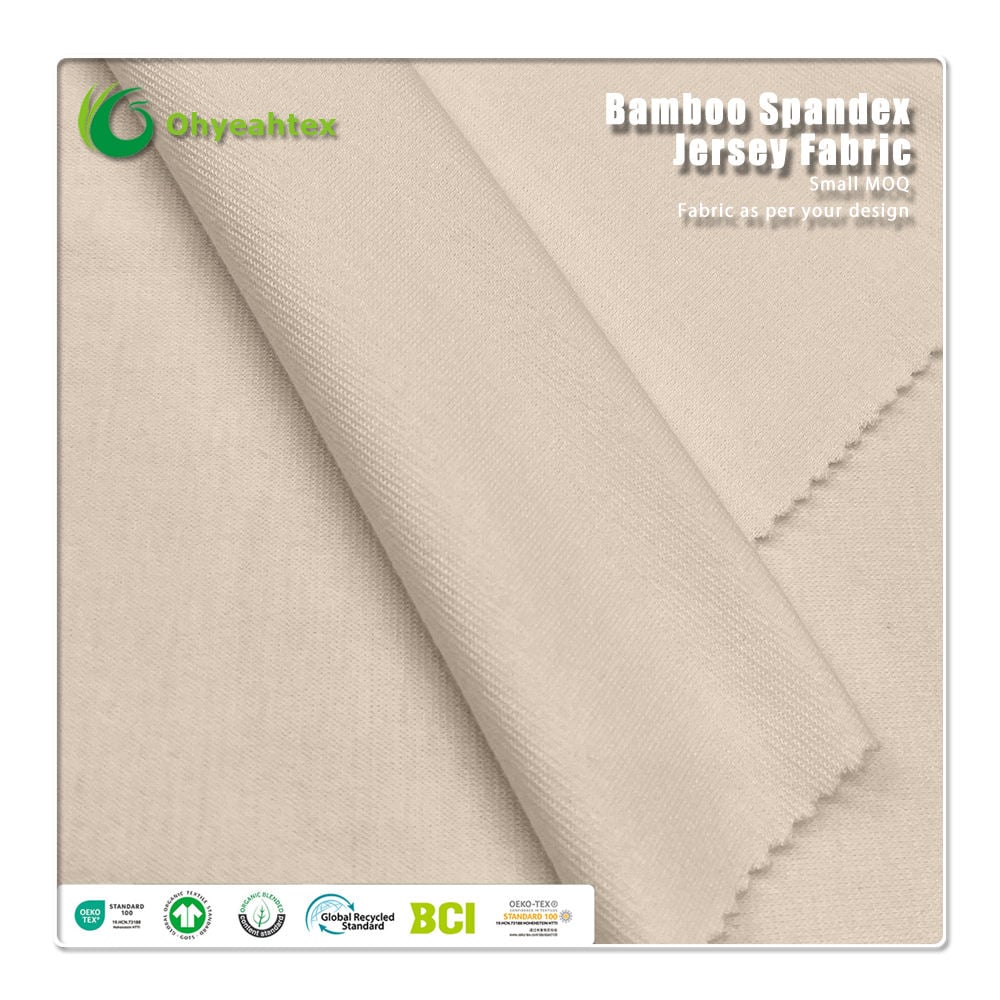
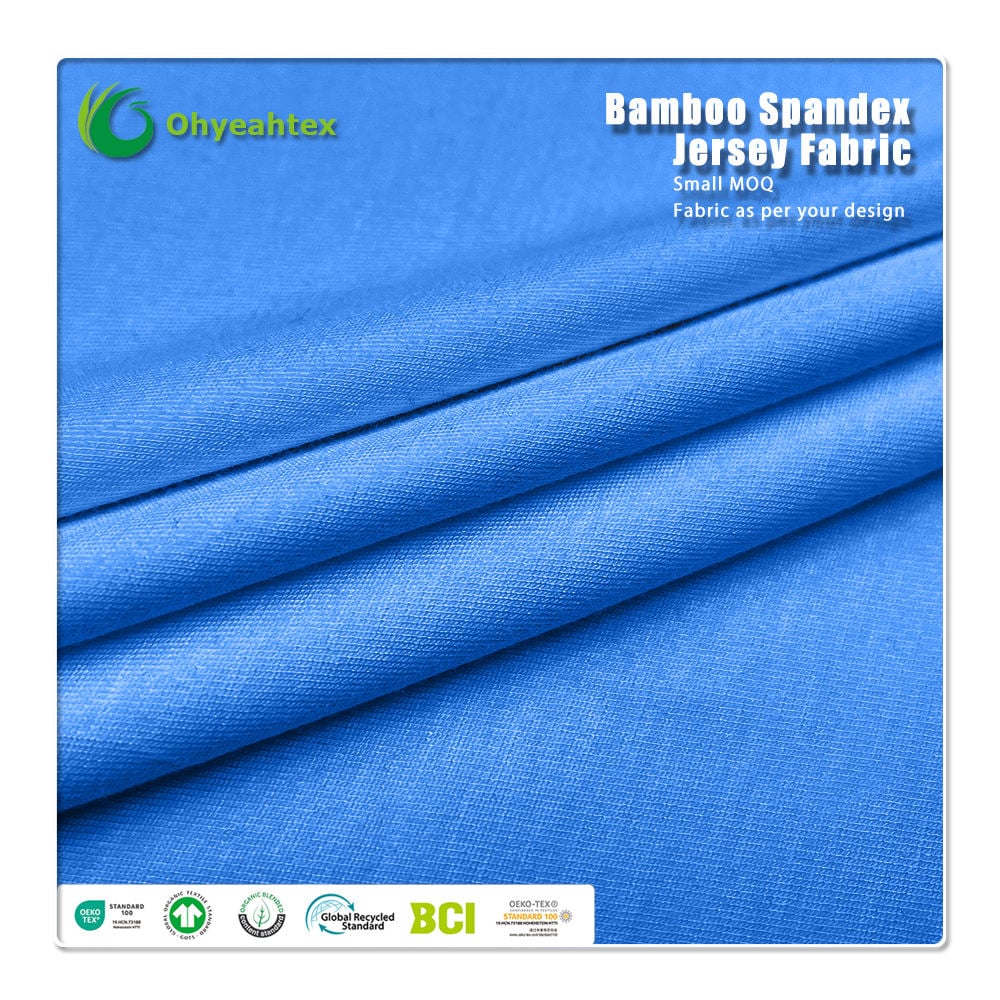
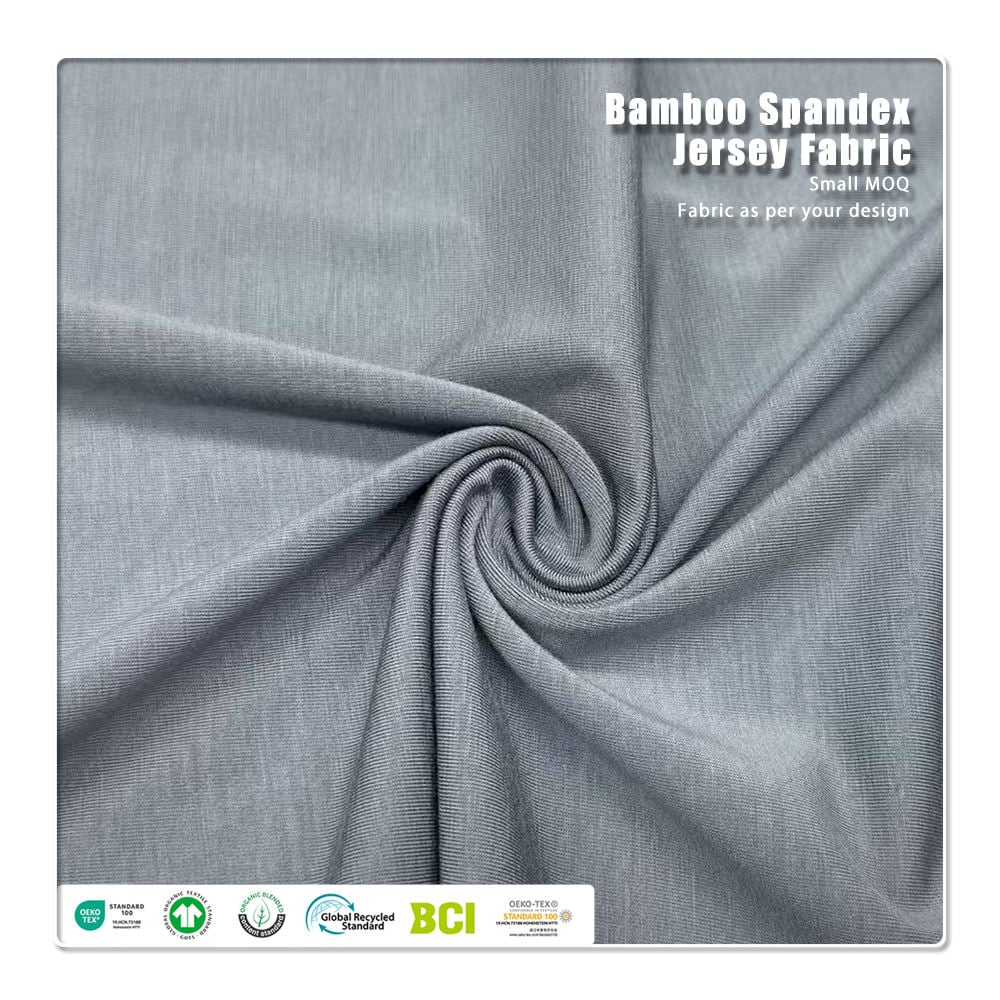
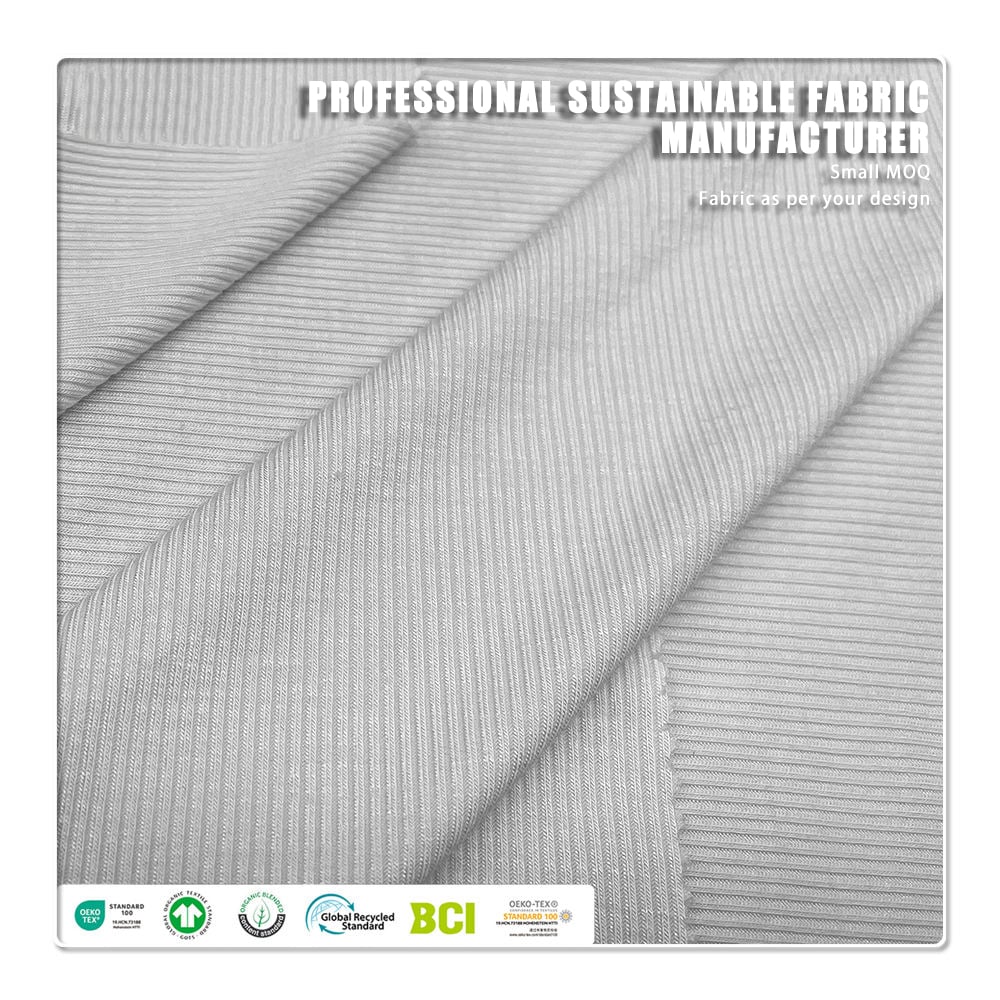
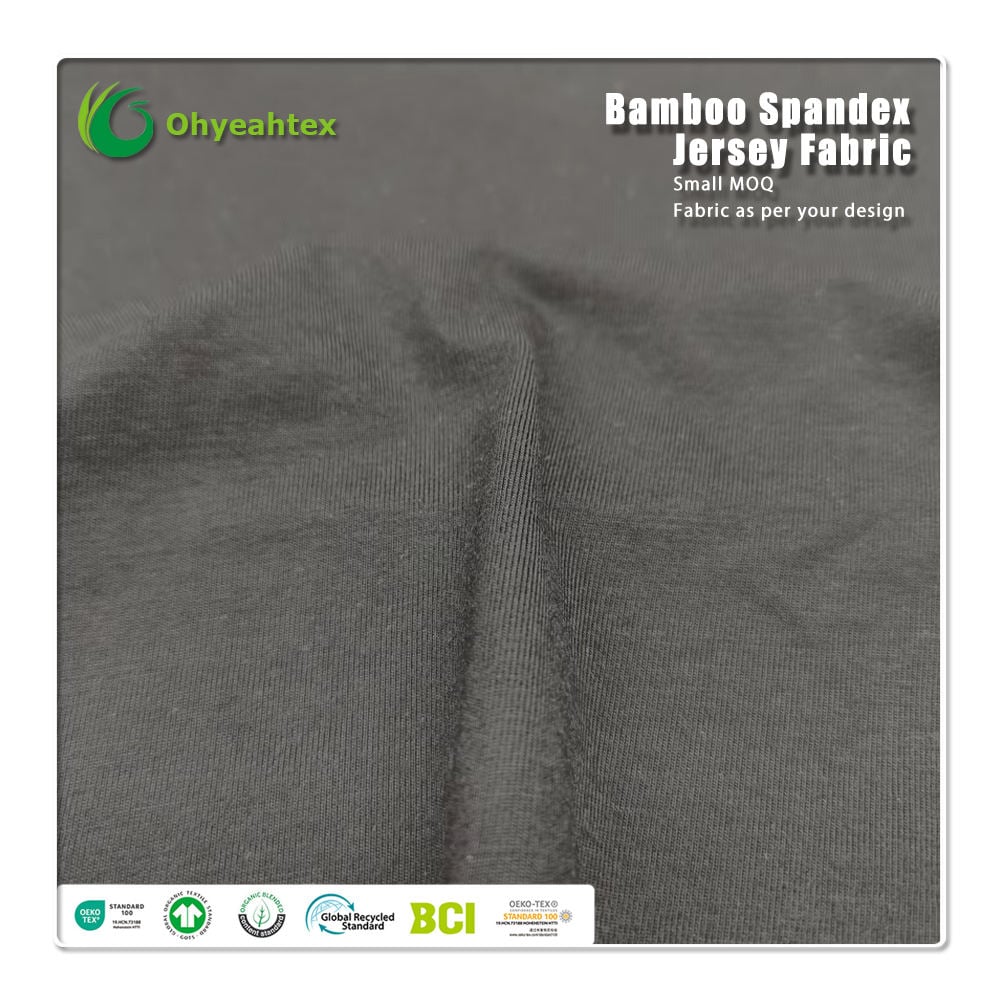
Where to Source Reliable Suppliers of Eco-Friendly Fabrics
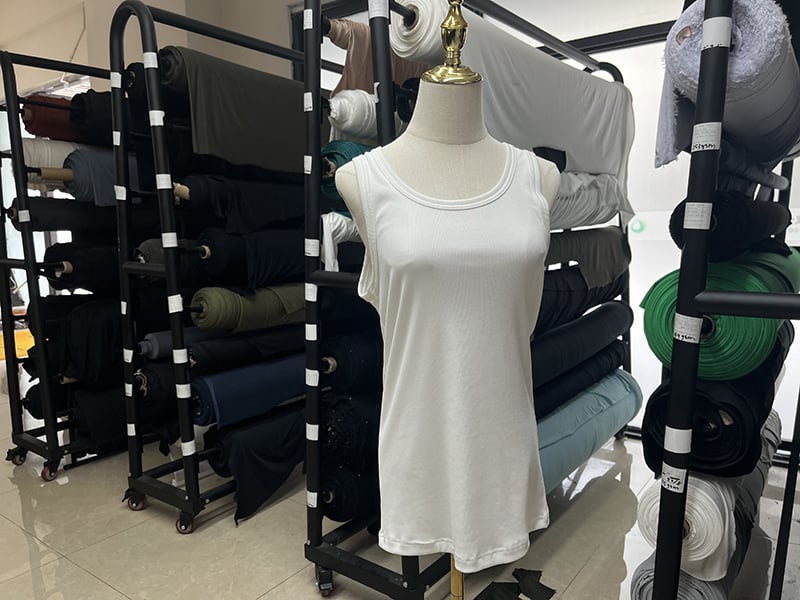
Finding reliable suppliers for sustainable textile materials involves thorough research and evaluation. Start by attending industry trade shows and exhibitions, where you can meet manufacturers like Shaoxing City Ohyeah Textile Co., Ltd. face-to-face. These events provide opportunities to examine fabric samples, discuss production capabilities, and clarify any questions regarding sustainability practices.
Online platforms such as trade directories and B2B marketplaces can also be valuable resources for identifying potential suppliers. Look for companies with a proven track record in eco-friendly textiles. Review their certifications and production capabilities, such as the number of knitting machines and monthly output, to gauge their capacity to fulfill bulk orders.
Additionally, establish a communication channel to clarify your requirements and assess the supplier's responsiveness. Request samples to evaluate the quality of fabrics, ensuring they meet your project's specifications and performance criteria.