Viscose Sustainability in Textile Manufacturing

Get a Free Quote

Our representative will contact you soon.
Email
Name
Mobile/WhatsApp
Company Name
Message
0/1000

Viscose sustainability

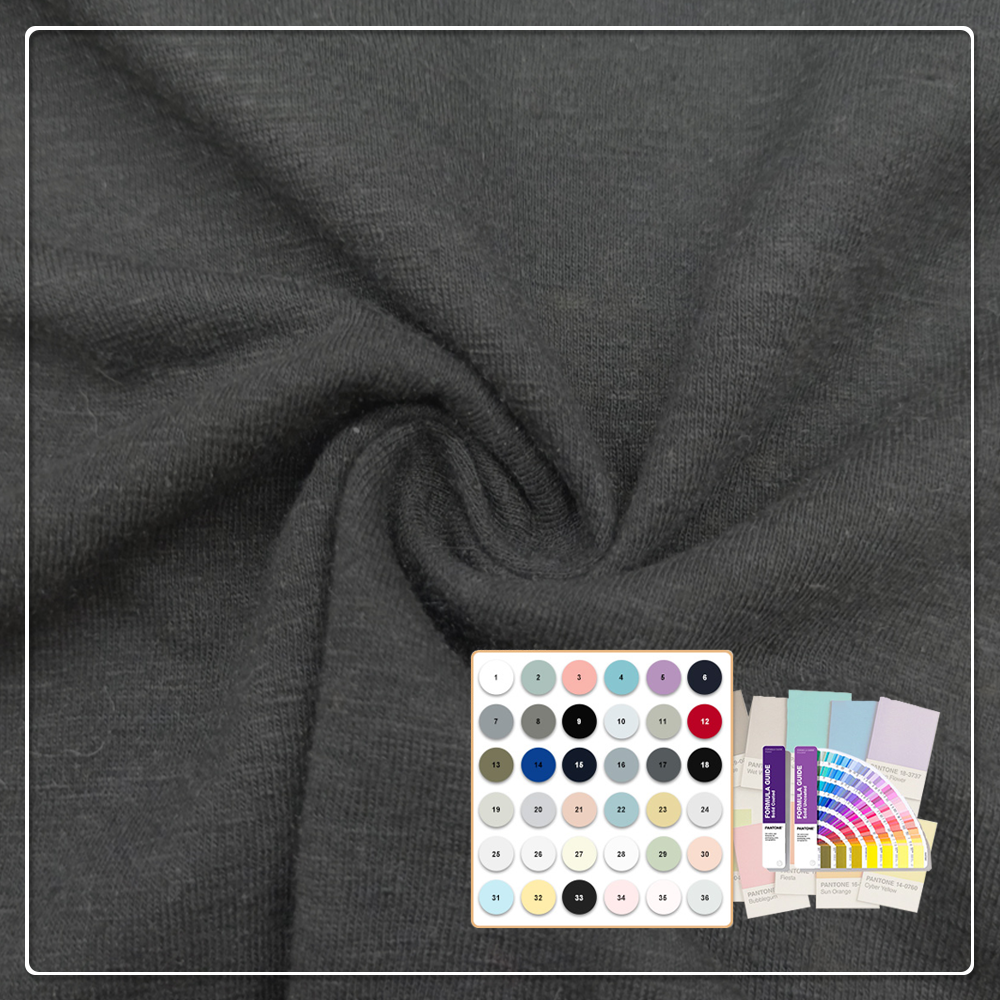
Sustainable viscose fabrics are increasingly popular in the textile industry due to their eco-friendly properties, derived from cellulose sources like wood pulp. As businesses prioritize sustainability of eco-friendly viscose, buyers in the manufacturing and textile sectors must ensure that the viscose they source meets specific environmental standards and quality requirements. This article will guide you through key considerations for sourcing sustainable Ohyeah viscose bamboo material, addressing common challenges, and outlining its applications across various industries. 

Our Products

Key Specifications for Buyers

Cost is always a significant consideration when sourcing sustainable viscose. Several factors influence pricing:

Raw Material Costs: The price of sustainably sourced raw materials can be higher than conventional options. Prices fluctuate based on market demand and availability, so it’s essential to stay informed about market trends. 

Production Capabilities: The manufacturing capacity of the supplier directly affects pricing. Companies with advanced circular knitting machines and efficient production processes may offer more competitive rates, given their ability to produce a Ohyeah viscose fabric made from bamboo at higher volumes and lower costs. 

Customization and Order Quantity: Custom orders typically incur higher costs due to additional processing and material sourcing. Understanding certifications such as OEKO-TEX can help buyers plan their purchases effectively. 

Shipping and Logistics: Shipping costs can vary significantly depending on the destination and shipping method. Consider these costs when calculating the total expense of procurement. 

Quality Control Processes: Suppliers that implement rigorous quality control processes may have higher upfront costs, but these practices can reduce the likelihood of defects and returns of eco-friendly viscose, ultimately leading to cost savings over time with a quality standards for fabrics. 
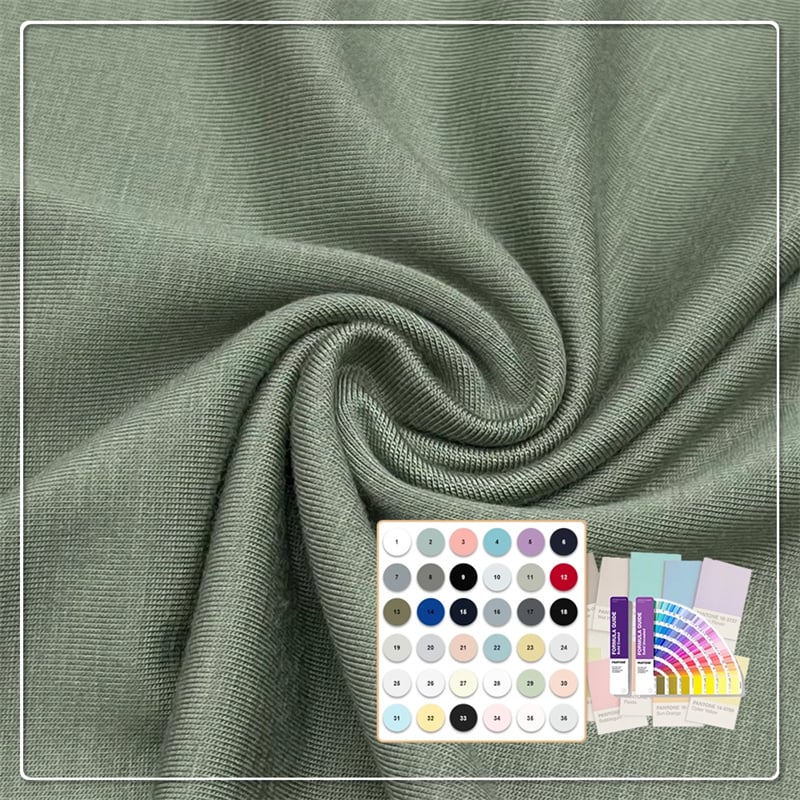
Where to Source Reliable Suppliers of Eco-Friendly Viscose Fabrics

While viscose is a versatile and sustainable option, it comes with challenges that buyers should be aware of: 

Dimensional Stability: Viscose fabrics can be prone to stretching and shrinking. Buyers should ensure that the supplier adheres to strict quality control measures to minimize these issues. Conducting pre-production samples and wash tests can help confirm that the fabric meets dimensional stability requirements. 

Color Fastness: Poor color fastness can lead to fading and staining. When sourcing viscose, verify the supplier's dyeing processes and quality standards, ensuring that the finished product meets your color retention requirements and certifications such as OEKO-TEX. 

Moisture Management: Viscose can absorb moisture, which may lead to issues in humid environments.  Consider blends with moisture-wicking materials to enhance performance in specific applications. 

Sustainability Claims: With greenwashing becoming more prevalent, it is crucial to verify sustainability claims made by suppliers. Request documentation supporting certifications and sourcing practices to ensure transparency. 

Supplier Reliability: Establishing a reliable relationship with suppliers can mitigate many common problems. Regular communication and performance reviews can help ensure that product quality standards for fabrics and delivery schedules are consistently met. 

Cost Factors to Consider When Purchasing Viscose in Bulk

Sustainable viscose fabrics are suitable for a wide range of applications across different industries: 

Fashion and Apparel: Due to its luxurious feel and drape, sustainable viscose is popular in the fashion industry for garments such as dresses, blouses, and linings. Its ability to take on vibrant colors makes it a desirable choice for eco-conscious fashion brands. 

Home Textiles: In the home textiles sector, sustainable viscose can be used for curtains, upholstery, and bedding. Ohyeah viscose made from bamboo soft texture and elegant appearance enhance home décor while appealing to consumers seeking sustainable options. 

Technical Textiles: In industries requiring specialized fabrics, such as automotive or medical, sustainable viscose can be blended with other materials to create high-performance textiles that meet specific functional requirements. 

Activewear: The moisture-wicking properties of some viscose blends make them suitable for activewear. This application benefits from sustainability, appealing to environmentally conscious consumers looking for performance apparel. 

Non-Wovens: Sustainable viscose is also used in non-woven fabrics for applications such as wipes and hygiene products. Its biodegradable properties contribute to reducing environmental impact in these sectors. 

Applications of Sustainable Viscose in Modern Textile Industries

Proper installation of eco-friendly viscose fabrics is essential for optimal performance and longevity. Here are some guidelines: 

Preparation: Ensure that the installation surface is clean and dry. Any contaminants can affect adhesion and the overall appearance of the fabric. 

Cutting and Handling: Use sharp tools to cut the fabric to avoid fraying. Handle the fabric gently to prevent stretching or distortion during installation. 

Adhesives: When using adhesives, select products that are compatible with viscose and free from harmful chemicals. Eco-friendly adhesives are preferable to maintain the sustainability aspect of the material. 

Seaming Techniques: Employ appropriate seaming techniques to enhance durability. For example, double-stitched seams can provide added strength, especially in high-wear areas. 

Care Instructions: Provide end-users with clear care instructions to maintain the fabric’s quality. Recommendations may include gentle washing, avoiding harsh chemicals, and proper drying techniques to prevent shrinkage or damage. 

By understanding these aspects of sustainable viscose fabrics, buyers can make informed decisions that align with their sustainability goals while ensuring product quality and performance. 

How to Choose Viscose Fabrics for Sustainable Manufacturing Projects

When sourcing sustainable viscose fabrics for wholesale, buyers should prioritize several key factors:

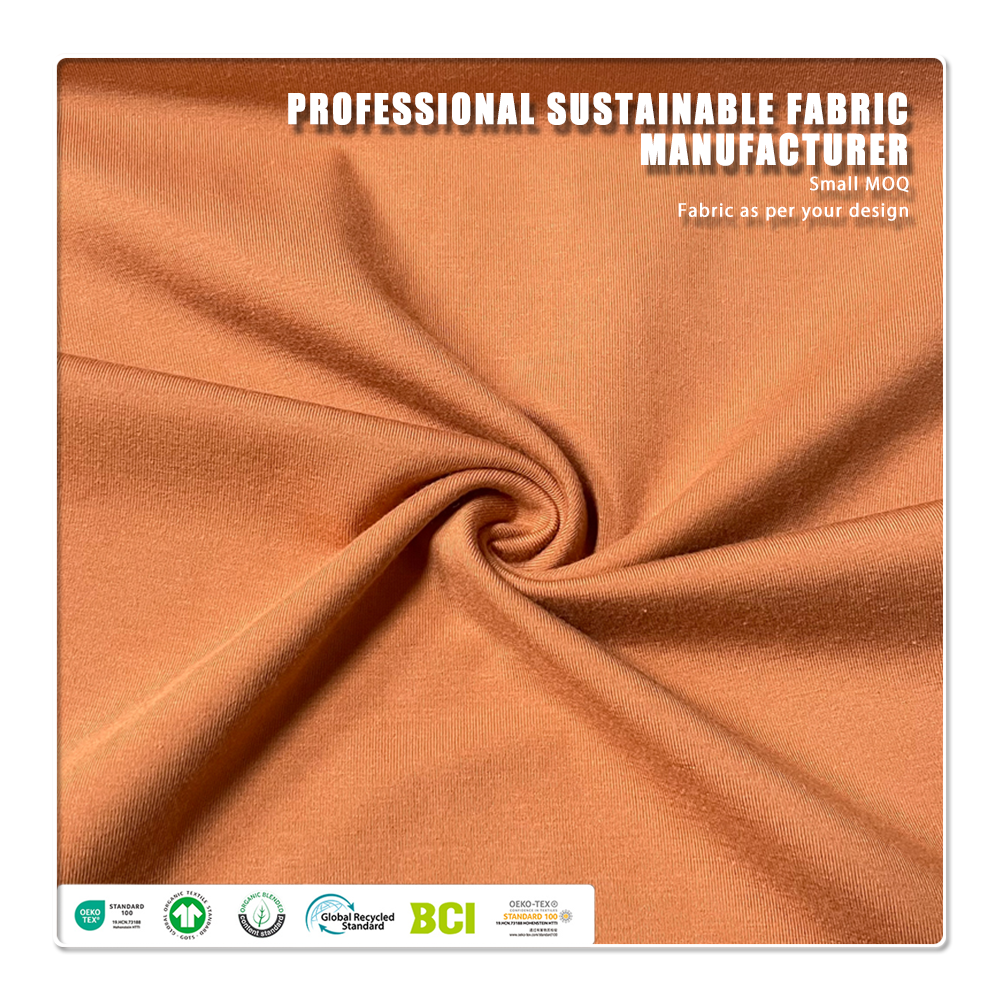
Certifications: Look for certifications such as OEKO-TEX, GOTS (Global Organic Textile Standard), and FSC (Forest Stewardship Council) that indicate the fabric meets specific environmental and social criteria. These certifications ensure that the viscose is produced sustainably and ethically. 

Material Composition: Sustainable viscose should be made from responsibly sourced raw materials. Fabrics derived from renewable resources, such as sustainably managed forests, are preferable. Additionally, check for blends with organic cotton or recycled polyester, which can enhance the fabric's sustainability profile. 

Quality Standards: Assess the quality of the fabric by examining its specifications, including color fastness (ideally level 4-5), shrinkage rates (below 5%), and durability. These factors impact the fabric's performance in various applications and its lifespan. 

Customization Options: Consider whether the manufacturer offers customization capabilities, such as specific colors, patterns, or fabric weights. Customization can help you meet unique market demands. 

Manufacturing Practices: Inquire about the manufacturing processes used, including water and energy consumption, waste management, and chemical usage. Sustainable practices in production not only reduce environmental impact but also enhance the fabric's appeal to eco-conscious consumers. 

Our Blog Posts

Sourcing Bamboo Fabric: From Ancient Groves to Modern Comfort

14

Jul

Sourcing Bamboo Fabric: From Ancient Groves to Modern Comfort

Bamboo. A simple word. Yet, it carries millennia of human ingenuity and a silent revolution in modern textiles. It's not just the stuff of panda diets or serene Asian paintings. Bamboo is a story of survival, adaptability, and enduring utility. From ...
View More
How Tencel Modal Fabric Enhances Softness in Everyday Apparel

29

May

How Tencel Modal Fabric Enhances Softness in Everyday Apparel

Everyday clothing is defined by the comfort it provides during daily wear. A soft feeling against the skin is not just desired but necessity,from dawn to dusk. Say goodbye to scratchy,uncomfortable clothes in your e...
View More
What Apparel Manufacturers Expect from Tencel Modal Fabrics

29

May

What Apparel Manufacturers Expect from Tencel Modal Fabrics

Apparel manufacturers act as the bridge between the fiber producers and the consumer brands. Their expectations are tangible, measurable, and very demanding. For Tencel Modal fabrics, what matters to the manufacturer are its performance characteristi...
View More
What Makes Tencel Modal Suitable for Comfortable Knitwear Production

29

May

What Makes Tencel Modal Suitable for Comfortable Knitwear Production

Comfortable knitwear does not happen by accident. The right fiber, the right manufacturing processes, and an awareness of how fabrics feel against the skin must all come together. For knitwear manufacturers who are serious about c...
View More

Get a Free Quote

Our representative will contact you soon.
Email
Name
Mobile/WhatsApp
Company Name
Message
0/1000

Get a Free Quote

Our representative will contact you soon.
Email
Name
Mobile/WhatsApp
Company Name
Message
0/1000