Key Specifications of 100% Lyocell Fabrics

Get a Free Quote

Our representative will contact you soon.
Email
Name
Mobile/WhatsApp
Company Name
Message
0/1000

100 lyocell

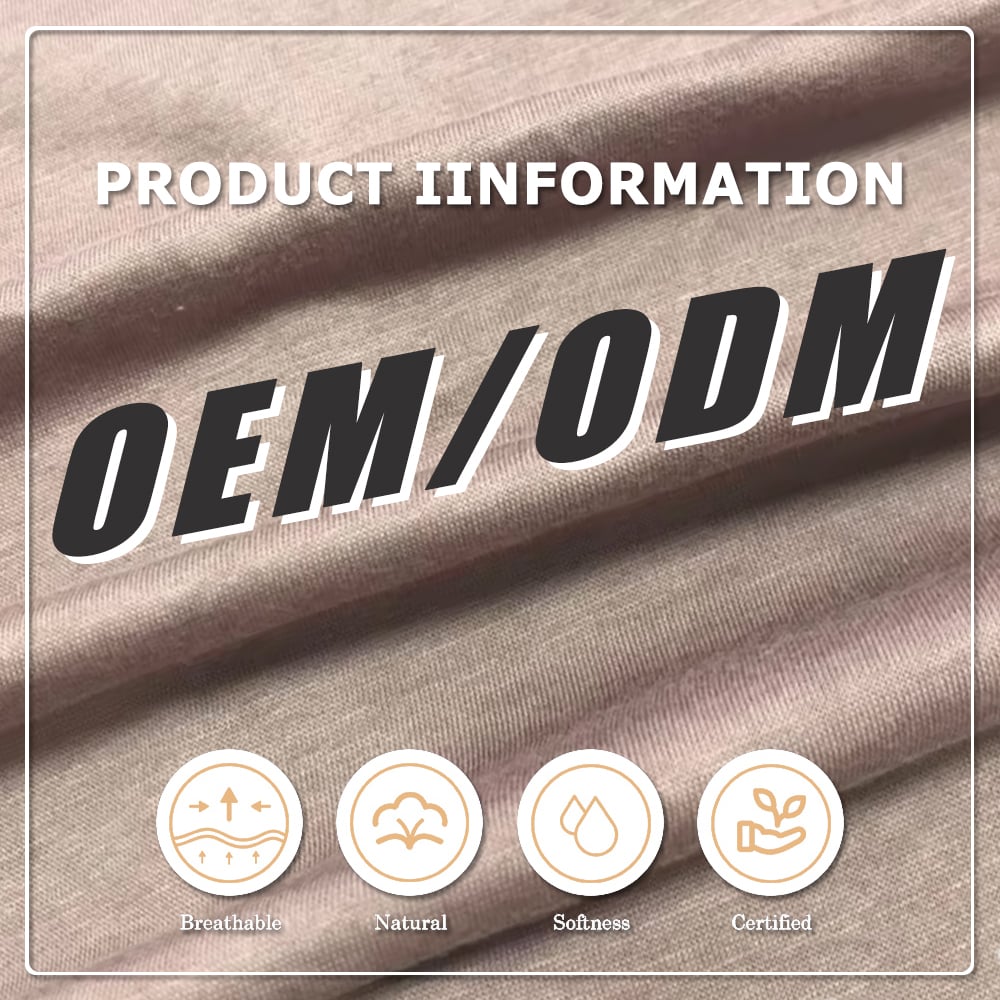
100% lyocell fabrics are gaining attention in the textile industry for their eco-friendly properties and luxurious feel. As a B2B buyer, understanding the specifications, quality evaluation methods, and sourcing options for Ohyeah 100% lyocell is crucial. This article will provide insights into the essential aspects of 100% lyocell fabrics to help you make informed purchasing decisions, ensuring that the products meet both performance and sustainability requirements.

Our Products

How to Evaluate the Quality of 100% Lyocell for Your Projects

Evaluating the quality of Ohyeah 100% lyocell fabrics involves several critical steps: 

Sample Testing: Before committing to a large order, always request samples. Assess the textures, weights, and overall appearance. Testing under actual usage conditions will provide insights into how the fabric performs in real-world applications. 

Quality Control Processes: Engage with suppliers about their quality control measures. A reputable manufacturer will have established protocols to ensure each batch meets the required specifications. Inquire about the testing methods used for color fastness, shrinkage, and fiber integrity. 

Supplier Reputation: Research the supplier’s history and customer reviews. A manufacturer with a solid reputation in the industry, backed by certifications and positive feedback, is more likely to deliver high-quality products. 

By implementing these evaluation methods, you can mitigate risks associated with fabric quality and ensure that the chosen materials align with your project requirements.
Where to Source Reliable Wholesale 100% Lyocell Suppliers

Sourcing 100% lyocell fabrics requires careful consideration of potential suppliers. Here are some avenues to explore: 

Industry Trade Shows: Participating in textile trade shows is an excellent way to meet manufacturers and suppliers. You can directly assess fabric samples, discuss specifications, and establish relationships. 

Online Marketplaces: Platforms such as Alibaba or Global Sources offer a variety of suppliers, but due diligence is essential. Look for suppliers with verified profiles, positive reviews, and a history of exporting to your region. 

Networking within Industry Associations: Joining industry associations or forums can provide valuable contacts and recommendations for reputable suppliers specializing in eco-friendly fabrics. 

Local Manufacturers: If you're interested in minimizing shipping costs and lead times, consider sourcing from local manufacturers. Companies like Shaoxing City Ohyeah Textile Co., Ltd. offer a range of eco-friendly knitted fabrics, including 100% lyocell, and can provide insights into production capabilities and customization options. 

When sourcing suppliers, prioritize those with transparent communication and a commitment to sustainability to ensure a successful partnership.

Choosing the Right 100% Lyocell for Eco-Friendly Applications

Selecting the appropriate 100% lyocell fabric for eco-friendly applications involves understanding specific project needs: 

Intended Use: Consider the end application of the fabric. For garments, a soft, breathable fabric may be preferred, while home textiles might require more durability. 

Environmental Impact: Since lyocell is produced using a closed-loop process, it significantly reduces waste and environmental impact compared to traditional fabrics. Ensure that the supplier employs sustainable practices throughout their production chain. 

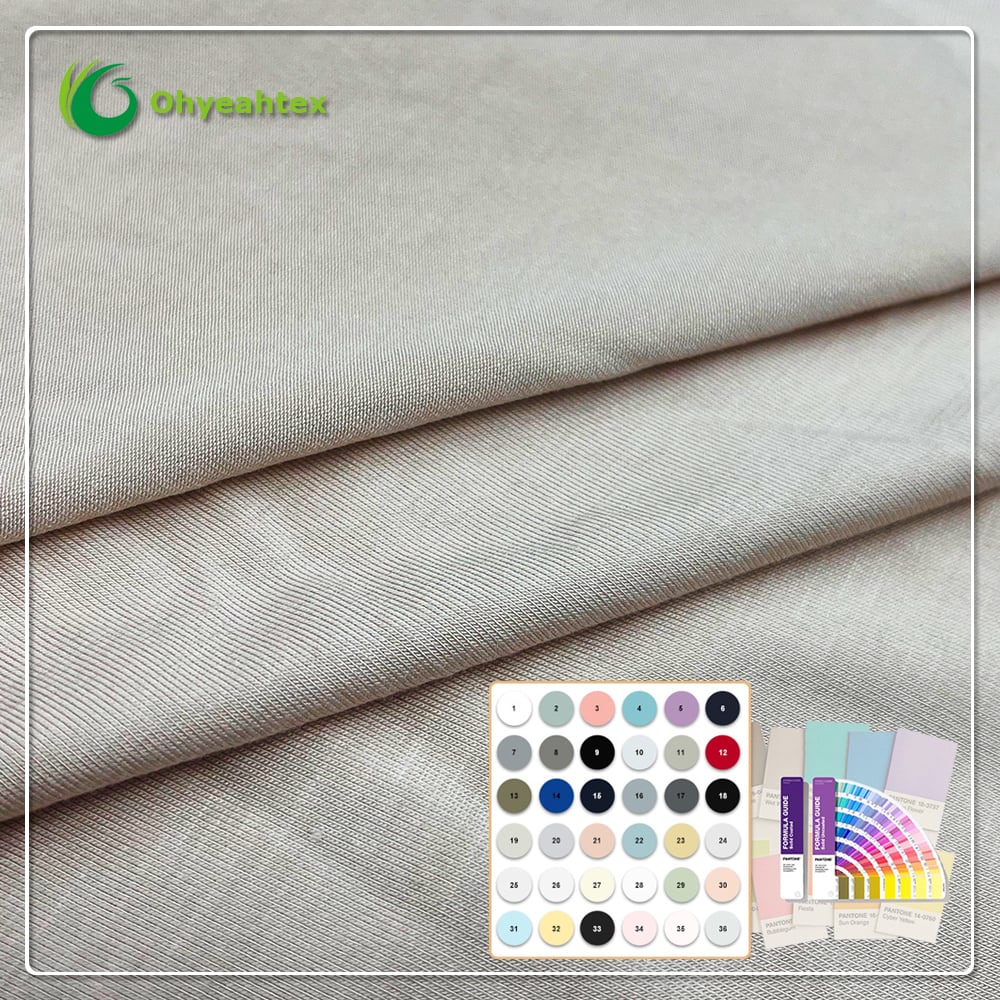
Customization Options: Assess whether the supplier can customize the fabric’s weight, color, or finish to better suit your project requirements. This flexibility can enhance the product's appeal and marketability. 

Compliance with Regulations: Ensure that the lyocell fabric meets any local or international environmental regulations for textile products. This compliance is essential for maintaining brand integrity and consumer trust. 

By carefully evaluating these factors, you can select bamboo lyocell manufacturer that not only meet your functional needs but also align with your sustainability goals.

Comparing 100% Lyocell to Other Eco-Friendly Fabrics

When considering 100% lyocell, it's beneficial to compare it with other eco-friendly fabrics to determine the best option for your needs: 

Bamboo Fabric: Both bamboo and lyocell are derived from sustainable sources, but bamboo fabric is often processed using harsher chemicals. Lyocell, on the other hand, uses a more eco-friendly closed-loop process, making it a more sustainable choice. 

Organic Cotton: While organic cotton is biodegradable and produced without synthetic pesticides, it requires more water for cultivation than lyocell. If water conservation is a priority, lyocell may be the better option. 

Recycled Polyester: Recycled polyester repurposes plastic waste, reducing landfill contributions. However, it does not offer the same breathability and moisture-wicking properties as lyocell, which is crucial for applications in activewear and home textiles. 

Hemp Fabric: Hemp is another sustainable fabric, known for its durability and low environmental impact. However, it can be coarse compared to the soft texture of bamboo lyocell, making it less suitable for certain applications like clothing. 

By understanding the advantages and limitations of each fabric, you can make informed decisions that best suit your project requirements while maintaining a commitment to sustainability.

What Are the Key Specifications of 100% Lyocell Fabrics?

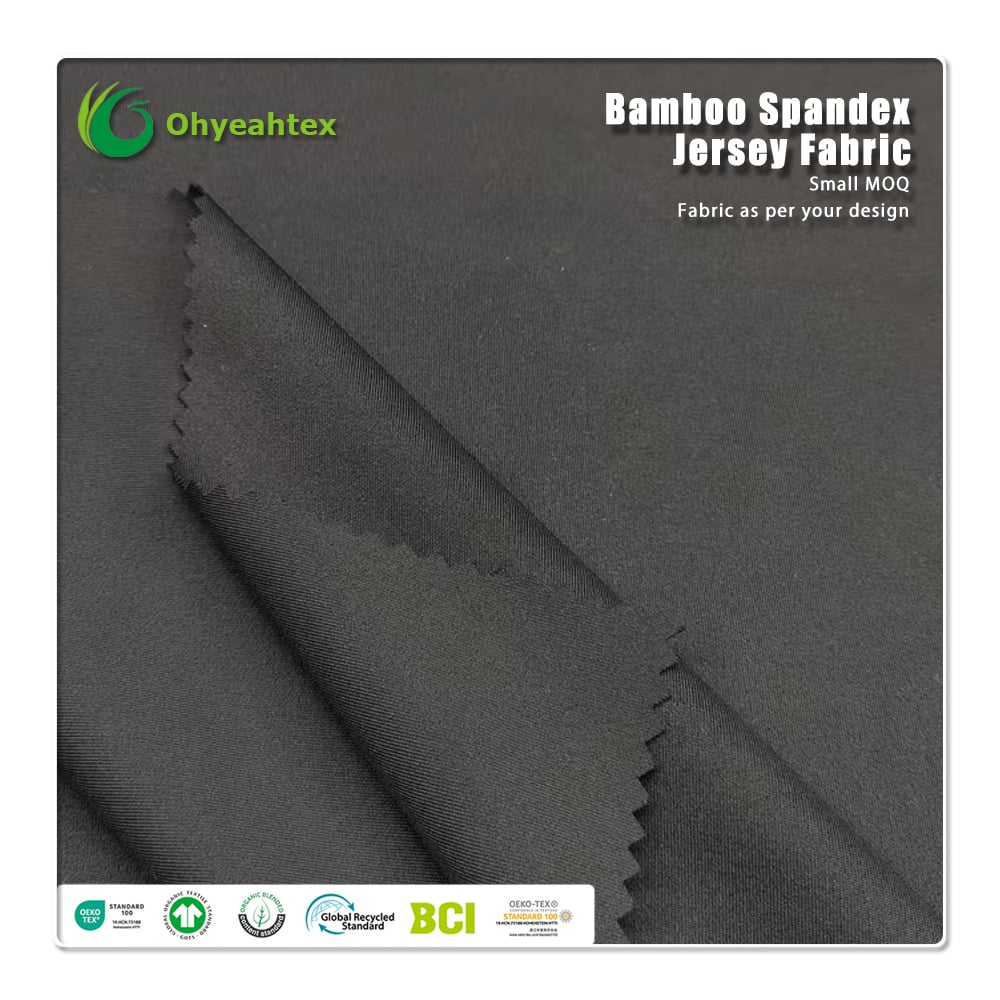
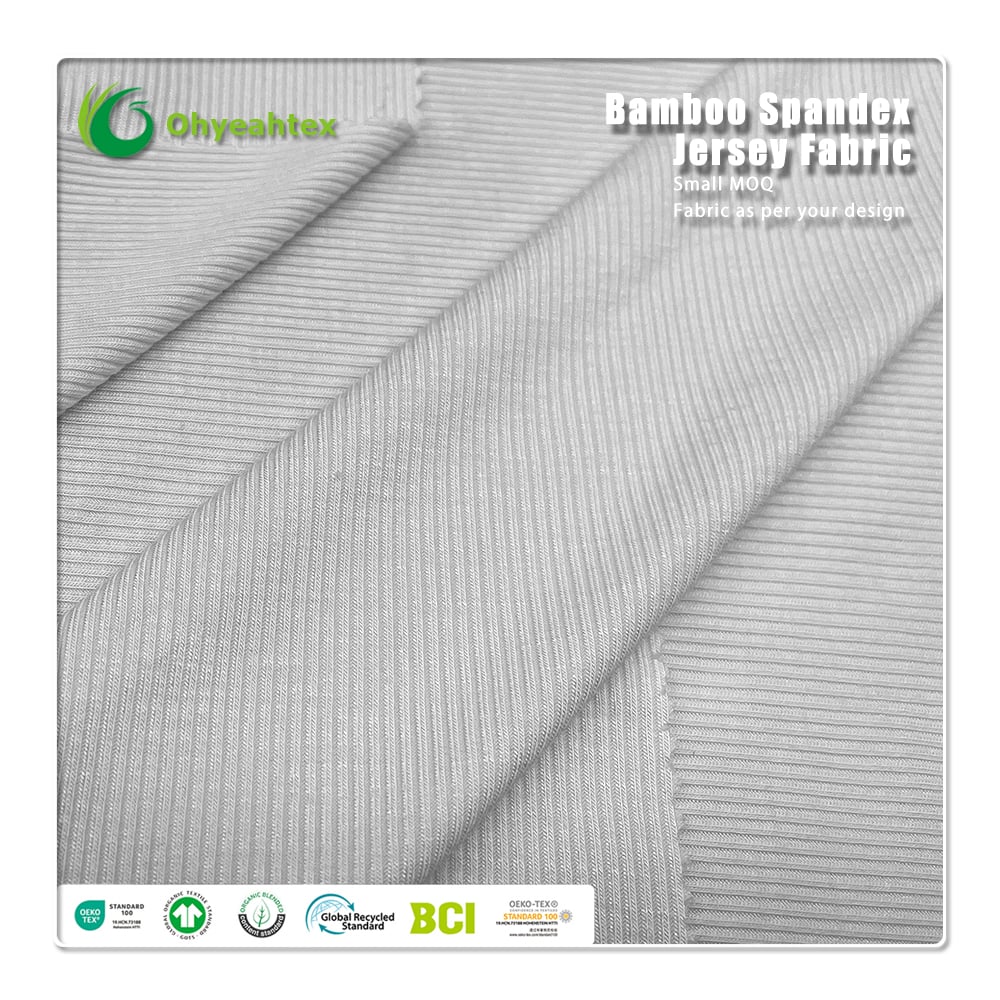
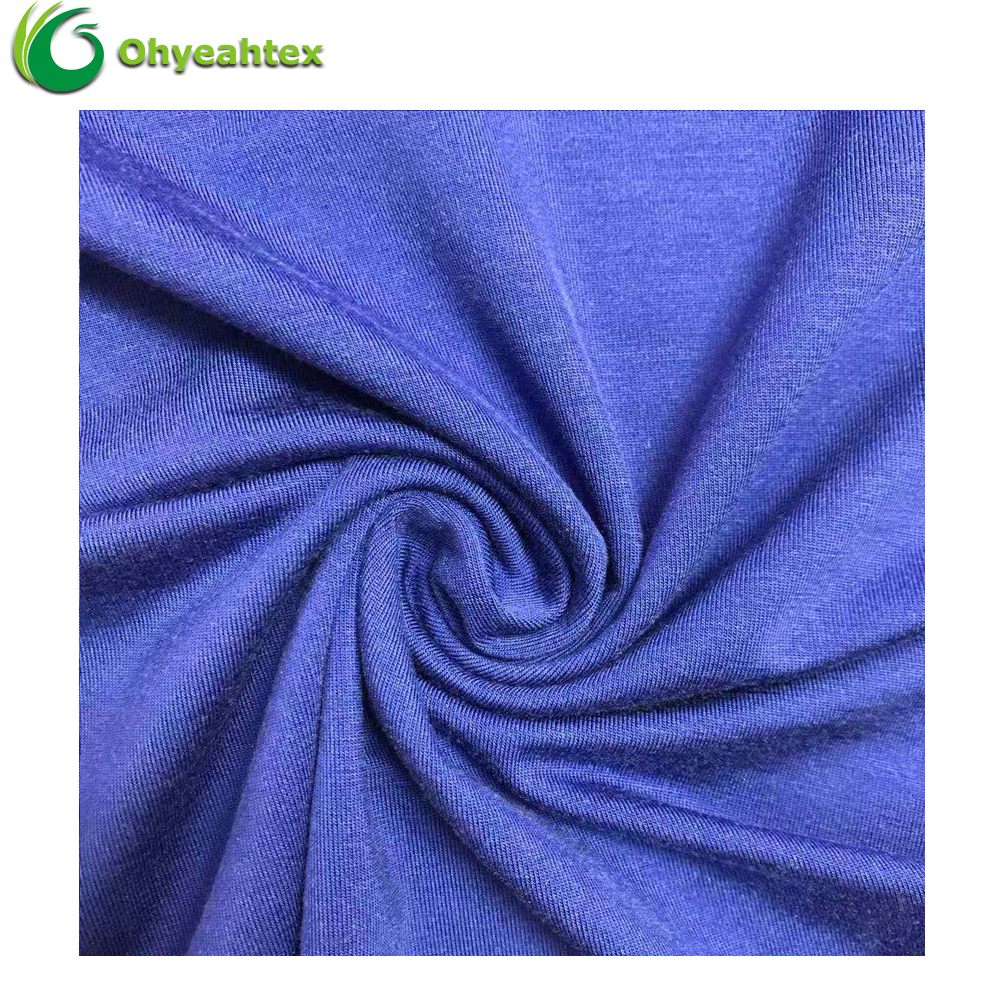
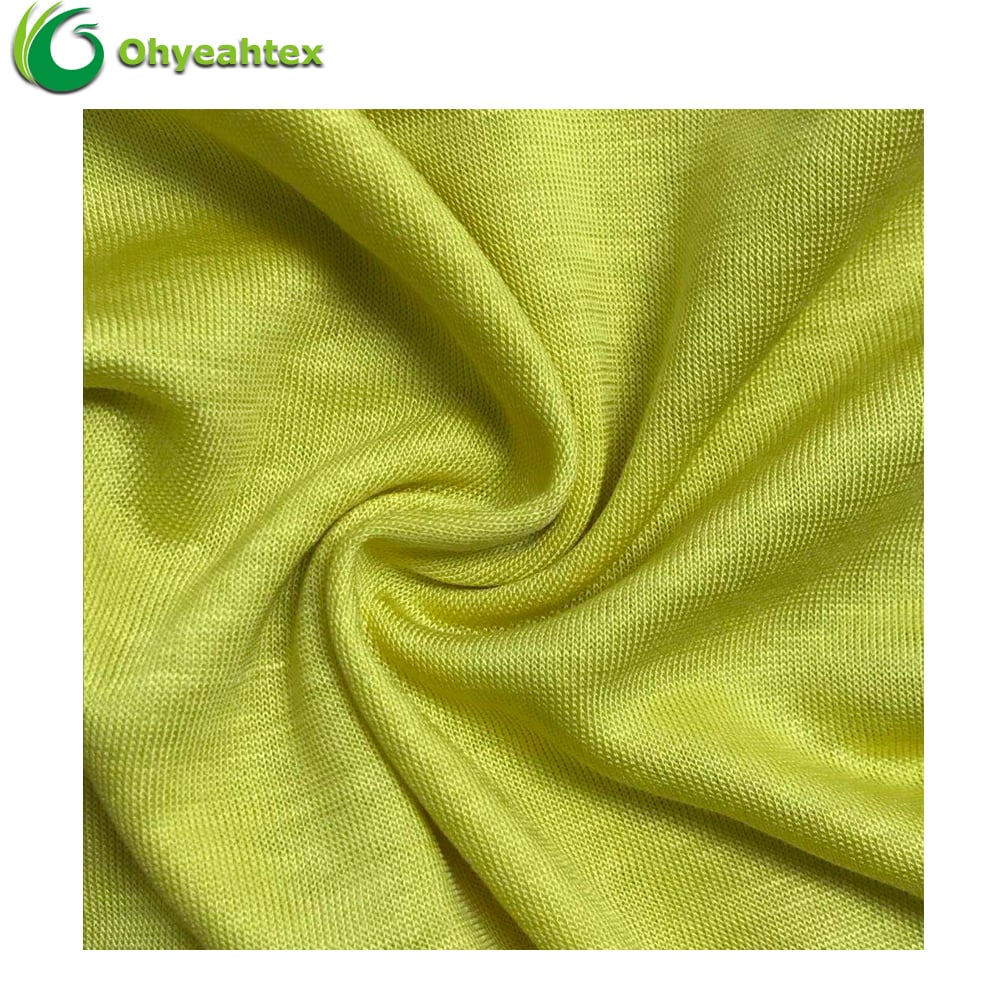
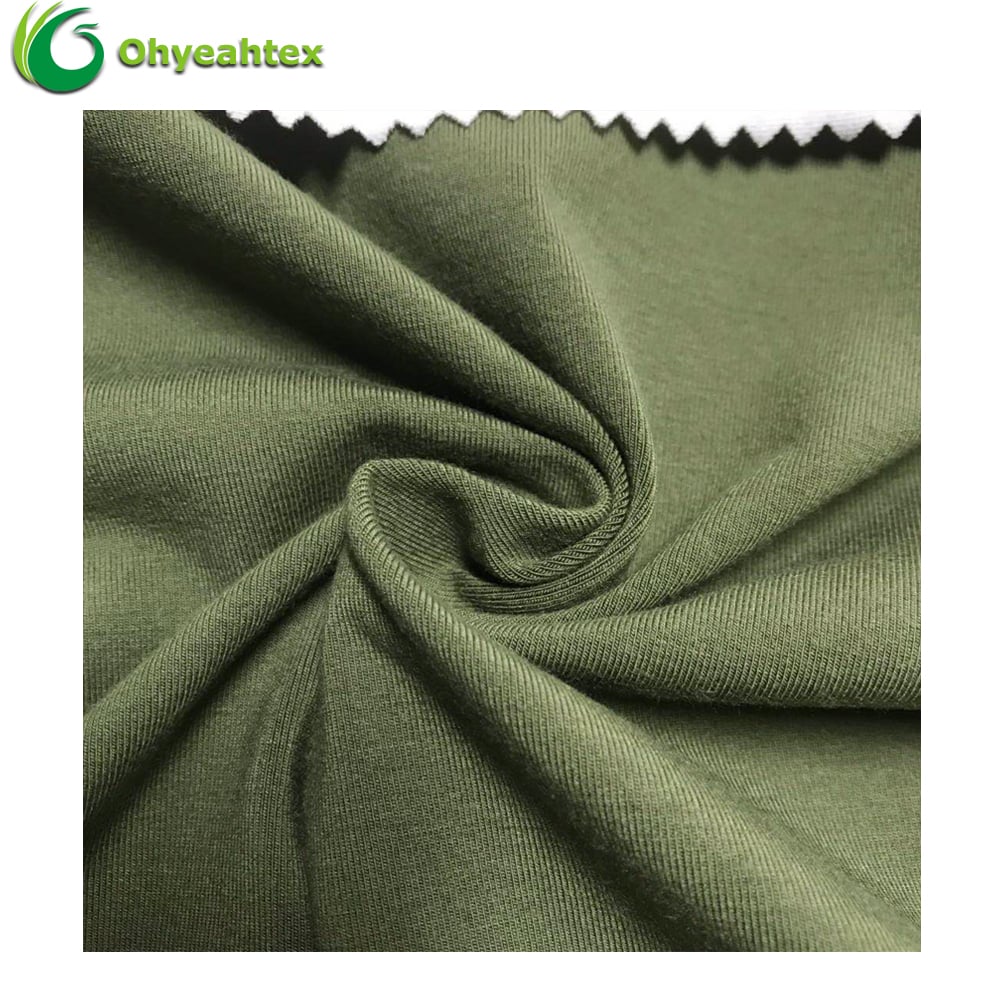
100% lyocell fabrics are made from cellulose fibers derived from wood pulp, typically sourced from sustainable forests. Key specifications to consider include: 

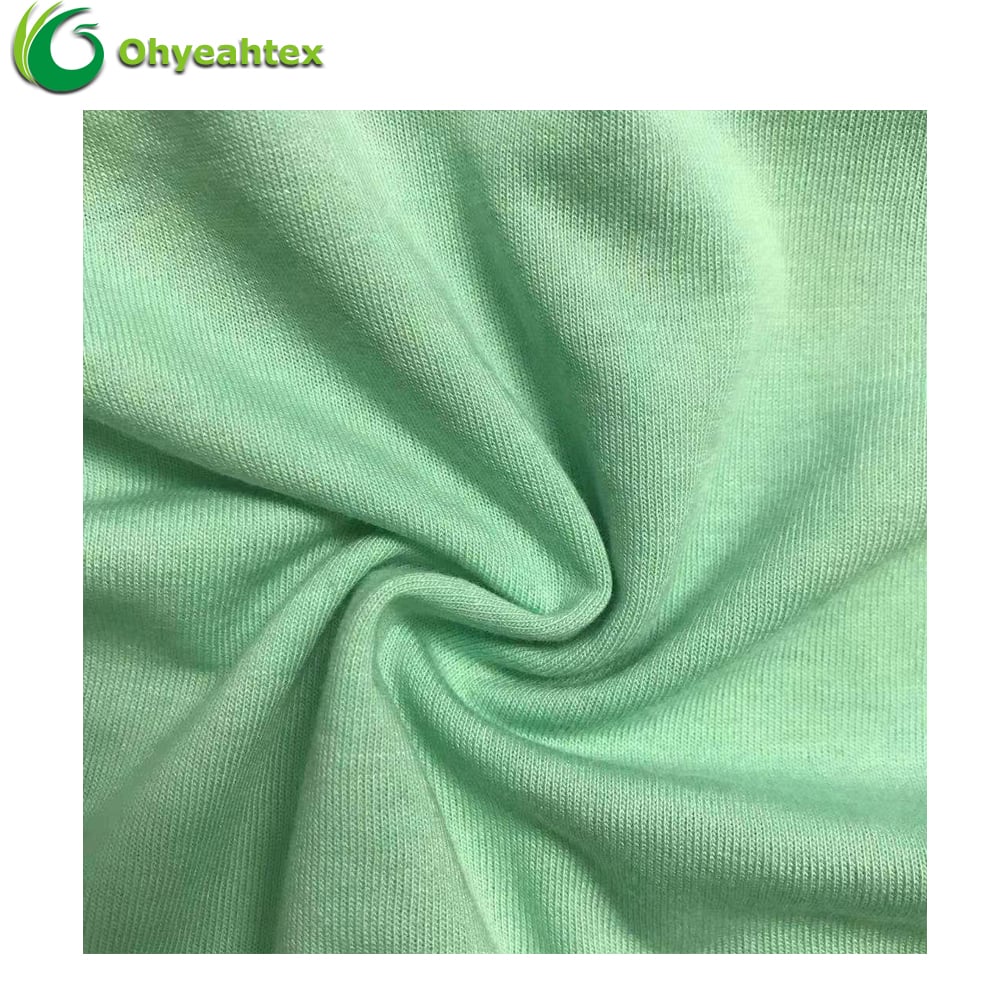
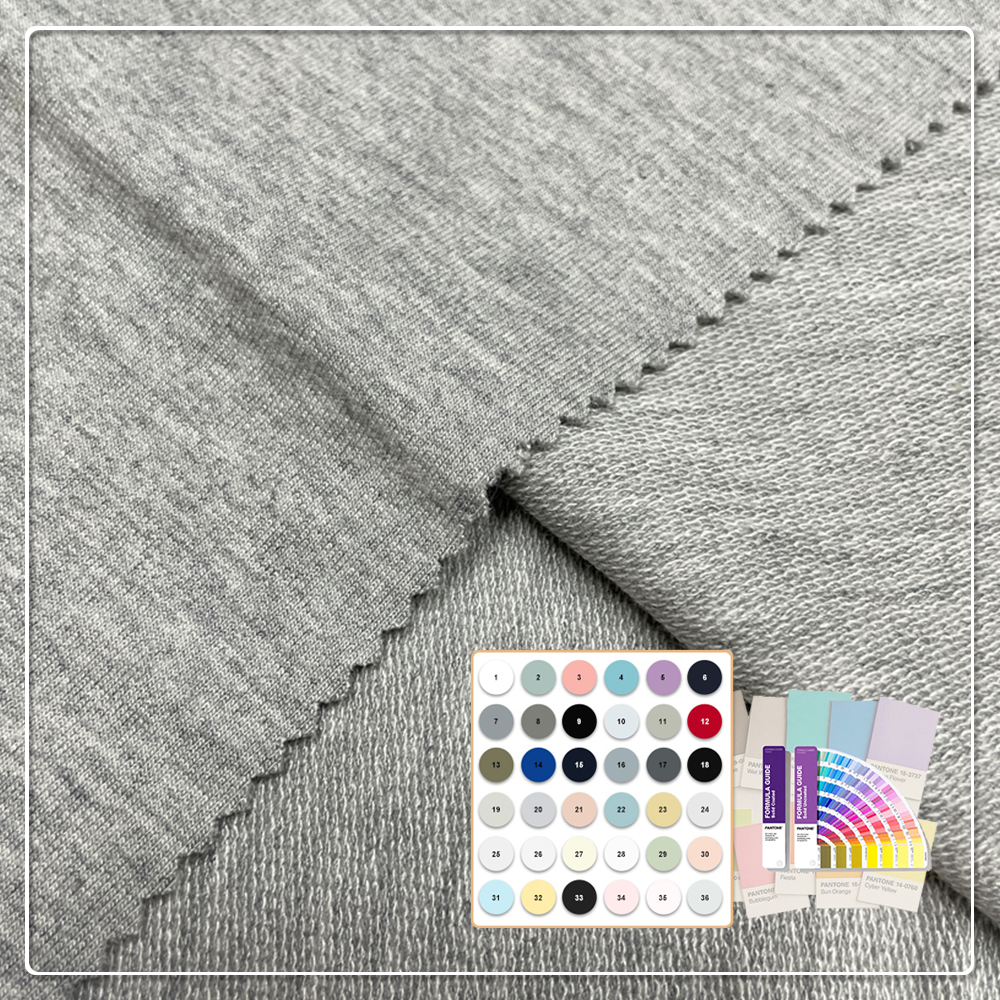
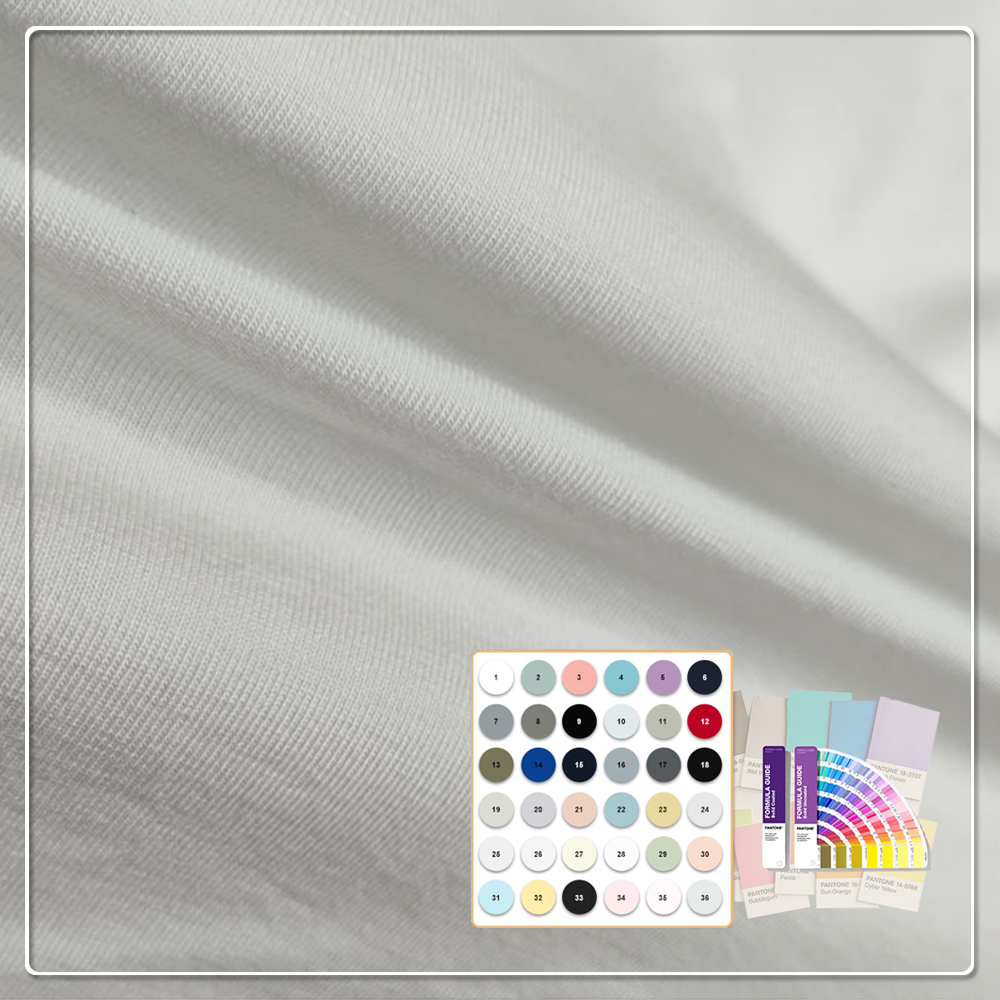
Fiber Structure: Lyocell fibers have a smooth surface that contributes to their softness and comfort. This structure also enhances breathability and moisture-wicking properties, making lyocell suitable for a variety of applications, including apparel and home textiles. 

Weight and Thickness: The weight of lyocell fabrics can vary, typically ranging from lightweight (around 100 g/m²) to heavier options (over 200 g/m²). The appropriate weight depends on the intended use; for example, lightweight fabrics are ideal for summer clothing, while heavier options are suitable for winter garments. 

Color Fastness and Shrinkage: High-quality 100% lyocell fabrics typically feature color fastness ratings between levels 4-5, ensuring durability and resistance to fading. Additionally, the shrinkage should be below 5%, which is crucial for maintaining the integrity of the final product after washing. 

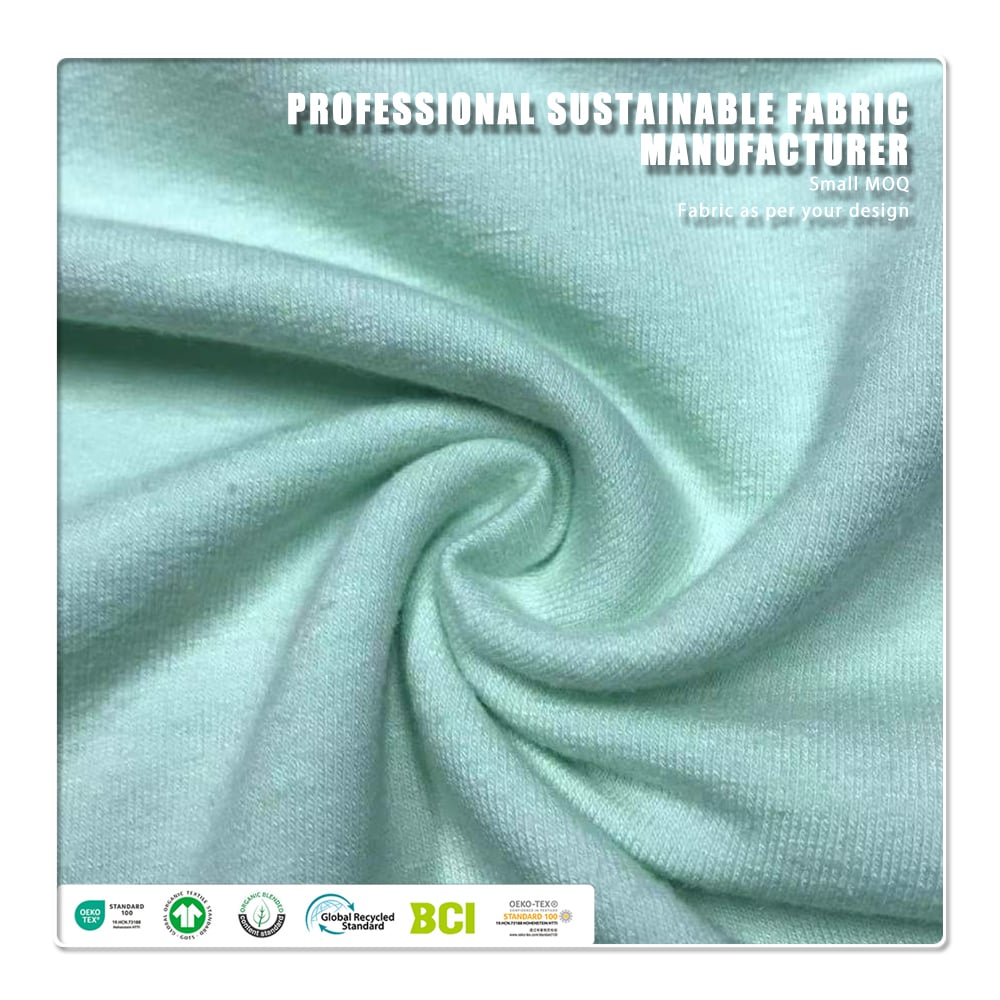
Certifications: Look for certifications such as OEKO-TEX and GOTS, which indicate that the fabric meets environmental and safety standards, enhancing its appeal in eco-conscious markets. 

Understanding these specifications will help buyers select the right bamboo lyocell fabric for their projects, ensuring they meet performance and sustainability standards.

Our Blog Posts

The Ultimate Guide to Bamboo Fabric: Sustainability, Types, and Uses

14

Jul

The Ultimate Guide to Bamboo Fabric: Sustainability, Types, and Uses

The Ultimate Guide to Bamboo Fabric: Sustainability, Types, and Uses Table of Contents What Is Bamboo Fabric? Why Choose Bamboo Fabric? Types of Bamboo Fabric How Bamboo Fabric Is Made Applications of Bamboo Fabric Care Instructions for B...
View More
Sourcing Bamboo Fabric: From Ancient Groves to Modern Comfort

14

Jul

Sourcing Bamboo Fabric: From Ancient Groves to Modern Comfort

Bamboo. A simple word. Yet, it carries millennia of human ingenuity and a silent revolution in modern textiles. It's not just the stuff of panda diets or serene Asian paintings. Bamboo is a story of survival, adaptability, and enduring utility. From ...
View More
How bamboo fabric is made

04

Feb

How bamboo fabric is made

I am aware that bamboo fabric has swept the textile industry with its smooth touch, the technological breathing quality and some amazing eco-factors. In Shaoxing city Ohyeah Textile Co., Ltd. a registered producer of high quality bamboo fabrics we do...
View More
Tencel Lyocell Material Adds More Value to Sustainable Fashion Lines

13

Oct

Tencel Lyocell Material Adds More Value to Sustainable Fashion Lines

While the fashion world is in the midst of a dramatic revolution for sustainable materials, brands are realizing that eco-friendly fabric is more than just environmentally responsible; it’s a means of adding product value, amplifying brand stat...
View More

Get a Free Quote

Our representative will contact you soon.
Email
Name
Mobile/WhatsApp
Company Name
Message
0/1000

Related product categories

Get a Free Quote

Our representative will contact you soon.
Email
Name
Mobile/WhatsApp
Company Name
Message
0/1000