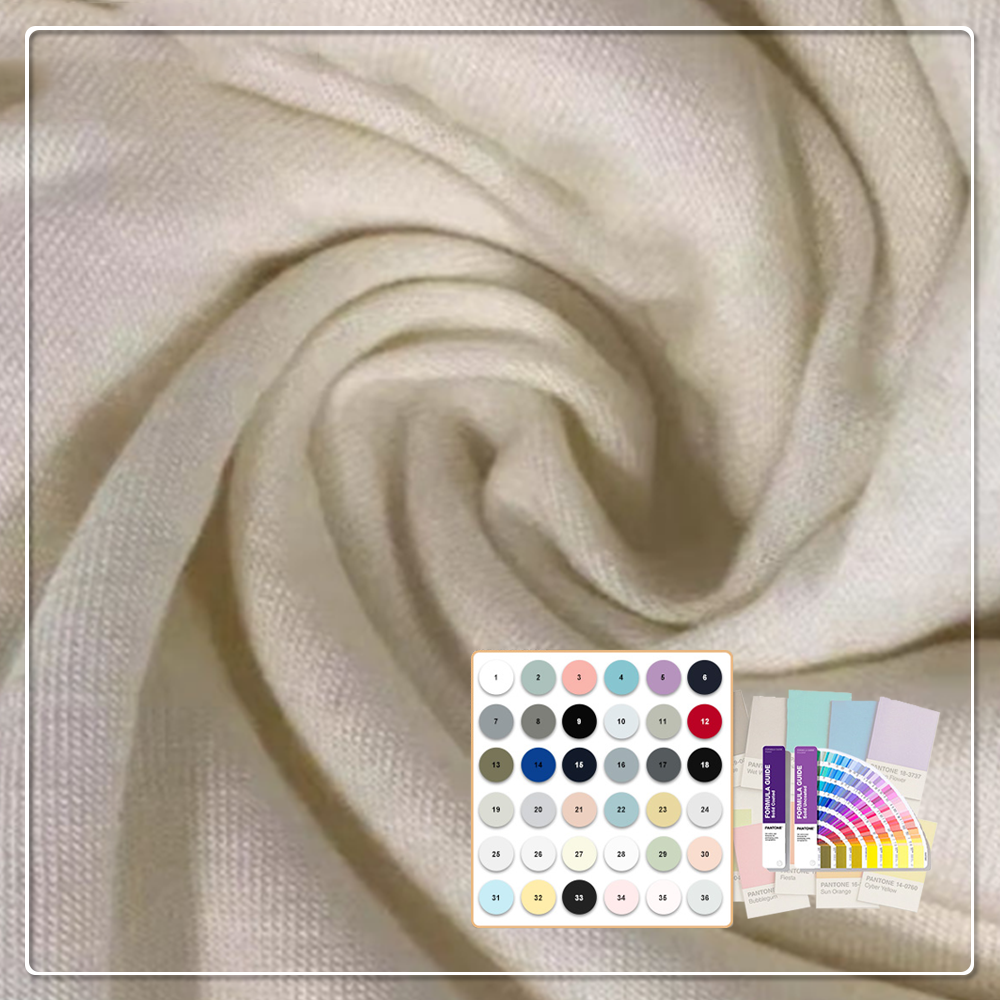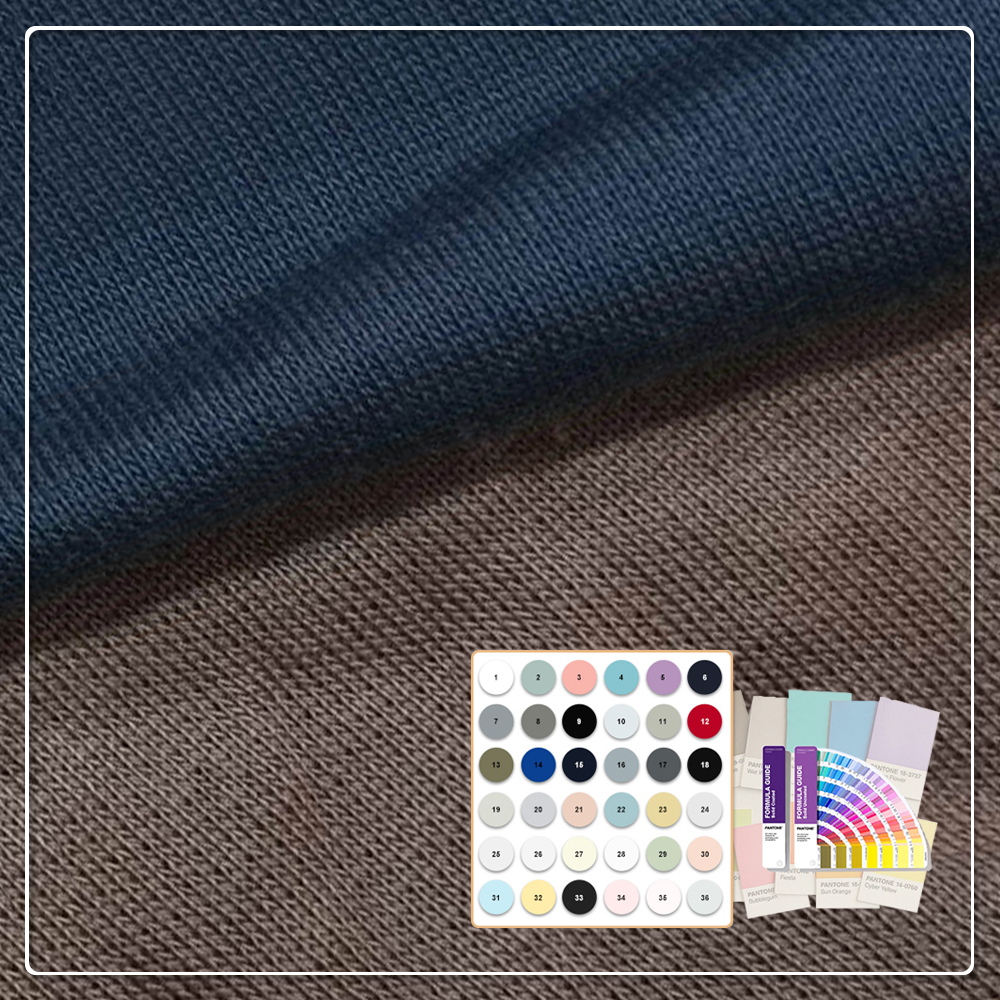
100 Modal Fabrics for Sustainable Solutions

Get a Free Quote

Our representative will contact you soon.
Email
Name
Mobile/WhatsApp
Company Name
Message
0/1000

100 modal

Introducing eco-friendly knitted fabrics is essential for businesses looking to enhance their sustainability practices. At Shaoxing City Ohyeah Textile Co., Ltd., we specialize in innovative and high-quality materials, including bamboo, organic cotton, and recycled polyester. This article will address the main concerns purchasing managers and distributors have when considering bulk orders of our 100 modal fabrics, providing key insights on quality evaluation, specifications, cost factors, installation guidelines, and common challenges faced in bulk orders.

Specifications of Our Eco-Friendly Knitted Fabrics for Distributors

Understanding the specifications of our eco-friendly knitted fabrics is essential for distributors to make informed purchasing decisions. Here are the main specifications to consider:

Material Composition: Our fabrics are made from 100 modal, bamboo, organic cotton, and recycled polyester, providing a luxurious feel while promoting sustainability.

Production Capacity: With over 100 circular knitting machines, we can achieve a monthly output of 200 tons, allowing us to meet large-scale demands efficiently.

Weight and Thickness: Fabric weights typically range from lightweight (150-200 GSM) to heavier options (200-300 GSM), depending on the intended application. Discuss your specific needs to select the right weight for your products.

Finishing Options: We offer various finishing treatments to enhance performance, such as anti-pilling, moisture-wicking, or soft-hand finishes. Customization options are available based on the buyer’s specifications.

Certifications: Our eco-friendly fabrics come with multiple certifications, ensuring compliance with international standards, which adds value and credibility to your offerings.

Cost Factors to Keep in Mind When Purchasing Eco-Friendly Fabrics

When budgeting for eco-friendly fabrics, several cost factors should be considered to ensure a comprehensive understanding of the overall expenditure:

Material Costs: Eco-friendly materials can sometimes be more expensive than conventional materials. However, the long-term benefits, such as durability and consumer demand for sustainable products, can outweigh initial costs.

Order Quantity: The minimum order quantity (MOQ) can significantly impact pricing. Understanding the MOQ for our fabrics will help in planning your inventory and cost management.

Customization Fees: If you require specific finishes or patterns, additional customization fees may apply. Discuss these requirements upfront to avoid unexpected costs.

Shipping and Handling: Consider logistics costs, which can vary based on destination and order size. Efficient shipping methods can help in managing these costs effectively.

Quality Inspection Costs: Allocate budget for quality inspections, especially for bulk orders. Ensuring that the fabrics meet your specifications before shipping can prevent costly returns or production delays.

Installation Guidelines for Eco-Friendly Fabrics in Various Applications

Proper installation of eco-friendly fabrics is critical to ensure their durability and performance in various applications. Here are some general guidelines:

Preparation: Before installation, ensure the fabric is washed according to care instructions, particularly for fabrics that may shrink. Washing ensures that any residual chemicals from the manufacturing process are removed.

Cutting and Handling: Use sharp cutting tools to avoid fraying. Handle the fabric gently to prevent stretching or distortion, especially with delicate materials like modal and organic cotton.

Sewing Techniques: Use appropriate sewing techniques to prevent seam failure. Seams should be reinforced, particularly in high-stress areas, to enhance durability.

Application Suitability: Depending on the end product—whether clothing, upholstery, or other applications—ensure that the installation techniques align with the fabric's intended use. For instance, fabrics intended for activewear may require additional stretch seams.

Final Inspections: After installation, conduct a final inspection to ensure that the fabric is secured correctly with no visible defects. This step is vital to maintaining quality standards.

Common Problems Faced in Bulk Orders of Knitted Fabrics and Solutions

Bulk orders of knitted fabrics can present several challenges that buyers should be aware of:

Inconsistent Quality: Variations in fabric quality can occur if quality control measures aren’t stringent. To mitigate this, establish clear quality standards and request samples before large orders.

Lead Time Delays: Production delays can impact delivery schedules. Maintain open lines of communication with your supplier to get regular updates on production timelines and any potential issues.

Miscommunication on Specifications: Misunderstandings regarding fabric specifications can lead to unsatisfactory orders. Provide clear, detailed specifications when placing orders and request confirmation from the manufacturer.

Shipping Issues: International shipping can pose challenges such as delays and customs complications. Work with a supplier experienced in export markets to navigate these potential issues effectively.

Performance Under Application Conditions: Fabrics may perform differently under specific conditions. Conduct tests under actual operating conditions to ensure that the fabric meets performance requirements for your intended application.

By addressing these common issues proactively, buyers can streamline their purchasing process and enhance their experience when ordering eco-friendly knitted fabrics.

How to Evaluate the Quality of Our Knitted Fabrics for Bulk Orders

When assessing the quality of knitted fabrics, it’s vital to consider specific criteria that can affect both performance and suitability for your application. Key factors include:

Fabric Composition: Ensure that the fabric is made from eco-friendly materials. Our 100 modal fabrics are crafted from sustainable sources, which enhances their appeal in the market. Look for certifications such as OEKO-TEX, GOTS, and GRS to verify sustainability claims.

Color Fastness: The color fastness of level 4-5 indicates that the fabric maintains its color over time, which is crucial for products exposed to sunlight and washing. This is particularly important for brands focused on longevity and maintaining aesthetic appeal.

Shrinkage Rate: Our fabrics have a shrinkage rate below 5%, which is essential for ensuring that the finished product retains its size and shape after washing. Verify this specification to avoid post-production issues.

Quality Control Processes: Inquire about the manufacturer’s quality control measures. At Ohyeah Textile, we implement rigorous testing protocols at various stages of production to ensure consistency and reliability.

Sample Approval: Before committing to bulk orders, requesting samples is crucial. This allows you to evaluate the fabric’s weight, texture, and overall feel, ensuring it meets your product requirements.

Our Blog Posts

The Durability Performance of Tencel Modal in Knit Fabric Production

29

May

The Durability Performance of Tencel Modal in Knit Fabric Production

Durability is fundamental in quality knitwear. A fabric that is beautiful but falls apart after a few washes cannot satisfy today's consumers. Fiber selections with confirmed durability performance are important for knit fabric manufac...
View More
The Natural Softness Advantage of Tencel Lyocell in Knit Fabrics

29

May

The Natural Softness Advantage of Tencel Lyocell in Knit Fabrics

Consumers look for softness in knitwear above all else. Softness builds trust,encourages comfort,and leaves a positive lasting impression. When compared to all the other sustainable fibers available on the market today,none will offer the same amount...
View More
How Tencel Modal Fabric Improves Garment Comfort Without Extra Weight

13

Oct

How Tencel Modal Fabric Improves Garment Comfort Without Extra Weight

With clothes that make you feel good, it was always a compromise, luxuriously soft clothes were bulky and substantial, and light weight clothes had a more “normal” feel about them. Something we have been unable to reconcile for a long tim...
View More
The Premium Touch of Tencel Modal Fabric in Fashion Manufacturing

13

Oct

The Premium Touch of Tencel Modal Fabric in Fashion Manufacturing

As fashion manufacturers compete in crowded and discerning marketplace, fibers we use are directly intertwined with how our customers experience our brands and connect with our products. Tencel Modal fabric, with its plush hand-feel, sustainability f...
View More

Get a Free Quote

Our representative will contact you soon.
Email
Name
Mobile/WhatsApp
Company Name
Message
0/1000

Related product categories

Get a Free Quote

Our representative will contact you soon.
Email
Name
Mobile/WhatsApp
Company Name
Message
0/1000