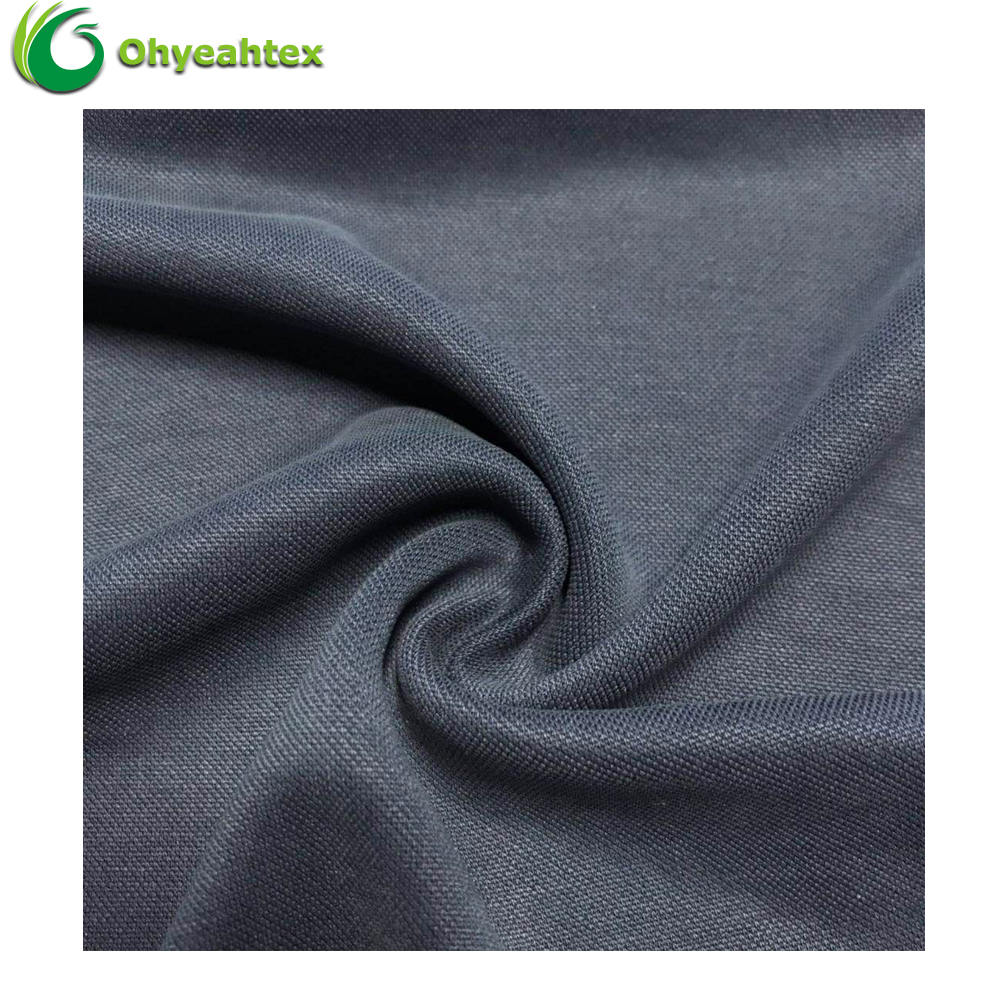
Best Eco-Friendly Pyjama Fabrics for Wholesale Orders

Get a Free Quote

Our representative will contact you soon.
Email
Name
Mobile/WhatsApp
Company Name
Message
0/1000

best pyjama fabric

When selecting the best pyjama fabric for your product line, it’s essential to understand the material options available and their impact on comfort, sustainability, and performance. Eco-friendly fabrics like bamboo, organic cotton, and recycled polyester offer great choices for manufacturers looking to appeal to environmentally conscious consumers. This article will help B2B buyers, purchasing managers, and product developers navigate their options and make informed decisions about sourcing quality pyjama fabrics.

Where to Source Reliable Suppliers of Eco-Friendly Pyjama Fabrics

Finding reliable suppliers for eco-friendly pyjama fabrics involves thorough research and evaluation. Here are steps to guide your sourcing process:

Industry Directories and Trade Shows: Utilize industry directories and attend textile trade shows to connect with manufacturers specializing in eco-friendly fabrics. Events such as the International Textile Fair can provide valuable networking opportunities.

Supplier Background Checks: Verify suppliers’ manufacturing capabilities and certifications. Look for manufacturers like Shaoxing City Ohyeah Textile Co., Ltd., which specializes in eco-friendly knitted fabrics and holds various sustainability certifications. This ensures that they adhere to quality standards and ethical practices.

Requesting Samples: Before finalizing a supplier, request fabric samples to assess quality and performance. Evaluate factors like texture, stretch, and overall appearance.

Production Capacity and Lead Times: Understand the supplier’s production capacity to ensure they can meet your order quantities without significant delays. Discuss lead times to align with your product launch schedules.

By sourcing from reputable suppliers, you can ensure a steady supply of high-quality pyjama fabrics that meet your business needs.
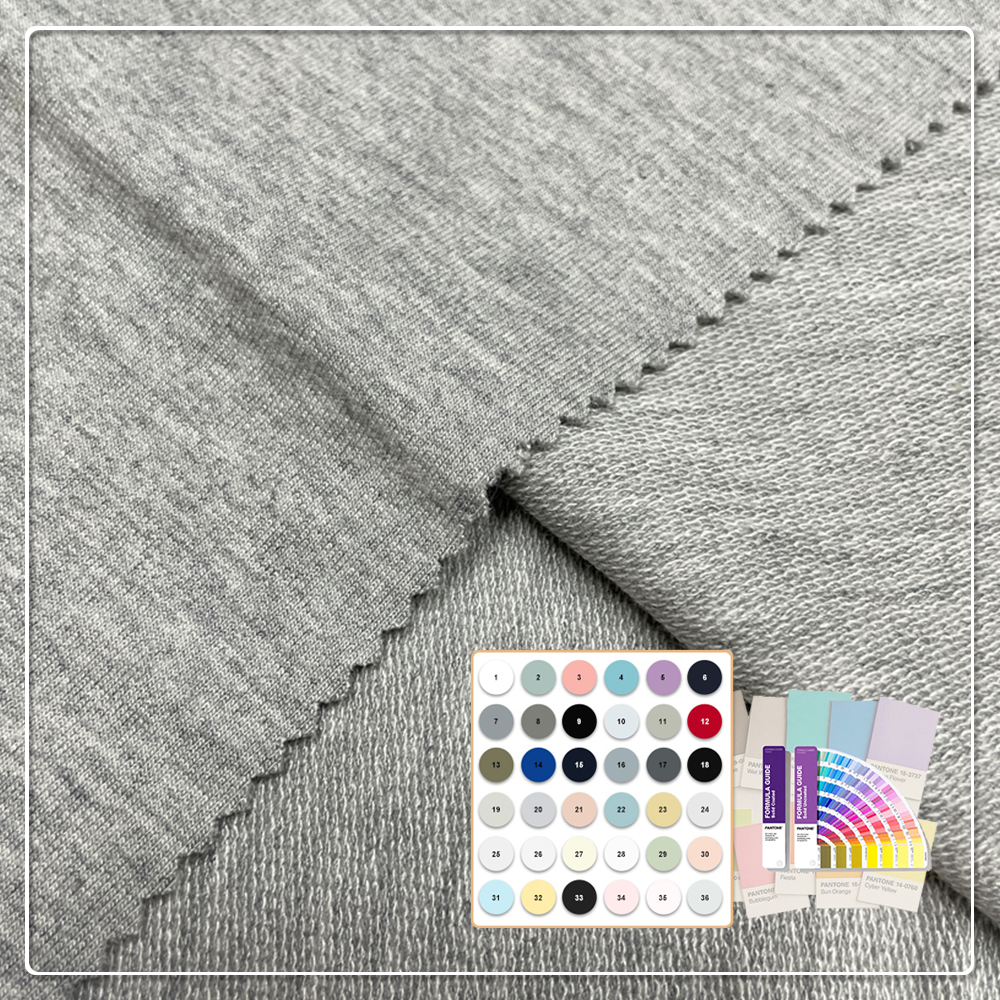
Common Installation Issues with Pyjama Fabrics and Their Solutions

While pyjama fabrics are typically straightforward to work with, manufacturers may encounter common installation issues. Here are some potential problems and solutions:

Seam Puckering: This can occur if the fabric is not properly tensioned during sewing. To prevent this, ensure that your sewing machines are correctly calibrated and use appropriate needle sizes for the fabric type.

Fabric Fraying: Some eco-friendly fabrics may fray more than others. To mitigate this, consider using overlock stitching or applying a fabric sealant on the edges before sewing.

Inconsistent Color Matching: When using dyed fabrics, there may be variations in color between batches. Always request a lab dip approval before mass production to ensure color consistency across your pyjama lines.

Performance Issues Post-Wash: Fabrics that shrink or lose their shape after washing can lead to customer dissatisfaction. Selecting high-quality fabrics with a shrinkage rate below 5% and conducting pre-production wash tests can help avoid this issue.

By addressing these installation challenges proactively, you can enhance the overall quality of your pyjama products and ensure customer satisfaction.

Exploring the Best Applications for Eco-Friendly Pyjama Fabrics

Eco-friendly pyjama fabrics are versatile and suitable for various applications. Here are some of the best uses:

Sleepwear Collections: Eco-friendly fabrics like bamboo and Bamboo Viscose/Bamboo Lyocell Fabric are ideal for sleepwear due to their softness and breathability. These materials provide comfort, making them perfect for nightwear.

Loungewear: Beyond traditional pyjamas, these fabrics can be used for loungewear collections. Their stylish appeal and comfort make them suitable for both sleep and relaxation wear.

Children’s Wear: Sustainable fabrics are increasingly sought after in children’s clothing lines, where comfort and safety are paramount. Certifications like GOTS ensure that the materials are safe for children.

Seasonal Collections: Different fabric weights can be used for seasonal lines—lighter weights for summer collections and heavier fabrics for winter. This versatility allows brands to cater to diverse consumer needs throughout the year.

By exploring these applications, manufacturers can tap into various market segments and enhance their product offerings.

What to Look for in Supplier Certifications for Pyjama Fabrics

When evaluating suppliers for pyjama fabrics, it’s essential to examine their certifications closely. Here are key certifications to consider:

OEKO-TEX Certification: This indicates that the fabric has been tested for harmful substances and is safe for human use. It’s a valuable certification for brands focused on consumer health.

Global Organic Textile Standard (GOTS): GOTS certification guarantees that organic fibers are sourced from certified organic farms and that the entire supply chain adheres to strict environmental and social criteria.

Organic Content Standard (OCS): This certification verifies the organic content of the fabric, ensuring that a specific percentage of the material is derived from organic sources.

Global Recycled Standard (GRS): If your pyjama line includes recycled materials, GRS certification ensures that the fabric meets rigorous environmental and social criteria throughout its production process.

By confirming these certifications, buyers can ensure that their chosen fabric suppliers align with their sustainability goals and quality standards, fostering trust and credibility in their product offerings.

With this knowledge, B2B buyers can confidently navigate the complexities of selecting, sourcing, and manufacturing eco-friendly pyjama fabrics that meet both their business needs and consumer expectations.

How to Choose the Best Pyjama Fabric for Wholesale Orders

Selecting the best pyjama fabric for wholesale orders involves balancing comfort, sustainability, and durability. Key considerations include:

Material Properties: Fabrics made from bamboo and Tencel Modal are breathable and soft, providing a luxurious feel against the skin. Recycled polyester, while slightly less soft, offers durability and moisture-wicking properties. Understanding these characteristics can influence your choice based on the target market needs.

Shrinkage and Color Fastness: For pyjama fabrics, look for those with a shrinkage rate below 5% and color fastness of level 4-5. These specifications ensure that the fabric maintains its shape and color after repeated washes, a critical factor for customer satisfaction.

Sustainability Certifications: Ensure that the fabric is certified under standards like OEKO-TEX, GOTS, or OCS. These certifications confirm that the materials used are free from harmful chemicals and produced in an environmentally friendly way, which is increasingly important to consumers.

Customization Options: Discuss customization capabilities with your supplier. Options such as fabric weight, weave, and finishing treatments can greatly affect the final product’s appeal.

By considering these factors, you can effectively select pyjama fabrics that not only meet your quality standards but also align with your brand’s values.

Our Blog Posts

How bamboo fabric is made

04

Feb

How bamboo fabric is made

I am aware that bamboo fabric has swept the textile industry with its smooth touch, the technological breathing quality and some amazing eco-factors. In Shaoxing city Ohyeah Textile Co., Ltd. a registered producer of high quality bamboo fabrics we do...
View More
How to print on bamboo fabric

04

Feb

How to print on bamboo fabric

I am aware that the bamboo fabric is fast gaining popularity in the fashion as well as the home textile business and it has earned an incredible softness, natural sheen and excellent environmental attributes. Shaoxing City Ohyeah Textile Co., Ltd. ha...
View More
Why Tencel Modal Is Popular Among Premium Clothing Brands

29

May

Why Tencel Modal Is Popular Among Premium Clothing Brands

The secret to many premium brands lies in offering something truly exceptional. From an exquisite hand feel to an incredible drape or an environmentally responsible story to tell, every nuance matters. Tencel Modal has long been a favored fiber among...
View More
Why Modal Tencel Material Is Popular Among Textile Wholesalers

13

Oct

Why Modal Tencel Material Is Popular Among Textile Wholesalers

When we engage in wholesale of textiles in a dynamic and demanding environment like the one we live in, the supply is of key relevance. We need products that satisfy, more than anything else, fundamental elements, quality, price and demand on the mar...
View More

Get a Free Quote

Our representative will contact you soon.
Email
Name
Mobile/WhatsApp
Company Name
Message
0/1000

Related product categories

Get a Free Quote

Our representative will contact you soon.
Email
Name
Mobile/WhatsApp
Company Name
Message
0/1000