Choosing Eco-Friendly Fabric for Wholesale Needs

Get a Free Quote

Our representative will contact you soon.
Email
Name
Mobile/WhatsApp
Company Name
Message
0/1000

Earth friendly fabric

Earth friendly fabric has become increasingly important in the textile industry, particularly for businesses seeking sustainable options. For B2B buyers, such as purchasing managers and product developers, the priority often lies in finding high-quality, eco-friendly fabrics that meet specific application and performance standards. This article will guide you through essential considerations for selecting earth friendly fabric for wholesale needs, key specifications to evaluate, reliable suppliers to partner with, installation guidance, and the benefits of various materials.

Our Products

Key Specifications of Eco-Friendly Fabrics for Bulk Orders

When placing bulk orders for earth friendly fabric, understanding the key specifications is crucial. Here are some essential specifications to analyze

Color Fastness: This refers to a fabric's ability to retain its color when exposed to various conditions such as washing, light, and sweat. Fabrics with a color fastness rating of level 4-5, like those produced by Shaoxing City Ohyeah Textile Co., Ltd., are ideal for high-performance applications

Shrinkage Rate: A shrinkage rate of under 5% is generally acceptable for most applications. Fabrics that shrink excessively can lead to issues in fit and overall product quality, making this specification crucial in your evaluation process

Weight and Thickness: Depending on the end-use, the weight and thickness of the fabric can significantly impact its performance. For instance, lightweight fabrics may be preferable for summer clothing, while heavier, more durable fabrics might be required for outdoor gear

Durability: Assess the overall durability of the fabric, including its resistance to wear and tear. Fabrics made from recycled materials can often provide excellent durability while supporting sustainability goals

Breathability and Moisture Management: For applications involving physical activity, consider the fabric's Breathability and moisture-wicking capabilities. These factors enhance comfort and performance, especially in Activewear
Where to Find Reliable Suppliers of Earth Friendly Fabric

Finding reliable suppliers for earth friendly organic cotton fabric for sale can be challenging, but focusing on certain criteria can streamline the process

Industry Reputation: Research potential suppliers' reputations within the industry. Look for testimonials, case studies, and reviews to gauge their reliability and quality

Certifications and Compliance: Verify that the suppliers hold necessary certifications that align with your sustainability goals. This not only reflects their commitment to eco-friendly practices but also assures you of the quality of their products

Production Capacity: Consider the supplier's production capabilities, especially if you anticipate needing large quantities of fabric. Suppliers like Shaoxing City Ohyeah Textile Co., Ltd. boast over 100 circular knitting machines and a monthly output of 200 tons, ensuring they can meet your demands

Customer Support: Evaluate the responsiveness and support offered by potential suppliers. Effective communication can greatly enhance the purchasing experience and ensure that your needs are met in a timely manner

Sample Approval: Before committing to a bulk order, always request samples to check for quality, color accuracy, and texture. This step can prevent costly mistakes and ensure that the final product aligns with your specifications

Installation Guidance for Eco-Friendly Fabric Products

Proper installation of eco-friendly fabric products is essential to ensure their performance and longevity. Here are some practical tips

Pre-Washing: Before installation, it is advisable to pre-wash the fabric to eliminate any residual chemicals from the manufacturing process. This will also help prevent any potential shrinkage post-installation

Handling and Cutting: When handling eco-friendly fabrics, use sharp scissors or rotary cutters to ensure clean cuts, which will prevent fraying and maintain the integrity of the fabric edges. Additionally, always cut the fabric in a single layer to avoid slipping

Sewing Techniques: Depending on the fabric type, you may need to adjust your sewing techniques. For example, when working with stretchy bamboo fabrics, using a Serger can create stronger seams, while lightweight organic cotton may require a straight stitch

Finished Edges: Consider finishing the edges of the fabric to avoid fraying over time. Techniques such as zigzag stitching or using bias tape can enhance durability

Care Instructions: Provide clear care instructions to your customers to ensure the longevity of the fabric products. This should include washing temperatures, drying methods, and any specific cleaning agents to avoid

Material Benefits and Options

When selecting earth friendly fabric, the material choice plays a pivotal role in both sustainability and functionality. Here are some popular options and their benefits

Bamboo Fabric: Known for its softness and moisture-wicking properties, bamboo fabric is an excellent choice for Activewear and undergarments. It is naturally antibacterial and biodegradable, making it a top eco-friendly option

Organic Cotton: Grown without synthetic pesticides or fertilizers, organic cotton is gentler on the environment and often softer on the skin. It is versatile and can be used across various applications, including clothing, home textiles, and more

Recycled Polyester: Made from post-consumer plastic bottles, recycled polyester helps reduce waste and conserve resources. It offers high durability and moisture-wicking properties, making it suitable for sportswear and outdoor applications

Tencel (Lyocell): Derived from sustainable wood sources, Tencel is known for its luxurious feel and Breathability. It is biodegradable and produced in a closed-loop process, minimizing environmental impact

Hemp Fabric: Hemp is incredibly durable and requires minimal water and pesticides to grow. Its natural strength and UV resistance make it an excellent choice for outdoor applications and textiles intended for long-term use

By understanding the diverse range of earth friendly organic cotton fabric price and their respective benefits, you can make informed decisions that align with your sustainability goals while ensuring high-quality products for your customers

How to Choose Earth Friendly Fabric for Your Wholesale Needs

When selecting earth-friendly organic fabrics for clothing, consider the specific applications you have in mind. Are you manufacturing garments, home textiles, or industrial products? Each application may require different fabric properties such as strength, elasticity, or moisture-wicking capabilities. Here are some key considerations

Material Composition: Opt for fabrics made from organic cotton, bamboo, or recycled polyester. These materials not only reduce environmental impact but also offer unique properties. For example, bamboo fabric is naturally moisture-wicking and antibacterial, making it ideal for Activewear

Certifications: Look for suppliers that have relevant certifications, such as OEKO-TEX, GOTS, OCS, and GRS. These certifications ensure that the fabrics meet strict environmental and social standards, giving you confidence in their sustainability

Quality Control: Evaluate the supplier's quality control processes. A reliable supplier, like Shaoxing City Ohyeah Textile Co., Ltd., will have a dedicated quality control team to ensure that every batch of fabric meets your specifications regarding color fastness, shrinkage, and overall durability

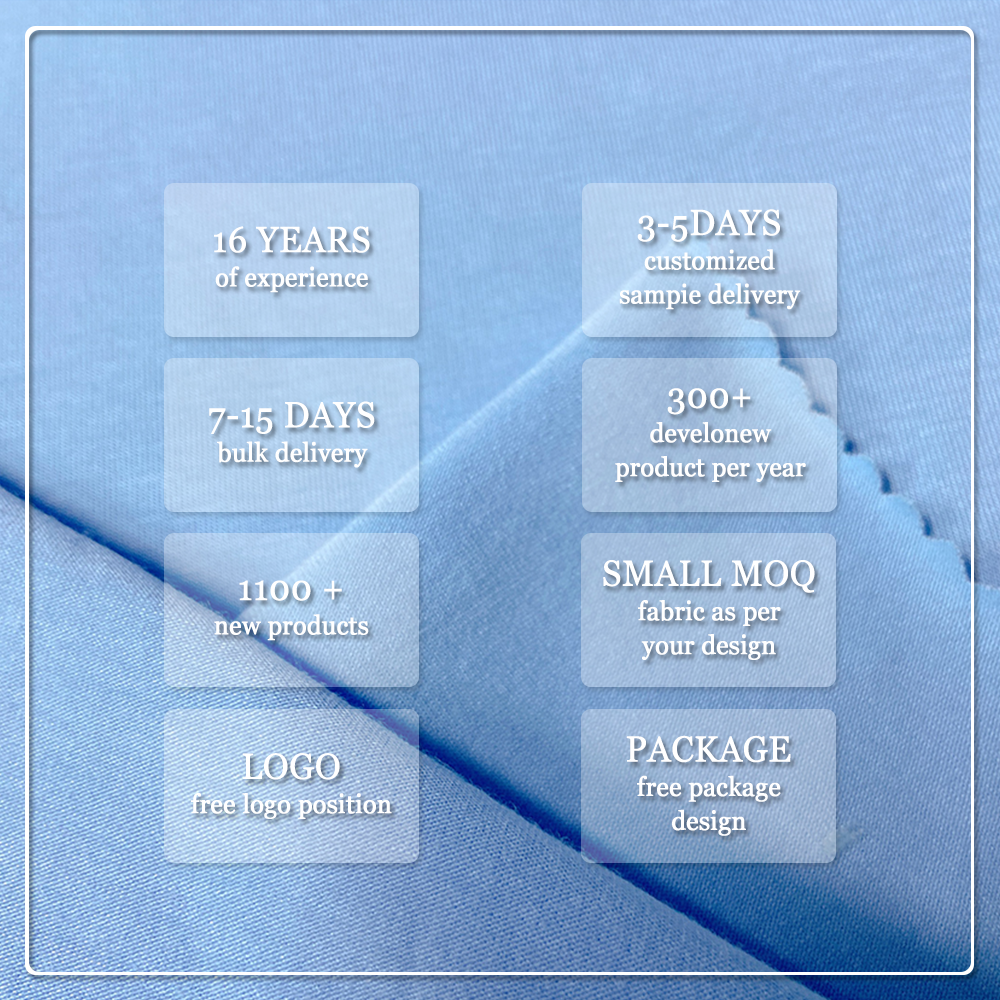
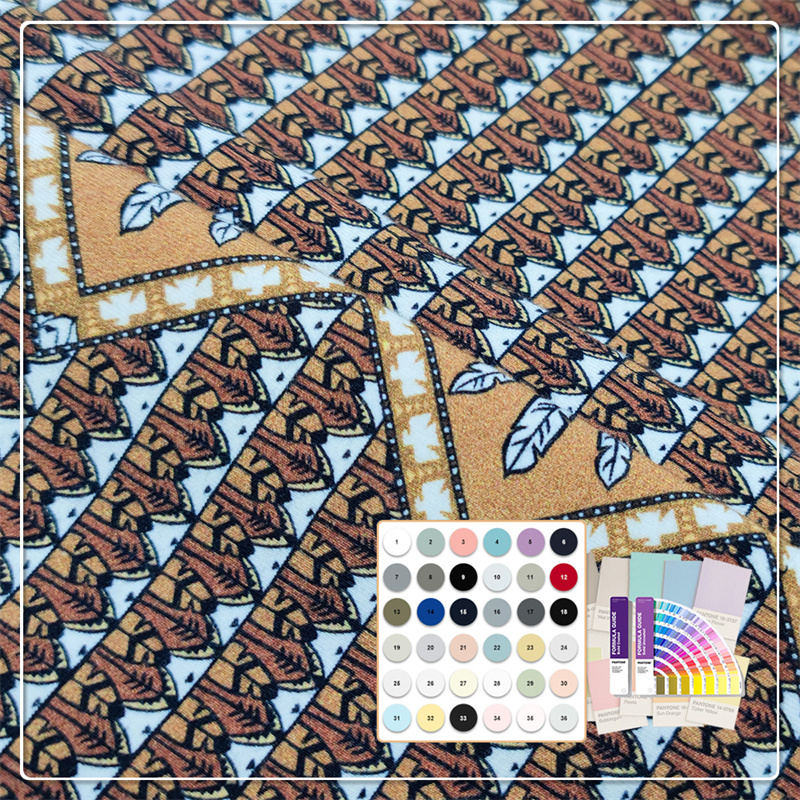
Customization Options: Depending on your brand's needs, you may require custom colors, prints, or fabric blends. Discussing these options with your supplier upfront can save time and ensure that the final product meets your expectations

Minimum Order Quantity (MOQ): Be aware of the supplier's MOQ as it can greatly affect your purchasing decisions. Ensure that the MOQ aligns with your production plans to avoid unnecessary surplus

Our Blog Posts

How is Bamboo Made Into Fabric

14

Oct

How is Bamboo Made Into Fabric

Making the Ultra Soft Fabric from BambooBamboo fabric is a widely used material in the textile and fashion industry because of its natural softness, texture and warmth. At Ohyeah Textile Co., Ltd, we specialize in making use of the magic of bamboo fi...
View More
How to print on bamboo fabric

04

Feb

How to print on bamboo fabric

I am aware that the bamboo fabric is fast gaining popularity in the fashion as well as the home textile business and it has earned an incredible softness, natural sheen and excellent environmental attributes. Shaoxing City Ohyeah Textile Co., Ltd. ha...
View More
The Role of Tencel Lyocell in Creating Lightweight Knit Fabrics

29

May

The Role of Tencel Lyocell in Creating Lightweight Knit Fabrics

Lightweight knits are becoming an essential part of any modern wardrobe,and for good reason:not only are they comfortable and breathable,but they also allow for effortless layering. However,to create a light,airy knit without sacrificing integrity,a ...
View More
Why Tencel Lyocell Is Widely Used in Sustainable Fashion Collections

29

May

Why Tencel Lyocell Is Widely Used in Sustainable Fashion Collections

Sustainable fashion is no longer a trend that only attracts the fringe;it is now mainstream. Designers and brands are actively searching for materials that cause minimal harm to the planet,while still retaining the highest levels of quality and style...
View More

Get a Free Quote

Our representative will contact you soon.
Email
Name
Mobile/WhatsApp
Company Name
Message
0/1000

Get a Free Quote

Our representative will contact you soon.
Email
Name
Mobile/WhatsApp
Company Name
Message
0/1000