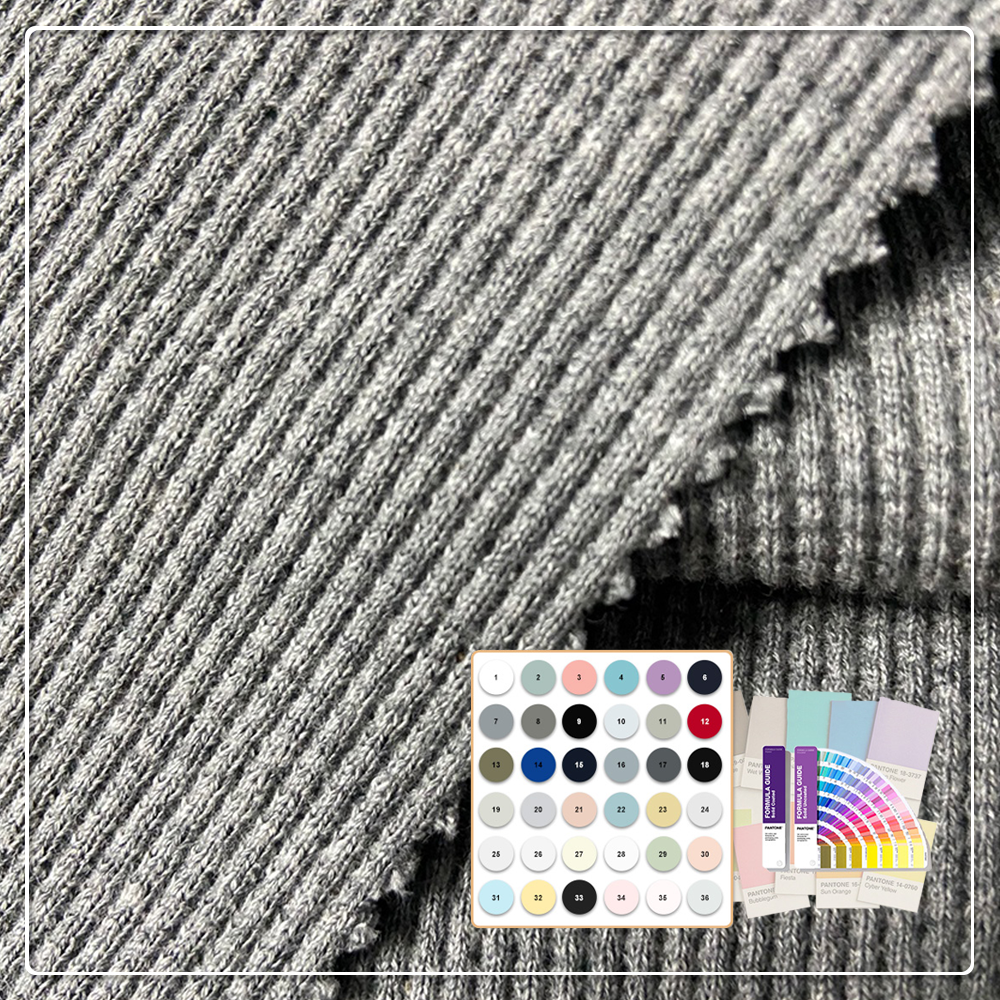
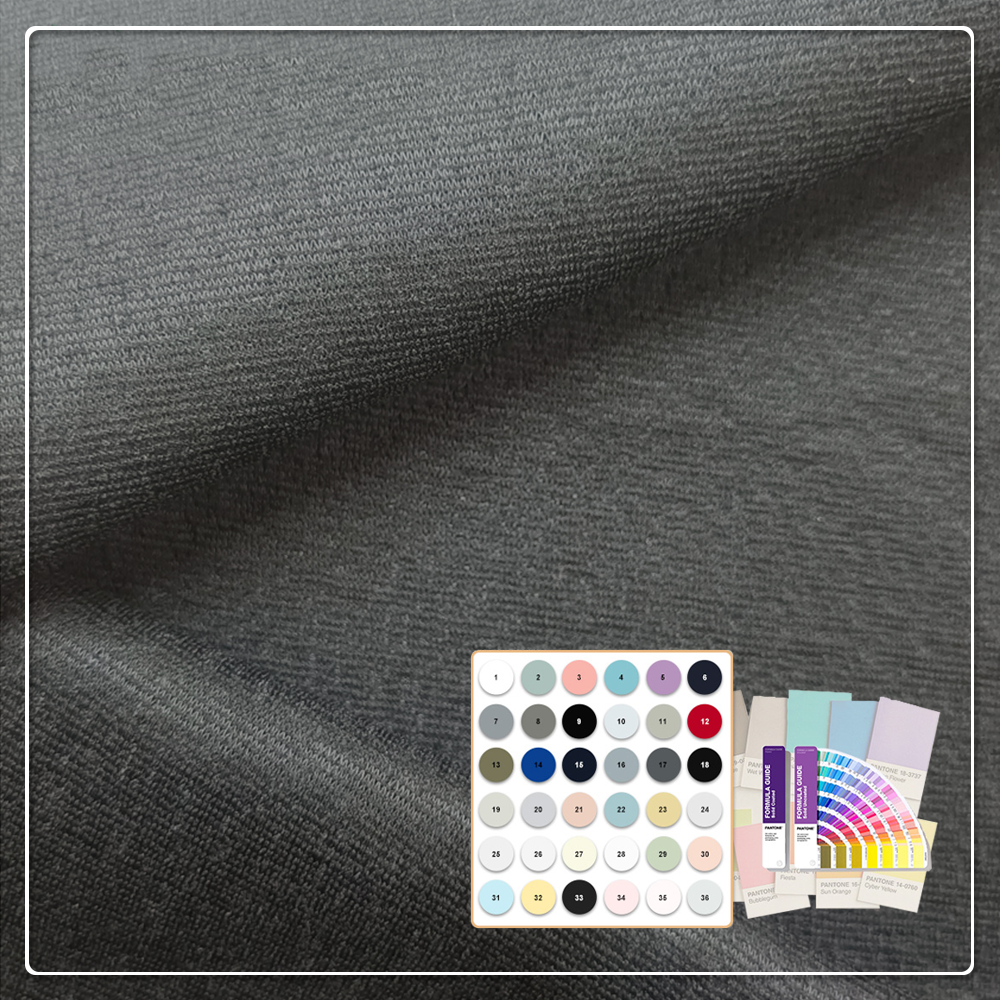
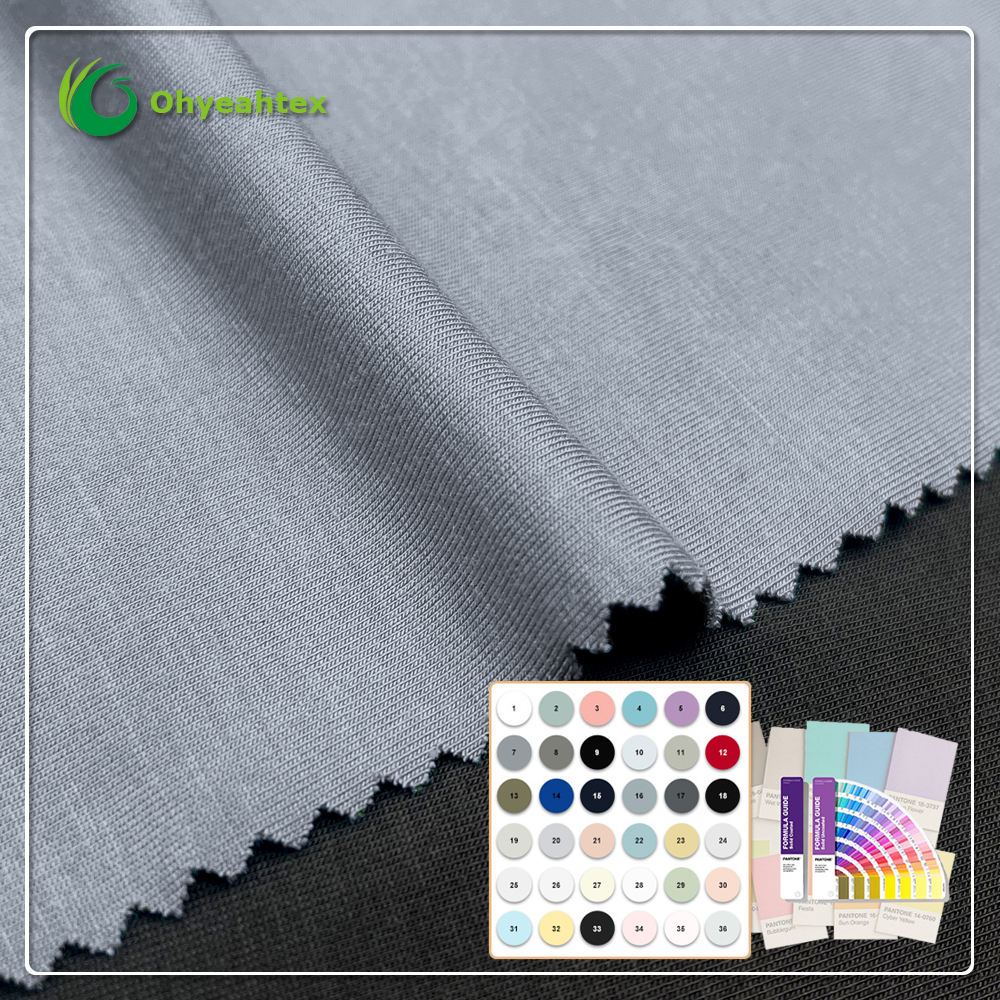
Quality Organic Fabrics for Clothing Sourcing

Get a Free Quote

Our representative will contact you soon.
Email
Name
Mobile/WhatsApp
Company Name
Message
0/1000

Organic fabrics for clothing

Choosing the right organic fabrics for clothing can significantly impact your brand's sustainability, quality, and marketability. As concerns about environmental impact rise, buyers are increasingly interested in eco-friendly options like organic fabrics. This article addresses the critical aspects of sourcing Ohyeah organic jersey knit fabric for clothing, helping purchasing managers, distributors, and product managers make informed decisions that align with their sustainability goals and quality standards. 

Our Products

Evaluating the Benefits of Eco-Friendly Fabrics for Clothing Production

Eco-friendly fabrics, such as organic cotton and bamboo, offer numerous advantages in clothing production. First and foremost, they reduce the environmental impact associated with traditional textile manufacturing. Organic cotton, for instance, is grown without synthetic pesticides or fertilizers, promoting healthier ecosystems and reducing soil and water contamination. 

In addition to environmental benefits, organic fabrics can enhance consumer appeal. Consumers are increasingly looking for sustainable fashion options, and offering clothing made from organic materials can help differentiate your brand in a crowded market. This not only fosters customer loyalty but may also justify a premium price point. 

Moreover, organic fabrics often have better breathability and comfort than conventional fabrics. Bamboo, for example, is known for its moisture-wicking properties, making it an excellent choice for activewear. These performance benefits can enhance the overall customer experience, leading to positive reviews and repeat purchases. 
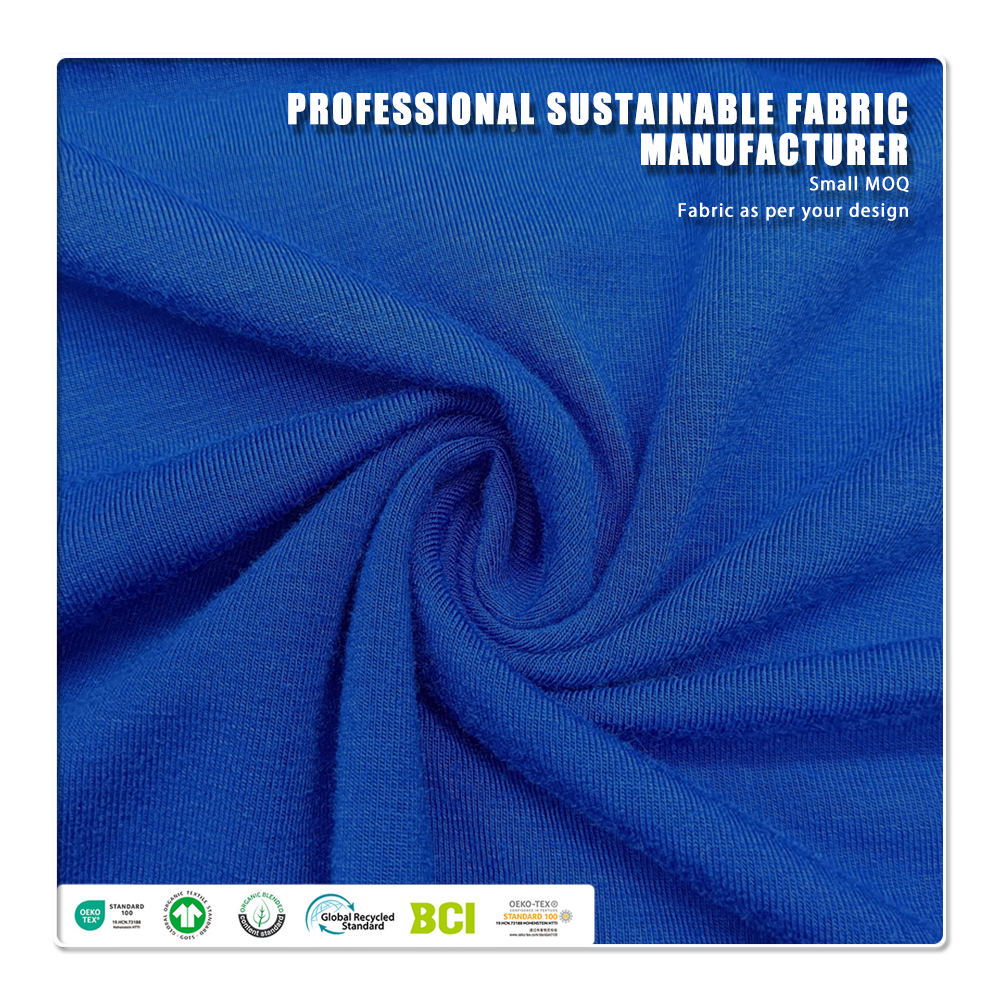
Where to Source Reliable Organic Fabric Suppliers for Bulk Orders

Sourcing reliable organic fabric suppliers requires thorough research and evaluation. Start by identifying manufacturers with established certifications, such as GOTS and OEKO-TEX, which indicate compliance with eco-friendly practices. Use online directories and industry trade shows to connect with potential suppliers, allowing you to assess their offerings and capabilities firsthand. 

When evaluating suppliers, request samples to gauge fabric quality, performance, and feel. This is a critical step; the appearance of a fabric on a screen may differ from its actual texture and usability. Additionally, inquire about their production processes, lead times, and minimum order quantities (MOQs). A supplier like Shaoxing City Ohyeah Textile Co., Ltd. can provide a range of natural organic fabric, ensuring that you have options that meet your specific needs. 

It’s also wise to check references and reviews from other businesses or customers who have worked with the supplier. Understanding their reliability and customer service can help you make an informed decision. 

Comparing Organic Cotton vs. Bamboo Fabrics for Your Clothing Line

When considering organic fabrics, two popular choices are organic cotton and bamboo. Each has distinct characteristics that may influence your decision based on specific applications. 

Organic cotton is renowned for its softness, breathability, and durability. It is an excellent choice for everyday apparel, such as t-shirts and casual wear. The fabric's ability to absorb moisture and dye well also allows for vibrant colors and patterns. However, it typically requires more water to cultivate compared to bamboo. 

On the other hand, bamboo fabrics are gaining traction for their unique properties. Bamboo is naturally antibacterial and moisture-wicking, making it ideal for activewear and undergarments. Additionally, bamboo grows rapidly and requires less water and no pesticides, making it a more sustainable option in terms of resource use. However, bamboo fabric can sometimes be more challenging to dye, which may limit color options. 

Ultimately, the choice between organic cotton and bamboo will depend on your target market and the specific performance characteristics you require for your clothing line. Evaluating your customer preferences and intended applications will help guide your decision. 

Solutions to Common Problems When Sourcing Organic Fabrics for Projects

Sourcing organic fabrics can present challenges, but understanding common issues can help mitigate them. One frequent problem is ensuring consistent quality across bulk orders. Buyers should specify quality control measures in their contracts, including inspection protocols for fabric samples and production runs. 

Another challenge is managing lead times. Eco-friendly materials can sometimes have longer lead times due to limited availability or production schedules. It's essential to communicate your timelines clearly with suppliers and build in buffer periods to accommodate potential delays. 

Buyers should also be aware of potential compatibility issues with existing manufacturing processes. For instance, certain fabrics require specific handling or sewing techniques. Before finalizing orders, ensure that the Ohyeah organic dyed fabric selected aligns with your production capabilities to avoid complications during manufacturing. 

By addressing these common issues proactively, you can ensure a smoother sourcing process and maintain the quality and integrity of your clothing line. 

By focusing on these key aspects, you can make informed decisions when sourcing organic fabrics for your clothing projects. With the right materials and suppliers, your business can not only meet the rising demand for sustainable fashion but also enhance your brand’s reputation in the industry. 

How to Choose Quality Organic Fabrics for Wholesale Clothing Orders

When selecting organic fabrics for wholesale clothing, several factors should guide your decision-making process. First, assess the certifications of the materials you consider. Look for certifications such as GOTS (Global Organic Textile Standard) and OEKO-TEX, which ensure compliance with strict environmental and safety standards. This guarantees that the fabrics are not only made from organic materials but also free of harmful substances. 

Next, consider the fabric's performance characteristics. For example, color fastness is crucial for maintaining the visual integrity of your clothing after multiple washes. Fabrics with a color fastness rating of level 4-5 are preferable, as they indicate good resistance to fading and bleeding. Additionally, shrinkage rates should be below 5% to ensure that garments retain their shape and fit after washing. 

Finally, evaluate the supplier's production capacity and quality control processes. A manufacturer like Shaoxing City Ohyeah Textile Co., Ltd., with over 100 circular knitting machines and a monthly output of 200 tons, can meet large orders while maintaining consistent quality. A professional team dedicated to quality control is essential for ensuring that your wholesale orders meet your specifications. 

Our Blog Posts

The Durability Performance of Tencel Modal in Knit Fabric Production

29

May

The Durability Performance of Tencel Modal in Knit Fabric Production

Durability is fundamental in quality knitwear. A fabric that is beautiful but falls apart after a few washes cannot satisfy today's consumers. Fiber selections with confirmed durability performance are important for knit fabric manufac...
View More
The Smooth Texture Benefits of Tencel Modal in Apparel Manufacturing

29

May

The Smooth Texture Benefits of Tencel Modal in Apparel Manufacturing

A smooth texture in clothing is a desirable fabric feature today. This add value to a fabric: it is an aesthetically pleasing, comfortable, and a mark of good quality. To produce a consistently smooth fabric texture, one must invest in fibe...
View More
Why Tencel Lyocell Fabric Supports High-End Apparel Production

29

May

Why Tencel Lyocell Fabric Supports High-End Apparel Production

High-end garments require a special quality that goes beyond price. They offer exquisite hand-feel,flawless drape,consistent quality,and a story that appeals to sophisticated consumers. When a manufacturer or brand intends to succeed in the high-end ...
View More
Bio-Based Fabric: The Complete Buyer's Guide

12

Sep

Bio-Based Fabric: The Complete Buyer's Guide

A practical sourcing manual for brands, importers, and product developers Reference manufacturer example: Shaoxing City Ohyeah Textile Co., Ltd., eco-friendly fabric specialist (bamboo, organic cotton, rayon, Lenzing™ Modal, TENCEL™ Lyoc...
View More

Get a Free Quote

Our representative will contact you soon.
Email
Name
Mobile/WhatsApp
Company Name
Message
0/1000

Get a Free Quote

Our representative will contact you soon.
Email
Name
Mobile/WhatsApp
Company Name
Message
0/1000