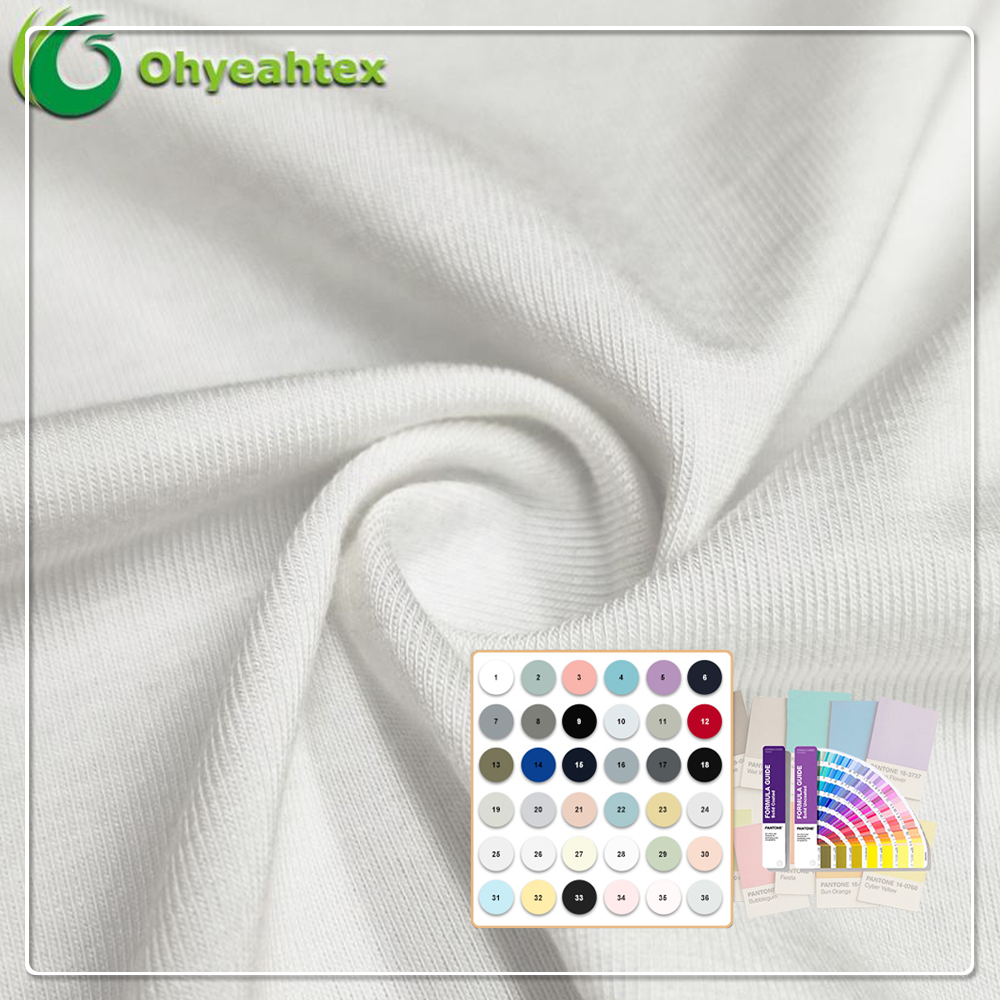
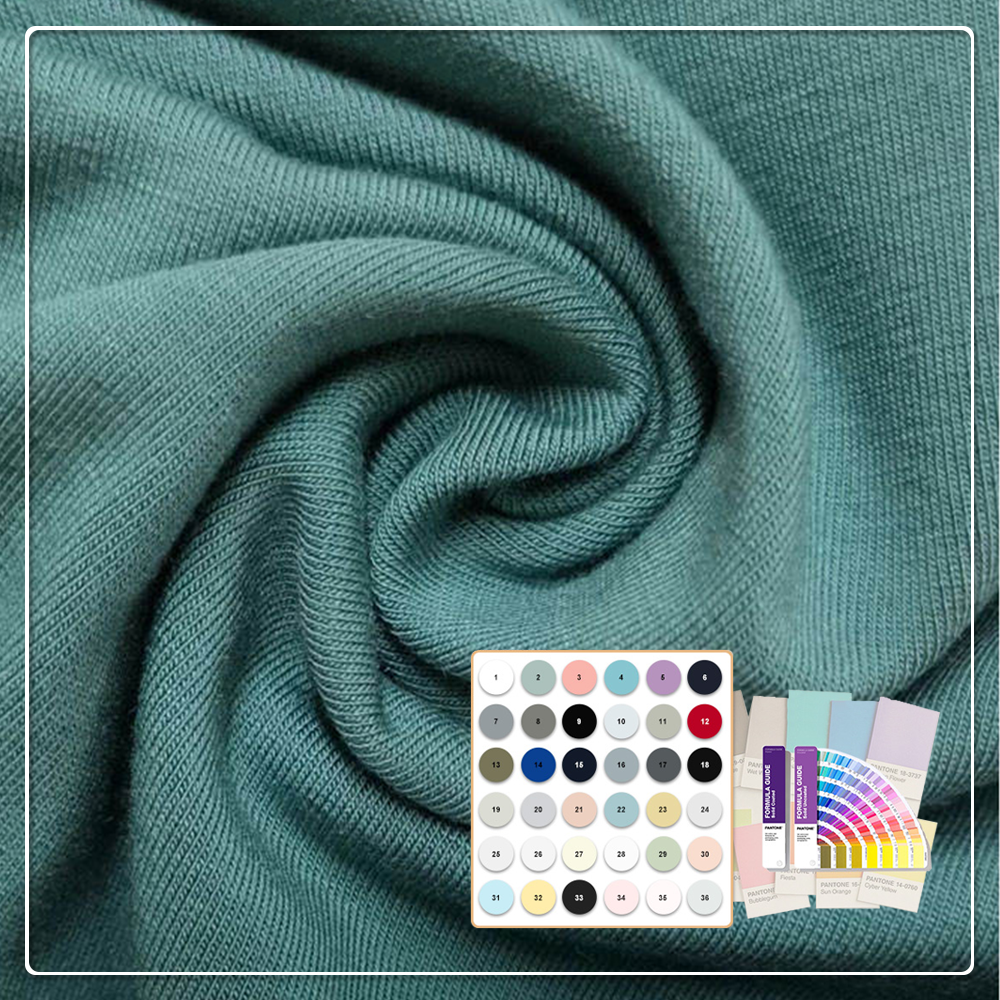
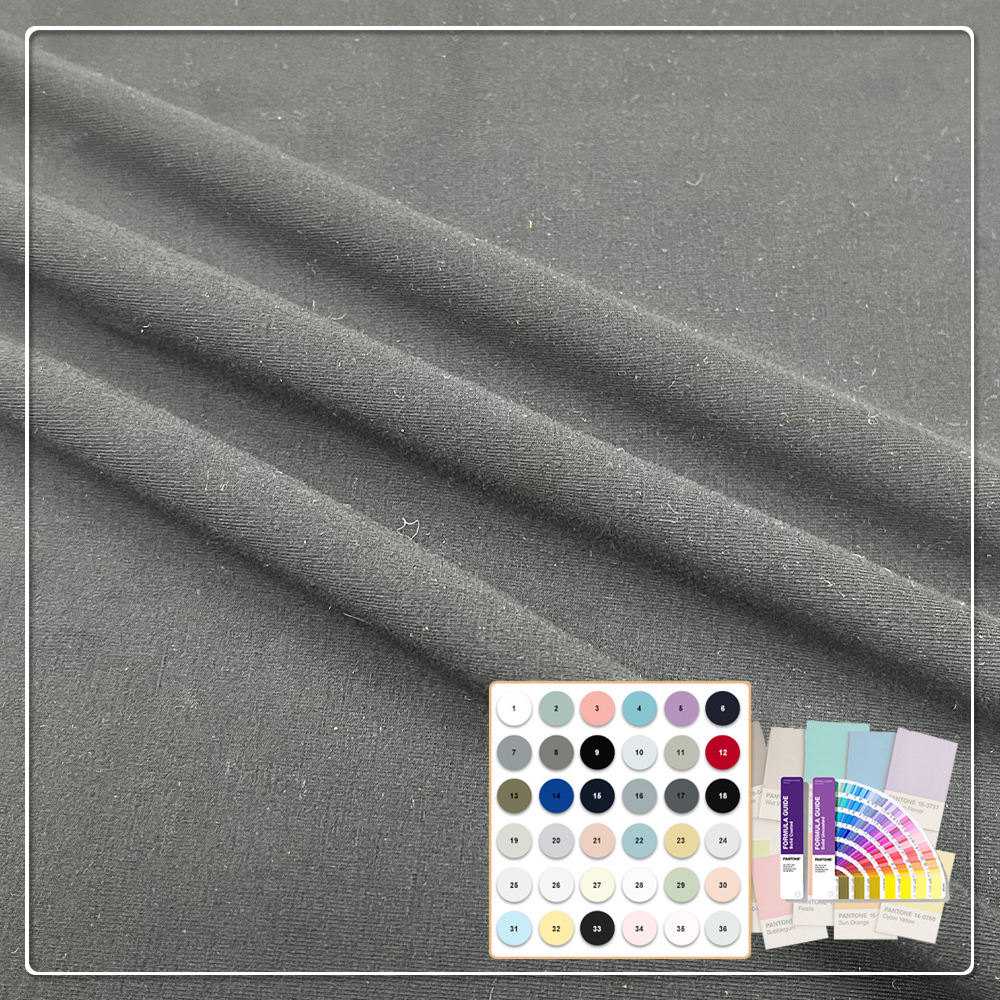
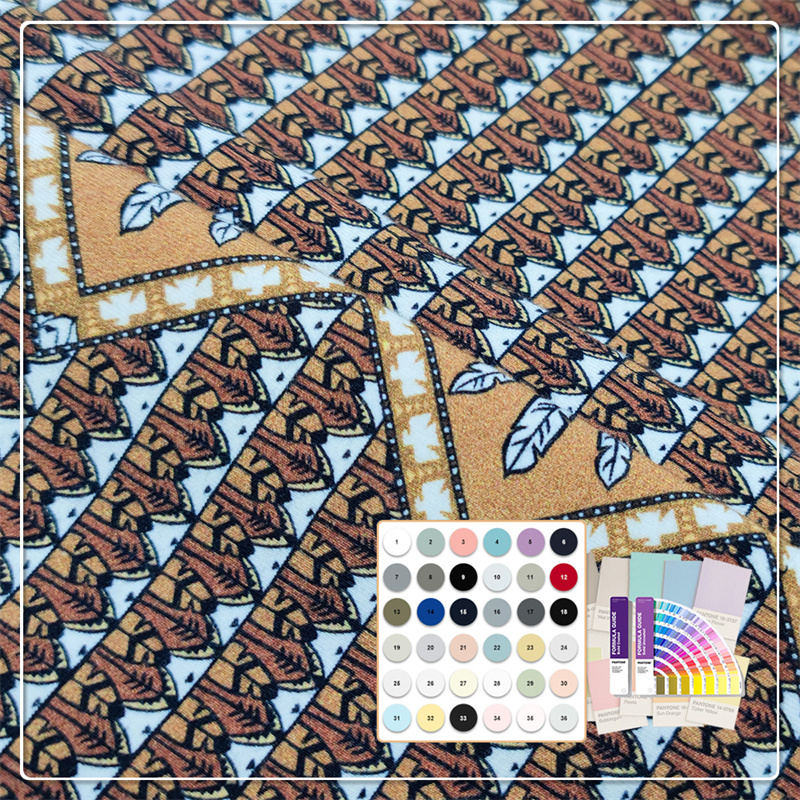
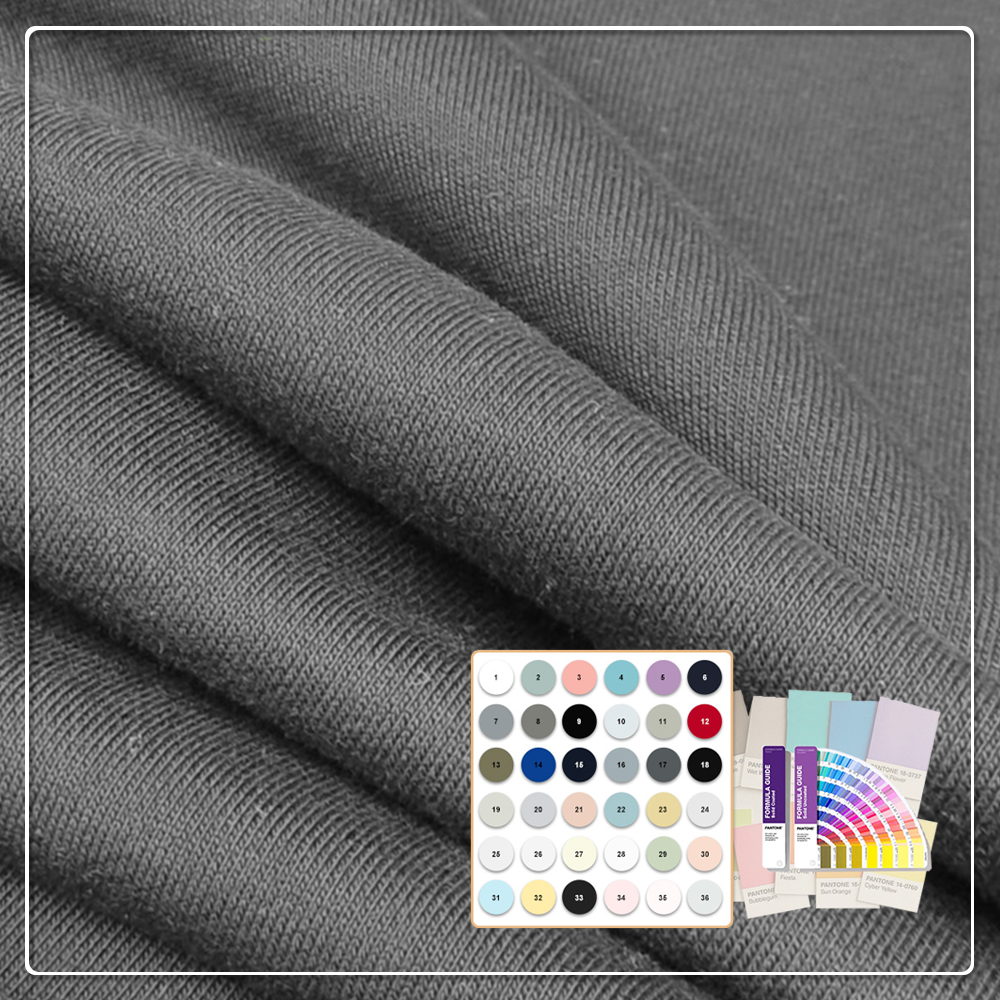
Eco-Friendly Materials for Clothing Production

Get a Free Quote

Our representative will contact you soon.
Email
Name
Mobile/WhatsApp
Company Name
Message
0/1000

Environmentally friendly materials for clothing

In the textile industry, the shift towards sustainability has made environmentally friendly materials for clothing a crucial consideration for manufacturers and buyers alike. As concerns about environmental impact grow, understanding the benefits and characteristics of eco-friendly fabrics such as bamboo, organic cotton, and recycled polyester becomes essential. This article aims to provide insights into these materials, helping purchasing managers, distributors, and product managers make informed decisions when selecting sustainable fabrics for their clothing lines. 
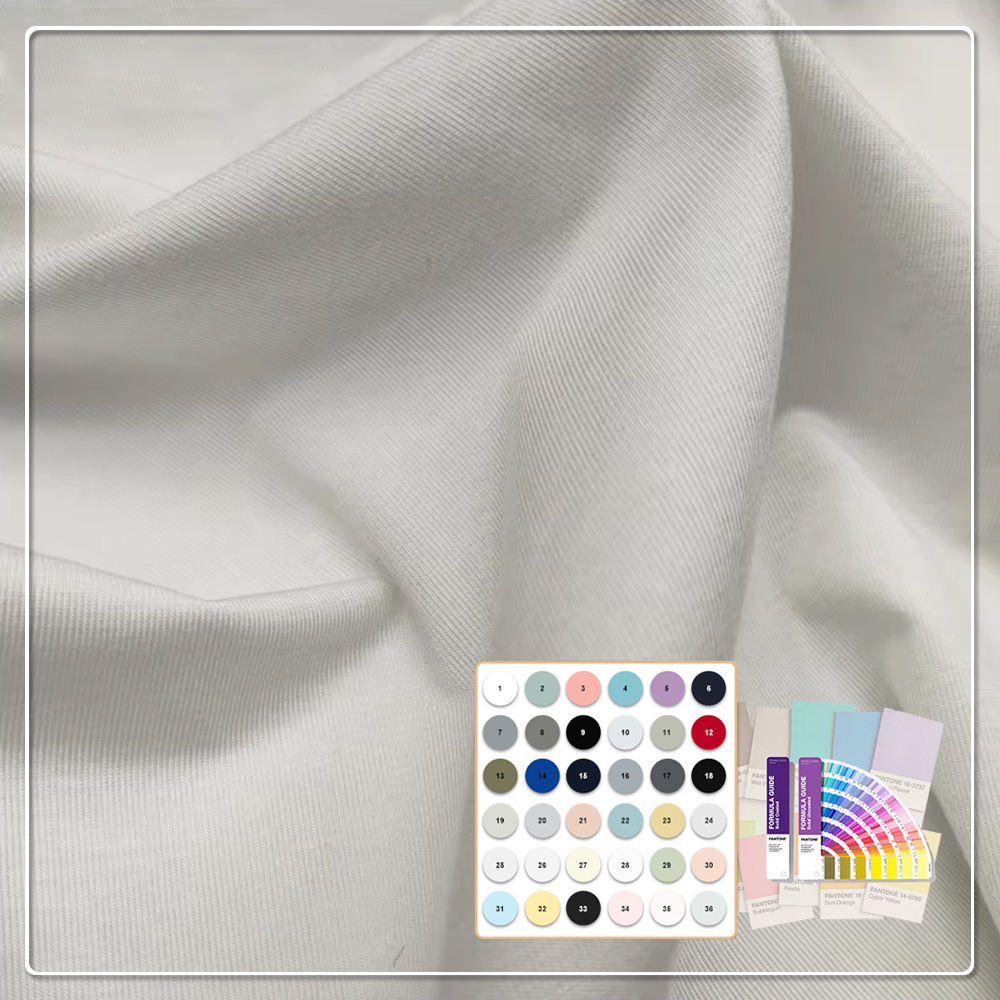
Our Products

Where to Source High-Quality Eco-Friendly Textiles in Bulk

When assessing the durability of eco-friendly knitted fabrics, several factors should be taken into account: 

Fabric Composition: The blend of fibers can significantly impact durability. For instance, bamboo and organic cotton, while soft and comfortable, may not be as durable as recycled polyester when subjected to rigorous wear and tear. Understanding the specific use case can help buyers choose the right durable fabrics blend. 

Color Fastness: A critical aspect of durability is color retention. Shaoxing City Ohyeah Textile Co., Ltd. provides durable fabrics with color fastness ratings of level 4-5, indicating good resistance to fading from washing and exposure to light. Buyers should inquire about color fastness ratings when selecting durable fabrics for items that require vibrant colors. 

Shrinkage Rate: Buyers should also check the shrinkage rate of durable fabrics. Ohyeah's materials boast a shrinkage rate below 5%, which is essential for maintaining garment shape and fit after washing. 

Testing Standards: Adherence to international quality standards, such as OEKO-TEX and GRS, can provide reassurance regarding the durability and safety of the durable fabrics. Buyers should request certification documentation to verify these standards. 

By carefully evaluating these factors, buyers can select eco-friendly knitted durable fabrics that meet their durability needs without compromising on sustainability. 
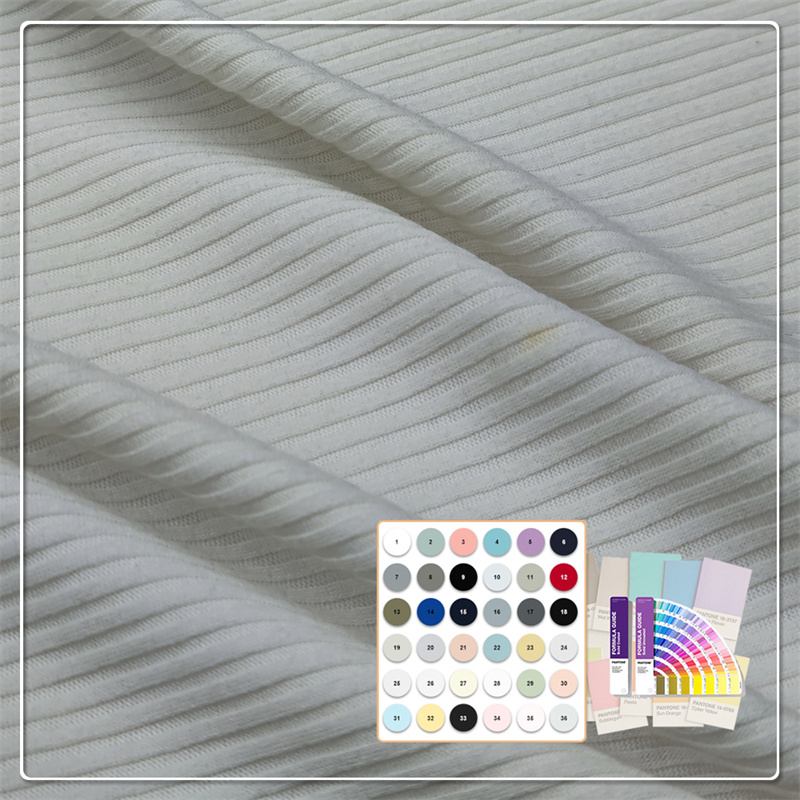
How to Compare Eco-Friendly Fabrics for Wholesale Purchasing

Finding trustworthy suppliers for eco-friendly materials is critical for ensuring the quality and sustainability of finished products. Here are several strategies: 

Industry Certifications: Look for suppliers that hold reputable certifications like OEKO-TEX, GOTS, OCS (Organic Content Standard), and GRS. These certifications ensure that the fabrics meet specific environmental and social criteria. 

Supplier Reputation: Research suppliers’ reputations by checking reviews, testimonials, and case studies. Engaging with industry forums and networks can also provide insights into reliable manufacturers. 

Samples and Prototypes: Request samples to evaluate the fabric's quality, feel, and performance before committing to larger orders. This step is crucial in assessing whether the material meets your specific application needs. 

Production Capacity and Lead Times: Ensure that the supplier can meet your production needs in terms of quantity and timelines. For example, Ohyeah Textile Co., Ltd. has a monthly output of 200 tons, which may cater to large-scale orders. 

Customization Capabilities: Consider suppliers that offer customization options to meet unique specifications or eco friendly fabric design requirements. 

By following these guidelines, buyers can identify suppliers that align with their sustainability goals and product needs. 

Installation Guidance for Eco-Friendly Fabrics in Clothing Production

Environmentally friendly materials have a wide range of applications in clothing production across various sectors: 

Activewear: Fabrics like recycled polyester and bamboo are often used in active wear due to their moisture-wicking properties and breathable. These materials enhance comfort during physical activities while promoting sustainability. 

Casual and Everyday Wear: Organic cotton is increasingly popular for casual clothing, providing softness and comfort. Its hypoallergenic properties make it suitable for sensitive skin, especially in children's apparel. 

Fashion and High-End Clothing: Designers are increasingly incorporating eco-friendly materials into luxury fashion lines. Bamboo and organic cotton can provide a luxurious feel, appealing to consumers seeking sustainable yet stylish options. 

Home Textiles: Beyond apparel, eco-friendly textiles are also used in home furnishings. Organic cotton and bamboo fabrics are favored for items like bed linens and curtains, offering comfort and sustainability. 

By understanding the diverse applications of these materials, manufacturers can better align their product offerings with market demand for sustainable options. 

Applications of Eco-Friendly Materials in the Fashion Industry

Choosing the right supplier for eco-friendly fabrics is crucial for achieving sustainability goals. Shaoxing City Ohyeah Textile Co., Ltd. stands out for several reasons: 

Certified Quality: Ohyeah is certified with OEKO, GOTS, OCS, and GRS, ensuring that all fabrics meet rigorous environmental and social standards. This commitment to quality provides buyers with confidence in their material choices. 

Advanced Manufacturing Capabilities: With over 100 circular knitting machines, Ohyeah has the capacity to produce high-quality knitted fabrics at scale. This capability allows for timely deliveries and consistent quality across orders. 

Expert Quality Control Team: Ohyeah employs a professional team dedicated to quality control, ensuring that every batch of fabric meets the highest standards. This diligence helps prevent common production issues and guarantees customer satisfaction. 

Innovative and Luxurious Fabrics: The company prides itself on providing innovative, luxurious fabrics that not only meet performance requirements but also enhance the aesthetic appeal of finished products. 

Customization Options: Ohyeah offers customization capabilities, allowing buyers to specify colors, patterns, and blends tailored to their needs, further enhancing the eco friendly cotton fabric product's marketability. 

For businesses seeking to integrate environmentally friendly materials into their clothing production, partnering with Shaoxing City Ohyeah Textile Co., Ltd. provides a reliable pathway to achieving sustainability goals without compromising on quality. 

What Are the Benefits of Eco-Friendly Materials for Clothing?

Bamboo, organic cotton, and recycled polyester each offer unique benefits and characteristics that cater to different manufacturing needs and consumer preferences. 

Bamboo Fabric: Known for its softness and breathable, bamboo durable fabrics is derived from the pulp of the bamboo plant. It exhibits natural antibacterial properties, making it an excellent choice for active wear and undergarments. The fabric's moisture-wicking abilities keep the wearer dry and comfortable. However, buyers should ensure that the bamboo is processed using environmentally friendly methods, as some traditional processes can be harmful to the environment. 

Organic Cotton: Grown without synthetic fertilizers or pesticides, organic cotton is better for both the environment and the farmers who cultivate it. This durable fabrics is celebrated for its softness, durability, and hypoallergenic properties, making it suitable for a wide range of apparel, from casual wear to children's clothing. Buyers should look for certifications such as GOTS (Global Organic Textile Standard) to ensure the organic integrity of the cotton used. 

Recycled Polyester: Made from post-consumer plastic bottles and other plastic waste, recycled polyester is an innovative solution to reduce environmental impact. It is lightweight, quick-drying, and resistant to wrinkling and shrinking. This durable fabrics is ideal for outdoor and performance wear. However, it is essential to consider the sourcing and recycling processes, as not all recycled polyester is created equal. 

Each of these materials has distinct qualities, and the choice largely depends on the intended application and the desired fabric performance. 

Our Blog Posts

The Supply Chain Dynamics of Bamboo Fabric from Manufacturer to Export

14

Oct

The Supply Chain Dynamics of Bamboo Fabric from Manufacturer to Export

Ecofriendly and Organic Bamboo Fabric Source for Wholesale BuyersFor wholesale buyers looking for eco-friendly fabric options, buying bamboo fabric from Ohyeah Textile Co., Ltd. means that support for the environment and ethics are built into the ent...
View More
How is Bamboo Made Into Fabric

14

Oct

How is Bamboo Made Into Fabric

Making the Ultra Soft Fabric from BambooBamboo fabric is a widely used material in the textile and fashion industry because of its natural softness, texture and warmth. At Ohyeah Textile Co., Ltd, we specialize in making use of the magic of bamboo fi...
View More
The Growing Demand for Tencel Modal in Global Knit Fabric Markets

29

May

The Growing Demand for Tencel Modal in Global Knit Fabric Markets

Consumers,brands,and retailers are moving away from conventional fibers toward fibers which offer both performance and sustainability. Of many options,the growth in demand for Tencel Modal has been particularly strong. Shaoxing City Ohyeah Texti...
View More
Why Tencel Lyocell Meets the Needs of Eco-Conscious Apparel Brands

29

May

Why Tencel Lyocell Meets the Needs of Eco-Conscious Apparel Brands

Making sustainable clothing is no small feat. Eco-friendly brands need materials that are truly sustainable while still delivering comfort, quality, and performance. Lots of 'green' materials have one or more major weaknesses that are overlooked or m...
View More

Get a Free Quote

Our representative will contact you soon.
Email
Name
Mobile/WhatsApp
Company Name
Message
0/1000

Get a Free Quote

Our representative will contact you soon.
Email
Name
Mobile/WhatsApp
Company Name
Message
0/1000