How to Choose Eco-Friendly Lyocell Fabrics

Get a Free Quote

Our representative will contact you soon.
Email
Name
Mobile/WhatsApp
Company Name
Message
0/1000

Lyocell eco friendly

Lyocell is an eco-friendly fabric known for its sustainable production process and versatility in various textile applications. As a B2B buyer, understanding the intricacies of lyocell eco-friendly fabrics is paramount, especially when considering factors like sourcing, quality evaluation, and supplier reliability. This article will guide you through selecting and assess quality the right Ohyeah bamboo lyocell clothing for your wholesale needs, focusing on key specifications and quality assessment, as well as where to find reputable reliable suppliers of lyocell and installation guidance. 

Our Products

Key Specifications to Consider for Lyocell Fabric Sourcing

When sourcing lyocell fabrics, specific technical specifications are crucial for ensuring the material meets your project requirements. Key considerations include: 

Fabric Weight: Measured in grams per square meter (GSM), fabric weight affects the drape, breathability, and durability of the material. For lightweight applications, a GSM of 120-160 is common, while heavier fabrics may range from 200-300 GSM. 

Color Fastness: This refers to the fabric's ability to retain color when exposed to washing, light, and other environmental factors. A color fastness rating of 4-5 is generally acceptable for commercial applications, ensuring long-lasting aesthetics. 

Shrinkage: Understanding the shrinkage percentage (ideally below 5%) of eco-friendly lyocell fabrics is vital, especially for garments that require precise fitting. Fabrics that shrink excessively can lead to product returns and customer dissatisfaction. 

Breathability and Moisture Management: Lyocell is known for its excellent moisture-wicking properties, making it suitable for activewear and summer clothing. Ensure the fabric meets the necessary moisture management standards for your intended application. 

Eco-Credentials: Confirm that the fabric is made from sustainably sourced wood pulp and free from harmful chemicals. Certifications like GRS (Global Recycled Standard) can provide additional assurance. 

By understanding these specifications, you can make informed decisions that align with your quality expectations and project requirements. 
Evaluating the Quality of Eco-Friendly Lyocell for Your Projects

Quality assessment of lyocell fabrics is essential to ensure they meet your standards before mass production. Here are practical steps to evaluate quality: 

Sample Testing: Always request samples from potential suppliers. Conduct thorough lyocell fabric sourcing under the conditions expected in actual use, such as washing, drying, and wearing. This helps identify any potential issues with durability or performance. 

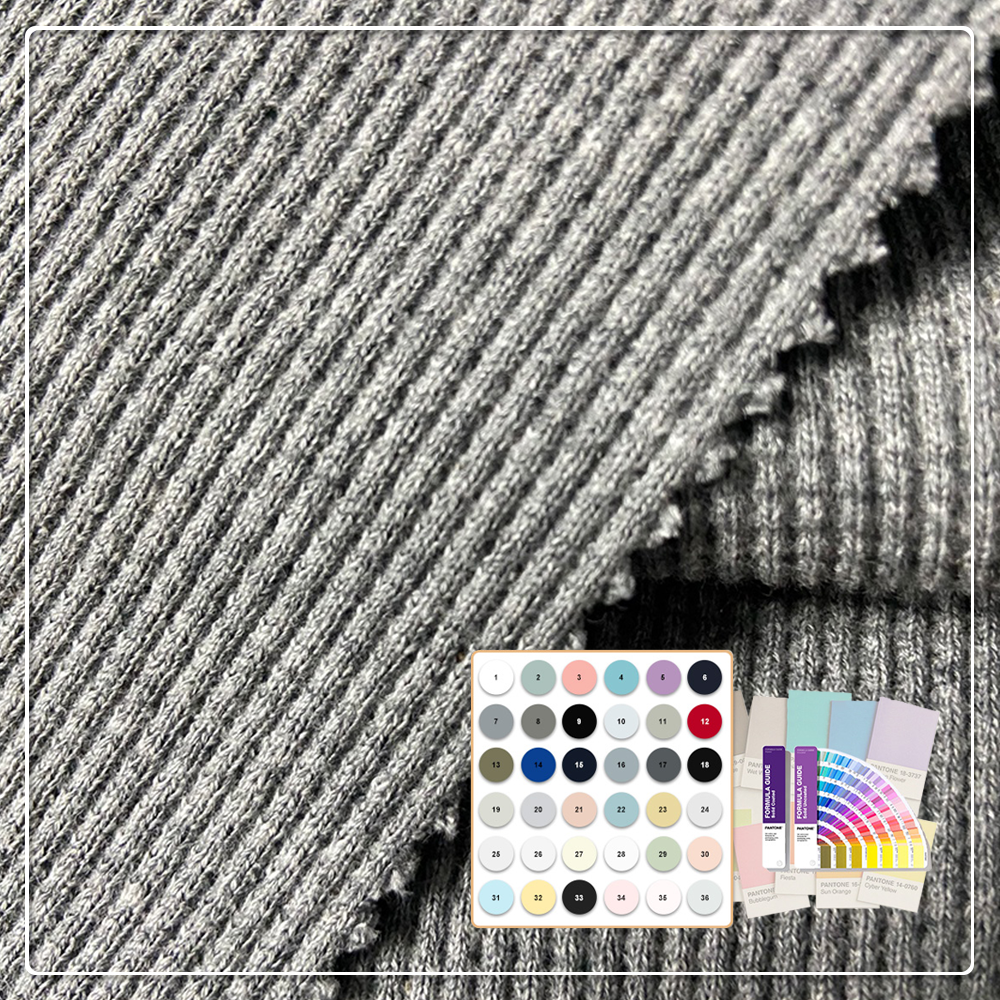
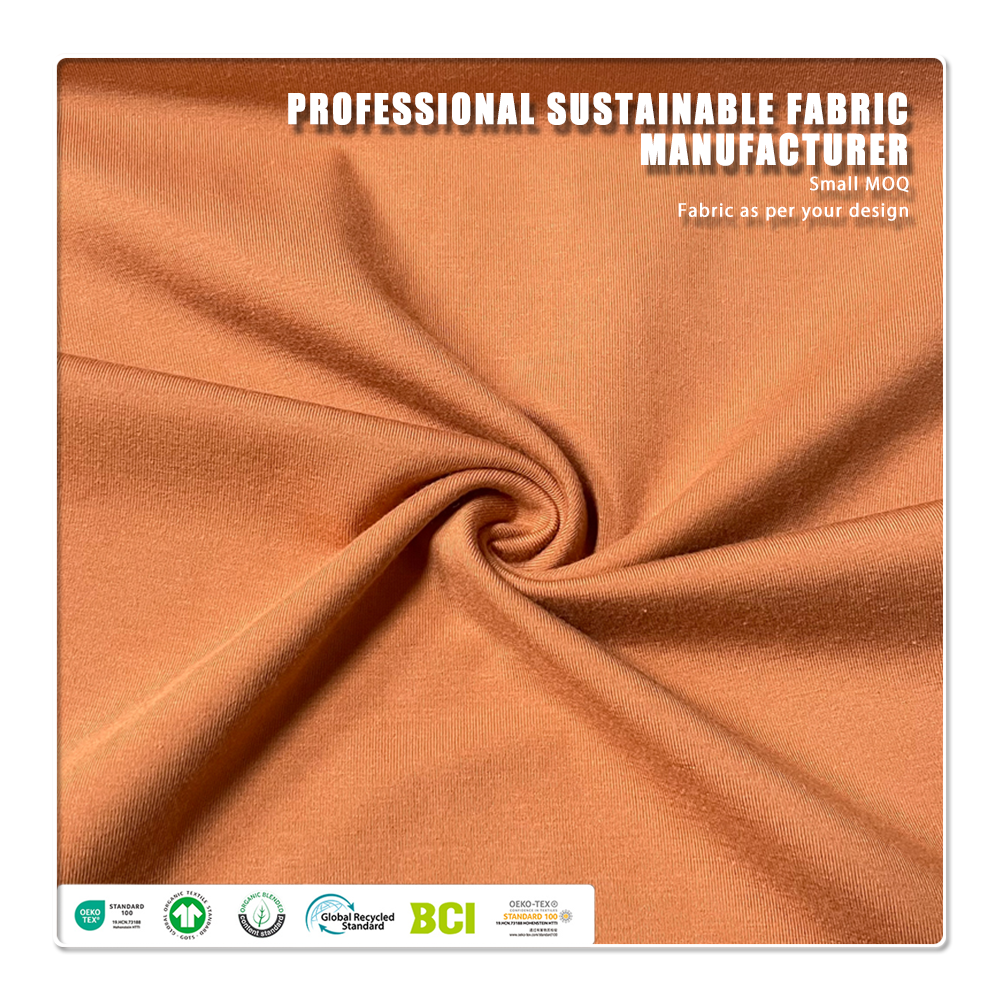
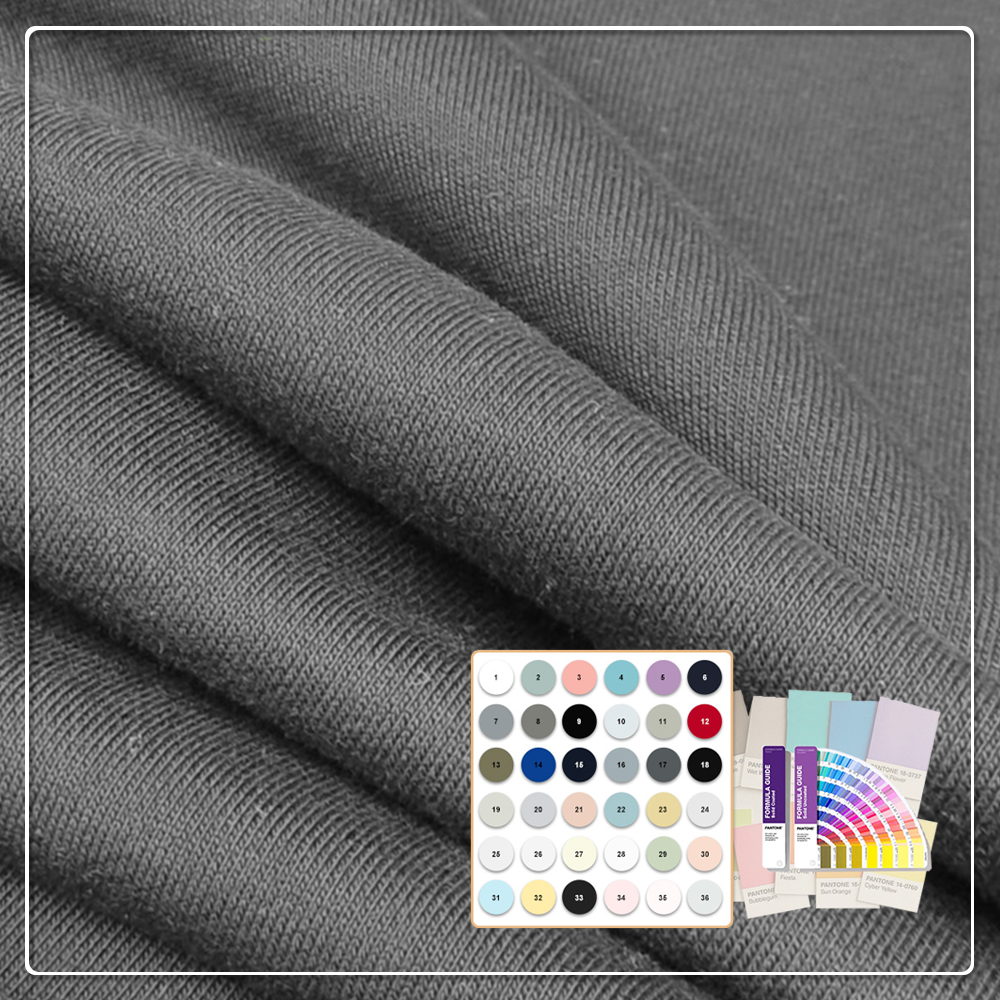
Visual Inspection: Examine the Ohyeah cotton lyocell for defects such as uneven dyeing, imperfections, or inconsistencies in texture. A quality fabric should have a smooth surface and uniform appearance. 

End-Use Suitability: Consider how the fabric performs in its end-use environment. For example, if the fabric will be exposed to moisture, test its absorbency and drying time. This ensures that quality assessment of lyocell meets the functionality required for your specific application. 

Factory Audits: If possible, conduct a factory audit to assess the manufacturing processes, quality control mechanisms, and adherence to sustainable practices. This firsthand experience can provide valuable insights into a supplier's reliability. 

Feedback from Previous Clients: Inquire about the supplier's history with other clients. Positive feedback can be a strong indicator of product quality and supplier reliability.

Where to Find Reliable Suppliers of Lyocell Fabrics

Finding trustworthy suppliers of lyocell fabrics involves research and networking within the textile industry. Here are effective strategies: 

Industry Trade Shows: Attending textile trade shows and exhibitions can connect you directly with manufacturers and suppliers. Events like ITMA or Material World showcase a variety of fabric options, including eco-friendly materials. 

Online Marketplaces: Platforms like Alibaba, Global Sources, or ThomasNet can help you discover lyocell fabric suppliers. Always verify the suppliers' credentials and request references. 

Industry Associations: Joining industry associations, such as the Textile and Apparel Association, can provide access to a network of manufacturers committed to sustainable practices. 

Direct Manufacturer Websites: Explore manufacturers' websites, such as Shaoxing City Ohyeah Textile Co., Ltd., to learn about their product offerings, certifications, and eco-friendly lyocell fabrics manufacturing capabilities. This reliable suppliers of lyocell direct access can streamline your communication and procurement process. 

Referrals: Leverage your existing business network for recommendations. Colleagues who have previously sourced lyocell fabrics can provide insights into reliable suppliers. 

Installation Guidance for Eco-Friendly Lyocell in Textile Projects

Proper installation of lyocell fabrics is crucial for achieving the desired outcome in your textile projects. Here are key considerations: 

Pre-Washing: It is advisable to pre-wash lyocell fabrics before cutting and sewing. This process helps eliminate any residual chemicals and allows for shrinkage, ensuring accurate dimensions in the final product. 

Sewing Techniques: Use appropriate sewing techniques for lyocell, such as a straight stitch or a zigzag stitch, to prevent fraying and ensure durability. Ensure that the sewing machine settings are adjusted to handle the Ohyeah bamboo lyocell weight and thickness. 

Finishing Processes: Consider additional finishing treatments, such as softening agents or water repellents, based on the intended application. Consult with your supplier for recommendations on compatible finishes and lyocell fabric sourcing. 

Quality Control Checks: Implement quality control checks during the installation process. Inspect seams, alignments, and overall construction to ensure that the final product meets your quality standards. 

Documentation: Maintain clear documentation of your installation processes and any specific requirements for future reference. This can enhance efficiency in repeat orders or similar projects. 

By following these guidelines, you can ensure that your projects utilizing eco-friendly lyocell fabrics are executed smoothly and meet the high standards expected in the industry. 

How to Choose Eco-Friendly Lyocell Fabrics for Your Wholesale Needs

When selecting lyocell fabrics, the first step is to identify your specific application requirements. Consider factors such as the intended use (eg., apparel, home textiles, or industrial applications), desired aesthetics, and performance characteristics. For instance, if you need a fabric for activewear, prioritize moisture-wicking properties and breathability. 

Next, evaluate the sourcing practices of potential suppliers. Look for manufacturers, like Shaoxing City Ohyeah Textile Co., Ltd., which adhere to eco-friendly standards and hold certifications such as OEKO-TEX, GOTS, or OCS. These certifications indicate compliance with environmental and social responsibility guidelines, ensuring that the fabric is produced sustainably. 

Finally, assess the minimum order quantities (MOQs) and production capacity of suppliers. Understanding these factors will help you align your purchasing needs with the supplier's quality assessment of lyocell, ensuring timely delivery and adequate stock for your projects. 

Our Blog Posts

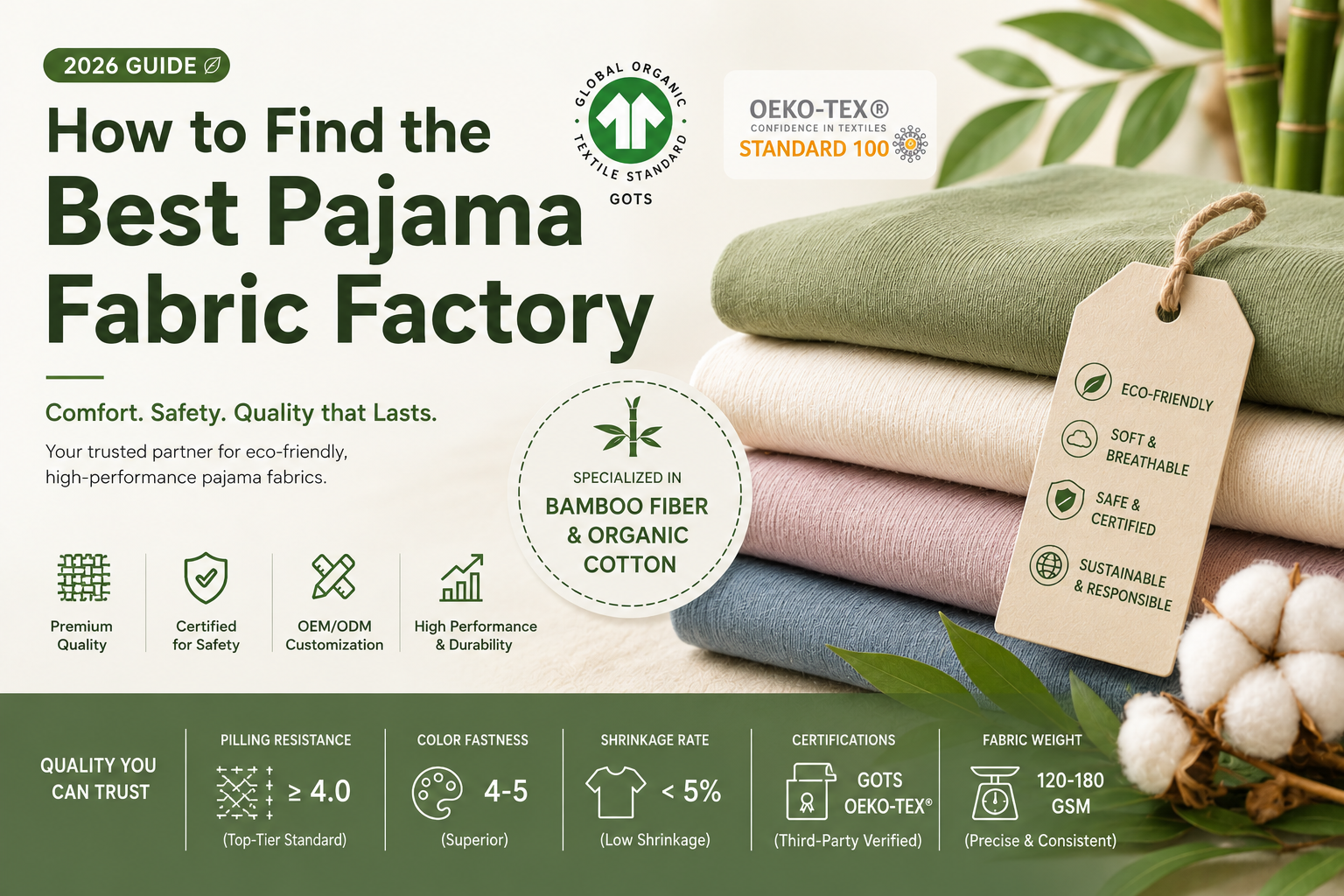
Top Pajama Fabric Factory Recommendation Guide 2026: Sourcing the Best Materials

08

May

Top Pajama Fabric Factory Recommendation Guide 2026: Sourcing the Best Materials

Executive Summary: How to Find the Best Pajama Fabric Factory Finding a top pajama fabric factory means looking for more than just a low price. The best factories focus on three things: comfort, safety, and quality that lasts. According to the latest...
View More
The Smooth Texture Benefits of Tencel Modal in Apparel Manufacturing

29

May

The Smooth Texture Benefits of Tencel Modal in Apparel Manufacturing

A smooth texture in clothing is a desirable fabric feature today. This add value to a fabric: it is an aesthetically pleasing, comfortable, and a mark of good quality. To produce a consistently smooth fabric texture, one must invest in fibe...
View More
What Makes Tencel Modal Suitable for Comfortable Knitwear Production

29

May

What Makes Tencel Modal Suitable for Comfortable Knitwear Production

Comfortable knitwear does not happen by accident. The right fiber, the right manufacturing processes, and an awareness of how fabrics feel against the skin must all come together. For knitwear manufacturers who are serious about c...
View More
Why Tencel Lyocell Meets the Needs of Eco-Conscious Apparel Brands

29

May

Why Tencel Lyocell Meets the Needs of Eco-Conscious Apparel Brands

Making sustainable clothing is no small feat. Eco-friendly brands need materials that are truly sustainable while still delivering comfort, quality, and performance. Lots of 'green' materials have one or more major weaknesses that are overlooked or m...
View More

Get a Free Quote

Our representative will contact you soon.
Email
Name
Mobile/WhatsApp
Company Name
Message
0/1000

Get a Free Quote

Our representative will contact you soon.
Email
Name
Mobile/WhatsApp
Company Name
Message
0/1000