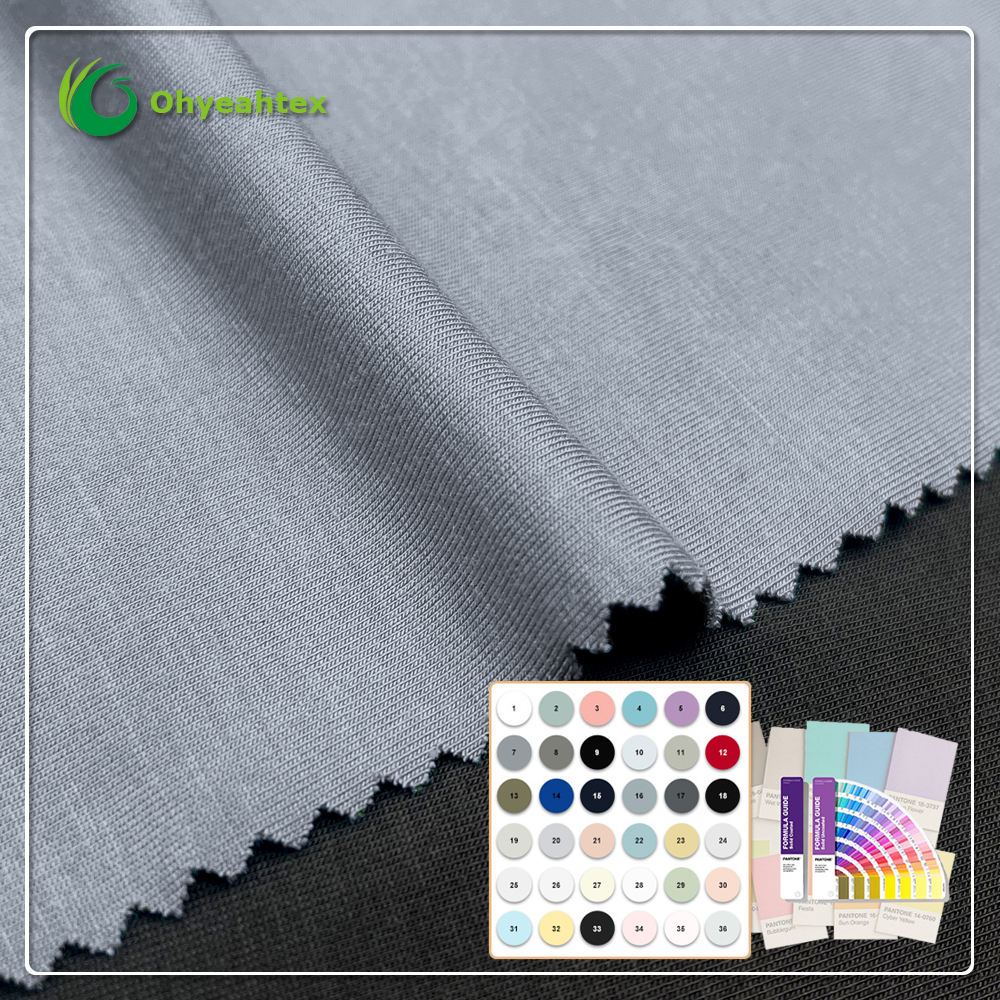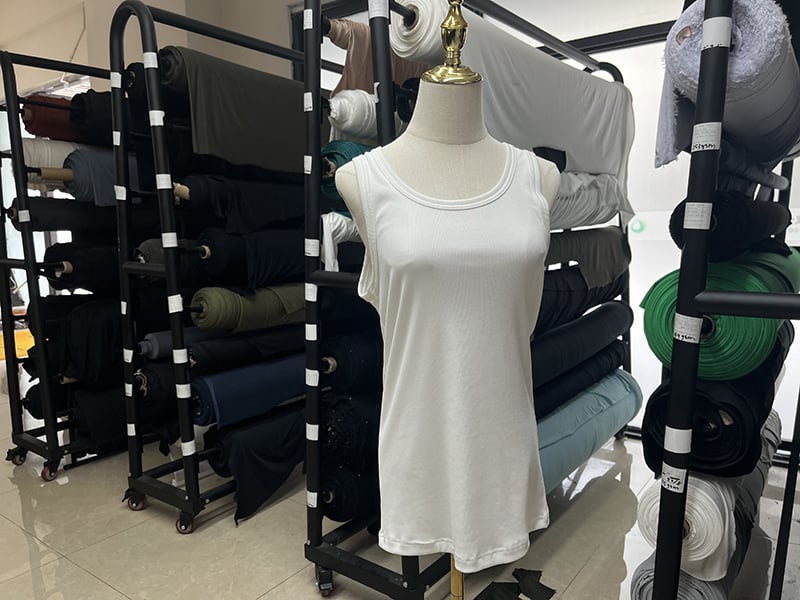
Choosing High-Quality Lyocell Fiber for Your Projects

Get a Free Quote

Our representative will contact you soon.
Email
Name
Mobile/WhatsApp
Company Name
Message
0/1000

lyocell fiber

Lyocell fiber is an innovative, eco-friendly textile that has gained popularity in various applications, from fashion to home textiles. This fiber is known for its sustainability and comfort, appealing to purchasing managers, distributors, and engineers who prioritize quality and environmental responsibility. However, selecting high-quality lyocell fiber can be challenging due to varying supplier capabilities and material specifications. This article aims to provide practical guidance on choosing lyocell fiber, finding reliable suppliers, understanding cost factors, addressing common problems, and installation tips for different applications.

Where to Find Reliable Suppliers of Lyocell Fiber in Bulk

Finding trustworthy suppliers of lyocell fiber involves thorough research and due diligence. Start by searching for manufacturers with a strong track record in sustainable textiles, like Shaoxing City Ohyeah Textile Co., Ltd., which specializes in eco-friendly knitted fabrics. Look for suppliers who have relevant certifications, as this demonstrates their commitment to quality and environmental standards.

Industry trade shows and textile exhibitions can provide opportunities to connect with potential suppliers and see their products firsthand. Networking within industry associations can also yield recommendations for reputable sources.

When evaluating suppliers, consider their production capacity and lead times. A supplier with a monthly output of 200 tons, like Ohyeah Textile, can better accommodate large orders and ensure timely deliveries. Additionally, inquire about their customization capabilities to ensure they can meet your specific needs.

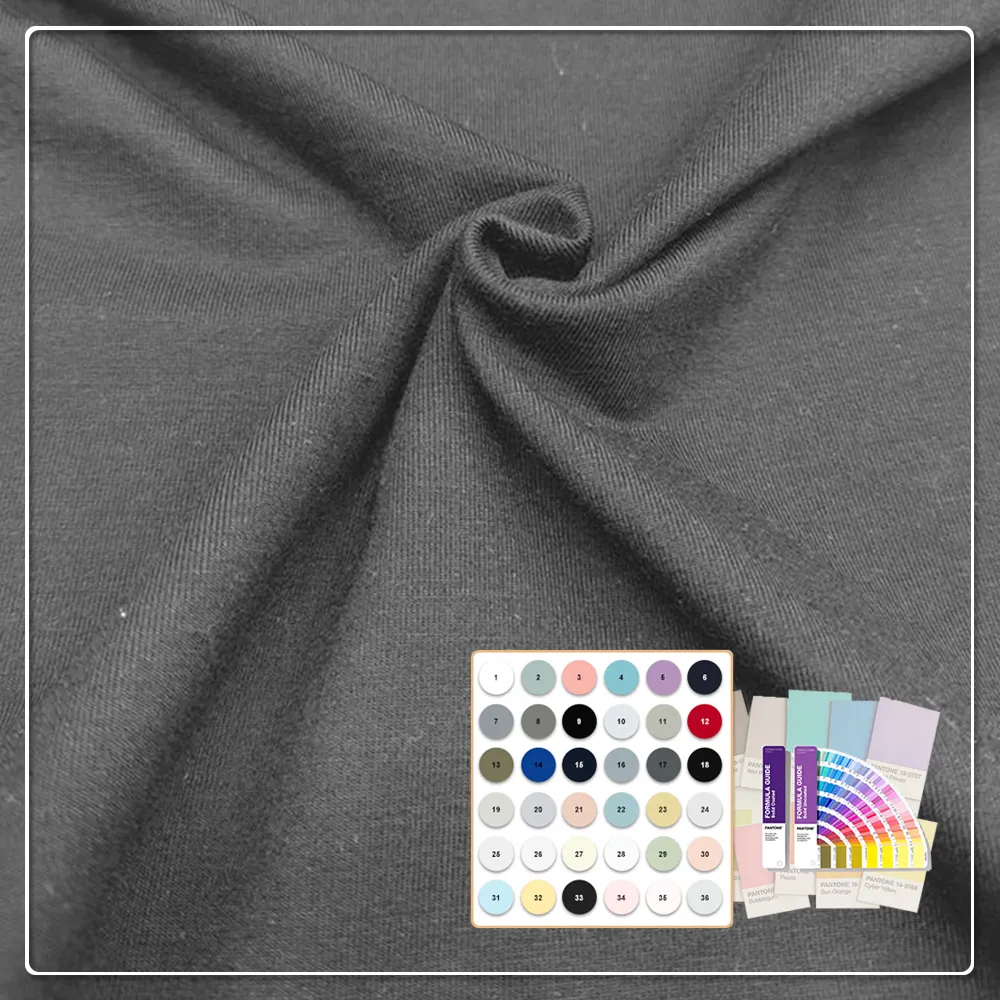
Cost Factors When Sourcing Lyocell Fiber for Your Business Needs

Several factors influence the cost of lyocell fiber, making it vital to understand what affects pricing. First, the quality of raw materials plays a significant role. Premium lyocell fibers sourced from sustainably managed forests will typically command higher prices than those from less sustainable sources.

Second, production methods can impact costs. Advanced manufacturing processes that ensure consistent quality and lower environmental impact may result in higher costs but can lead to long-term savings due to durability and customer satisfaction.

Additionally, consider the scale of your order. Many suppliers, including those with high production capacities, may offer tiered pricing based on order volume, which can help reduce costs for larger purchases. Finally, shipping and logistics can also influence total expenses, especially for international orders, so factor these considerations into your budget.

Common Problems with Lyocell Fiber and Effective Solutions

While lyocell fiber offers numerous advantages, it is not without potential issues. One common problem is shrinkage during washing, which can be mitigated by ensuring the fabric has a shrinkage rate below 5%—a benchmark that quality manufacturers adhere to. It is advisable to test the fabric in the washing conditions it will face in its intended application before mass production.

Another concern is color fastness. Fabrics should maintain their color through multiple washes, so look for fibers with a color fastness rating of level 4-5. If you encounter issues with fading, consider discussing the dyeing process with your supplier to ensure that high-quality dyes are used, especially when sourcing fabrics like Eco-Friendly Stretch Waterproof Fabric.

Lastly, buyers should be aware of potential pilling, which can occur with certain fiber blends. Selecting high-quality lyocell fibers and ensuring that they are well-constructed can help minimize this issue. Requesting samples and conducting wear tests can further confirm the fabric's resilience under actual conditions.

Installation Guidance for Lyocell Fiber in Various Applications

Installing lyocell fiber in various applications requires attention to detail to ensure optimal performance. For fashion and apparel, consider the fabric's stretch and drape. If using lyocell for activewear, ensure that the fabric is adequately engineered to accommodate movement without compromising its moisture-wicking properties.

When integrating lyocell into home textiles, such as curtains or upholstery, consider the weight and thickness of the fabric. Heavy fabrics may require specialized sewing techniques to prevent sagging or distortion. Additionally, ensure that the fabric is pre-shrunk if it will be subject to heat or moisture during cleaning.

For industrial applications, such as filtration or insulation, it's crucial to assess the fiber's compatibility with the intended use. The fiber's strength, moisture resistance, and chemical tolerance should match the application requirements. Collaborating with your supplier to understand the fiber's capabilities will help achieve the best results in your projects.

By following these guidelines, you can make informed decisions regarding lyocell fiber, ensuring that your sourcing, installation, and application processes are efficient and effective.

How to Choose High-Quality Lyocell Fiber for Your Projects

When selecting lyocell fiber for your projects, it's essential to consider several key factors. The first is the fiber's origin and production process. Quality lyocell is produced from sustainably sourced wood pulp, primarily from eucalyptus, beech, or spruce trees. Look for suppliers who can provide certifications such as OEKO-TEX, GOTS, or FSC, which confirm that the fiber meets environmental and social standards.

Next, evaluate the fiber's specifications. Important parameters include fiber fineness, length, and tensile strength. Fineness affects the fabric's softness and drape, while tensile strength ensures durability. For example, finer fibers may be ideal for soft garments, while stronger fibers are better suited for more demanding applications. Additionally, consider the fiber's moisture management properties, as lyocell is known for its ability to wick moisture away from the skin, making it suitable for activewear.

Finally, request samples for evaluation. Assessing the fiber's feel, appearance, and performance under actual usage conditions can help ensure it meets your project's requirements.

Our Blog Posts

The Supply Chain Dynamics of Bamboo Fabric from Manufacturer to Export

14

Oct

The Supply Chain Dynamics of Bamboo Fabric from Manufacturer to Export

Ecofriendly and Organic Bamboo Fabric Source for Wholesale BuyersFor wholesale buyers looking for eco-friendly fabric options, buying bamboo fabric from Ohyeah Textile Co., Ltd. means that support for the environment and ethics are built into the ent...
View More
How long does bamboo fabric last

04

Feb

How long does bamboo fabric last

One thing I know is the news about bamboo fabric is that in the sustainable clothing industry, it is renowned as a calming fabric due to its fluffy feel, breathability, and greenery. One of the most realistic questions that are frequently posed by de...
View More
Bio-Based Fabric: The Complete Buyer's Guide

13

Oct

Bio-Based Fabric: The Complete Buyer's Guide

A practical sourcing manual for brands, importers, and product developers Reference manufacturer example: Shaoxing City Ohyeah Textile Co., Ltd., eco-friendly fabric specialist (bamboo, organic cotton, rayon, Lenzing™ Modal, TENCEL™ Lyoc...
View More

Get a Free Quote

Our representative will contact you soon.
Email
Name
Mobile/WhatsApp
Company Name
Message
0/1000

Related product categories

Get a Free Quote

Our representative will contact you soon.
Email
Name
Mobile/WhatsApp
Company Name
Message
0/1000