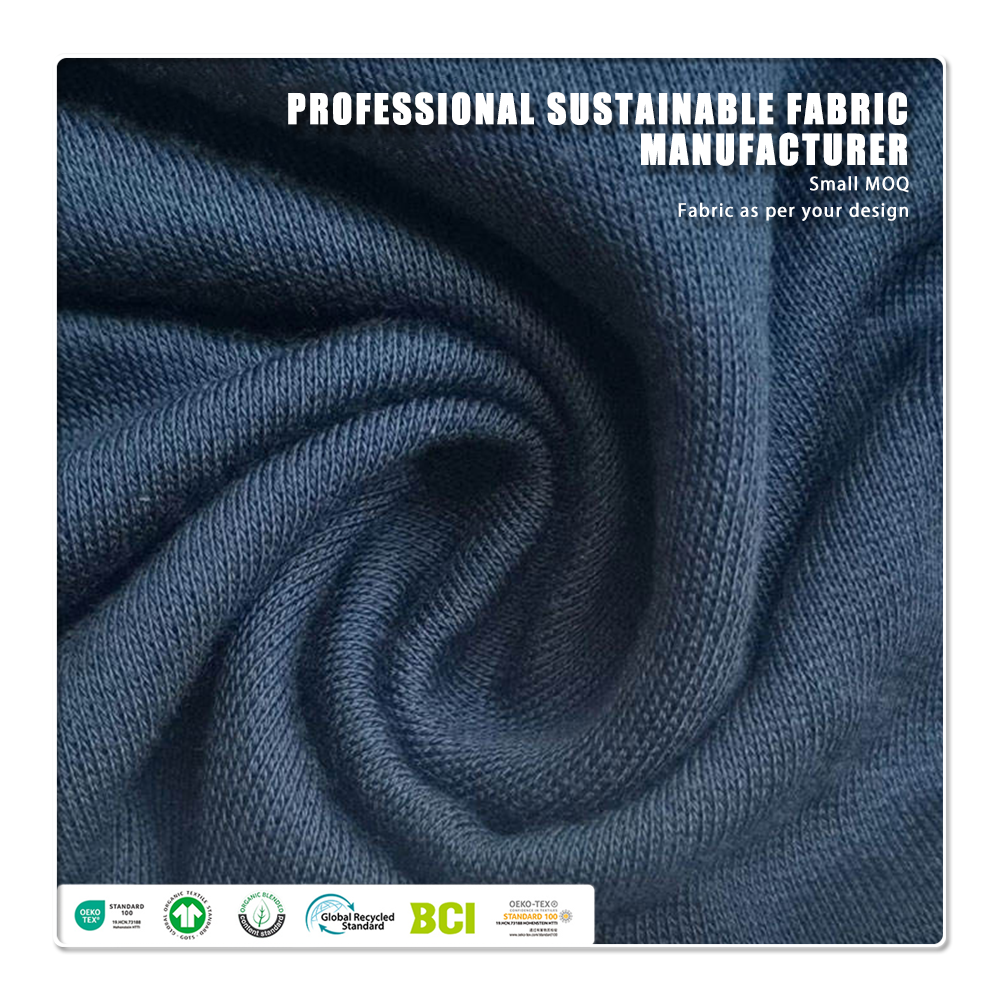
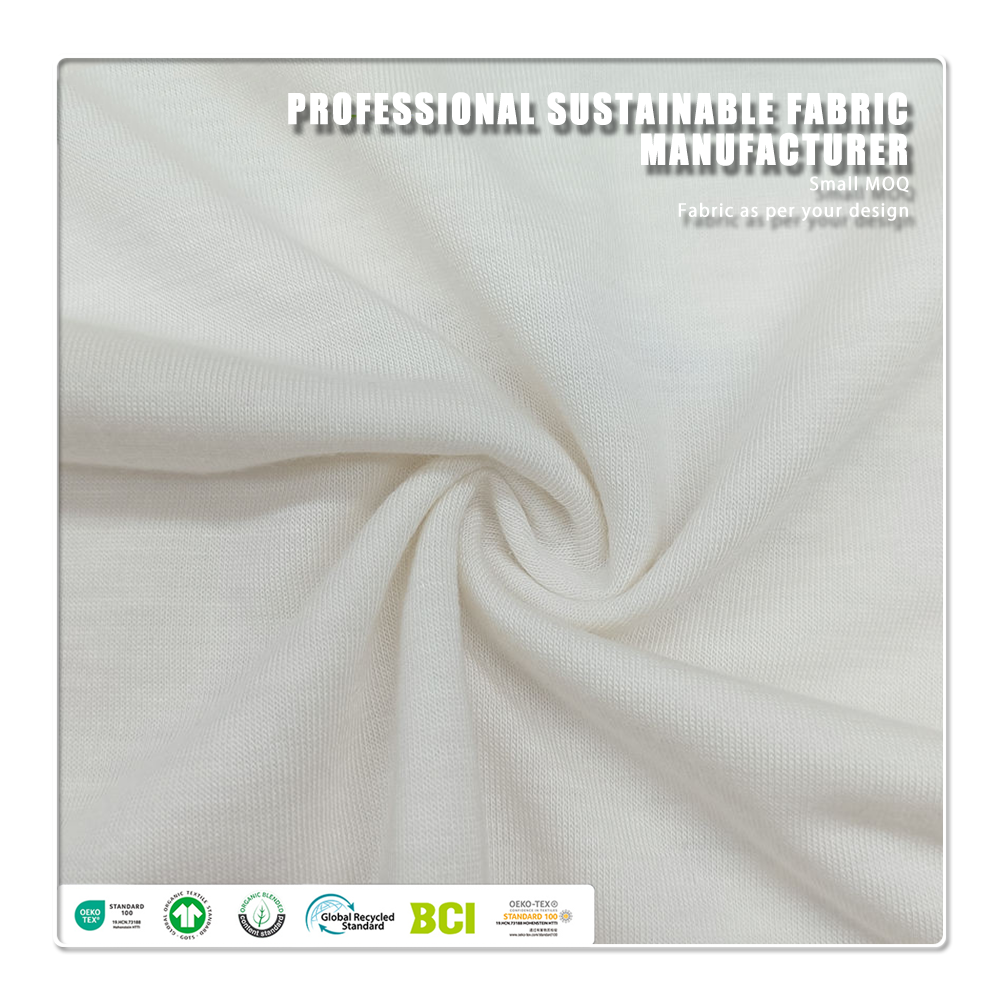
Key Specifications of Modal Fabric for Wholesale Buyers

Get a Free Quote

Our representative will contact you soon.
Email
Name
Mobile/WhatsApp
Company Name
Message
0/1000

material textil modal

Modal fabric is an eco-friendly textile made from beech tree pulp, known for its softness, breathability, and moisture-wicking properties. It’s increasingly favored in various industries, including fashion and home textiles, due to its sustainability and luxurious feel. B2B buyers, such as purchasing managers and product developers, often have specific concerns regarding the quality, sourcing, and application of modal fabrics. This article will provide essential insights into modal fabric specifications, sourcing options, advantages and disadvantages, key indicators to consider, and common sourcing challenges along with their solutions.

Where to Source Reliable Suppliers of Eco-Friendly Modal Textiles

Finding trustworthy suppliers of eco-friendly modal textiles requires thorough research and evaluation. Here are some strategies:

Industry Directories and Trade Shows: Utilize industry directories or attend trade shows that specialize in textiles and eco-friendly materials. These platforms often feature manufacturers and suppliers who adhere to sustainable practices.

Online Marketplaces: Platforms like Alibaba and Global Sources can be useful for identifying modal fabric suppliers, but it’s crucial to verify their certifications and request samples to assess quality.

Networking: Leverage industry connections or professional groups on LinkedIn to get recommendations on reputable suppliers. Networking can provide insights and experiences that aren't available through formal channels.

Certifications and Reviews: When evaluating suppliers, check for relevant certifications and read reviews or testimonials. A supplier with a history of delivering high-quality, certified products will likely meet your expectations.

Request Samples: Always request samples before placing a bulk order. This allows you to evaluate the fabric's properties, including texture, color fastness, and overall quality.

By employing these strategies, buyers can establish relationships with reliable suppliers who meet their eco-friendly modal fabric needs, including options like Eco-Friendly Stretch Waterproof Fabric for added versatility.
Pros and Cons

Like any material, modal fabric comes with its advantages and disadvantages that buyers should consider:

Pros: Softness and Comfort: Modal is known for its luxurious feel, making it ideal for garments worn close to the skin. Breathability and Moisture-Wicking: The fabric is highly breathable and can wick moisture away, making it suitable for activewear and summer clothing. Eco-Friendly: Made from renewable resources, modal is biodegradable, and many manufacturers ensure sustainable production practices. Durability: Modal retains its shape and finish, making it resistant to fading and wear, which is advantageous for long-term usage. Cons: Cost: Modal can be more expensive than conventional fabrics, which may affect budget-conscious projects. Care Requirements: Modal may require special washing instructions to maintain its properties, which can be a concern for consumers. Environmental Impact of Production: While the raw material is eco-friendly, the manufacturing process may involve chemicals that can be harmful if not managed properly.

Understanding these pros and cons can guide buyers in their decision-making process based on their specific application and customer expectations.

Key Indicators to Consider

When sourcing modal fabric, several key indicators can help buyers assess potential suppliers:

Quality Control Processes: Investigate the supplier's quality control measures. A reliable manufacturer should have a robust system for inspecting raw materials and finished products to ensure consistency and quality.

Production Capacity: Evaluate whether the supplier can meet your order quantities and lead times. A manufacturer with a monthly output of 200 tons, for example, might be more suitable for larger orders.

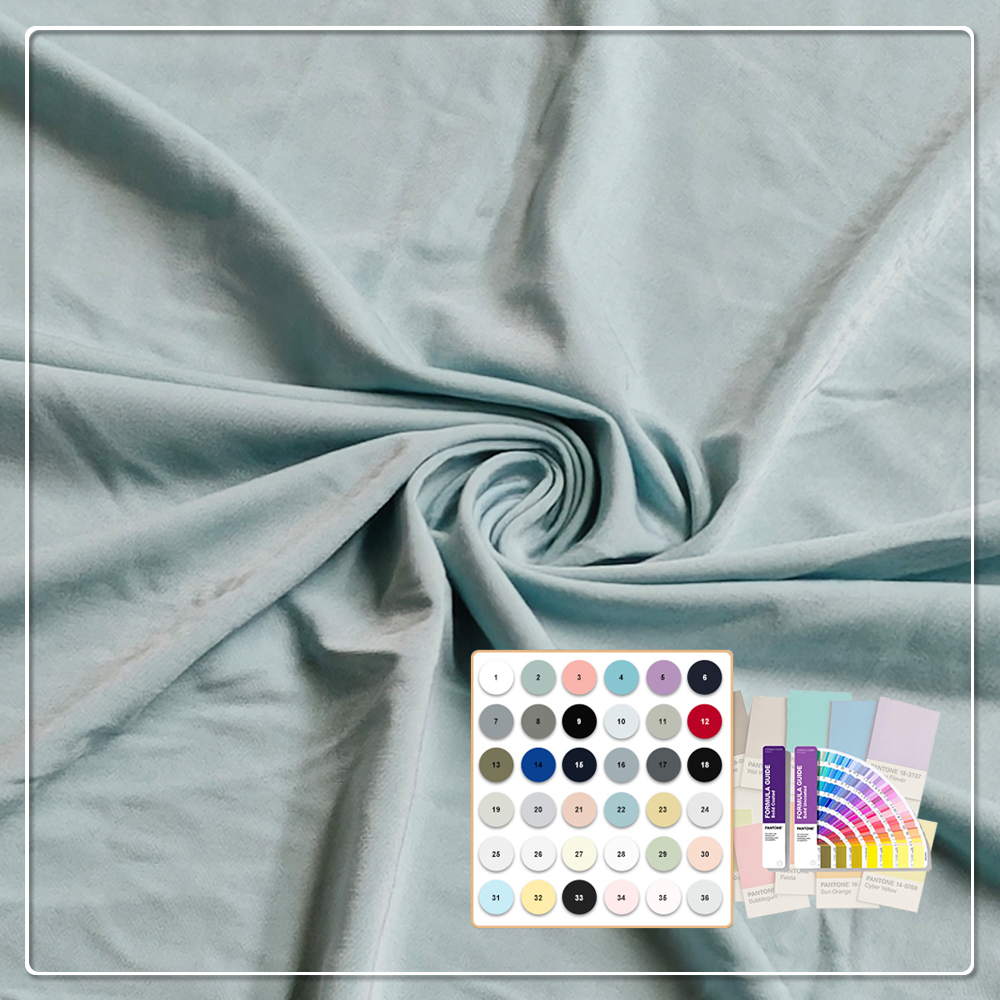
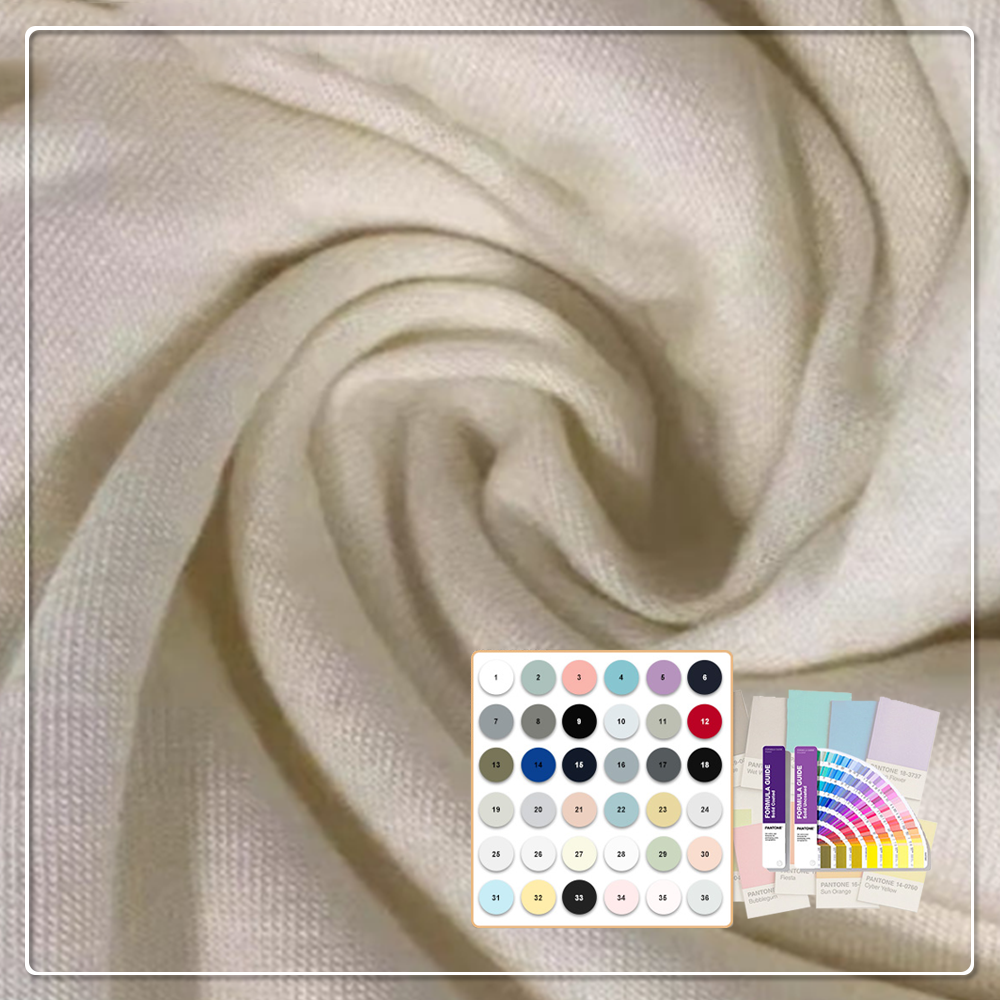
Customization Capabilities: Determine if the supplier can accommodate custom requests, such as specific colors or fabric blends, to meet your unique requirements.

Experience and Reputation: Look for suppliers with a proven track record in the industry. Experience often correlates with reliability and product quality.

Sustainability Practices: Ensure the supplier adheres to sustainable practices throughout the supply chain, from sourcing raw materials to manufacturing processes. Certifications such as GOTS and OEKO-TEX can be indicators of commitment to sustainability.

By considering these indicators, buyers can make more informed decisions and choose suppliers that align with their quality and sustainability goals.

Common Problems When Sourcing Modal Fabric and Their Solutions

Sourcing modal fabric can come with challenges that buyers should be aware of:

Quality Variability: Not all modal fabrics are created equal. Buyers may encounter variations in softness, color fastness, and shrinkage. Solution: Always request samples and conduct thorough quality checks before approving bulk orders.

Supplier Reliability: Inconsistent communication or delivery issues can disrupt production schedules. Solution: Establish clear communication channels and set expectations upfront regarding timelines and quality standards.

Limited Customization Options: Some suppliers may have rigid offerings that don’t meet specific needs. Solution: Look for manufacturers with a strong customization capability and a willingness to collaborate on unique projects.

Environmental Concerns: While modal is eco-friendly, the production process may involve harmful chemicals. Solution: Choose suppliers with transparent practices and certifications that demonstrate their commitment to sustainability.

Higher Costs: The price of modal can be a barrier for some buyers. Solution: Compare multiple suppliers and consider the total cost of ownership, including durability and longevity, when assessing value.

By anticipating these challenges and implementing the suggested solutions, buyers can navigate the sourcing process more effectively and ensure they receive high-quality modal fabrics that meet their needs, such as Eco-Friendly Bamboo Sorona Fabric that emphasizes both quality and sustainability.

What Are the Key Specifications of Modal Fabric for Wholesale Buyers?

When purchasing modal fabric, buyers should focus on several key specifications:

Material Composition: Modal is primarily made from beech tree pulp, which gives it its unique properties. Ensure the fabric is 100% modal for maximum softness and breathability, or check blends with other materials like cotton or polyester for specific applications. For instance, you might consider the Oeko-Tex Certified 69% Bamboo 31% Sorona Single Jersey Fabric for a blend that offers both comfort and antibacterial properties.

Weight and Thickness: Modal fabric comes in various weights, typically measured in grams per square meter (GSM). A higher GSM indicates a denser, more luxurious feel, while lighter options may be preferable for summer garments.

Color Fastness and Shrinkage: Look for fabrics with a color fastness rating of 4-5 and a shrinkage rate below 5%. These factors ensure that the fabric retains its appearance and size after washing, which is crucial for end-user satisfaction.

Certifications: Certifications such as OEKO-TEX, GOTS, and OCS are indicators of the fabric's eco-friendliness and adherence to safety standards. Ensure the supplier can provide documentation to support these claims.

Production Capabilities: A reliable supplier should have a robust manufacturing setup, including advanced circular knitting machines, to meet varying order sizes and customization needs.

Understanding these specifications helps buyers assess quality and suitability for their specific applications, ensuring they make informed purchasing decisions.

Our Blog Posts

How Tencel Modal Elevates the Comfort Standards of Modern Knitwear

13

Oct

How Tencel Modal Elevates the Comfort Standards of Modern Knitwear

The pursuit of comfort in the evolving reality of the fabric has been revolutionized into something not just about soft touch experience to a comprehensive performance, sustainability, and longevity criterion. The change has been witnessed in Shaoxin...
View More
How Tencel Modal Fabric Improves Garment Comfort Without Extra Weight

13

Oct

How Tencel Modal Fabric Improves Garment Comfort Without Extra Weight

With clothes that make you feel good, it was always a compromise, luxuriously soft clothes were bulky and substantial, and light weight clothes had a more “normal” feel about them. Something we have been unable to reconcile for a long tim...
View More
What B2B Buyers Need to Know About Tencel Modal’s Color Retention

13

Oct

What B2B Buyers Need to Know About Tencel Modal’s Color Retention

Color is not just a form of beauty to the B2B buyers in the textile industry, but it is also a brand name. The fact that a garment loses its color or becomes dull after a couple of washings not only damages the product but also the confidence of the ...
View More
Why Tencel Modal Fabric Fits the Needs of Global Fashion Markets

13

Oct

Why Tencel Modal Fabric Fits the Needs of Global Fashion Markets

Across the globe, the fashion industry is experiencing radical change. From North America to Asia, shoppers everywhere are clamoring for fashion that is chic, but additionally eco-friendly, resilient and comfortable. During this shifting setting, Ten...
View More

Get a Free Quote

Our representative will contact you soon.
Email
Name
Mobile/WhatsApp
Company Name
Message
0/1000

Related product categories

Get a Free Quote

Our representative will contact you soon.
Email
Name
Mobile/WhatsApp
Company Name
Message
0/1000