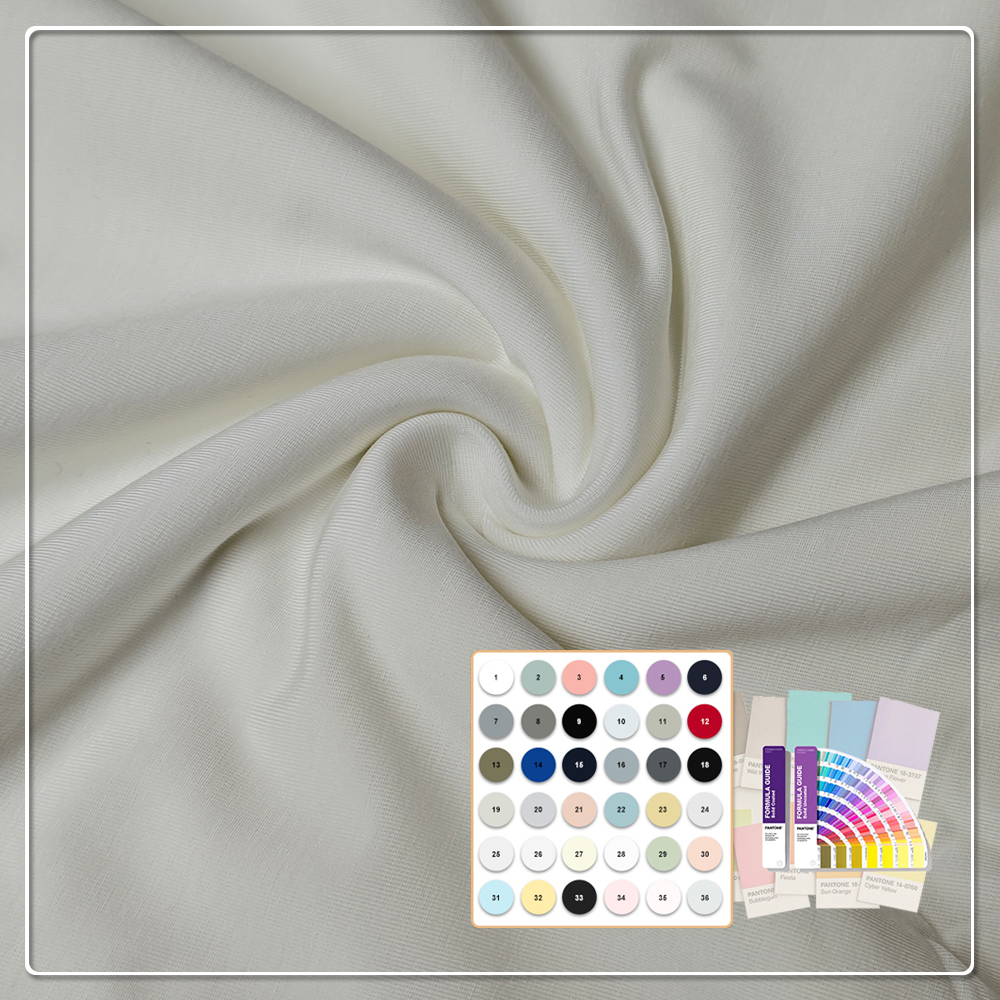
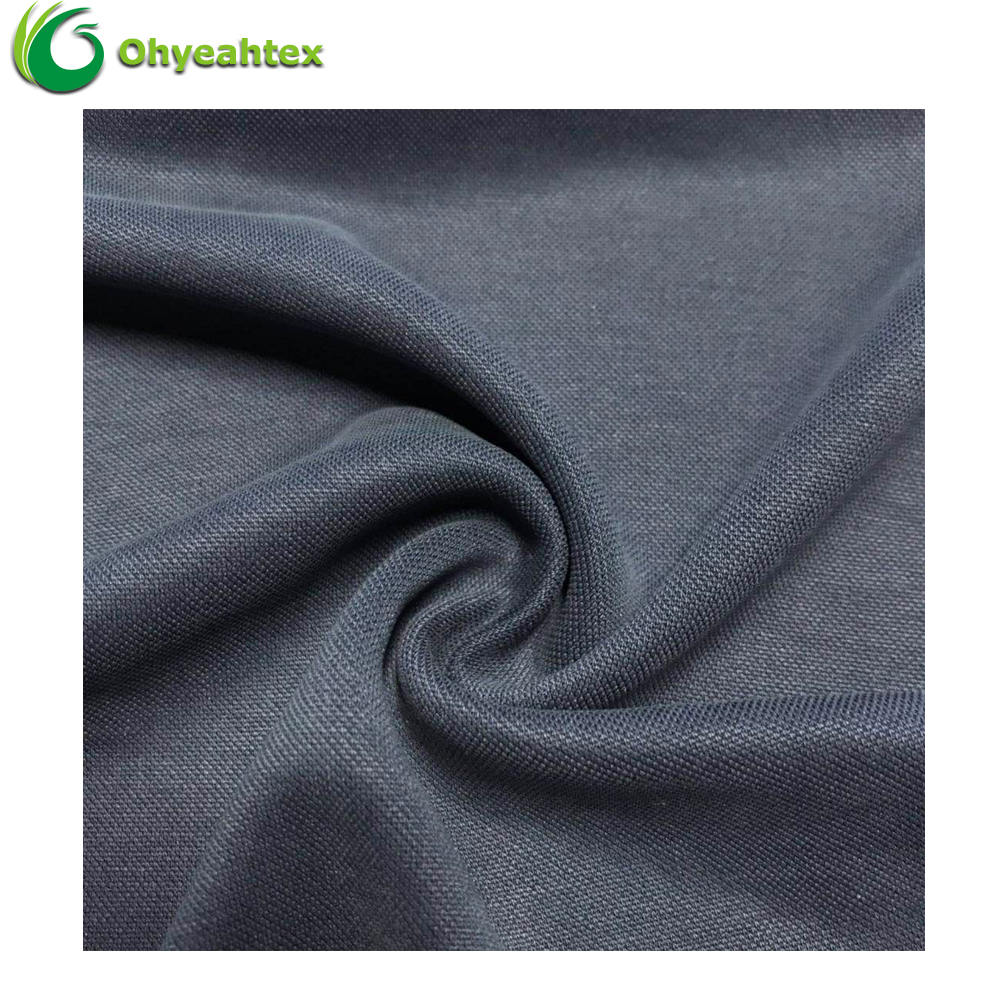
Modal Breathable Fabric Overview for B2B Buyers

Get a Free Quote

Our representative will contact you soon.
Email
Name
Mobile/WhatsApp
Company Name
Message
0/1000

modal breathable fabric

Modal breathable fabric is an innovative textile known for its moisture-wicking properties and comfort, making it ideal for various applications in the manufacturing and commercial sectors. Buyers often seek high-quality materials that not only meet their performance standards but also align with sustainability goals. This article explores key considerations for selecting modal breathable fabric, including specifications, cost factors, common installation problems, quality assurance solutions, and its applications across different industries.

Cost Factors for Bulk Orders of Modal Breathable Fabric

Purchasing modal breathable fabric in bulk can present several cost considerations:

Material Costs: The price per yard may vary based on the fabric's composition and the sourcing of raw materials. Eco-friendly options may carry a premium, but they can also enhance your brand's sustainability image.

Order Quantity: Manufacturers typically establish minimum order quantities (MOQs). Larger orders often yield better pricing per unit, so it’s beneficial to consider how much fabric you need to maximize savings.

Production Setup Fees: For custom designs or colors, initial setup costs may apply. Understanding these fees upfront can help you budget more effectively.

Shipping and Handling: Depending on the destination and volume, shipping costs can significantly affect total expenses. It’s advisable to discuss logistics with your supplier to anticipate potential charges.

Lead Times: Longer lead times can impact your project timelines, particularly if you’re working on tight schedules. Ensure that your supplier can meet your delivery deadlines to avoid costly delays.

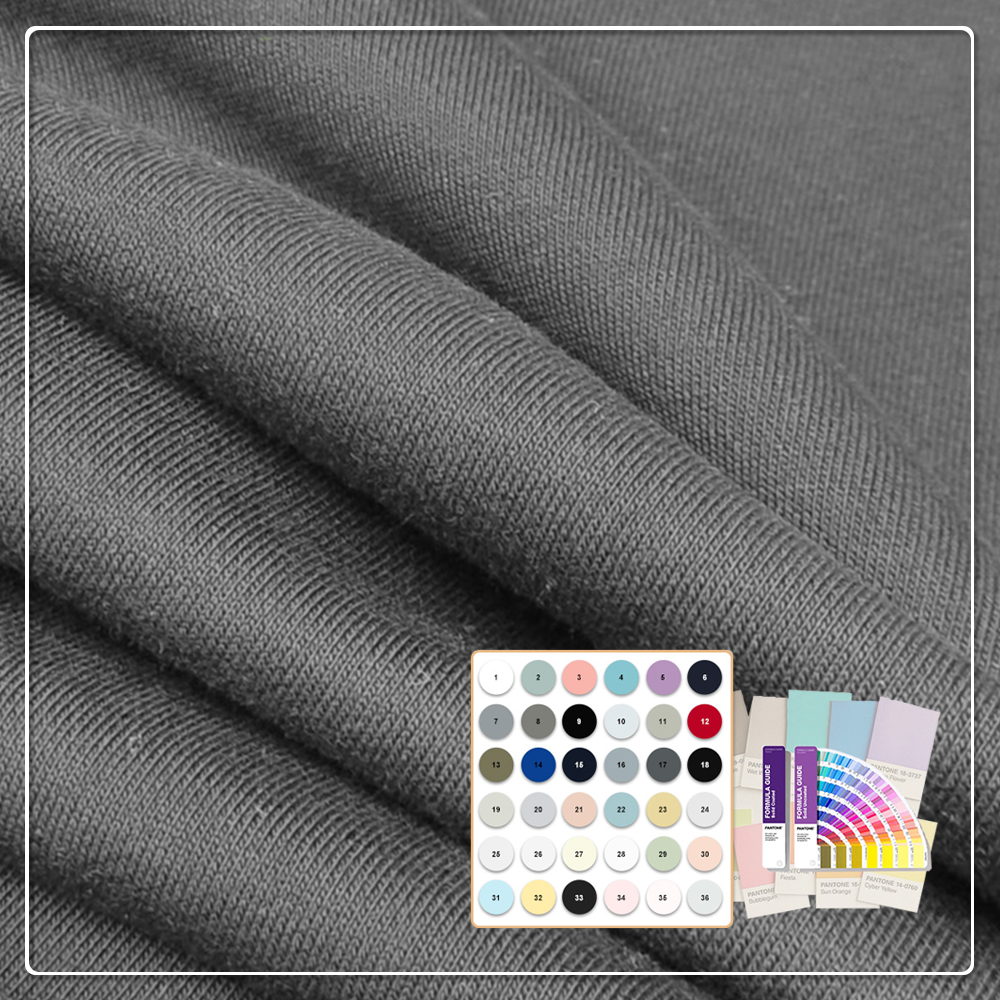
Common Installation Problems with Modal Breathable Fabrics

While modal breathable fabrics offer excellent performance, installation can sometimes lead to challenges:

Material Stretching or Shrinkage: Improper handling during the installation process can lead to stretching or shrinkage. Prior to installation, ensure that the fabric is pre-washed or steamed to minimize these risks.

Incompatibility with Equipment: When using automated cutting or sewing machines, ensure that the fabric's weight and stretch characteristics are compatible with your machinery. This helps to avoid issues during production, such as misalignment or fabric damage.

Seam Integrity: Modal fabrics require specific stitching techniques to maintain seam strength. Using the wrong type of thread or stitch can result in seam failure, particularly in high-stress areas of the final product.

Color Matching: Variations in dye lots can occur, especially with larger orders. Always request a sample before proceeding with bulk orders to ensure that color consistency meets your specifications.

Solutions for Ensuring Quality in Modal Breathable Fabric Sourcing

To guarantee the quality of modal breathable fabric, consider implementing the following practices:

Sample Approval: Before mass production, obtain samples to evaluate the fabric's texture, weight, and performance characteristics. This step is essential to confirm that the material meets your specifications.

Vendor Audits: Conduct regular audits of your suppliers to ensure they adhere to quality control standards. This includes reviewing their certifications and quality management processes.

Testing Procedures: Implement rigorous testing for color fastness, shrinkage, and overall durability. Independent testing labs can provide unbiased evaluations to verify that the fabric meets industry standards.

Clear Communication: Maintain open lines of communication with your supplier regarding your quality expectations. Detailed specifications and requirements should be shared upfront to minimize misunderstandings.

Post-Production Inspections: After production, conduct thorough inspections of the finished fabric to catch any defects or inconsistencies before they impact your product.

Applications of Modal Breathable Fabric in Various Industries

Modal breathable fabric is versatile and finds applications across multiple industries:

Fashion and Apparel: Its softness and breathability make modal an ideal choice for activewear, loungewear, and casual clothing. Brands focusing on comfort and sustainability can leverage modal's properties to appeal to eco-conscious consumers.

Home Textiles: Modal is increasingly used in bed linens and soft furnishings due to its luxurious feel and ease of care. Its moisture-wicking capabilities enhance comfort in bedding applications.

Medical Textiles: In healthcare, modal fabrics are used in garments and medical accessories due to their hypoallergenic properties and ability to wick moisture away from the skin, providing comfort to patients.

Outdoor Gear: The fabric's breathability and lightweight characteristics make it suitable for outdoor apparel, including hiking and camping gear, where moisture management is critical.

Children’s Clothing: Due to its softness and eco-friendly attributes, modal is an excellent option for children’s clothing, ensuring comfort and safety for sensitive skin. Additionally, the use of Tencel Modal in children's clothing can further enhance its sustainability and softness.

By carefully considering the specifications, costs, and potential challenges of modal breathable fabric, buyers can make informed decisions that align with their operational needs and sustainability goals. This comprehensive understanding will not only enhance product quality but also foster stronger supplier relationships, ensuring a smooth procurement process.

Specifications to Consider When Selecting Modal Breathable Fabric

When choosing modal breathable fabric, several specifications should be evaluated to ensure compatibility with the intended application. Key factors include:

Material Composition: Modal is derived from beech trees and is known for its softness and breathability. When selecting fabric, consider blends that enhance durability or moisture management, such as bamboo or organic cotton blends, which are available from manufacturers like Shaoxing City Ohyeah Textile Co., Ltd.

Weight and Thickness: The weight of the fabric affects its performance. Lighter fabrics are more breathable and suitable for warm climates, while heavier options provide more durability. Understanding the intended use will guide your choice between lightweight and heavier variants.

Shrinkage and Color Fastness: Buyers should verify shrinkage rates, ideally below 5%, and color fastness ratings of level 4-5, which indicate how well the fabric maintains its color after washing and exposure to light. These factors are crucial for long-term satisfaction and usability.

Certifications: Look for eco-friendly certifications like OEKO-TEX, GOTS, OCS, and GRS, as these ensure the fabric meets environmental and safety standards. This is particularly relevant for companies seeking sustainable sourcing options.

Customization Options: Many manufacturers offer customization in terms of color, pattern, and finishing processes. Understanding these options can help you meet specific branding or operational requirements.

Our Blog Posts

Global Top 10 Bamboo Fabric Suppliers: Ecocert Organic Certified Leaders | Ohyeahtex

05

Dec

Global Top 10 Bamboo Fabric Suppliers: Ecocert Organic Certified Leaders | Ohyeahtex

This comprehensive report, based on a meticulous analysis of industry sources, authoritative certifications, production capacity, and global market presence, identifies the world's Top 10 most influential bamboo fiber fabric manufacturers. These ra...
View More
Why Tencel Lyocell Meets the Needs of Eco-Conscious Apparel Brands

29

May

Why Tencel Lyocell Meets the Needs of Eco-Conscious Apparel Brands

Making sustainable clothing is no small feat. Eco-friendly brands need materials that are truly sustainable while still delivering comfort, quality, and performance. Lots of 'green' materials have one or more major weaknesses that are overlooked or m...
View More
How Tencel Lyocell Fabric Supports Premium Apparel Manufacturing

13

Oct

How Tencel Lyocell Fabric Supports Premium Apparel Manufacturing

If there is one thing that separates mediocre and exceptional clothes, it is the type of fabric. As manufacturers strive to produce clothing that epitomizes luxurious and resilient designs that are also ethically sourced, Tencel lyocell fabric has qu...
View More
Why Modal Tencel Material Is Popular Among Textile Wholesalers

13

Oct

Why Modal Tencel Material Is Popular Among Textile Wholesalers

When we engage in wholesale of textiles in a dynamic and demanding environment like the one we live in, the supply is of key relevance. We need products that satisfy, more than anything else, fundamental elements, quality, price and demand on the mar...
View More

Get a Free Quote

Our representative will contact you soon.
Email
Name
Mobile/WhatsApp
Company Name
Message
0/1000

Related product categories

Get a Free Quote

Our representative will contact you soon.
Email
Name
Mobile/WhatsApp
Company Name
Message
0/1000