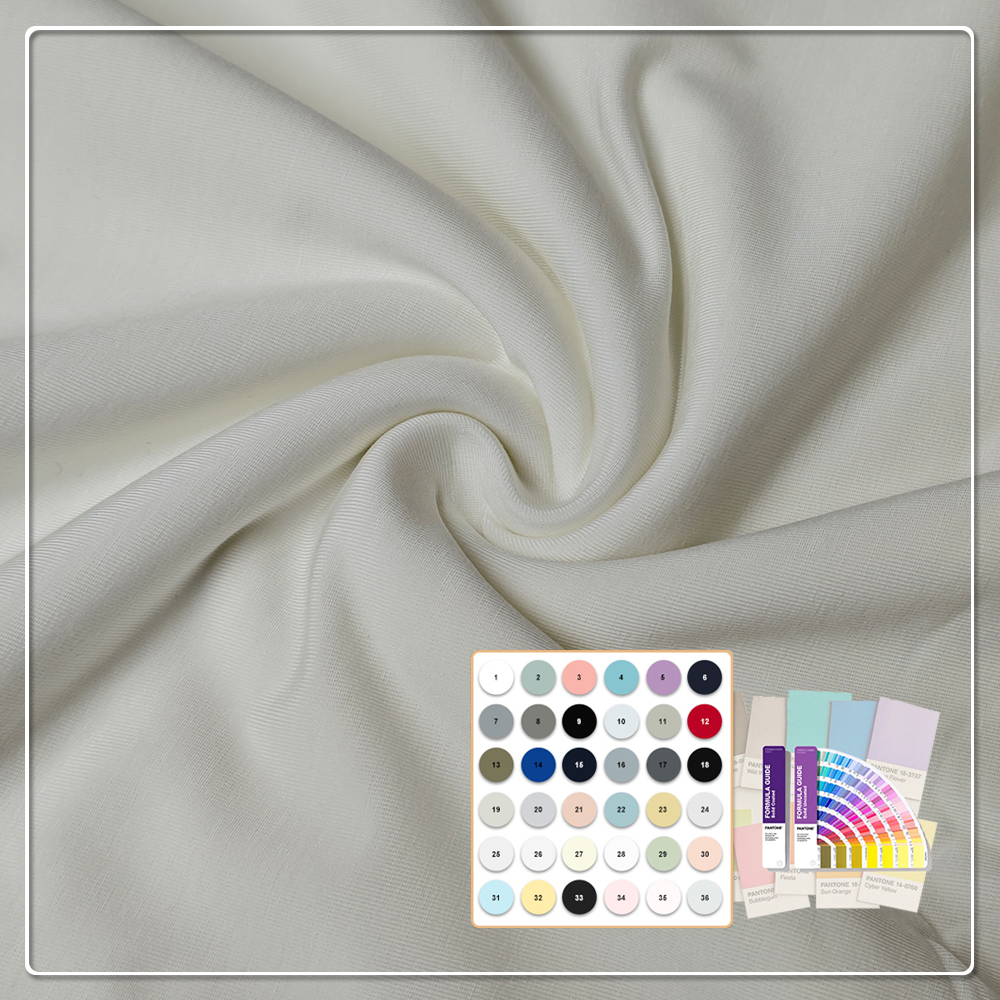
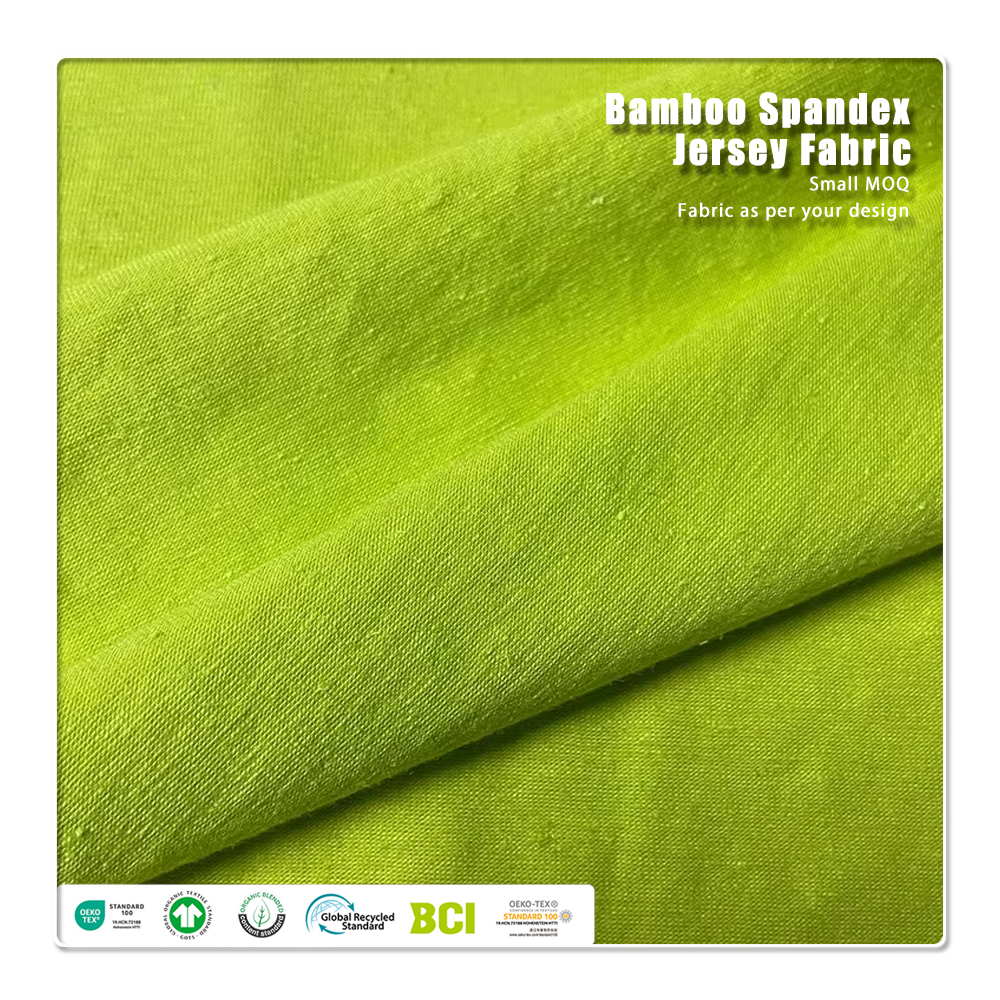
Quality Modal Fiber for Sustainable Textiles

Get a Free Quote

Our representative will contact you soon.
Email
Name
Mobile/WhatsApp
Company Name
Message
0/1000

modal fiber

Modal fiber is a sustainable textile derived from beech trees, known for its exceptional softness, breathability, and eco-friendly properties. As businesses increasingly prioritize sustainability, understanding the quality and sourcing of modal fiber becomes essential for purchasing managers, distributors, and manufacturers in the textile industry. This article will help you evaluate modal fiber quality, source reliable suppliers, compare it with other materials, understand its specifications, and address common issues you may encounter in its use.

Where to Source Reliable Suppliers of Modal Fiber Fabrics

Finding trustworthy suppliers of modal fiber fabrics requires diligent research and evaluation. Here are some effective strategies:

Industry Directories and Trade Shows: Utilize industry-specific directories and attend trade shows focused on textiles and sustainable materials. These platforms often feature reputable manufacturers, allowing you to establish direct connections.

Certifications and Compliance: Look for suppliers with recognized certifications, such as GOTS (Global Organic Textile Standard) and OCS (Organic Content Standard). These certifications validate the supplier's commitment to sustainable practices and product quality.

Supplier Evaluation: Conduct thorough evaluations by requesting references and customer testimonials. A reliable supplier should be willing to provide information about their production capabilities, lead times, and previous client experiences.

Sample Requests: Before committing to a large order, request samples from potential suppliers. This allows you to assess the quality of their modal fiber and determine if it meets your specifications and expectations.

Local vs. Global Suppliers: Consider the advantages and disadvantages of sourcing from local versus global suppliers. Local suppliers may offer faster shipping and easier communication, while global suppliers may provide more competitive pricing and a wider range of options.

By carefully sourcing suppliers who meet these criteria, you can ensure a reliable supply of quality modal fiber for your business needs.
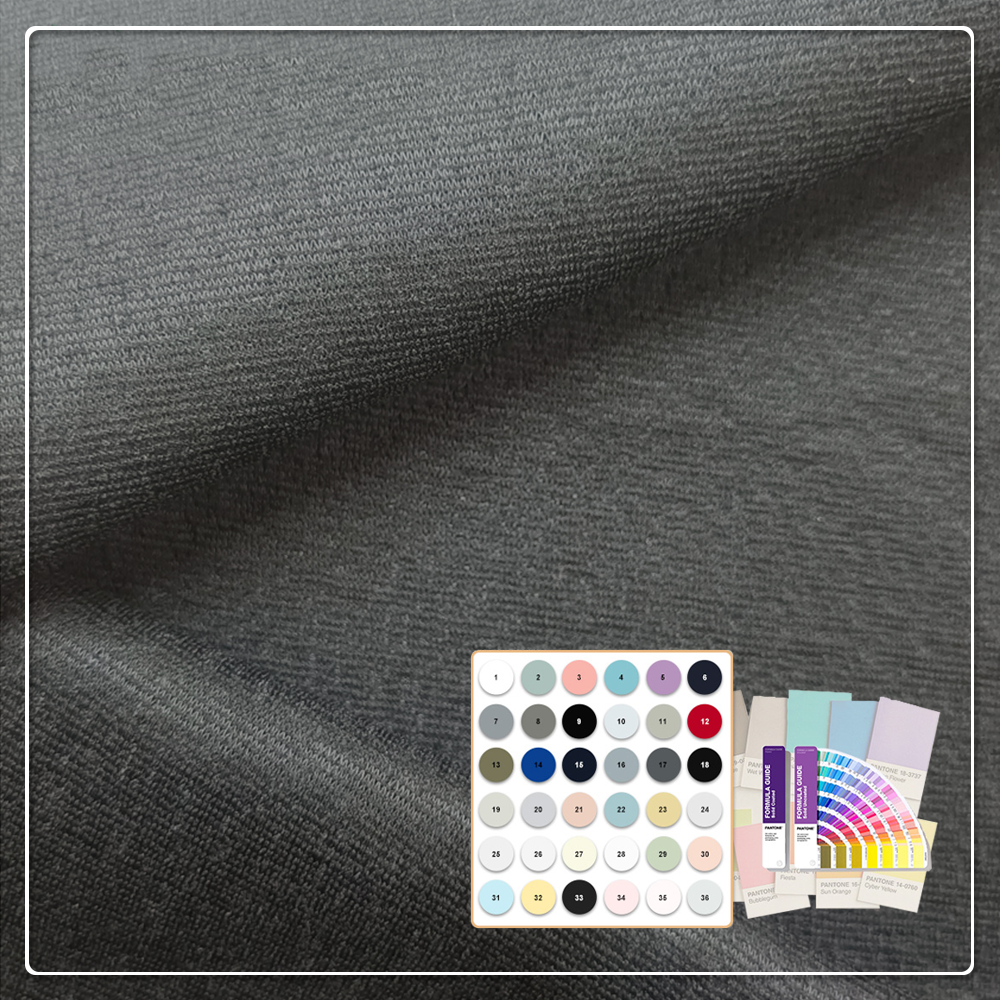
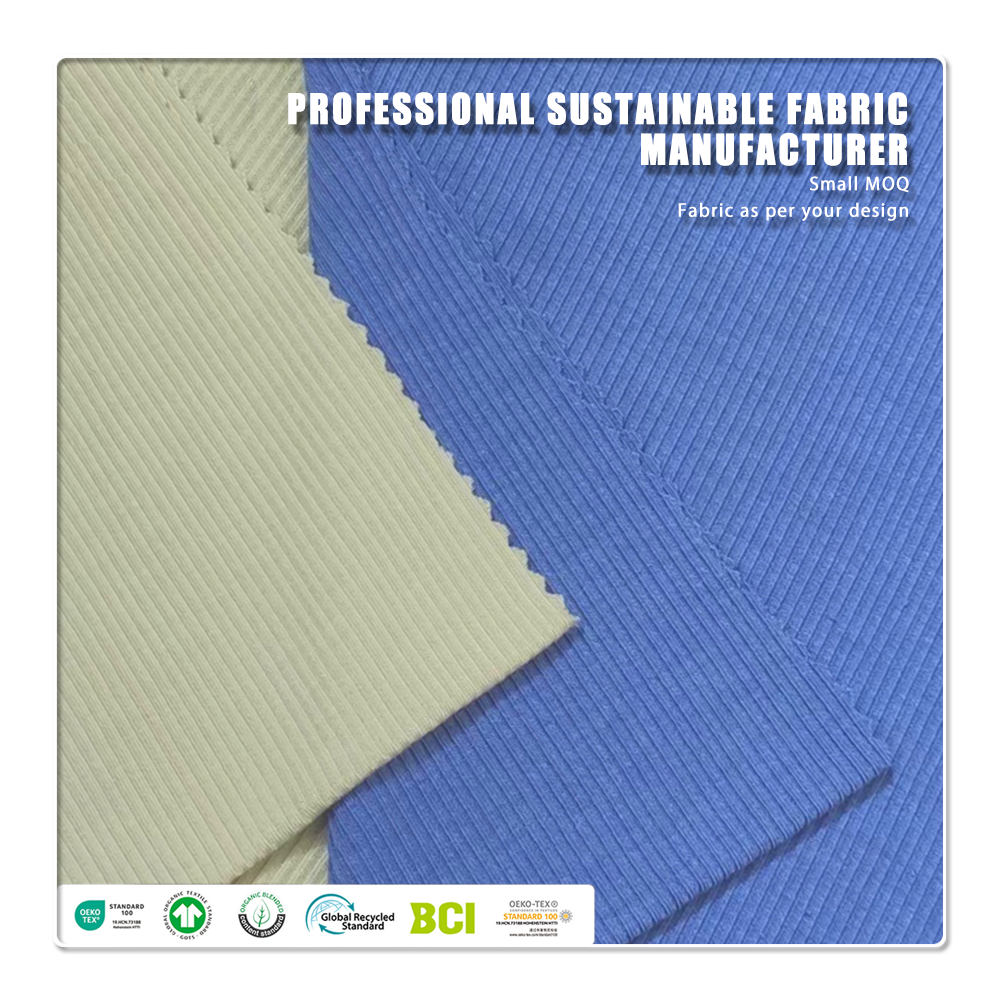
Comparing Modal Fiber with Other Eco-Friendly Materials

Understanding how modal fiber stacks up against other eco-friendly materials helps in making informed sourcing decisions. Here’s a comparison of modal fiber with some common alternatives:

Bamboo Fiber: While bamboo is also eco-friendly, it often undergoes extensive chemical processing, which can negate its sustainability benefits. Modal, derived from beech trees, is generally processed in a more environmentally friendly manner.

Organic Cotton: Organic cotton is a popular alternative due to its biodegradability and lower environmental impact compared to conventional cotton. However, modal fiber typically offers superior softness and moisture-wicking properties, making it more suitable for certain applications like activewear. You might find Organic Cotton Fabric to be a suitable option as well.

Recycled Polyester: Although recycled polyester is advantageous for reducing plastic waste, it does not provide the same level of breathability and comfort as modal fiber. For applications requiring softness, modal is often the better choice.

Tencel: Tencel, a branded form of lyocell (similar to modal), is made from sustainably sourced wood and processed using a closed-loop method. Both Tencel and modal share similar properties, but modal may offer a more cost-effective solution without sacrificing quality.

By comparing modal fiber with these materials, you can better assess which option aligns with your sustainability goals and product requirements.

Specifications You Need to Know About Modal Fiber Products

When dealing with modal fiber products, certain specifications are crucial to ensure they meet your application needs:

Fabric Structure: Modal fiber can be blended with other materials (like cotton or spandex) to enhance its properties. Specify whether you need a pure modal fabric or a blended version for specific performance characteristics.

Weight and Thickness: The GSM and thickness of the fabric affect its durability and drape. Higher GSM fabrics are often more durable, while lighter options may be preferred for garments requiring more flow.

Finish Treatments: Modal fabrics can undergo various finish treatments (e.g., softening agents, anti-wrinkle finishes). Discuss these treatments with your supplier to ensure the final product meets your expectations.

Compliance Standards: Ensure that the modal fiber products comply with relevant industry standards, such as GOTS or OEKO-TEX, which assure consumers of the fabric's sustainability and safety.

Customization Options: If your project requires specific colors or patterns, check the supplier's customization capabilities. Many manufacturers can accommodate custom dyeing and printing processes.

By confirming these specifications, you’ll ensure that the modal fiber products you source will perform effectively in your intended applications.

Common Problems with Modal Fiber and Their Practical Solutions

Despite its many advantages, modal fiber can present some challenges. Here are common issues and practical solutions:

Pilling: Modal fibers can pill over time, especially in high-friction areas. To mitigate this, opt for higher-quality modal blends and consider incorporating a tighter weave or additional synthetic fibers.

Color Fading: While modal typically has good color retention, improper dyeing techniques can lead to fading. Ensure your supplier employs high-quality dyeing processes and provides fabrics with a minimum color fastness rating of 4.

Shrinkage: Modal fabrics can shrink when washed improperly. To address this, recommend that customers follow specific care instructions, such as washing in cold water and air drying, or consider pre-shrinking the fabric during production.

Cost Variability: Modal can be more expensive than traditional fabrics. To keep costs manageable, evaluate bulk purchasing options and consider long-term supply agreements with trusted suppliers to negotiate better pricing.

Compatibility with Other Materials: When blended with synthetic fibers, modal’s unique properties may alter. Conduct thorough testing with prototype garments to ensure the final product meets performance expectations.

By anticipating these common challenges and implementing practical solutions, you can enhance the usability and appeal of modal fiber in your applications.

By understanding these aspects of modal fiber, you can make more informed purchasing decisions, ensuring that your products meet both quality and sustainability standards.

How to Evaluate the Quality of Modal Fiber for Bulk Purchases

When assessing modal fiber for bulk purchases, several key quality indicators should be considered:

Fiber Composition: Verify that the modal fiber is sourced from sustainably managed forests, as indicated by certifications such as OEKO-TEX or FSC. This ensures that the material is not only eco-friendly but also safe for consumers.

Fabric Weight and Thickness: Evaluate the GSM (grams per square meter) of the fabric. Higher GSM typically indicates a denser, more durable fabric, which is essential for various applications, from apparel to home textiles.

Color Fastness and Shrinkage: Check for color fastness ratings and shrinkage percentages, with a level of 4-5 for color fastness and shrinkage below 5% being ideal. This information is crucial for maintaining the fabric's appearance after washing.

Feel and Drapability: Request samples to assess the hand feel and drape of the fabric. High-quality modal should feel soft and luxurious while also exhibiting good drapability, making it suitable for various designs.

Quality Control Measures: Inquire about the manufacturer's quality control processes, including testing procedures for fabric performance and durability. A reputable supplier should have standardized testing protocols in place.

By focusing on these factors, you can ensure that the modal fiber you purchase meets the quality standards necessary for your applications. Additionally, consider exploring Tencel Modal for other sustainable fabric options that may complement your modal fiber.

Our Blog Posts

Why Tencel Lyocell Fabric Supports High-End Apparel Production

29

May

Why Tencel Lyocell Fabric Supports High-End Apparel Production

High-end garments require a special quality that goes beyond price. They offer exquisite hand-feel,flawless drape,consistent quality,and a story that appeals to sophisticated consumers. When a manufacturer or brand intends to succeed in the high-end ...
View More
Why Tencel Modal Is Popular Among Premium Clothing Brands

29

May

Why Tencel Modal Is Popular Among Premium Clothing Brands

The secret to many premium brands lies in offering something truly exceptional. From an exquisite hand feel to an incredible drape or an environmentally responsible story to tell, every nuance matters. Tencel Modal has long been a favored fiber among...
View More
How Tencel Lyocell Fabric Supports Premium Apparel Manufacturing

13

Oct

How Tencel Lyocell Fabric Supports Premium Apparel Manufacturing

If there is one thing that separates mediocre and exceptional clothes, it is the type of fabric. As manufacturers strive to produce clothing that epitomizes luxurious and resilient designs that are also ethically sourced, Tencel lyocell fabric has qu...
View More
Why Tencel Lyocell Material Is Trusted by Premium Clothing Manufacturers

13

Oct

Why Tencel Lyocell Material Is Trusted by Premium Clothing Manufacturers

When there's a lot of losing to do in the quality department, it's about the brand's made of. The best quality makers understand they should be creating garments with top quality fabrics. They must have high standards of reliability, performance and ...
View More

Get a Free Quote

Our representative will contact you soon.
Email
Name
Mobile/WhatsApp
Company Name
Message
0/1000

Related product categories

Get a Free Quote

Our representative will contact you soon.
Email
Name
Mobile/WhatsApp
Company Name
Message
0/1000