Key Specifications for Modal Printed Fabric Wholesale

Get a Free Quote

Our representative will contact you soon.
Email
Name
Mobile/WhatsApp
Company Name
Message
0/1000

modal printed fabric

Modal printed fabric is a popular choice in the textile industry, known for its luxurious feel and eco-friendly properties. As a B2B buyer, you may be particularly concerned about the quality, specifications, and application of such fabrics. This article provides insights into modal printed fabric, focusing on key specifications, purchasing factors, installation guidance, and the advantages of choosing eco-friendly options. Our goal is to equip you with the knowledge needed to make informed decisions that align with your business needs.

How to Choose the Right Modal Printed Fabric for Your Projects

When evaluating modal printed fabrics, consider the following aspects:

Print Quality: Assess the clarity and vibrancy of the prints. High-quality printing techniques, such as digital printing, provide more intricate designs and color accuracy.

Feel and Texture: Touch and feel the fabric to determine its softness and comfort. Modal is renowned for its silky texture, which enhances the overall appeal of the final product.

Durability: Investigate the fabric's resistance to wear and tear, especially if it will be used in high-traffic applications. Test samples to ensure they withstand repeated use without significant degradation.

Sustainability: Given the growing emphasis on eco-friendly practices, verify the sustainability of the modal fabric. Look for information on sourcing practices and the environmental impact of the manufacturing process.

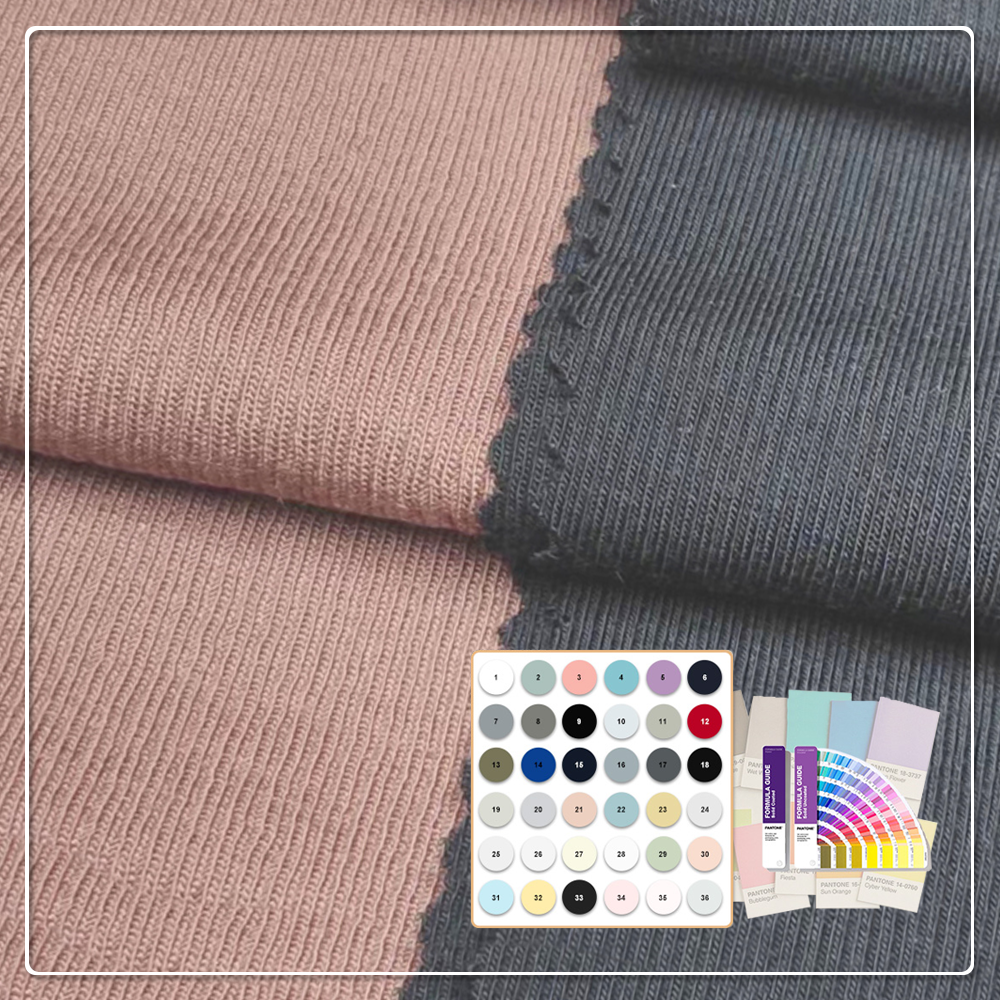
Customization Options: Check if the supplier offers customization in terms of print designs, colors, and fabric blends. This flexibility can help you develop unique products that stand out in the market.
Benefits of Sourcing Eco-Friendly Modal Printed Fabric Wholesale

Understanding the cost structure of modal printed fabric will help you effectively budget for your purchasing needs. Key factors influencing pricing include:

Material Costs: The base cost of modal fiber can fluctuate based on market demand and sourcing practices. Ensure you’re aware of current pricing trends.

Production Volume: Bulk purchases often come with discounts. Establish your minimum order quantity (MOQ) with the supplier to get the best pricing.

Printing Techniques: Different printing methods can have varying costs. For instance, digital printing may be more expensive than screen printing but offers higher quality and customization.

Shipping and Handling: Factor in the costs associated with transporting the fabric from the manufacturer to your location. This includes freight charges and any customs duties if importing.

Quality Control: Consider the cost of quality assurance processes. Investing in thorough inspections can prevent costly mistakes in the long run by ensuring fabric quality before mass production.

Common Problems with Modal Printed Fabric and Effective Solutions

Installing modal printed fabric will vary based on the application, whether it’s for clothing, upholstery, or other uses. Here are some general guidelines:

Clothing: For garments, ensure proper pattern alignment when cutting the fabric to maintain print consistency. Use appropriate sewing techniques that accommodate the fabric's stretch and drape.

Upholstery: When using modal fabric for upholstery, consider its stretch characteristics. It may require different techniques compared to more rigid fabrics. Ensure the fabric is securely attached to avoid movement.

Home Textiles: For curtains or bed linens, pre-wash the fabric to account for any shrinkage. This step will help maintain the final dimensions after installation.

Care Instructions: Provide end-users with clear care instructions specific to modal fabric. This should include washing temperatures, drying methods, and ironing guidelines to preserve the fabric's quality.

Sample Approval: Before proceeding with a full installation, obtain and test samples under actual conditions. This will help identify any potential issues related to fit, appearance, or durability.

Where to Find Reliable Suppliers of Modal Printed Fabric for Distributors

Choosing eco-friendly modal printed fabric offers several benefits that can enhance your business's sustainability profile:

Sustainable Sourcing: Modal is produced from renewable beech trees, making it a more sustainable option compared to synthetic fibers derived from petroleum. This aligns with growing consumer demand for environmentally responsible products.

Biodegradability: Modal fibers are biodegradable, contributing to reduced environmental impact at the end of their life cycle compared to synthetic alternatives.

Consumer Appeal: As consumers become more eco-conscious, offering products made from sustainable materials can differentiate your brand and attract a loyal customer base.

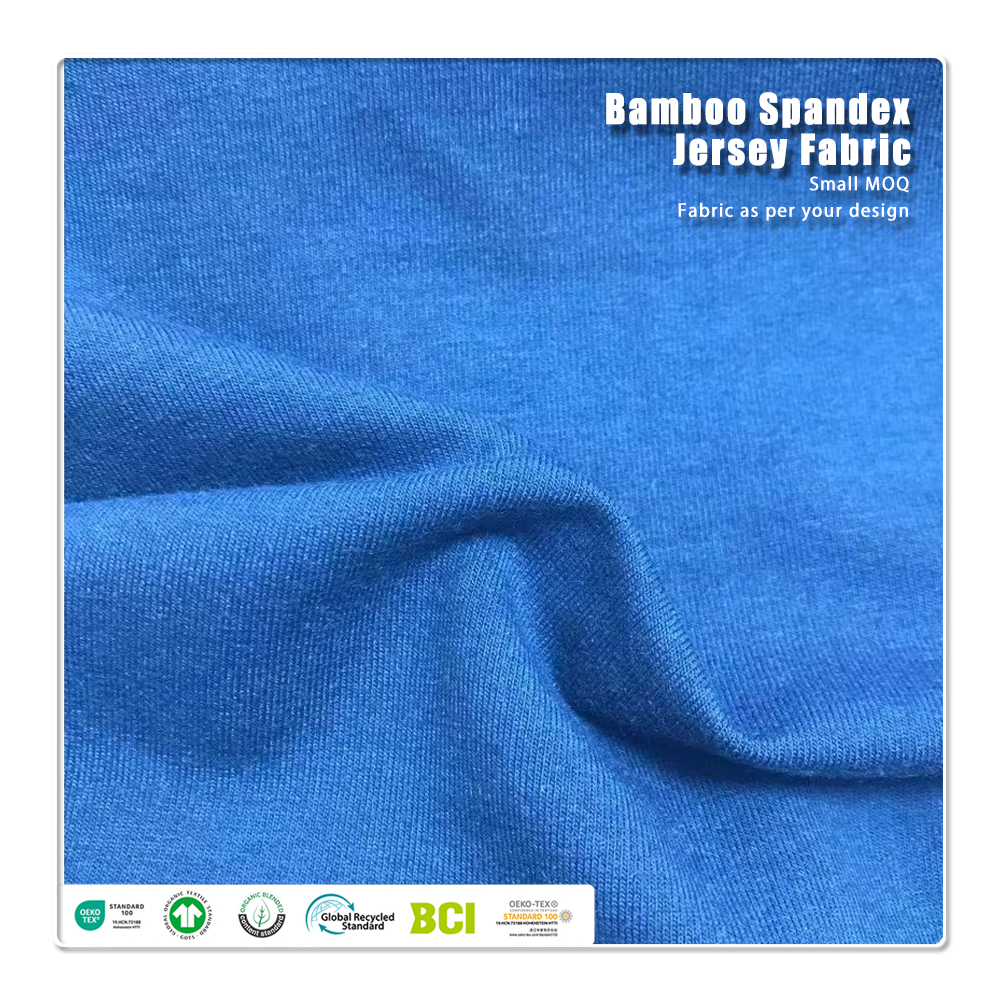
Comfort and Performance: Eco-friendly modal retains the desirable qualities of traditional modal, such as softness and moisture-wicking properties, making it suitable for various applications from clothing to home textiles. For example, consider using eco-friendly bamboo fabrics for their additional benefits.

Compliance with Regulations: Using certified eco-friendly fabrics can help your business comply with increasingly strict environmental regulations, potentially avoiding legal issues and enhancing your reputation.

By understanding these aspects of modal printed fabric, you can make informed purchasing decisions that align with your business objectives while ensuring high-quality products for your customers.

Key Specifications for Modal Printed Fabric in Bulk Orders

When sourcing modal printed fabric, several key specifications should be evaluated to ensure that it meets your requirements. These include:

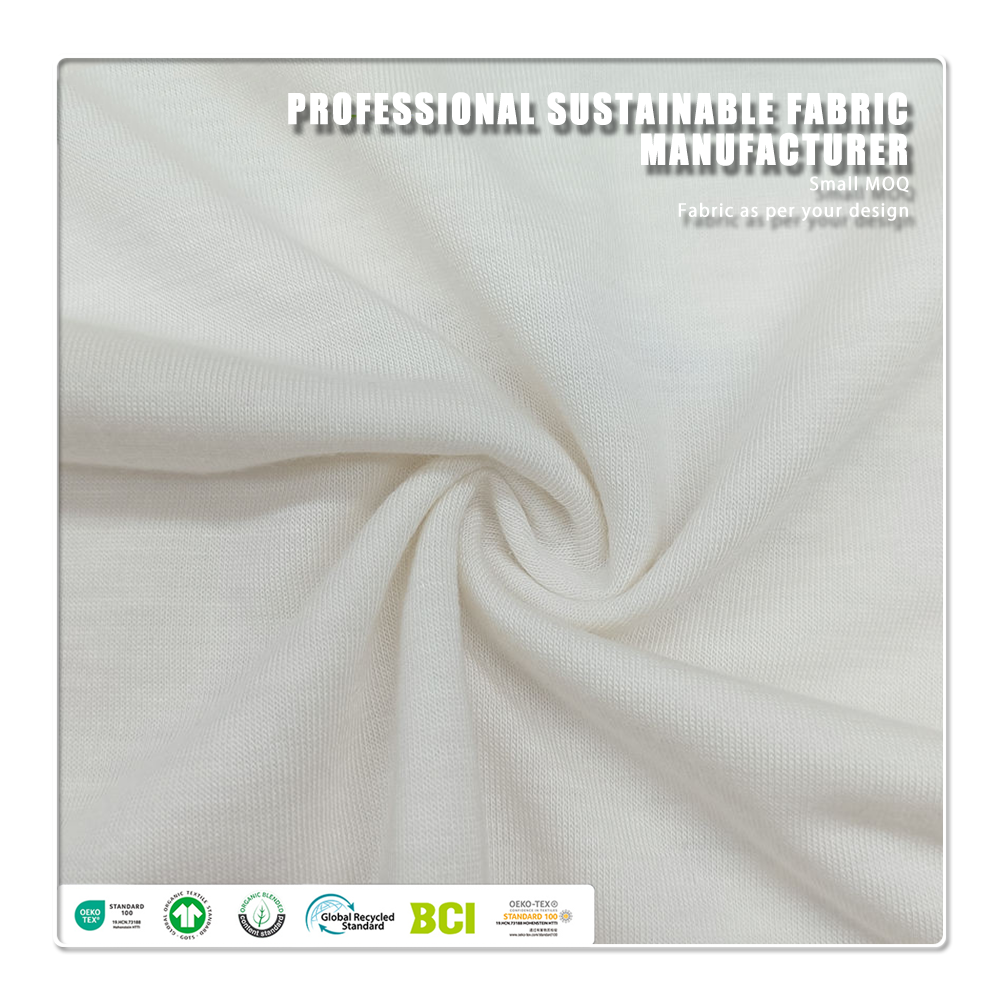
Material Composition: Modal is a semi-synthetic fiber derived from beech trees, known for its softness and breathability. Understanding the blend—whether it's pure modal or a mix with other fibers like cotton or polyester—can affect texture and performance.

Weight and Thickness: The weight of the fabric, typically measured in grams per square meter (GSM), influences its durability and drape. Heavier fabrics might be more suitable for outerwear, while lighter options may be ideal for linings or summer apparel.

Color Fastness: Look for fabrics with a color fastness rating of 4-5, which indicates good resistance to fading from washing and sunlight. This is particularly important for businesses concerned about product longevity.

Shrinkage Rate: A shrinkage rate below 5% is ideal, ensuring that the fabric maintains its dimensions after washing. This specification is crucial for manufacturers aiming for consistent product sizing.

Certifications: Ensure that the modal printed fabric is certified by recognized standards such as OEKO-TEX, GOTS, or OCS. These certifications indicate that the fabric meets strict environmental and safety criteria.

Our Blog Posts

The Natural Softness Advantage of Tencel Lyocell in Knit Fabrics

29

May

The Natural Softness Advantage of Tencel Lyocell in Knit Fabrics

Consumers look for softness in knitwear above all else. Softness builds trust,encourages comfort,and leaves a positive lasting impression. When compared to all the other sustainable fibers available on the market today,none will offer the same amount...
View More
Why Tencel Lyocell is Perfect for Sensitive Skin Collections

13

Oct

Why Tencel Lyocell is Perfect for Sensitive Skin Collections

Delicate skin renders simple clothing a choice that is carefully chosen by millions of customers throughout the globe. Adults and children with eczema, psoriasis, contact dermatitis, or general skin sensitivity require textiles that not only provide ...
View More
Why Tencel Modal Fabric Fits the Needs of Global Fashion Markets

13

Oct

Why Tencel Modal Fabric Fits the Needs of Global Fashion Markets

Across the globe, the fashion industry is experiencing radical change. From North America to Asia, shoppers everywhere are clamoring for fashion that is chic, but additionally eco-friendly, resilient and comfortable. During this shifting setting, Ten...
View More
Why Tencel Modal is the Secret Ingredient for Long-Lasting Softness

13

Oct

Why Tencel Modal is the Secret Ingredient for Long-Lasting Softness

The first feature that is mostly noticed by the consumers in the textile industry is softness although the quality of the textile is defined by the quality of the softness in the long run. A shirt that feels smooth one day and pilled or rough the nex...
View More

Get a Free Quote

Our representative will contact you soon.
Email
Name
Mobile/WhatsApp
Company Name
Message
0/1000

Related product categories

Get a Free Quote

Our representative will contact you soon.
Email
Name
Mobile/WhatsApp
Company Name
Message
0/1000