Understanding Modal Fabric: Costs & Benefits

Get a Free Quote

Our representative will contact you soon.
Email
Name
Mobile/WhatsApp
Company Name
Message
0/1000

modal type of fabric

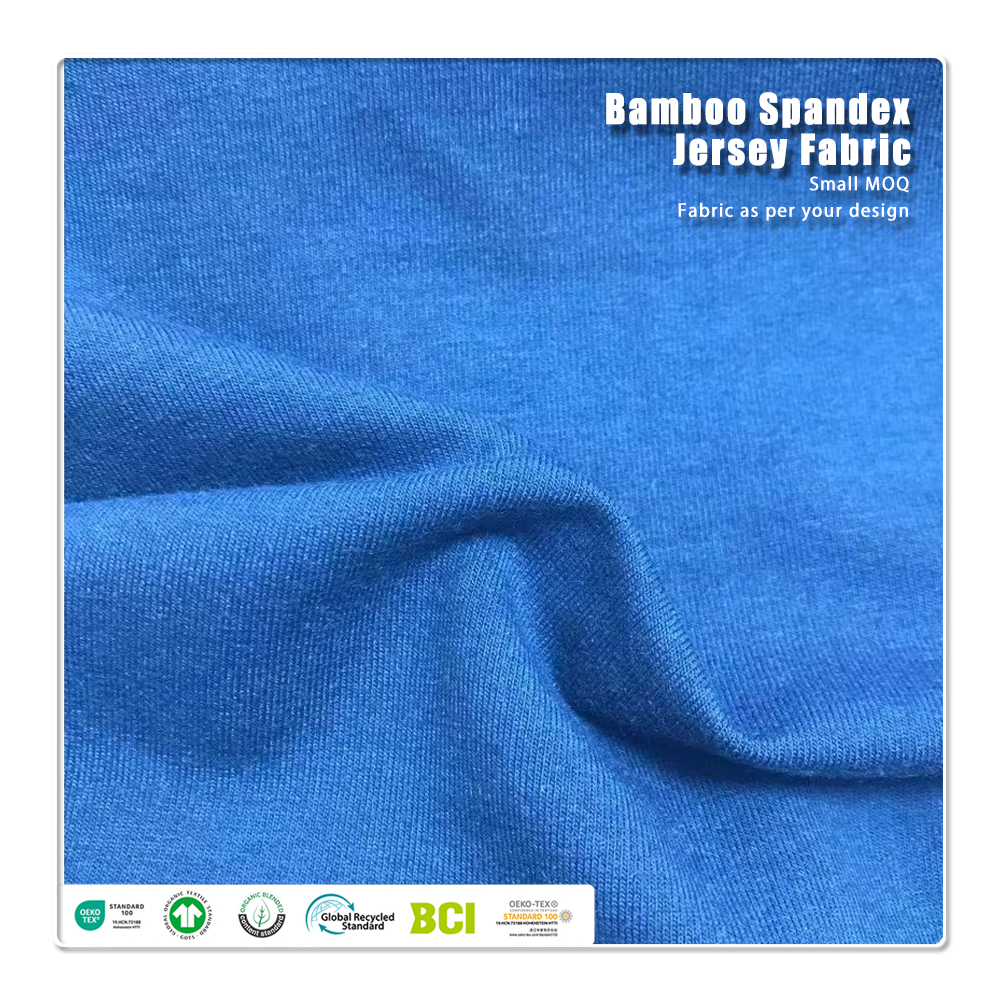
Modal fabric is a type of semi-synthetic textile that has gained popularity due to its softness, durability, and eco-friendly production methods. As a buyer, understanding the nuances of modal fabric is essential for making informed purchasing decisions, particularly when procuring in bulk. This article will address key factors such as cost considerations, installation challenges, and quality control measures, helping you navigate your options effectively.

Common Installation Challenges with Modal Fabric and Their Solutions

While modal fabric is versatile and suitable for various applications, installation challenges can arise during the manufacturing process or when integrating it into final products. One common issue is the fabric's tendency to stretch, which can affect the fit and appearance of garments or products. To address this, it is crucial to work closely with your manufacturer to establish appropriate cutting patterns and sewing techniques that account for modal's elasticity.

Another challenge is the fabric's sensitivity to moisture and heat. Modal can shrink or distort if exposed to high temperatures during washing or drying. As a preventative measure, always provide care instructions that specify cold washing and low-heat drying. Additionally, conducting pre-production samples can help identify any potential issues before the final batch is manufactured, ensuring that installation goes smoothly. Consider integrating Recycled Polyester Fabric into your project for added durability.
What You Need to Know

Before placing an order for modal fabric, there are several critical specifications and factors to confirm with your supplier. First, verify the fabric's weight and thickness, as these attributes will affect its drape, durability, and suitability for your specific application. Modal fabric typically ranges in weight, so select a thickness that aligns with your end-use requirements, whether for apparel, home textiles, or other applications.

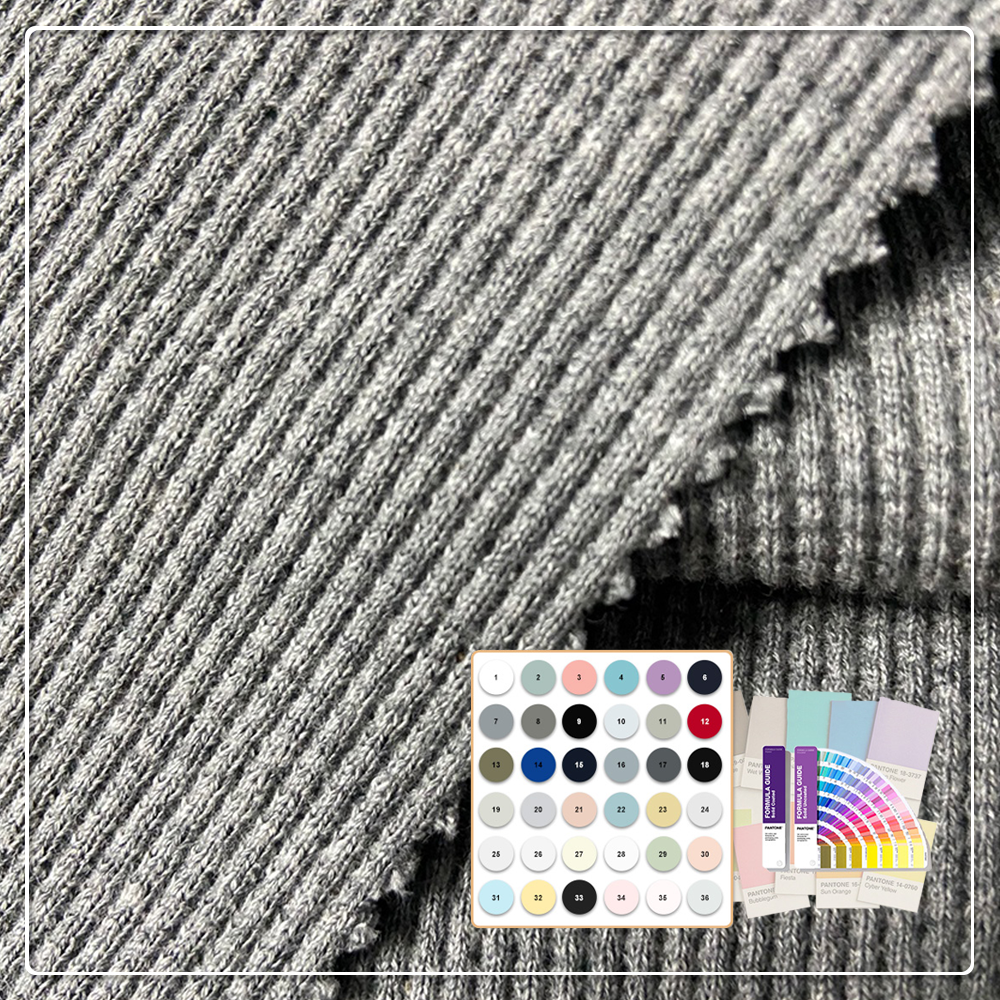
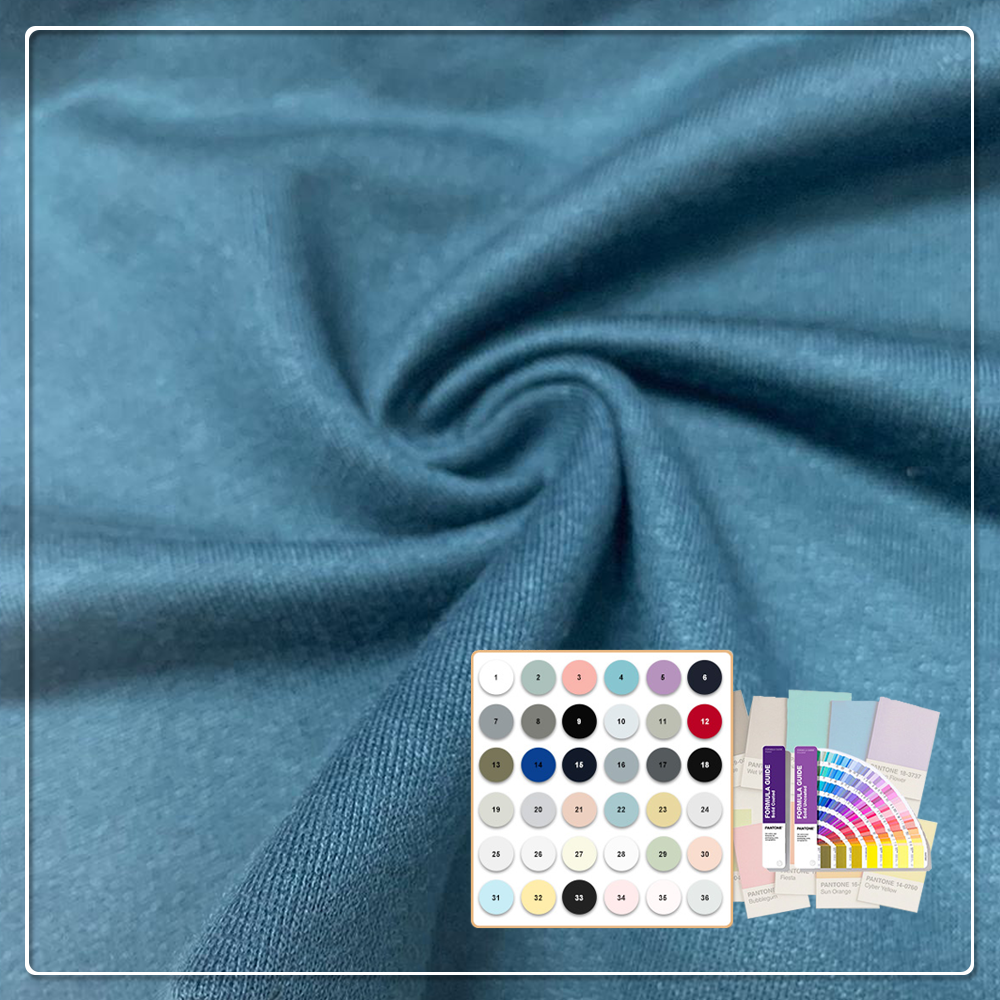
It's also essential to discuss customization options, such as color variations and surface treatments. Modal fabric can be dyed in various colors, and certain treatments can enhance its performance, such as making it more water-resistant or improving color fastness. Request samples to evaluate the fabric's texture and performance under actual usage conditions before final production.

Lastly, inquire about the manufacturer's certifications. Certifications such as OEKO-TEX, GOTS, and others indicate compliance with environmental and safety standards, ensuring that you are sourcing a quality product that meets industry regulations.

The Benefits of Using Eco-Friendly Modal Fabric in Projects

Incorporating eco-friendly modal fabric into your projects offers numerous advantages, particularly in today's environmentally conscious market. Modal is derived from beech trees, which require less water and pesticides compared to conventional cotton. This sustainable sourcing not only reduces environmental impact but also appeals to consumers who prioritize eco-friendly products.

Additionally, modal fabric is known for its softness and breathability, making it an excellent choice for apparel and home textiles. Its natural drape contributes to a luxurious feel, which can enhance the perceived value of your products. Moreover, modal is resistant to shrinkage and fading, ensuring that your items maintain their quality over time.

Utilizing eco-friendly modal fabrics can also strengthen your brand's commitment to sustainability, potentially attracting a wider customer base and increasing loyalty among eco-conscious consumers. With the growing importance of sustainable practices in manufacturing, modal fabric positions your products favorably in competitive marketplaces.

Quality Control Measures for Premium Modal Fabric Production

Quality control is a crucial aspect of modal fabric production that directly impacts product performance and customer satisfaction. At Shaoxing City Ohyeah Textile Co., Ltd., rigorous quality control measures are employed at various stages of the manufacturing process. This includes thorough inspections of raw materials upon arrival, ensuring that only high-quality fibers are used.

During production, implementing standardized operating procedures and utilizing advanced circular knitting machines helps maintain consistency in fabric quality. Regular testing for key attributes such as color fastness and shrinkage is performed to meet established benchmarks. For modal fabric, achieving a color fastness level of 4-5 and keeping shrinkage below 5% are essential for delivering a reliable product.

Furthermore, establishing a feedback loop with clients can enhance quality control. By encouraging clients to report any issues with samples or final products, manufacturers can quickly address concerns and improve processes. This collaborative approach not only enhances product quality but also builds trust and strengthens relationships with business partners.

In summary, understanding the intricacies of modal fabric, from cost factors to quality control, equips you with the knowledge needed to make informed decisions. By focusing on eco-friendly options and maintaining high-quality production standards, you can ensure that your projects succeed while meeting sustainability goals.

Understanding the Cost Factors When Buying Modal Fabric in Bulk

When purchasing modal fabric in bulk, several cost factors come into play that can significantly affect overall spending. The price of modal fabric is influenced by the quality of raw materials, production methods, and the scale of your order. For instance, eco-friendly modal fabrics made from sustainable resources may come at a premium compared to standard options, but they can enhance your brand's sustainability profile. Additionally, you might consider using Tencel Modal as an alternative, which also aligns with sustainable practices.

Additionally, consider the minimum order quantity (MOQ) set by manufacturers. A higher MOQ typically reduces the per-unit cost, but it also requires careful planning to ensure that your inventory aligns with market demand. Lead time is another critical cost factor—longer production times can delay your projects and potentially impact cash flow.

Lastly, transportation costs should not be overlooked, especially if your supplier is located internationally. Calculate shipping costs and potential tariffs when assessing your total budget for purchasing modal fabric.

Our Blog Posts

The Smooth Texture Benefits of Tencel Modal in Apparel Manufacturing

29

May

The Smooth Texture Benefits of Tencel Modal in Apparel Manufacturing

A smooth texture in clothing is a desirable fabric feature today. This add value to a fabric: it is an aesthetically pleasing, comfortable, and a mark of good quality. To produce a consistently smooth fabric texture, one must invest in fibe...
View More
The Low-Shrinkage Advantage of Tencel Modal in Mass Production

13

Oct

The Low-Shrinkage Advantage of Tencel Modal in Mass Production

The number of challenges that are as expensive and disruptive as the fabric shrinkage are scarce to manufacturers and brands with a large scale. In case of shrinking clothes after manufacturing, and worse still when they reach the consumers, the cons...
View More
Why Tencel Lyocell is Perfect for Sensitive Skin Collections

13

Oct

Why Tencel Lyocell is Perfect for Sensitive Skin Collections

Delicate skin renders simple clothing a choice that is carefully chosen by millions of customers throughout the globe. Adults and children with eczema, psoriasis, contact dermatitis, or general skin sensitivity require textiles that not only provide ...
View More
Why Tencel Modal is the Secret Ingredient for Long-Lasting Softness

13

Oct

Why Tencel Modal is the Secret Ingredient for Long-Lasting Softness

The first feature that is mostly noticed by the consumers in the textile industry is softness although the quality of the textile is defined by the quality of the softness in the long run. A shirt that feels smooth one day and pilled or rough the nex...
View More

Get a Free Quote

Our representative will contact you soon.
Email
Name
Mobile/WhatsApp
Company Name
Message
0/1000

Related product categories

Get a Free Quote

Our representative will contact you soon.
Email
Name
Mobile/WhatsApp
Company Name
Message
0/1000